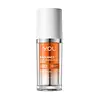
This brightening serum is formulated around Niacinamide and Ascorbyl Glucoside to fade the look of dark spots and brighten dull-looking skin.
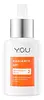
This brightening serum is formulated around Niacinamide and 3-O-Ethyl Ascorbic Acid to brighten dull-looking skin and fade the look of dark spots.

What's inside
What's inside
 Key Ingredients
Benefits
Concerns
Ingredients Side-by-side
Water
Skin ConditioningButylene Glycol
Humectant

Niacinamide
Smoothing










Hydroxyethylpiperazine Ethane Sulfonic Acid
BufferingAscorbyl Glucoside
Antioxidant

PEG/PPG-14/7 Dimethyl Ether
Skin ConditioningPentylene Glycol
Skin Conditioning
1,2-Hexanediol
Skin Conditioning
Tranexamic Acid
Astringent
Panthenol
Skin Conditioning
Carnosine
Skin Conditioning
Propanediol
Solvent
Sodium Polyacryloyldimethyl Taurate
Emulsion StabilisingHydroxyacetophenone
Antioxidant
Bis-PEG-18 Methyl Ether Dimethyl Silane
EmollientPEG-40 Hydrogenated Castor Oil
Emulsifying


Acrylates/C10-30 Alkyl Acrylate Crosspolymer
Emulsion StabilisingIsohexadecane
EmollientSodium Hyaluronate
Humectant
3-O-Ethyl Ascorbic Acid
Skin Conditioning
Allantoin
Skin Conditioning
Aminomethyl Propanol
BufferingXanthan Gum
EmulsifyingHydrogenated Lecithin
Emulsifying
Disodium EDTA
ChelatingPEG-7 Glyceryl Cocoate
Emulsifying


Dipotassium Glycyrrhizate
Humectant
PPG-5-Ceteth-20
EmulsifyingCaprylhydroxamic Acid
ChelatingPiper Methysticum Root Extract
Skin ConditioningTocopheryl Acetate
Antioxidant
4-Butylresorcinol
Antioxidant
Sodium Ascorbyl Phosphate
Antioxidant
Ascorbic Acid
Antioxidant
Caramel
Cosmetic ColorantParfum
Masking


Phenylethyl Resorcinol
Antioxidant
Opuntia Streptacantha Leaf Extract
Skin ConditioningGlycerin
Humectant
Magnesium Ascorbyl Phosphate
Antioxidant
Arbutin
Antioxidant
Sodium Benzoate
Masking
Polyglyceryl-10 Myristate
Skin Conditioning
Phenoxyethanol
Preservative
Sodium Metabisulfite
Antioxidant
Ceramide Ns
Skin Conditioning
Cholesterol
Emollient
Tocopherol
Antioxidant
Silica
Abrasive
Water, Butylene Glycol, Niacinamide, Hydroxyethylpiperazine Ethane Sulfonic Acid, Ascorbyl Glucoside, PEG/PPG-14/7 Dimethyl Ether, Pentylene Glycol, 1,2-Hexanediol, Tranexamic Acid, Panthenol, Carnosine, Propanediol, Sodium Polyacryloyldimethyl Taurate, Hydroxyacetophenone, Bis-PEG-18 Methyl Ether Dimethyl Silane, PEG-40 Hydrogenated Castor Oil, Acrylates/C10-30 Alkyl Acrylate Crosspolymer, Isohexadecane, Sodium Hyaluronate, 3-O-Ethyl Ascorbic Acid, Allantoin, Aminomethyl Propanol, Xanthan Gum, Hydrogenated Lecithin, Disodium EDTA, PEG-7 Glyceryl Cocoate, Dipotassium Glycyrrhizate, PPG-5-Ceteth-20, Caprylhydroxamic Acid, Piper Methysticum Root Extract, Tocopheryl Acetate, 4-Butylresorcinol, Sodium Ascorbyl Phosphate, Ascorbic Acid, Caramel, Parfum, Phenylethyl Resorcinol, Opuntia Streptacantha Leaf Extract, Glycerin, Magnesium Ascorbyl Phosphate, Arbutin, Sodium Benzoate, Polyglyceryl-10 Myristate, Phenoxyethanol, Sodium Metabisulfite, Ceramide Ns, Cholesterol, Tocopherol, Silica
Water
Skin ConditioningNiacinamide
Smoothing
Glycerin
Humectant
Butylene Glycol
Humectant
3-O-Ethyl Ascorbic Acid
Skin Conditioning
Hydroxyethyl Urea
Humectant
Hydroxyacetophenone
Antioxidant
1,2-Hexanediol
Skin Conditioning
PEG-40 Hydrogenated Castor Oil
Emulsifying
Zea Mays Starch
Absorbent
Acrylates/C10-30 Alkyl Acrylate Crosspolymer
Emulsion StabilisingTriethanolamine
BufferingHydrolyzed Corn Starch Octenylsuccinate
AbsorbentHydrolyzed Corn Starch
HumectantPolyacrylate Crosspolymer-6
Emulsion StabilisingButyrospermum Parkii Butter Extract
Skin Conditioning
Propanediol
Solvent
Cocamidopropyl Dimethylamine
Emulsifying
Disodium EDTA
ChelatingIsododecane
EmollientXanthan Gum
EmulsifyingPhenylethyl Resorcinol
Antioxidant
Lactic Acid
Buffering
Glycyrrhiza Glabra Root Extract
Bleaching
PEG-14m
Emulsion StabilisingDecarboxy Carnosine Hcl
Skin ConditioningCocos Nucifera Oil
Masking

Isopropyl Palmitate
Emollient
Citrus Limon Fruit Oil
Astringent
Pelargonium Graveolens Flower Oil
Masking

Citrus Aurantium Bergamia Fruit Oil
Masking
Astragalus Membranaceus Root Extract
Emollient
Palmitoyl Tripeptide-5
Skin Conditioning
Hydrated Silica
Abrasive
Camellia Japonica Flower Extract
EmollientSaposhnikovia Divaricata Root Extract
AntimicrobialCalendula Officinalis Flower Extract
Masking
Albizia Julibrissin Flower Extract
Skin ConditioningGastrodia Elata Root Extract
Skin ConditioningPhenoxyethanol
Preservative
Pentylene Glycol
Skin Conditioning
Caprylyl Glycol
Emollient
Gentiana Scabra Root Extract
Skin ConditioningWater, Niacinamide, Glycerin, Butylene Glycol, 3-O-Ethyl Ascorbic Acid, Hydroxyethyl Urea, Hydroxyacetophenone, 1,2-Hexanediol, PEG-40 Hydrogenated Castor Oil, Zea Mays Starch, Acrylates/C10-30 Alkyl Acrylate Crosspolymer, Triethanolamine, Hydrolyzed Corn Starch Octenylsuccinate, Hydrolyzed Corn Starch, Polyacrylate Crosspolymer-6, Butyrospermum Parkii Butter Extract, Propanediol, Cocamidopropyl Dimethylamine, Disodium EDTA, Isododecane, Xanthan Gum, Phenylethyl Resorcinol, Lactic Acid, Glycyrrhiza Glabra Root Extract, PEG-14m, Decarboxy Carnosine Hcl, Cocos Nucifera Oil, Isopropyl Palmitate, Citrus Limon Fruit Oil, Pelargonium Graveolens Flower Oil, Citrus Aurantium Bergamia Fruit Oil, Astragalus Membranaceus Root Extract, Palmitoyl Tripeptide-5, Hydrated Silica, Camellia Japonica Flower Extract, Saposhnikovia Divaricata Root Extract, Calendula Officinalis Flower Extract, Albizia Julibrissin Flower Extract, Gastrodia Elata Root Extract, Phenoxyethanol, Pentylene Glycol, Caprylyl Glycol, Gentiana Scabra Root Extract
Ingredients Explained
These ingredients are found in both products.
Ingredients higher up in an ingredient list are typically present in a larger amount.
1,2-Hexanediol is a synthetic liquid and another multi-functional powerhouse.
It is a:
- Humectant, drawing moisture into the skin
- Emollient, helping to soften skin
- Solvent, dispersing and stabilizing formulas
- Preservative booster, enhancing the antimicrobial activity of other preservatives
3-O-Ethyl Ascorbic Acid is one of the most popular "stable" vitamin C derivatives in skincare.
Plain ascorbic acid is fantastic but notoriously fragile; it browns, oxidizes, and loses potency fast. So attaching an ethyl group to the third carbon of the molecule gives it some cool perks:
In a formula, it does the 3 classic vitamin C jobs: it acts as an antioxidant, helps brighten skin tone by inhibiting tyrosinase, and supports collagen.
The evidence is reasonably solid for a cosmetic ingredient; Liao and colleagues (2018) showed it's significantly more stable than ascorbic acid while still being effective.
A 2021 study by Zerbinati and colleagues tested a serum with 30% 3-O-ethyl-l-ascorbic acid and 1% lactic acid significantly increased collagen production, reduced UVB-induced DNA damage, and decreased melanin on a reconstructed pigmented skin model.
Typical real world usage sits around 0.5-5% (and 1-2% is common for daily serums).
Amounts up to 30% have been shown to be non-irritating on human skin samples, but two isolated cases reported allergic contact dermatitis so a patch test is sensible if you have reactive skin.
Learn more about 3-O-Ethyl Ascorbic AcidAcrylates/C10-30 Alkyl Acrylate Crosspolymer is a synthetic polymer. It is used to thicken, emulsify, and improve the texture of products.
As an emulsifier, it helps stabilize oil-in-water emulsions to give products an elegant feel when applied.
It can also form a thin protective film on skin. One study found that a formula using this polymer helped slow down how quickly other ingredients (like DEET) were absorbed through skin.
A 2024 study of over 1,300 patients confirmed that sensitization to this ingredient is rare. It is also non-mutagenic and has a clean track record.
Learn more about Acrylates/C10-30 Alkyl Acrylate CrosspolymerButylene Glycol (or BG) is used within cosmetic products for a few different reasons:
Overall, Butylene Glycol is a safe and well-rounded ingredient that works well with other ingredients.
Though this ingredient works well with most skin types, some people with sensitive skin may experience a reaction such as allergic rashes, closed comedones, or itchiness.
Learn more about Butylene GlycolDisodium EDTA is a chelating agent. It grabs onto and deactivates metal ions that sneak into your products from water, packaging, or air.
This ingredient mainly works behind the scenes and helps with:
On top of that, this ingredient can counteract the effects of hard water by binding to the minerals in it.
One thing worth knowing is that Disodium EDTA has been shown to be a mild penetration enhancer. It can help other ingredients absorb into skin more effectively which can be a double-edged sword (great for actives, but can also make the active too strong if you have sensitive skin).
Clinical patch testing showed no significant skin irritation at typical use concentrations and minimal dermal absorption.
You'll most likely see this ingredient near the end of an ingredient list. It's typically found in concentrations less than 1%.
Learn more about Disodium EDTAGlycerin (or glycerol) is a compound naturally found in your skin. It's a powerhouse humectant that pulls water into the stratum corneum.
Topically, glycerin does several things at once:
Your skin makes glycerin on its own (mostly from sebaceous oil breakdown) and shuttles it to your outermost layer of skin, or your epidermis, via aquaporin-3.
Aquaporin-3 is a transporter that is essential for normal skin hydration, elasticity, and repair. Interestingly, mice lacking in AQP3 have dry and less elastic skin that can be fully corrected with glycerin.
This ingredient is non-irritating, plays well with almost every ingredient, and works across all skin types. Typical use is anywhere between 3-10% but can go up to 79% in some leave-on products.
Just know very high concentrations (>40%) can feel tacky in low humidity.
Glycerin is the name for this ingredient in American English. British English uses Glycerol/Glycerine.
Learn more about GlycerinHydroxyacetophenone is a small phenolic molecule that earns its place in a formulas as an antioxidant and preservative booster.
As a phenol, it is able to neutralize free radicals to protect both the product and the skin from oxidative stress.
Though it can't kill microbes on its own, it works as a good supporting agent when combined with other preservatives like Phenoxyethanol or 1,2-Hexanediol.
This ingredient naturally occurs as piceol in Norwegian spruce needles (~0.4-1.1% dry weight and in cloudberries). Though the cosmetic-grade material is synthesized for purity and consistency.
You'll usually see it used at low levels and suppliers recommend up to 1% added to a water phase.
Safety testing was done at concentrations like 0.05% in SPF products and 0.5% in a Human Repeated Insult Patch Test. The safety evidence is assuring; this ingredient is safe for cosmetics in current use and also holds safety status as a food flavoring as well.
An honest caveat: the "soothing" and "anti-inflammatory" claims come mostly from supplier marketing rather than published clinical trials. The Cosmetic Ingredient Review's own literature search found no useful efficacy studies on this ingredient.
So the antioxidant and preservative-boosting roles are the well supported ones while the calming benefit is plausible but thinly evidenced.
Overall, this is a well-tolerated, low-irritation multitasker that quietly helps a formula stay fresh and stable.
Learn more about HydroxyacetophenoneNiacinamide is a multitasking form of vitamin B3 that strengthens the skin barrier, reduces pores and dark spots, regulates oil, and improves signs of aging.
And the best part? It's gentle and well-tolerated by most skin types, including sensitive and reactive skin.
You might have heard of "niacin flush", or the reddening of skin that causes itchiness. Niacinamide has not been found to cause this.
In very rare cases, some individuals may not be able to tolerate niacinamide at all or experience an allergic reaction to it.
If you are experiencing flaking, irritation, and dryness with this ingredient, be sure to double check all your products as this ingredient can be found in all categories of skincare.
When incorporating niacinamide into your routine, look out for concentration amounts. Typically, 5% niacinamide provides benefits such as fading dark spots. However, if you have sensitive skin, it is better to begin with a smaller concentration.
When you apply niacinamide to your skin, your body converts it into nicotinamide adenine dinucleotide (NAD). NAD is an essential coenzyme that is already found in your cells as "fuel" and powers countless biological processes.
In your skin, NAD helps repair cell damage, produce new healthy cells, support collagen production, strengthen the skin barrier, and fight environmental stressors (like UV and pollution).
Our natural NAD levels start to decline with age, leading to slower skin repair, visible aging, and a weaker skin barrier. By providing your skin niacinamide, you're recharging your skin's NAD levels. This leads to stronger, healthier, and younger looking skin.
Another name for vitamin B3 is nicotinamide. This vitamin is water-soluble and our bodies don't store it. We obtain Vitamin B3 from either food or skincare. Meat, fish, wheat, yeast, and leafy greens contain vitamin B3.
The type of niacinamide used in skincare is synthetically created.
Learn more about NiacinamidePEG-40 Hydrogenated Castor Oil is an emulsifier derived from castor oil.
As an emulsifying agent, it helps other ingredients like fragrances and fat-soluble vitamins dissolve cohesively.
Due to its large molecule size, it doesn't penetrate beyond the skin's surface.
This ingredient has a solid regulatory track record; the CIR Expert Panel first concluded it was safe for use in cosmetics at concentrations up to 100% in 1997. A 2012 reassessment reaffirmed that finding. Safety studies have also found no irritation or evidence of toxicity.
A 2019 study did find this ingredient to grow Malassezia, so this ingredient may not be fungal acne safe.
Learn more about PEG-40 Hydrogenated Castor OilPentylene Glycol (1,2-pentanediol) is a multitasking little diol with three main roles in a formula:
Research on alkanediols (the family pentylene glycol belongs to) show they work by disrupting microbial cell membranes. This disruption helps the primary preservative system in a product work more effectively at lower doses.
On the safety side, the Cosmetic Ingredient Review Expert Panel has concluded this ingredient to be safe as used in current cosmetic practices + concentrations.
Typical use levels in a formula run about 1-5%.
Learn more about Pentylene GlycolPhenoxyethanol is one of the most widely used preservatives in skincare (and for good reason!).
It has a large spectrum of antimicrobial activity and especially effective bacteria, yeast, and mold while only having a weak effect on your skin's natural microbiome.
On a cellular level, it disrupts the cell membranes of microbes by poking holes that make the cell leak. This shuts down the chemical reactions the microbe needs to make energy so it can no longer survive.
Another perk of this ingredient is that it stays functional across a wide pH range (3-10).
You'll often see it paired with boosters like Ethylhexylglycerin; one study showed that a 1:9 ratio of Ethylhexylglycerin to Phenoxyethanol damages bacterial membranes as effectively as doubling the Phenoxyethanol concentration on its own.
Typical use concentrations range from 0.3-1% depending on the formula, and this ingredient is capped at 1% int the EU.
Safety-wise, the fear mongering does not hold up to the evidence. The EU's Scientific Committee on Consumer Safety and FDA consider it safe as a preservative at up to 1%, including for children of all ages.
Adverse systemic effects only showed up in animal studies at exposures roughly 200x higher than what people get from cosmetics. And despite its very widespread use, this ingredient is a rare sensitizer and allergic reactions are uncommon.
Learn more about PhenoxyethanolPhenylethyl Resorcinol (PR) is a synthetic antioxidant and tyrosinase inhibitor. This ingredient is found naturally in pine trees.
What is a tyrosinase inhibitor?
Tyrosinase is an enzyme that plays a key role in melanin production, which leads to skin darkening when exposed to UV light. By inhibiting this enzyme, PR can help with skin brightening and lifting dark spots.
The manufacturer states 0.5% of PR is more effective than 1% kojic acid. In 2013, a study of 80 participants found combining PR with other skin-brightening ingredients found 57% showed moderate improvement and 17% saw no change. Another study with 20 women reported a 43% reduction in uneven skin tone.
While more research is needed to fully confirm PR's efficacy, there’s no harm in trying it - especially when combined with other proven skin-brightening ingredients.
Learn more about Phenylethyl ResorcinolPropanediol is an all-star ingredient. It softens, hydrates, and smooths the skin.
It’s often used to:
Propanediol is not likely to cause sensitivity and considered safe to use. It is derived from corn or petroleum with a clear color and no scent.
Learn more about PropanediolWater. It's the most common cosmetic ingredient of all. You'll usually see it at the top of ingredient lists, meaning that it makes up the largest part of the product.
So why is it so popular? Water most often acts as a solvent - this means that it helps dissolve other ingredients into the formulation.
You'll also recognize water as that liquid we all need to stay alive. If you see this, drink a glass of water. Remember to stay hydrated!
Learn more about WaterXanthan gum is used as a stabilizer and thickener within cosmetic products. It helps give products a sticky, thick feeling - preventing them from being too runny.
On the technical side of things, xanthan gum is a polysaccharide - a combination consisting of multiple sugar molecules bonded together.
Xanthan gum is a pretty common and great ingredient. It is a natural, non-toxic, non-irritating ingredient that is also commonly used in food products.
Learn more about Xanthan Gum

