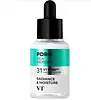
This barrier-repair ampoule is formulated around Sodium DNA and Centella Asiatica Extract to strengthen the skin barrier and soften the look of wrinkles.
This hydrating toner is formulated around Sodium DNA and Panthenol to hydrate skin and strengthen the skin barrier.

What's inside
What's inside
 Key Ingredients

Benefits
Concerns
Ingredients Side-by-side
Helianthus Annuus Seed Oil
Emollient



Acrylates/C10-30 Alkyl Acrylate Crosspolymer
Emulsion StabilisingArginine
Masking
Tocopherol
Antioxidant






Adenosine
Skin Conditioning
Ceramide NP
Skin Conditioning
Adansonia Digitata Seed Oil
Emollient
Disodium EDTA
Hydrogenated Lecithin
Emulsifying
Squalane
Emollient
Allantoin
Skin Conditioning
Lactobacillus/Soymilk Ferment Filtrate
Skin ConditioningPanthenol
Skin Conditioning
Polyglucuronic Acid
Skin ConditioningCollagen Amino Acids
Moisturising
Ceramide As
Skin Conditioning
Ceramide Ns
Skin Conditioning
Butylene Glycol
Humectant
Pentylene Glycol
Skin Conditioning
Ceramide AP
Skin Conditioning
Ceramide EOP
Skin Conditioning
Haematococcus Pluvialis Extract
Antioxidant
Centella Asiatica Extract
Cleansing
Panax Ginseng Root Extract
Emollient
Copper Tripeptide-1
Skin Conditioning
Acetyl Hexapeptide-8
Humectant
Sodium DNA
Skin Conditioning
Helianthus Annuus Seed Oil, Acrylates/C10-30 Alkyl Acrylate Crosspolymer, Arginine, Tocopherol, Adenosine, Ceramide NP, Adansonia Digitata Seed Oil, Disodium EDTA, Hydrogenated Lecithin, Squalane, Allantoin, Lactobacillus/Soymilk Ferment Filtrate, Panthenol, Polyglucuronic Acid, Collagen Amino Acids, Ceramide As, Ceramide Ns, Butylene Glycol, Pentylene Glycol, Ceramide AP, Ceramide EOP, Haematococcus Pluvialis Extract, Centella Asiatica Extract, Panax Ginseng Root Extract, Copper Tripeptide-1, Acetyl Hexapeptide-8, Sodium DNA
Water
Skin ConditioningDiphenyl Dimethicone
Emollient
Dipropylene Glycol
HumectantPentylene Glycol
Skin Conditioning
1,2-Hexanediol
Skin Conditioning
Glycereth-26
Humectant
Propanediol
Solvent
Streptococcus Thermophilus Ferment
Humectant
Butylene Glycol
Humectant
Panthenol
Skin Conditioning
Caprylic/Capric Triglyceride
Masking
Sodium DNA
Skin Conditioning
Hydroxyethyl Urea
Humectant
Hydroxyacetophenone
Antioxidant
Castor Oil/Ipdi Copolymer
Xylitylglucoside
Humectant
Allantoin
Skin Conditioning
Dipeptide-15
Skin Conditioning
Gellan Gum
Anhydroxylitol
Humectant
Calcium Chloride
AstringentCaprylyl Glycol
Emollient
Adenosine
Skin Conditioning
PPG-13-Decyltetradeceth-24
EmulsifyingGlycerin
Humectant
Sodium Citrate
BufferingXylitol
Humectant
Glycine Soja Seed Extract
Skin Conditioning
Melia Azadirachta Leaf Extract
Skin ConditioningSodium Hyaluronate
Humectant
Citric Acid
Buffering
Melia Azadirachta Flower Extract
Skin ConditioningGlycine Soja Oil
Emollient


Pyrus Malus Juice
Skin ConditioningCoccinia Indica Fruit Extract
Skin Conditioning
Tocopherol
Antioxidant
Cynanchum Atratum Extract
Skin ConditioningSolanum Melongena Fruit Extract
Skin ConditioningAloe Barbadensis Flower Extract
EmollientOctanediol
Ethylhexylglycerin
Skin ConditioningSimmondsia Chinensis Seed Oil
Emollient
Curcuma Longa Root Extract
Antioxidant
Ocimum Sanctum Leaf Extract
Skin ConditioningCorallina Officinalis Extract
Skin Conditioning
Helianthus Annuus Seed Oil
Emollient
Althaea Rosea Flower Extract
Skin ConditioningBeta-Carotene
Skin ConditioningDaucus Carota Sativa Root Extract
Skin Conditioning
Hydrolyzed Hyaluronic Acid
Humectant
Hyaluronic Acid
Humectant
Castanea Sativa Seed Extract
Skin ConditioningDipotassium Phosphate
BufferingAcetyl Glutamine
Skin ConditioningAgar
MaskingMagnesium Sulfate
Xanthan Gum
EmulsifyingDiphenylsiloxy Phenyl Trimethicone
Skin Conditioning
Phenyl Trimethicone
Skin Conditioning
Propylene Glycol Dibenzoate
Skin ConditioningPyrus Malus Seed Oil
Emollient
Hydrogenated Lecithin
Emulsifying
Aureobasidium Pullulans Ferment
Skin ConditioningHydrolyzed Collagen
Emollient
Ceramide NP
Skin Conditioning
Sodium Chloride
MaskingHippophae Rhamnoides Oil
Emollient
Copper Tripeptide-1
Skin Conditioning
Cellulose Gum
Emulsion StabilisingAmber Powder
Sodium Bicarbonate
Abrasive
Candida Bombicola/Glucose/Methyl Rapeseedate Ferment
AntimicrobialMoringa Oleifera Seed Oil
Emollient
Potassium Chloride
Sodium Stearoyl Glutamate
CleansingWater, Diphenyl Dimethicone, Dipropylene Glycol, Pentylene Glycol, 1,2-Hexanediol, Glycereth-26, Propanediol, Streptococcus Thermophilus Ferment, Butylene Glycol, Panthenol, Caprylic/Capric Triglyceride, Sodium DNA, Hydroxyethyl Urea, Hydroxyacetophenone, Castor Oil/Ipdi Copolymer, Xylitylglucoside, Allantoin, Dipeptide-15, Gellan Gum, Anhydroxylitol, Calcium Chloride, Caprylyl Glycol, Adenosine, PPG-13-Decyltetradeceth-24, Glycerin, Sodium Citrate, Xylitol, Glycine Soja Seed Extract, Melia Azadirachta Leaf Extract, Sodium Hyaluronate, Citric Acid, Melia Azadirachta Flower Extract, Glycine Soja Oil, Pyrus Malus Juice, Coccinia Indica Fruit Extract, Tocopherol, Cynanchum Atratum Extract, Solanum Melongena Fruit Extract, Aloe Barbadensis Flower Extract, Octanediol, Ethylhexylglycerin, Simmondsia Chinensis Seed Oil, Curcuma Longa Root Extract, Ocimum Sanctum Leaf Extract, Corallina Officinalis Extract, Helianthus Annuus Seed Oil, Althaea Rosea Flower Extract, Beta-Carotene, Daucus Carota Sativa Root Extract, Hydrolyzed Hyaluronic Acid, Hyaluronic Acid, Castanea Sativa Seed Extract, Dipotassium Phosphate, Acetyl Glutamine, Agar, Magnesium Sulfate, Xanthan Gum, Diphenylsiloxy Phenyl Trimethicone, Phenyl Trimethicone, Propylene Glycol Dibenzoate, Pyrus Malus Seed Oil, Hydrogenated Lecithin, Aureobasidium Pullulans Ferment, Hydrolyzed Collagen, Ceramide NP, Sodium Chloride, Hippophae Rhamnoides Oil, Copper Tripeptide-1, Cellulose Gum, Amber Powder, Sodium Bicarbonate, Candida Bombicola/Glucose/Methyl Rapeseedate Ferment, Moringa Oleifera Seed Oil, Potassium Chloride, Sodium Stearoyl Glutamate
Reviews
Ingredients Explained
These ingredients are found in both products.
Ingredients higher up in an ingredient list are typically present in a larger amount.
Adenosine is a purine nucleoside that your body already makes in every cell. In skincare, it acts mainly as a skin conditioning and anti-aging agent.
The way it works is fairly well mapped out:
Your skin has cells called fibroblasts that build collagen (the stuff that keeps skin firm and smooth). Adenosine basically flips a switch on these cells that tells them to get to work making more collagen and other proteins. These cells slow down on their own as skin ages, so Adenosine helps give them a little nudge to keep going.
The clinical backing is pretty solid too.
A blind, randomized, placebo-controlled trial of 126 women aged 45-65 tested a 0.1% cream twice daily and found real improvements in crow's feet and frown lines using a precise 3D skin-mapping technique; these changes showed up by week 3 and held at 2 months.
A later study using Adenosine-loaded dissolving microneedle patches reported gains in wrinkle depth, dermal density, elasticity, and hydration.
On concentrations, South Korea's Ministry of Food and Drug Safety has set 0.04% as the approved functional anti-wrinkle level. You'll typically see this ingredient used somewhere in the 0.04-0.1% range since it works at low doses.
This ingredient has been found safe for cosmetics with the data showing no irritation or sensitization.
Overall, this is a great ingredient for any anti-aging routine and has no photosensitizing effect, so it suits both AM and PM use.
Learn more about AdenosineAllantoin is a soothing ingredient known for its protective and moisturizing properties; it's basically a quiet workhorse ingredient you can find in a huge range of cosmetics.
Though it can be derived from the comfrey plant, allantoin is produced synthetically for cosmetic products to ensure purity.
Research shows it can encourage your skin cells to turn over and renew by stimulating keratinocyte and fibroblast proliferation.
It also has mild keratolytic properties to help loosen and shed dead skin cells without being harsh.
Studies also suggest allantoin can help calm inflammation by dialing down some of the chemical signals your skin sends out when it is irritated.
This ingredient is typically used in the 0.1-0.5% range, and the FDA recognizes it as a skin protectant in OTC products up to 2%.
Overall, allantoin is a wonderful addition to most routines; it is stable across a wide pH range (~4-8), works well with other ingredients, and is considered non-sensitizing/non-irritating.
Fun fact: Allantoin is naturally occurring in comfrey root, beets, chamomile, and wheat sprouts. Our bodies even produce it as a byproduct of uric acid metabolism.
Learn more about AllantoinButylene Glycol (or BG) is used within cosmetic products for a few different reasons:
Overall, Butylene Glycol is a safe and well-rounded ingredient that works well with other ingredients.
Though this ingredient works well with most skin types, some people with sensitive skin may experience a reaction such as allergic rashes, closed comedones, or itchiness.
Learn more about Butylene GlycolCeramide NP (formerly known as Ceramide 3) is one of the skin's naturally occurring lipids.
Since ceramides are the major lipid components of the skin, they are crucial for maintaining skin barrier and hydration. Ceramide NP most closely mirrors the dominant kind in human skin amongst ceramide subtypes.
This ceramide works by slotting into gaps within the stratum corneum's lipid matrix to limit trans-epidermal water loss (TEWL) and shield the skin against external irritants.
A study with 312 patients found that using a ceramide-containing routine for 4 weeks reduced the severity of atopic dermatitis by over 61%.
Another clinical study in subjects aged 60 and older found that a ceramide body wash and moisturizer improved skin dryness and itchy skin in 15 days.
Overall, ceramides are considered non-irritating and safety tests have found little to no observable adverse effects from using this ingredient.
Ceramide NP is usually sourced from plants (like soybean or rice bran), or produced synthetically.
Learn more about Ceramide NPCopper Tripeptide-1 (GHK-Cu) is a skin repairing ingredient known for its ability to boost collagen, improve firmness, and support skin regeneration.
It is a complex made up of a naturally occurring peptide (glycine-histidine-lysine) and copper, an essential trace element.
While studying wound healing, researchers noticed GHK-Cu stimulated hair follicle enlargement and growth by keeping hair in its active growth phase longer. This has made it a promising ingredient for hair regrowth treatments.
Some people have reported increased facial hair. While GHK-Cu can make your hair follicles bigger, it usually doesn’t turn soft, barely-visible facial hairs into thick, dark ones.
Anecdotal reports suggest that overusing copper peptides might lead to premature aging due to excess free copper or enzyme imbalances. This claim isn’t backed by large-scale studies.
Unfortunately, there are limited human studies for this ingredient. While early results are promising, many studies are either small, in-vitro, or not rigorously controlled.
For example, there is a 1998 study that explored the effects of copper tripeptide, vitamin C, tretinoin, and melatonin on skin repair and collagen synthesis.
After one month, increased procollagen production was seen in 7 out of 10 participants using copper tripeptide (more than those using vitamin C, melatonin, or tretinoin.
While the study was exploratory, it offers early evidence that copper tripeptide may support collagen production. Larger, well-designed trials are still needed to confirm its potential and understand individual responses.
Read more about other common types of peptides here:
Learn more about Copper Tripeptide-1Helianthus Annuus Seed Oil is a plant oil derived from the seeds of a sunflower.
It is rich in fatty acids, primarily linoleic acid and oleic acid. This gives it emollient and skin conditioning properties.
The reason this ingredient is so effective is because it forms a thin film on the skin that reduces transepidermal water loss (TEWL) while supplying linoleic acid to the stratum corneum to improve barrier strength.
The high linoleic acid content is particularly noteworthy for acne-prone skin.
Research suggests that acne-prone skin tends to be deficient in linoleic acid in sebum. Topical application may help replenish this to support a healthier follicular environment and less comedone-promoting sebum.
One randomized study found sunflower seed oil preserved skin barrier integrity in adult volunteers with and without atopic dermatitis (outperforming olive oil).
This ingredient is well-studied, gentle, and an effective emollient suitable for most skin types.
On fungal acne: This ingredient may not be Fungal acne (Malassezia folliculitis) safe. This is because it contains fatty acids with carbon chain lengths in the C11-C24 range.
Learn more about Helianthus Annuus Seed OilHydrogenated Lecithin is a more stable version of lecithin.
It's made by taking lecithin (a phospholipid commonly found in soybeans and egg yolks) and hydrogenating it. This just means the unsaturated fatty acids are turned into saturated ones so they don't go bad as easily.
This ingredient is an emollient, emulsifier, and penetration enhancer. As an emollient, it helps soften and hydrate skin by trapping moisture within. As an emulsifier, it prevents oil and water ingredients from separating.
Hydrogenated Lecithin can form tiny spherical structures made of phospholipid bilayers called liposomes. These liposomes are able to capture compounds inside their structure and deliver them through the skin barrier.
Because phospholipids are a natural component of our cell membranes, this ingredient is inherently compatible with skin.
A 2021 study found lecithin-based surfactants were less harsh and more tolerable comared to Sodium Lauryl Sulfate (SLS).
Learn more about Hydrogenated LecithinPanthenol is a common ingredient that helps hydrate and soothe the skin. It is found naturally in our skin and hair.
There are two forms of panthenol: D and L.
D-panthenol is also known as dexpanthenol. Most cosmetics use dexpanthenol or a mixture of D and L-panthenol.
Panthenol is famous due to its ability to go deeper into the skin's layers. Using this ingredient has numerous pros (and no cons):
Like hyaluronic acid, panthenol is a humectant. Humectants are able to bind and hold large amounts of water to keep skin hydrated.
This ingredient works well for wound healing. It works by increasing tissue in the wound and helps close open wounds.
Once oxidized, panthenol converts to pantothenic acid. Panthothenic acid is found in all living cells.
This ingredient is also referred to as pro-vitamin B5.
Learn more about PanthenolPentylene Glycol (1,2-pentanediol) is a multitasking little diol with three main roles in a formula:
Research on alkanediols (the family pentylene glycol belongs to) show they work by disrupting microbial cell membranes. This disruption helps the primary preservative system in a product work more effectively at lower doses.
On the safety side, the Cosmetic Ingredient Review Expert Panel has concluded this ingredient to be safe as used in current cosmetic practices + concentrations.
Typical use levels in a formula run about 1-5%.
Learn more about Pentylene GlycolSodium DNA is an emerging anti-aging ingredient.
It is created by taking deoxyribonucleic acid (DNA) and purifying it with sodium hydroxide.
The DNA is extracted from several different animal sources, including: calf thymus, the gonadic tissue of a male sturgeon, or herring / salmon sperm.
You have probably seen this ingredient in anti-aging skincare. But what is it?
DNA is composed of nucleotides, or chemical building blocks. Nucleotides include adenine (A), thymine (T), guanine (G), and cytosine (C). Talk about a flashback to biology! Nucleosides are formed from these nucleotides.
The science behind Sodium DNA is based on an ingredient called Polydeoxyribonucleotide or PDRN.
PDRN are DNA fragments mainly extracted from the sperm cells of trout or salmon. Meaning, PDRN can be derived from Sodium DNA.
PDRN consists of chains of nucleotides and nucleosides mentioned above. They can range anywhere from 80 - 2000 pairs.
Studies show PDRN has the following properties:
Most of the research on PDRN has been done using injectable forms. That’s important, because PDRN is a large molecule and doesn’t absorb well through the skin. So if you’re applying it topically, the effects are likely to be much milder.
Still, topical Sodium DNA is emerging as a trendy anti-aging ingredient. It’s generally well-tolerated and offers good biocompatibility with human skin, making it a low-risk addition to most routines.
Further studies are needed to truly confirm this ingredients anti-aging ability (Remember, retinol has decades of research!).
Sodium DNA may be sourced from fish, animal tissue, or plants. Since this isn’t always disclosed, we recommend asking the brand directly if the ingredient’s origin is important to you.
Learn more about Sodium DNATocopherol is a fat-soluble antioxidant known as Vitamin E.
You'll find this ingredient in the vast majority of skincare (for good reason). It works to neutralize free radicals, or unstable molecules generated by UV exposure, pollution, and other environmental stressors, before they can cause oxidative damage to your skin cells.
Topically applied tocopherol has been shown to protect against UV damage by ramping up the skin's own natural defense enzymes.
It also acts as a skin conditioning agent; some studies show that regular topical use can improve the skin's water-binding capacity over 2-4 weeks.
This ingredient is especially loved for being a team player. When combined with Vitamin C, the photoprotective effect of both ingredients roughly doubles and the combo also helps reduce UV-induced DNA damage.
This ingredient has some brightening potential but it's more of a prevention ingredient than spot-fader. Cell studies show it can slow down melanin production but it's worth noting that it's not the most powerful brightener out there.
In formulations, it also serves as a stabilizer that helps protect other oxidation-prone ingredients from degrading.
Concentrations usually range from 0.1-1% in most leave-on products.
Learn more about Tocopherol.webp)


