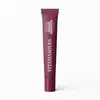
This barrier-repair lip moisturizer is formulated around Butyrospermum Parkii Butter and Squalane to strengthen the lip barrier and hydrate lips.
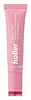
This anti-aging lip moisturizer is formulated around Petrolatum and Palmitoyl Tetrapeptide-7 to soften the look of wrinkles and hydrate lips.

What's inside
What's inside
 Key Ingredients
Benefits
Concerns
Ingredients Side-by-side
Hydrogenated Polyisobutene
EmollientCetyl Ethylhexanoate
EmollientPhytosteryl/Isostearyl/Cetyl/Stearyl/Behenyl Dimer Dilinoleate
Skin Conditioning

Diisostearyl Malate
EmollientButyrospermum Parkii Butter
Skin Conditioning




Ethylene/Propylene/Styrene Copolymer
Synthetic Wax
Abrasive
Butylene/Ethylene/Styrene Copolymer
Polyglyceryl-2 Triisostearate
Emulsifying
Ethylhexylglycerin
Skin ConditioningPentaerythrityl Tetra-Di-T-Butyl Hydroxyhydrocinnamate
Antioxidant
Water
Skin ConditioningTocopherol
Antioxidant




Theobroma Grandiflorum Seed Butter
Skin Conditioning
Theobroma Cacao Seed Butter
Emollient
Squalane
Emollient
Phytosterols
Skin Conditioning
Panthenol
Skin Conditioning
Ascorbic Acid
Antioxidant

Glycerin
Humectant
Caprylic/Capric Triglyceride
Masking
Butylene Glycol
Humectant
1,2-Hexanediol
Skin Conditioning
Ceramide NP
Skin Conditioning
Hydrogenated Lecithin
Emulsifying
Mangifera Indica Seed Butter
Skin Conditioning
Astrocaryum Murumuru Seed Butter
Emollient
Inulin Lauryl Carbamate
Emulsion StabilisingSodium Hyaluronate
Humectant
Sodium Surfactin
CleansingHydroxypropyltrimonium Hyaluronate
Hydrolyzed Hyaluronic Acid
Humectant
Sodium Acetylated Hyaluronate
Humectant
Soluble Collagen
Humectant
Hyaluronic Acid
Humectant
Palmitoyl Tetrapeptide-7
Skin Conditioning
Palmitoyl Tripeptide-1
Skin Conditioning
Palmitoyl Tripeptide-5
Skin Conditioning
Pentapeptide-3
Skin Conditioning
Sodium Hyaluronate Crosspolymer
Humectant
Tripeptide-1
Skin Conditioning
Hexapeptide-11
Skin Conditioning
Hexapeptide-9
Skin Conditioning
Hydrolyzed Sodium Hyaluronate
Skin Conditioning
Nonapeptide-1
Skin Conditioning
Oligopeptide-1
Skin Conditioning
Palmitoyl Pentapeptide-4
Skin Conditioning
Palmitoyl Hexapeptide-12
Skin Conditioning
Dipeptide Diaminobutyroyl Benzylamide Diacetate
Skin Conditioning
Dipeptide-2
Skin Conditioning
Copper Tripeptide-1
Skin Conditioning
Acetyl Tetrapeptide-3
Skin Protecting
Acetyl Hexapeptide-8
Humectant
Acetyl Tetrapeptide-5
Humectant
Potassium Hyaluronate
Skin ConditioningArginine/Lysine Polypeptide
Skin Conditioning
Parfum
Masking


Anise Alcohol
Perfuming
CI 77491
Cosmetic ColorantCI 77499
Cosmetic ColorantCI 45410
Cosmetic ColorantCI 15985
Cosmetic ColorantCI 77891
Cosmetic ColorantCI 19140
Cosmetic ColorantCI 16035
Cosmetic ColorantHydrogenated Polyisobutene, Cetyl Ethylhexanoate, Phytosteryl/Isostearyl/Cetyl/Stearyl/Behenyl Dimer Dilinoleate, Diisostearyl Malate, Butyrospermum Parkii Butter, Ethylene/Propylene/Styrene Copolymer, Synthetic Wax, Butylene/Ethylene/Styrene Copolymer, Polyglyceryl-2 Triisostearate, Ethylhexylglycerin, Pentaerythrityl Tetra-Di-T-Butyl Hydroxyhydrocinnamate, Water, Tocopherol, Theobroma Grandiflorum Seed Butter, Theobroma Cacao Seed Butter, Squalane, Phytosterols, Panthenol, Ascorbic Acid, Glycerin, Caprylic/Capric Triglyceride, Butylene Glycol, 1,2-Hexanediol, Ceramide NP, Hydrogenated Lecithin, Mangifera Indica Seed Butter, Astrocaryum Murumuru Seed Butter, Inulin Lauryl Carbamate, Sodium Hyaluronate, Sodium Surfactin, Hydroxypropyltrimonium Hyaluronate, Hydrolyzed Hyaluronic Acid, Sodium Acetylated Hyaluronate, Soluble Collagen, Hyaluronic Acid, Palmitoyl Tetrapeptide-7, Palmitoyl Tripeptide-1, Palmitoyl Tripeptide-5, Pentapeptide-3, Sodium Hyaluronate Crosspolymer, Tripeptide-1, Hexapeptide-11, Hexapeptide-9, Hydrolyzed Sodium Hyaluronate, Nonapeptide-1, Oligopeptide-1, Palmitoyl Pentapeptide-4, Palmitoyl Hexapeptide-12, Dipeptide Diaminobutyroyl Benzylamide Diacetate, Dipeptide-2, Copper Tripeptide-1, Acetyl Tetrapeptide-3, Acetyl Hexapeptide-8, Acetyl Tetrapeptide-5, Potassium Hyaluronate, Arginine/Lysine Polypeptide, Parfum, Anise Alcohol, CI 77491, CI 77499, CI 45410, CI 15985, CI 77891, CI 19140, CI 16035
Paraffinum Liquidum
Emollient
Polyisobutene
Petrolatum
Emollient
Ethylhexyl Palmitate
Emollient
Tridecyl Trimellitate
EmollientOctyldodecanol
Emollient
Hydrogenated Styrene/Isoprene Copolymer
Microcrystalline Wax
Emulsion StabilisingHydrogenated Polyisobutene
EmollientC10-18 Triglycerides
Emollient
Phenoxyethanol
Preservative
Butyrospermum Parkii Butter
Skin Conditioning
Neopentyl Glycol Dicaprylate/Dicaprate
EmollientPalmitoyl Tetrapeptide-7
Skin Conditioning
Palmitoyl Tripeptide-1
Skin Conditioning
Polyglyceryl-2 Isostearate
Emulsifying
1,2-Hexanediol
Skin Conditioning
Pentylene Glycol
Skin Conditioning
PEG-6 Caprylic/Capric Glycerides
EmulsifyingParfum
Masking
CI 77891
Cosmetic ColorantCI 45410
Cosmetic ColorantCI 19140
Cosmetic ColorantCI 15850
Cosmetic ColorantCI 42090
Cosmetic ColorantLimonene
Perfuming
Paraffinum Liquidum, Polyisobutene, Petrolatum, Ethylhexyl Palmitate, Tridecyl Trimellitate, Octyldodecanol, Hydrogenated Styrene/Isoprene Copolymer, Microcrystalline Wax, Hydrogenated Polyisobutene, C10-18 Triglycerides, Phenoxyethanol, Butyrospermum Parkii Butter, Neopentyl Glycol Dicaprylate/Dicaprate, Palmitoyl Tetrapeptide-7, Palmitoyl Tripeptide-1, Polyglyceryl-2 Isostearate, 1,2-Hexanediol, Pentylene Glycol, PEG-6 Caprylic/Capric Glycerides, Parfum, CI 77891, CI 45410, CI 19140, CI 15850, CI 42090, Limonene
Reviews
Ingredients Explained
These ingredients are found in both products.
Ingredients higher up in an ingredient list are typically present in a larger amount.
1,2-Hexanediol is a synthetic liquid and another multi-functional powerhouse.
It is a:
- Humectant, drawing moisture into the skin
- Emollient, helping to soften skin
- Solvent, dispersing and stabilizing formulas
- Preservative booster, enhancing the antimicrobial activity of other preservatives
This ingredient is also known as shea butter. It is a plant-derived extract from the nuts of the Africa shea tree and one of the most well-studied emollients.
Because it has a high concentration of fatty acids (primarily oleic, stearic, and linoleic) it is able to form a protective barrier on the skin's surface. This helps seal in moisture and prevents transepidermal water loss (TEWL).
In vitro research found an increase in skin hydration by 58% and a decrease in TEWL by 37.8% after 24 hours of applying this ingredient (pretty impressive for a single ingredient!).
Besides hydration, shea butter also contains triterpenes that have anti-inflammatory potential. In particule, lupeol cinnamate has shown the highest anti-inflammatory activity in vivo.
Shea butter also contains vitamins A and E which may contribute to antioxidant activity.
While Shea Butter has an SPF rating of about 3-4, it is not a sunscreen replacement.
This ingredient may not be fungal acne safe because its fatty acids fall within the C11-C24 range that the Malassezia yeast can metabolize.
This ingredient shows up on a lot of "pore-clogging" lists but there's no real evidence behind that. It doesn't even have a comedogenic rating from an actual study; the numbers you'll find online come from blogs citing other blogs.
Ratings for other ingredients mostly come from a 1980s rabbit ear test. This test doesn't translate well to human skin or to real products because the ingredient sits at a much lower percentage.
Some people still find it breaks them out. So if that's you, definitely trust your skin. Just know this one's based on experience and not evidence.
Learn more about Butyrospermum Parkii ButterCI 19140 is also known as Tartrazine. Tartrazine is a synthetic dye used in cosmetics, foods, and medicine to add a yellow color.
Tartrazine is created from petroleum and is water-soluble.
Some people may experience allergies from this dye, especially asthmatics and those with an aspirin intolerance.
Learn more about CI 19140CI 45410 is a synthetic red-pigment and dye.
It often goes by both Red 28 or Red 27; manufacturers label both ingredients as CI 45410.
This dye is commonly found in makeup because it imparts a vivid color. Some types of this dye change color based on pH level and interaction with moisture:
Your skin has a natural pH of around 4.5 - 5.5.
According to the FDA, CI 45410 is not permitted for use in eye products.
Red 27 is a flourescein dye and commonly used as a fluorescent tracer in medicine.
Learn more about CI 45410Ci 77891 is a white pigment from Titanium dioxide. It is naturally found in minerals such as rutile and ilmenite.
It's main function is to add a white color to cosmetics. It can also be mixed with other colors to create different shades.
Ci 77891 is commonly found in sunscreens due to its ability to block UV rays.
Learn more about CI 77891Hydrogenated Polyisobutene is a synthetic polymer. Polymers are compounds with high molecular weight. Hydrogenated Polyisobutene is an emollient and texture enhancer.
In one study, Hydrogenated Polyisobutene showed better skin hydration levels than Caprylic/Capric Triglyceride. As an emollient, it helps keep your skin soft and hydrated by trapping moisture in.
Hydrogenated Polyisobutene is often used as a mineral oil replacement.
Learn more about Hydrogenated PolyisobutenePalmitoyl Tetrapeptide-7 (formerly Palmitoyl Tetrapeptide-3) is a synthetic peptide. Its main job is to fight what researchers call "inflammaging".
"Inflammaging" is the slow, low-grade chronic inflammation that quietly breaks down collagen as we age.
This ingredient calms down a specific inflammation signal in your skin cells (called IL-6). When left unchecked, this signal triggers enzymes that break down collagen and elastin.
Clinical testing showed statistically significant improvements in:
Studies also found the more of this ingredient used, the more your skin produces Collagen I, fibronectin, and hyaluronic acid.
You'll likely see this ingredient paired with Palmitoyl Tripeptide-1 in the well-known Matrixyl 3000 complex for enhanced anti-aging effects.
A 3% concentration applied twice daily for two months showed meaningful skin rejuvenation results in clinical panels.
Fungal acne note:
Usually a palmitic acid component can feed Malassezia in unbound form, but here is is covalently bonded to the peptide. This means it is very difficult for Malassezia to access, and therefore very unlikely to cause fungal acne.
Palmitoyl Tripeptide-1 (aka Pal-GHK) is a synthetic signal peptide made of three amino acids attached to palmitic acid.
That fatty acid attachment is the key: it boosts the peptide's ability to penetrate the skin barrier. This puts it closer to the dermal cells where it can actually make a difference.
Once there, it acts as a matrikine, a signaling peptide that prompts fibroblasts to produce more collagen, fibronectin, and hyaluronic acid.
In vitro studies show it can boost collagen production in skin cells even when UV-damaged skin samples were treated with it at a tiny concentration (it almost fully restored dermal collagen at 5ppm). It achieved this at 100x lower concentration than retinoic acid, which needed 500 ppm to do the same thing.
Human clinical data is promising, but modest:
A study of 23 female volunteers found a small but statistically significant increase (~4%) in skin thickness after treatment at 4 ppm.
A separate small trial of 15 women showed statistically significant reductions in wrinkle length, depth, and skin roughness after applying it twice daily for four weeks.
You'll likely see Pal-GHK paired with Palmitoyl Tetrapeptide-7 as part of the Matrixyl 3000 complex.
Fungal acne note:
Usually a palmitic acid component can feed Malassezia in unbound form, but here is is covalently bonded to the peptide. This means it is very difficult for Malassezia to access, and therefore very unlikely to cause fungal acne.
Parfum is a catch-all term for an ingredient or more that is used to give a scent to products.
Also called "fragrance", this ingredient can be a blend of hundreds of chemicals or plant oils. This means every product with "fragrance" or "parfum" in the ingredients list is a different mixture.
For instance, Habanolide is a proprietary trade name for a specific aroma chemical. When used as a fragrance ingredient in cosmetics, most aroma chemicals fall under the broad labeling category of “FRAGRANCE” or “PARFUM” according to EU and US regulations.
The term 'parfum' or 'fragrance' is not regulated in many countries. In many cases, it is up to the brand to define this term.
For instance, many brands choose to label themselves as "fragrance-free" because they are not using synthetic fragrances. However, their products may still contain ingredients such as essential oils that are considered a fragrance by INCI standards.
One example is Calendula flower extract. Calendula is an essential oil that still imparts a scent or 'fragrance'.
Depending on the blend, the ingredients in the mixture can cause allergies and sensitivities on the skin. Some ingredients that are known EU allergens include linalool and citronellol.
Parfum can also be used to mask or cover an unpleasant scent.
The bottom line is: not all fragrances/parfum/ingredients are created equally. If you are worried about fragrances, we recommend taking a closer look at an ingredient. And of course, we always recommend speaking with a professional.
Learn more about Parfum

