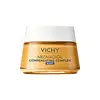
This anti-aging night moisturizer is formulated around Niacinamide and Capryloyl Salicylic Acid to soften the look of wrinkles and balance excess oil.
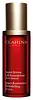
This anti-aging serum is formulated around Caffeine to soften the look of wrinkles.

What's inside
What's inside
 Key Ingredients
Benefits
Concerns
Ingredients Side-by-side
Water
Skin ConditioningAlcohol Denat.
Antimicrobial




Glycerin
Humectant


Prunus Armeniaca Kernel Oil
Masking


Niacinamide
Smoothing









Dimethicone
Emollient
Hydroxypropyl Tetrahydropyrantriol
Skin ConditioningPropanediol
Solvent
Propylene Glycol
Humectant
Isononyl Isononanoate
EmollientZea Mays Starch
Absorbent
Silica Silylate
Emollient
Poloxamer 338
EmulsifyingHydroxyethylpiperazine Ethane Sulfonic Acid
BufferingOctyldodecanol
Emollient
Dimethiconol
Emollient
Caffeine
Skin Conditioning
Sodium Acrylates Crosspolymer-2
AbsorbentSodium Hyaluronate
Humectant
Silica
Abrasive
Perlite
Absorbent
Adenosine
Skin Conditioning
Ammonium Polyacryloyldimethyl Taurate
Emulsion StabilisingAmmonium Acryloyldimethyltaurate/Steareth-25 Methacrylate Crosspolymer
Emulsion StabilisingCaprylyl Glycol
Emollient
Capryloyl Salicylic Acid
Exfoliating
Laureth-7
EmulsifyingCitric Acid
Buffering
Cassia Angustifolia Seed Polysaccharide
Skin ConditioningTrisodium Ethylenediamine Disuccinate
Menthoxypropanediol
Masking
Pentaerythrityl Tetra-Di-T-Butyl Hydroxyhydrocinnamate
Antioxidant
Polyacrylamide
C13-14 Isoparaffin
Emollient
Parfum
Masking

Water, Alcohol Denat., Glycerin, Prunus Armeniaca Kernel Oil, Niacinamide, Dimethicone, Hydroxypropyl Tetrahydropyrantriol, Propanediol, Propylene Glycol, Isononyl Isononanoate, Zea Mays Starch, Silica Silylate, Poloxamer 338, Hydroxyethylpiperazine Ethane Sulfonic Acid, Octyldodecanol, Dimethiconol, Caffeine, Sodium Acrylates Crosspolymer-2, Sodium Hyaluronate, Silica, Perlite, Adenosine, Ammonium Polyacryloyldimethyl Taurate, Ammonium Acryloyldimethyltaurate/Steareth-25 Methacrylate Crosspolymer, Caprylyl Glycol, Capryloyl Salicylic Acid, Laureth-7, Citric Acid, Cassia Angustifolia Seed Polysaccharide, Trisodium Ethylenediamine Disuccinate, Menthoxypropanediol, Pentaerythrityl Tetra-Di-T-Butyl Hydroxyhydrocinnamate, Polyacrylamide, C13-14 Isoparaffin, Parfum
Acrylates/C10-30 Alkyl Acrylate Crosspolymer
Emulsion StabilisingAlpha-Isomethyl Ionone
Perfuming
Water
Skin ConditioningBuddleja Officinalis Leaf Extract
Skin ConditioningButylene Glycol
Humectant
Butylphenyl Methylpropional
Perfuming
C12-15 Alkyl Benzoate
AntimicrobialC13-14 Isoparaffin
Emollient
Caffeine
Skin Conditioning
Caprylic/Capric Triglyceride
Masking
Caprylyl Glycol
Emollient
Carum Petroselinum Extract
Skin ConditioningCetearyl Ethylhexanoate
Emollient
CI 14700
Cosmetic ColorantCitric Acid
Buffering
Citronellol
Perfuming
Dimethicone
Emollient
Diospyros Kaki Fruit Extract
Skin ConditioningDipsacus Sylvestris Extract
Skin ConditioningDisodium EDTA
Ethylhexylglycerin
Skin ConditioningGlycerin
Humectant
Hexyl Cinnamal
Perfuming
Hydrolyzed Linseed Extract
Skin ConditioningHydroxyethylcellulose
Emulsion StabilisingIsononyl Isononanoate
EmollientLaureth-7
EmulsifyingLinalool
Perfuming
Parfum
Masking
PEG-8
HumectantPEG-20 Methyl Glucose Sesquistearate
Emulsifying
Pelvetia Canaliculata Extract
Skin Protecting
Phenoxyethanol
Preservative
Polyacrylamide
Potassium Sorbate
Preservative
Pueraria Lobata Root Extract
HumectantRosmarinus Officinalis Leaf Extract
AntimicrobialSiloxanetriol Alginate
Skin ConditioningSolanum Lycopersicum Fruit Extract
Antioxidant
Sodium Citrate
BufferingSodium Polyacrylate
Absorbent
Sorbic Acid
Preservative
Stearyl Heptanoate
Emollient
Thymus Vulgaris Flower/Leaf/Stem Extract
Skin ConditioningTocopherol
Antioxidant
Tocopheryl Acetate
Antioxidant
Tromethamine
BufferingAcrylates/C10-30 Alkyl Acrylate Crosspolymer, Alpha-Isomethyl Ionone, Water, Buddleja Officinalis Leaf Extract, Butylene Glycol, Butylphenyl Methylpropional, C12-15 Alkyl Benzoate, C13-14 Isoparaffin, Caffeine, Caprylic/Capric Triglyceride, Caprylyl Glycol, Carum Petroselinum Extract, Cetearyl Ethylhexanoate, CI 14700, Citric Acid, Citronellol, Dimethicone, Diospyros Kaki Fruit Extract, Dipsacus Sylvestris Extract, Disodium EDTA, Ethylhexylglycerin, Glycerin, Hexyl Cinnamal, Hydrolyzed Linseed Extract, Hydroxyethylcellulose, Isononyl Isononanoate, Laureth-7, Linalool, Parfum, PEG-8, PEG-20 Methyl Glucose Sesquistearate, Pelvetia Canaliculata Extract, Phenoxyethanol, Polyacrylamide, Potassium Sorbate, Pueraria Lobata Root Extract, Rosmarinus Officinalis Leaf Extract, Siloxanetriol Alginate, Solanum Lycopersicum Fruit Extract, Sodium Citrate, Sodium Polyacrylate, Sorbic Acid, Stearyl Heptanoate, Thymus Vulgaris Flower/Leaf/Stem Extract, Tocopherol, Tocopheryl Acetate, Tromethamine
Ingredients Explained
These ingredients are found in both products.
Ingredients higher up in an ingredient list are typically present in a larger amount.
C13-14 Isoparaffin is a synthetic emollient, solvent, and thickening agent. It helps soften skin and improves spreadability without leaving a greasy residue.
This ingredient has been found to be non-sensitizing and safe for use in cosmetics.
Two things floating around online that cause fear-mongering:
There's one scary-sounding study related to kidney tumors in male rats; this depends on a protein called alpha-2u-globulin that binds the ingredient and clogs up kidney cells. Female rats barely make this protein, and humans don't make it at all so this effect cannot happen to us. Regulatory bodies have states this rat-only pathway shouldn't be used to judge human risk.
The other thing you'll see is 1,4-dioxane being a trace byproduct that can form during manufacturing of petroleum-derived ingredients. This is a real, but heavily managed/monitored issue. This byproduct is removed through purification steps before the ingredients goes into the formula. Regulatory bodies also actively monitor residual levels for safety.
One last thing to note: this ingredient is a pure hydrocarbon with no fatty-acid or ester chains for Malassezia to feed on, so it's considered fungal acne safe.
Learn more about C13-14 IsoparaffinCaffeine is a naturally occurring plant compound found in coffee beans, tea leaves, cocoa pods, and guarana.
As an antioxidant, caffeine protects your skin from free radical damage caused by UV exposure and envionrmnetal stressors.
Early research also shows that caffeine can help calm redness, soothe irritated skin, and support hair growth by stimulating microcirculation in the scalp.
You might have seen eye creams marketing caffeine as a depuffing ingredient. This is because it is a vasoconstrictor meaning it can temporarily constrict blood vessels, though clinical evidence for this specific use is still limited.
Most skincare products contain this ingredient at concentrations between 1-6%. It is able to penetrate skin easily regardless of skin type or thickness.
Just so you know, a very small number of case reports describe caffeine-induced allergy. This ingredient is generally well-tolerated, non-irritating, and non-sensitizing for the majority of people.
Learn more about CaffeineCaprylyl Glycol is a humectant, skin conditioner, emollient, and preservative booster derived from either caprylic acid or synthetically created.
Typical use levels vary from 0.3-1% as a preservative booster and go up to 2% to condition skin.
Because it is not a free-fatty acid, this ingredient is fungal acne safe (there's nothing for Malassezia to feed on).
Learn more about Caprylyl GlycolCitric Acid is an alpha hydroxy acid (AHA) naturally found in citrus fruits like oranges, lemons, and limes.
Like other AHAs, citric acid can exfoliate skin by breaking down the bonds that hold dead skin cells together. This helps reveal smoother and brighter skin underneath.
However, this exfoliating effect only happens at high concentrations (20%) which can be hard to find in cosmetic products.
Due to this, citric acid is usually included in small amounts as a pH adjuster. This helps keep products slightly more acidic and compatible with skin's natural pH.
In skincare formulas, citric acid can:
While it can provide some skin benefits, research shows lactic acid and glycolic acid are generally more effective and less irritating exfoliants.
Most citric acid used in skincare today is made by fermenting sugars (usually from molasses). This synthetic version is identical to the natural citrus form but easier to stabilize and use in formulations.
Rosacea skin has a lower threshold for acids generally, with 62.5% of rosacea subjects in one study reacting to lactic acid in a sting test. This is why we mark citric acid as a potential rosacea trigger.
However, this ingredient shows up as a pH adjuster or chelator at roughly 0.1-1% in many products. These low levels are unlikely to be an issue for rosacea skin and becomes a potential trigger at exfoliating concentrations (20%). Because everybody's skin is unique, we recommend a patch test if you are unsure.
Learn more about Citric AcidDimethicone is a type of synthetic silicone created from natural materials such as quartz. It is also known as polydimethylsiloxane.
What it does:
Dimethicone comes in different viscosities:
Depending on the viscosity, dimethicone has different properties.
Ingredients lists don't always show which type is used, so we recommend reaching out to the brand if you have questions about the viscosity.
This ingredient is unlikely to cause irritation because it does not get absorbed into skin. However, people with silicone allergies should be careful about using this ingredient.
Note: Dimethicone may contribute to pilling. This is because it is not oil or water soluble, so pilling may occur when layered with products. When mixed with heavy oils in a formula, the outcome is also quite greasy.
Learn more about DimethiconeGlycerin (or glycerol) is a compound naturally found in your skin. It's a powerhouse humectant that pulls water into the stratum corneum.
Topically, glycerin does several things at once:
Your skin makes glycerin on its own (mostly from sebaceous oil breakdown) and shuttles it to your outermost layer of skin, or your epidermis, via aquaporin-3.
Aquaporin-3 is a transporter that is essential for normal skin hydration, elasticity, and repair. Interestingly, mice lacking in AQP3 have dry and less elastic skin that can be fully corrected with glycerin.
This ingredient is non-irritating, plays well with almost every ingredient, and works across all skin types. Typical use is anywhere between 3-10% but can go up to 79% in some leave-on products.
Just know very high concentrations (>40%) can feel tacky in low humidity.
Glycerin is the name for this ingredient in American English. British English uses Glycerol/Glycerine.
Learn more about GlycerinIsononyl Isononanoate is a synthetic skin-conditioner and texture enhancer. It is created from nonanoic acid, a fatty acid found in cocoa and lavender oil.
As an emollient, Isononyl Isononanoate helps keep your skin soft and smooth. This is because emollients create a barrier on the skin to trap moisture in.
Isononyl Isononanoate helps give products a velvet feel and improves spreadability.
Learn more about Isononyl IsononanoateLaureth-7 is created by the ethoxylation of lauryl alcohol using ethylene oxide. Lauryl alcohol is a fatty alcohol with hydrating properties.
This ingredient is an emulsifier and cleansing ingredient. As an emulsifier, it is used to prevent ingredients from separating. It also helps cleanse the skin by gathering dirt, oil, and pollutants to be rinsed away.
Parfum is a catch-all term for an ingredient or more that is used to give a scent to products.
Also called "fragrance", this ingredient can be a blend of hundreds of chemicals or plant oils. This means every product with "fragrance" or "parfum" in the ingredients list is a different mixture.
For instance, Habanolide is a proprietary trade name for a specific aroma chemical. When used as a fragrance ingredient in cosmetics, most aroma chemicals fall under the broad labeling category of “FRAGRANCE” or “PARFUM” according to EU and US regulations.
The term 'parfum' or 'fragrance' is not regulated in many countries. In many cases, it is up to the brand to define this term.
For instance, many brands choose to label themselves as "fragrance-free" because they are not using synthetic fragrances. However, their products may still contain ingredients such as essential oils that are considered a fragrance by INCI standards.
One example is Calendula flower extract. Calendula is an essential oil that still imparts a scent or 'fragrance'.
Depending on the blend, the ingredients in the mixture can cause allergies and sensitivities on the skin. Some ingredients that are known EU allergens include linalool and citronellol.
Parfum can also be used to mask or cover an unpleasant scent.
The bottom line is: not all fragrances/parfum/ingredients are created equally. If you are worried about fragrances, we recommend taking a closer look at an ingredient. And of course, we always recommend speaking with a professional.
Learn more about ParfumPolyacrylamide is a synthetic polymer. It is used to stabilize products and bind ingredients. When hydrated, Polyacrylamide forms a soft gel.
Polyacrylamide is low-toxicity. If source properly, it is deemed safe to use in cosmetics.
It should be noted the precursor to Polyacrylamide is acrylamide. Acrylamide is a carcinogen. Most reputable sources of Polyacrylamide will screen for residual acrylamide to make sure the count is in a safe range. Acrylamide is not able to be absorbed through the skin.
We recommend speaking with a professional if you have concerns.
Learn more about PolyacrylamideWater. It's the most common cosmetic ingredient of all. You'll usually see it at the top of ingredient lists, meaning that it makes up the largest part of the product.
So why is it so popular? Water most often acts as a solvent - this means that it helps dissolve other ingredients into the formulation.
You'll also recognize water as that liquid we all need to stay alive. If you see this, drink a glass of water. Remember to stay hydrated!
Learn more about Water

