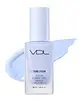
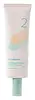
VDL Cosmetics Tone Stain Color Correcting Primer Versus Numbuzin No.2 Goodbye Redness Derma Tone Up SPF 50+

What's inside
What's inside
 Key Ingredients
Benefits
Concerns
Ingredients Side-by-side
Water
Skin ConditioningMethyl Trimethicone
Skin Conditioning
Dimethicone
Emollient
Ethylhexyl Methoxycinnamate
UV Absorber


Caprylyl Methicone
Skin Conditioning
Glycerin
Humectant

Dipropylene Glycol
HumectantNeopentyl Glycol Dicaprate
EmollientNiacinamide
Smoothing









PEG-10 Dimethicone
Skin Conditioning
Phenyl Trimethicone
Skin Conditioning
Lauryl PEG-9 Polydimethylsiloxyethyl Dimethicone
Skin Conditioning
Disteardimonium Hectorite
StabilisingDimethicone/Vinyl Dimethicone Crosspolymer
Skin Conditioning
Panthenol
Skin Conditioning
Titanium Dioxide
Cosmetic Colorant
1,2-Hexanediol
Skin Conditioning
Magnesium Sulfate
Isododecane
EmollientSorbitan Sesquiisostearate
Emulsifying

Dimethicone/PEG-10/15 Crosspolymer
Nylon-12
Acrylates/Polytrimethylsiloxymethacrylate Copolymer
Skin ConditioningTalc
Abrasive
Aluminum Hydroxide
EmollientDistearyldimonium Chloride
Parfum
Masking


Stearic Acid
Cleansing
Palmitic Acid
Emollient
Palmitoyl Proline
Skin ConditioningAdenosine
Skin Conditioning
Biosaccharide Gum-1
Humectant
Magnesium Palmitoyl Glutamate
Skin ConditioningSodium Palmitoyl Sarcosinate
CleansingSodium Citrate
BufferingEthylhexylglycerin
Skin ConditioningTocopherol
Antioxidant

Butylene Glycol
Humectant
Glycine
Buffering
Serine
Masking
Glutamic Acid
Humectant
Aspartic Acid
Masking
Leucine
Skin ConditioningAlanine
Masking
Lysine
Skin ConditioningArginine
Masking
Tyrosine
MaskingPhenylalanine
Masking
Proline
Skin Conditioning
Threonine
Valine
MaskingIsoleucine
Skin ConditioningHistidine
Humectant
Cysteine
Antioxidant
Methionine
Skin ConditioningBenzyl Benzoate
Antimicrobial
Citronellol
Perfuming
Limonene
Perfuming
Alpha-Isomethyl Ionone
Perfuming
Hexyl Cinnamal
Perfuming
Hydroxycitronellal
Perfuming
CI 77891
Cosmetic ColorantUltramarines
Water, Methyl Trimethicone, Dimethicone, Ethylhexyl Methoxycinnamate, Caprylyl Methicone, Glycerin, Dipropylene Glycol, Neopentyl Glycol Dicaprate, Niacinamide, PEG-10 Dimethicone, Phenyl Trimethicone, Lauryl PEG-9 Polydimethylsiloxyethyl Dimethicone, Disteardimonium Hectorite, Dimethicone/Vinyl Dimethicone Crosspolymer, Panthenol, Titanium Dioxide, 1,2-Hexanediol, Magnesium Sulfate, Isododecane, Sorbitan Sesquiisostearate, Dimethicone/PEG-10/15 Crosspolymer, Nylon-12, Acrylates/Polytrimethylsiloxymethacrylate Copolymer, Talc, Aluminum Hydroxide, Distearyldimonium Chloride, Parfum, Stearic Acid, Palmitic Acid, Palmitoyl Proline, Adenosine, Biosaccharide Gum-1, Magnesium Palmitoyl Glutamate, Sodium Palmitoyl Sarcosinate, Sodium Citrate, Ethylhexylglycerin, Tocopherol, Butylene Glycol, Glycine, Serine, Glutamic Acid, Aspartic Acid, Leucine, Alanine, Lysine, Arginine, Tyrosine, Phenylalanine, Proline, Threonine, Valine, Isoleucine, Histidine, Cysteine, Methionine, Benzyl Benzoate, Citronellol, Limonene, Alpha-Isomethyl Ionone, Hexyl Cinnamal, Hydroxycitronellal, CI 77891, Ultramarines
Water
Skin ConditioningCyclopentasiloxane
Emollient
CI 77891
Cosmetic ColorantEthylhexyl Methoxycinnamate
UV Absorber
Dimethicone
Emollient
Zinc Oxide
Cosmetic Colorant
Ethylhexyl Salicylate
UV Absorber
Glycerin
Humectant
Trimethylsiloxysilicate
Emollient
Caprylyl Methicone
Skin Conditioning
PEG-10 Dimethicone
Skin Conditioning
Butylene Glycol
Humectant
Polyphenylsilsesquioxane
Dicaprylyl Carbonate
EmollientPentylene Glycol
Skin Conditioning
1,2-Hexanediol
Skin Conditioning
Fusidium Coccineum Ferment Filtrate
Skin ConditioningCandida Bombicola/Glucose/Methyl Rapeseedate Ferment
AntimicrobialCentella Asiatica Extract
Cleansing
Artemisia Capillaris Extract
Melaleuca Alternifolia Leaf Extract
Perfuming
Morinda Citrifolia Extract
AstringentHelianthus Annuus Seed Oil
Emollient
Centella Asiatica Leaf Extract
Skin Conditioning
Houttuynia Cordata Extract
Skin Conditioning
Dipropylene Glycol
HumectantAsiaticoside
Antioxidant
Asiatic Acid
Skin Conditioning
Madecassic Acid
Skin Conditioning
Madecassoside
Antioxidant
Tocopherol
Antioxidant
Chlorella Vulgaris Extract
Skin ConditioningDisteardimonium Hectorite
StabilisingPolybutene
Polyhydroxystearic Acid
Emulsifying
Acrylates/Dimethicone Copolymer
Skin Conditioning
Dimethicone/Vinyl Dimethicone Crosspolymer
Skin Conditioning
Tribehenin
Emollient
Caprylic/Capric/Myristic/Stearic Triglyceride
EmollientGlyceryl Tribehenate/Isostearate/Eicosandioate
Emollient
Magnesium Sulfate
Aluminum Hydroxide
EmollientHydrogenated Coco-Glycerides
Emollient
Stearic Acid
Cleansing
Glucose
Humectant
Ethylcellulose
Fructooligosaccharides
Humectant
Fructose
Humectant
Vinyl Dimethicone/Methicone Silsesquioxane Crosspolymer
Triethoxycaprylylsilane
Ethylhexylglycerin
Skin ConditioningTrisodium Ethylenediamine Disuccinate
ChelatingHydrogenated Castor Oil Isostearate
Skin Conditioning
Propanediol
Solvent
Polyvinyl Alcohol
Mica
Cosmetic ColorantCI 77491
Cosmetic ColorantCI 77288
Cosmetic ColorantCI 77492
Cosmetic ColorantCI 77499
Cosmetic ColorantCetyl PEG/PPG-10/1 Dimethicone
Emulsifying
Water, Cyclopentasiloxane, CI 77891, Ethylhexyl Methoxycinnamate, Dimethicone, Zinc Oxide, Ethylhexyl Salicylate, Glycerin, Trimethylsiloxysilicate, Caprylyl Methicone, PEG-10 Dimethicone, Butylene Glycol, Polyphenylsilsesquioxane, Dicaprylyl Carbonate, Pentylene Glycol, 1,2-Hexanediol, Fusidium Coccineum Ferment Filtrate, Candida Bombicola/Glucose/Methyl Rapeseedate Ferment, Centella Asiatica Extract, Artemisia Capillaris Extract, Melaleuca Alternifolia Leaf Extract, Morinda Citrifolia Extract, Helianthus Annuus Seed Oil, Centella Asiatica Leaf Extract, Houttuynia Cordata Extract, Dipropylene Glycol, Asiaticoside, Asiatic Acid, Madecassic Acid, Madecassoside, Tocopherol, Chlorella Vulgaris Extract, Disteardimonium Hectorite, Polybutene, Polyhydroxystearic Acid, Acrylates/Dimethicone Copolymer, Dimethicone/Vinyl Dimethicone Crosspolymer, Tribehenin, Caprylic/Capric/Myristic/Stearic Triglyceride, Glyceryl Tribehenate/Isostearate/Eicosandioate, Magnesium Sulfate, Aluminum Hydroxide, Hydrogenated Coco-Glycerides, Stearic Acid, Glucose, Ethylcellulose, Fructooligosaccharides, Fructose, Vinyl Dimethicone/Methicone Silsesquioxane Crosspolymer, Triethoxycaprylylsilane, Ethylhexylglycerin, Trisodium Ethylenediamine Disuccinate, Hydrogenated Castor Oil Isostearate, Propanediol, Polyvinyl Alcohol, Mica, CI 77491, CI 77288, CI 77492, CI 77499, Cetyl PEG/PPG-10/1 Dimethicone
Ingredients Explained
These ingredients are found in both products.
Ingredients higher up in an ingredient list are typically present in a larger amount.
1,2-Hexanediol is a synthetic liquid and another multi-functional powerhouse.
It is a:
- Humectant, drawing moisture into the skin
- Emollient, helping to soften skin
- Solvent, dispersing and stabilizing formulas
- Preservative booster, enhancing the antimicrobial activity of other preservatives
Aluminum Hydroxide is a form of aluminum. It can be naturally found in nature as the mineral gibbsite. In cosmetics, Aluminum Hydroxide is used as a colorant, pH adjuster, and absorbent.
As a colorant, Aluminum Hydroxide may add opacity, or reduce the transparency. Aluminum hydroxide is contains both basic and acidic properties.
According to manufacturers, this ingredient is an emollient and humectant. This means it helps hydrate the skin.
In medicine, this ingredient is used to help relieve heartburn and help heal ulcers.
There is currently no credible scientific evidence linking aluminum hydroxide in cosmetics to increased cancer risk.
Major health organizations allow the use of aluminum hydroxide in personal care products and have not flagged it as a carcinogenic risk at typical usage levels.
Learn more about Aluminum HydroxideButylene Glycol (or BG) is used within cosmetic products for a few different reasons:
Overall, Butylene Glycol is a safe and well-rounded ingredient that works well with other ingredients.
Though this ingredient works well with most skin types, some people with sensitive skin may experience a reaction such as allergic rashes, closed comedones, or itchiness.
Learn more about Butylene GlycolCaprylyl Methicone is a synthetic and lightweight silicone fluid. It gives products a silky, dry-touch finish without the heaviness of pure oils.
Though the EU CosIng Database lists this ingredient as a skin conditioner, it is also used for sensory reasons. It spreads easily, cuts greasiness, and reduces tackiness.
This ingredient is volatile which means it will mostly evaporate (but it evaporates slower than older cyclomethicones, like Cyclotetrasiloxane).
Typical concentration ranges from 1-30% depending on if it's being used to tweak the feel of a product or acting as the main emollient.
Learn more about Caprylyl MethiconeCi 77891 is a white pigment from Titanium dioxide. It is naturally found in minerals such as rutile and ilmenite.
It's main function is to add a white color to cosmetics. It can also be mixed with other colors to create different shades.
Ci 77891 is commonly found in sunscreens due to its ability to block UV rays.
Learn more about CI 77891Dimethicone is a type of synthetic silicone created from natural materials such as quartz. It is also known as polydimethylsiloxane.
What it does:
Dimethicone comes in different viscosities:
Depending on the viscosity, dimethicone has different properties.
Ingredients lists don't always show which type is used, so we recommend reaching out to the brand if you have questions about the viscosity.
This ingredient is unlikely to cause irritation because it does not get absorbed into skin. However, people with silicone allergies should be careful about using this ingredient.
Note: Dimethicone may contribute to pilling. This is because it is not oil or water soluble, so pilling may occur when layered with products. When mixed with heavy oils in a formula, the outcome is also quite greasy.
Learn more about DimethiconeThis ingredient is a silicone elastomer that works as a texture enhancer, adds a silky slip, and also helps absorb excess oil.
Because it's a large macromolecule that's insoluble in water and chemically inert, it's not expected to penetrate or be absorbed into skin.
Human patch tests with a facial lotion containing 1% of this ingredient found no sensitization.
Learn more about Dimethicone/Vinyl Dimethicone CrosspolymerDipropylene Glycol is a synthetically created humectant, stabilizer, and solvent.
This ingredient helps:
Dipropylene glycol is technically an alcohol, but it belongs to the glycol family (often considered part of the ‘good’ alcohols). This means it is hydrating and gentle on skin unlike drying solvent alcohols like denatured alcohol.
As a masking agent, Dipropylene Glycol can be used to cover the smell of other ingredients. However, it does not have a scent.
Studies show Dipropylene Glycol is considered safe to use in skincare.
Learn more about Dipropylene GlycolDisteardimonium Hectorite comes from the clay mineral named hectorite. It is used to add thickness to a product.
It can also help stabilize a product by helping to disperse other ingredients.
Hectorite is a rare, white clay mineral.
Learn more about Disteardimonium HectoriteThis ingredient is also known as Octinoxate and is one of the oldest and most widely used chemical UV filters in skincare.
It has a simple job: soap up UVB radiation (290-320 nm), the wavelengths responsible for sunburn and a big chunk of long-term sun damage.
In formulas, it's always paired with a separate UVA filter because octinoxate solely protects skin from UVB.
Because it's an oil-soluble liquid, it's easy to blend into the oil phase of lotions/creams and gives a cosmetically elegant feel.
The one quirk about formulating this ingredient is photostability; the molecule slowly changes shape into a less effective version when sunlight hits it. So the longer you're in the sun, the weaker its protection gets. The drop can be more than 30% in some formulas.
It also doesn't play nice with Avobenzone (the common UVA filter) since avobenzone destabilizes octinoxate and the two degrade each other. But don't worry: brands have solved this issue by adding photostabilizers like Tinosorb S to prevent degradation and keep SPF stable under heavy UV exposure.
The maximum allowed level is 10% in the EU and Australia, 7.5% in the US and Canada, and 20% in Japan.
The Cosmetic Ingredient Review Panel has concluded this ingredient to be safe in cosmetics up to 10%.
One last thing worth knowing for context:
Octinoxate has been the subject of ongoing review in Europe where the Scientific Committee on Consumer Safety's (SCCS) 2025 final opinion is that this ingredient is an endocrine-active substance.
Lab and animal studies suggest it can act a bit like a hormone in the body (mildly mimicking estrogen and slightly blocking male hormones). It's important to know this hasn't really been shown to happen in everyday human use.
This ingredient is also banned in Hawaii over coral reef concerns.
Learn more about Ethylhexyl MethoxycinnamateEthylhexylglycerin is created from glycerin. It is a multitasker ingredient that:
The CIR Expert Panel found minimal skin absorption or sensitization of any kind in a safety assessment. Though this ingredient is considered well-tolerated, a small number of cases of allergic dermatitis have been published since 2002. Just be sure to patch test if you are unsure.
Industry-reported use ranges from 8% in rinse-off products and 2% in leave-on formulations.
Learn more about EthylhexylglycerinGlycerin (or glycerol) is a compound naturally found in your skin. It's a powerhouse humectant that pulls water into the stratum corneum.
Topically, glycerin does several things at once:
Your skin makes glycerin on its own (mostly from sebaceous oil breakdown) and shuttles it to your outermost layer of skin, or your epidermis, via aquaporin-3.
Aquaporin-3 is a transporter that is essential for normal skin hydration, elasticity, and repair. Interestingly, mice lacking in AQP3 have dry and less elastic skin that can be fully corrected with glycerin.
This ingredient is non-irritating, plays well with almost every ingredient, and works across all skin types. Typical use is anywhere between 3-10% but can go up to 79% in some leave-on products.
Just know very high concentrations (>40%) can feel tacky in low humidity.
Glycerin is the name for this ingredient in American English. British English uses Glycerol/Glycerine.
Learn more about GlycerinMagnesium Sulfate is a salt. More specifically, it is an epsom salt, or the bath salt used to help relieve muscle aches.
Despite having ‘sulfate’ in the name, it isn’t a surfactant or cleansing agent like sodium lauryl sulfate. Unlike those sulfates, magnesium sulfate doesn’t have the same cleansing or foaming properties (it's simply a type of salt).
In cosmetics, Magnesium Sulfate is used to thicken a product or help dilute other solids. It is a non-reactive and non-irritating ingredient.
One study shows magnesium deficiency may lead to inflammation of the skin. Applying magnesium topically may help reduce inflammation.
You can find this ingredient in sea water or mineral deposits.
Learn more about Magnesium SulfatePeg-10 Dimethicone is silicone with conditioner and emulsifier properties. It mostly acts as an emollient in skincare and and humectant in haircare.
According to the manufacturer, acidic formulations decrease the stability of this ingredient. It works best in neutral or near neutral formulations.
Stearic Acid is a fatty acid that is already found in your skin. It's one of the free fatty acids that works alongside ceramides and cholesterols to maintain your barrier.
In cosmetics, it is a multitasker:
Safety-wise, the CIR Expert Panel has concluded it to be safe in cosmetics when formulated to be non-irritating and non-sensitizing.
Free stearic acid is a C18 fatty acid that the Malassezia yeast can substrate, so this ingredient may not be fungal acne safe.
This ingredient does have a comedogenic rating of 2-3, but this doesn't mean a formula with this ingredient will clog pores.
Human testing has proved that any finished product with this ingredient won't automatically make you break out; it really comes down to concentration, formula, and your skin.
Learn more about Stearic AcidTocopherol is a fat-soluble antioxidant known as Vitamin E.
You'll find this ingredient in the vast majority of skincare (for good reason). It works to neutralize free radicals, or unstable molecules generated by UV exposure, pollution, and other environmental stressors, before they can cause oxidative damage to your skin cells.
Topically applied tocopherol has been shown to protect against UV damage by ramping up the skin's own natural defense enzymes.
It also acts as a skin conditioning agent; some studies show that regular topical use can improve the skin's water-binding capacity over 2-4 weeks.
This ingredient is especially loved for being a team player. When combined with Vitamin C, the photoprotective effect of both ingredients roughly doubles and the combo also helps reduce UV-induced DNA damage.
This ingredient has some brightening potential but it's more of a prevention ingredient than spot-fader. Cell studies show it can slow down melanin production but it's worth noting that it's not the most powerful brightener out there.
In formulations, it also serves as a stabilizer that helps protect other oxidation-prone ingredients from degrading.
Concentrations usually range from 0.1-1% in most leave-on products.
Learn more about TocopherolWater. It's the most common cosmetic ingredient of all. You'll usually see it at the top of ingredient lists, meaning that it makes up the largest part of the product.
So why is it so popular? Water most often acts as a solvent - this means that it helps dissolve other ingredients into the formulation.
You'll also recognize water as that liquid we all need to stay alive. If you see this, drink a glass of water. Remember to stay hydrated!
Learn more about Water

