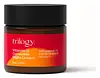
This brightening night moisturizer is formulated around Ubiquinone and Glycyrrhiza Glabra Root Extract to brighten dull-looking skin and strengthen the skin barrier.
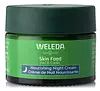
This barrier-repair night moisturizer is formulated around Helianthus Annuus Seed Oil and Butyrospermum Parkii Butter to strengthen the skin barrier and hydrate skin.


What's inside
What's inside
 Key Ingredients
Benefits
Concerns
Ingredients Side-by-side
Water
Skin ConditioningCoco-Caprylate
Emollient

Prunus Amygdalus Dulcis Oil
Skin Conditioning




Cetearyl Alcohol
Emollient

Cetearyl Olivate
Sorbitan Olivate
Emulsifying
Caprylic/Capric Triglyceride
Masking
Salvia Hispanica Seed Oil
Emollient
Theobroma Cacao Seed Butter
Emollient
Vaccinium Myrtillus Seed Oil
Skin Conditioning
Fragaria Vesca Seed Oil
Emollient
Punica Granatum Seed Oil
Emollient
Ubiquinone
Antioxidant

Glycyrrhiza Glabra Root Extract
Bleaching



Morus Alba Root Extract
BleachingCucumis Sativus Fruit Extract
Emollient
Chamomilla Recutita Flower Extract
Masking
Oenothera Biennis Oil
Emollient
Sodium Hyaluronate
Humectant
Tocopheryl Acetate
Antioxidant
Sclerocarya Birrea Seed Oil
Humectant
Olea Europaea Fruit Oil
Masking
Persea Gratissima Oil
Skin Conditioning
Aloe Barbadensis Leaf Extract
Emollient
Calendula Officinalis Flower Extract
Masking
Glycine Soja Oil
Emollient
Camellia Sinensis Leaf Extract
Antimicrobial

Sodium Stearoyl Glutamate
CleansingCitric Acid
Buffering
Sodium Hydroxide
BufferingDehydroacetic Acid
Preservative
Benzyl Alcohol
Perfuming



Parfum
Masking
Citronellol
Perfuming
Limonene
Perfuming
Eugenol
Perfuming
Farnesol
Perfuming
Geraniol
Perfuming
Linalool
Perfuming
Essential Oil Blend
Water, Coco-Caprylate, Prunus Amygdalus Dulcis Oil, Cetearyl Alcohol, Cetearyl Olivate, Sorbitan Olivate, Caprylic/Capric Triglyceride, Salvia Hispanica Seed Oil, Theobroma Cacao Seed Butter, Vaccinium Myrtillus Seed Oil, Fragaria Vesca Seed Oil, Punica Granatum Seed Oil, Ubiquinone, Glycyrrhiza Glabra Root Extract, Morus Alba Root Extract, Cucumis Sativus Fruit Extract, Chamomilla Recutita Flower Extract, Oenothera Biennis Oil, Sodium Hyaluronate, Tocopheryl Acetate, Sclerocarya Birrea Seed Oil, Olea Europaea Fruit Oil, Persea Gratissima Oil, Aloe Barbadensis Leaf Extract, Calendula Officinalis Flower Extract, Glycine Soja Oil, Camellia Sinensis Leaf Extract, Sodium Stearoyl Glutamate, Citric Acid, Sodium Hydroxide, Dehydroacetic Acid, Benzyl Alcohol, Parfum, Citronellol, Limonene, Eugenol, Farnesol, Geraniol, Linalool, Essential Oil Blend
Water
Skin ConditioningHelianthus Annuus Seed Oil
Emollient
Butyrospermum Parkii Butter
Skin Conditioning
Glycerin
Humectant
Behenyl Alcohol
Emollient
Isoamyl Laurate
Emollient
Squalane
Emollient
Pentylene Glycol
Skin Conditioning
Betaine
Humectant
Sucrose Polystearate
EmollientStearic Acid
Cleansing
Plukenetia Volubilis Seed Oil
Emollient
Viola Tricolor Extract
EmollientRosmarinus Officinalis Leaf Extract
AntimicrobialChamomilla Recutita Flower Extract
Masking
Centella Asiatica Flower/Leaf/Stem Extract
Skin Conditioning
Calendula Officinalis Flower Extract
Masking
Alcohol
Antimicrobial
Hectorite
AbsorbentAcacia Senegal Gum
MaskingLactic Acid
Buffering
Xanthan Gum
EmulsifyingTocopherol
Antioxidant
Palmitic Acid
Emollient
Glyceryl Caprylate
EmollientCetyl Palmitate
Emollient
Sodium Stearoyl Glutamate
CleansingLimonene
Perfuming
Linalool
Perfuming
Benzyl Benzoate
Antimicrobial
Geraniol
Perfuming
Citral
Perfuming
Water, Helianthus Annuus Seed Oil, Butyrospermum Parkii Butter, Glycerin, Behenyl Alcohol, Isoamyl Laurate, Squalane, Pentylene Glycol, Betaine, Sucrose Polystearate, Stearic Acid, Plukenetia Volubilis Seed Oil, Viola Tricolor Extract, Rosmarinus Officinalis Leaf Extract, Chamomilla Recutita Flower Extract, Centella Asiatica Flower/Leaf/Stem Extract, Calendula Officinalis Flower Extract, Alcohol, Hectorite, Acacia Senegal Gum, Lactic Acid, Xanthan Gum, Tocopherol, Palmitic Acid, Glyceryl Caprylate, Cetyl Palmitate, Sodium Stearoyl Glutamate, Limonene, Linalool, Benzyl Benzoate, Geraniol, Citral
Reviews
Ingredients Explained
These ingredients are found in both products.
Ingredients higher up in an ingredient list are typically present in a larger amount.
Calendula Officinalis Flower Extract comes from the marigold flower and has been used on skin for centuries for its calming effect.
In the lab, its active compounds appear to calm inflammation and support the early "healing" phase of minor wounds.
This is why Europe's medicines regulator has approved calendula extracts as a traditional remedy for minor skin inflammation and healing small wounds.
The stronger human evidence is around would/ulcer care rather than everyday cosmetic claims; a review that pulled together 14 studies found that calendula helped calm the early, inflamed stage of a wound and helped new skin tissue form faster.
Two studies also showed it shrank leg ulcers (the kind caused by poor circulation). Results were mixed for burns and for the skin irritation people get from radiation treatment, so it's not a sure thing there.
In cosmetics, it's mostly a skin conditioning and soothing agent.
The Cosmetic Ingredient Review panel concluded that calendula-derived ingredients are safe as used and that the ingredients are not irritating, sensitizing, or photosensitizing in clinical tests (though they may be mild eye irritants).
Typical use levels are quite low; industry data reported it used at under 0.5% (one supplier noted a 10-25% extract blend used at 1-10% in the finished product). Historical use goes up to 10%.
The only thing to keep in mind is if you have daisy/ragweed allergies. Calendula is in the same family and one patch-test study found 2% of dermatitis patients reacted to marigold. Be sure to patch test if you have sensitive or allergy-prone skin.
Learn more about Calendula Officinalis Flower ExtractChamomilla Recutita Flower Extract comes from the Chamomile flower.
Chamomile is rich in antioxidants and has anti-inflammatory properties. Several compounds found in chamomile help with soothing, such as bisbolol.
Antioxidant components in chamomile make it an effective ingredient to help slow the signs of aging. Antioxidants help fight free-radical molecules, or molecules that may damage your skin.
Essential oils from chamomile have been found to improve wound healing due to its antimicrobial properties.
Ancient Greeks and Egyptians used Chamomile to treat skin redness and dryness. Chamomile has also been used to help treat stomach issues.
Learn more about Chamomilla Recutita Flower ExtractGeraniol is used to add fragrance/parfum to a product. It is the main component of citronellol. It is a monoterpenoid and an alcohol.
Monoterpenes are naturally found in many parts of different plants.
Geraniol can be found in many essential oils including Rose Oil and Citronella Oil. The scent of Geraniol is often described as "rose-like". Many foods also contain Geraniol for fruit flavoring.
Geraniol can irritate the skin when exposed to air. However, irritation depends on the ability of geraniol to penetrate into the skin. In general, geraniol is not able to penetrate skin easily.
Geraniol is colorless and has low water-solubility. However, it is soluble in common organic solvents.
Like citronellol, it is a natural insect repellent.
2,6-Octadien-1-ol, 3,7-dimethyl-, (2E)-
Learn more about GeraniolLimonene is the compound that gives citrus peel its smell.
In skincare, it shows up as a standalone fragrance ingredient or as a natural compound of citrus and other essential oils.
You'll typically see this ingredient used in very small amounts; anything above 0.001% in a leave-on product or 0.01% in a rinse-off has to be named on the label in the EU. The citrus oils that carry it sit around 0.5-1% in a finished formula.
Fresh limonene is a weak allergen; the real issue is that it slowly reacts with air and then breaks down from oxidation to create hydroperoxides (which are strong sensitizers). This is why suppliers are required to keep the peroxide value below 20 mmol.
Positive reactions in people being investigated for eczema vary:
It's worth skipping if you have a known fragrance allergy or a compromised barrier, but the risk is low for most people.
Older or long-opened products are also more likely to bother you than fresh ones due to oxidation.
Learn more about LimoneneLinalool is a small, naturally occurring scent molecule found in plants like lavender, coriander, bergamot, and more.
It is one of the two most-used fragrance ingredients in cosmetics and added purely for smell. Since it's not used for a skin benefit, there's no "effective dose". Concentration depends on the fragrance load of the product.
The EU requires it to be named on the label above 0.001% in leave-on and 0.01% in rinse-off products.
Fresh linalool is a weak sensitizer but air exposure turns some of it into hydroperoxides, which are strong sensitizers. Those oxidation products are the actual allergy concern.
Patch-test clinics see positive reactions to linalool hydroperoxides in about 4% to 12% of dermatitis patients depending on country and test concentration.
Resassuringly, one analytical study found hydroperoxide levels in real fragranced products to be orders of magnitude below what induced sensitization in animal studies with no evidence of oxidation building up during normal storage.
The practical takeaway is that linalool is fine for most people but worth avoiding if you have a confirmed fragrance contact allergy or a badly compromised barrier.
Products stored a long time after opening are also the high-risk scenario since that is when oxidation happens.
The scent of linalool is described as floral, spicy tropical, and citrus-like.
Learn more about LinaloolSodium Stearoyl Glutamate is an amino-acid based emulsifier. It is made by combining stearic acid with L-glutamic acid and neutralizing it to a sodium salt.
As an emulsifier, it works mainly as an oil-in-water one and helps keep the oil and water in your formulas blended. It also contributes to a smooth, non-greasy skin feel.
This ingredient is biodegradable and commonly available in natural/COSMOS-certified grades.
Learn more about Sodium Stearoyl GlutamateWater. It's the most common cosmetic ingredient of all. You'll usually see it at the top of ingredient lists, meaning that it makes up the largest part of the product.
So why is it so popular? Water most often acts as a solvent - this means that it helps dissolve other ingredients into the formulation.
You'll also recognize water as that liquid we all need to stay alive. If you see this, drink a glass of water. Remember to stay hydrated!
Learn more about Water

