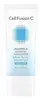
This chemical sunscreen covers most of the UV range, lighter on the deep UVA that drives aging.
This chemical sunscreen covers the full UV range and blocks ~98% of UVB at SPF 50.

What's inside
What's inside
 Key Ingredients
Benefits
Concerns
Ingredients Side-by-side
Water
Skin ConditioningHomosalate
Skin Conditioning

Octocrylene
UV Absorber

Butyloctyl Salicylate
Skin Conditioning
Ethylhexyl Salicylate
UV Absorber
Dipropylene Glycol
HumectantButyl Methoxydibenzoylmethane
UV Absorber
Panthenol
Skin Conditioning




Diethylhexyl 2,6-Naphthalate
EmollientC20-22 Alkyl Phosphate
EmulsifyingC20-22 Alcohols
Emulsion Stabilising
1,2-Hexanediol
Skin Conditioning
Silica
Abrasive


Caprylyl Methicone
Skin Conditioning
Pentylene Glycol
Skin Conditioning
Cetyl Alcohol
Emollient


Methyl Methacrylate Crosspolymer
Glyceryl Stearate
Emollient
Tromethamine
BufferingPolyacrylate Crosspolymer-6
Emulsion StabilisingAmmonium Acryloyldimethyltaurate/Vp Copolymer
Parfum
Masking

Ethylhexylglycerin
Skin ConditioningVp/Eicosene Copolymer
Centella Asiatica Extract
Cleansing

Water, Homosalate, Octocrylene, Butyloctyl Salicylate, Ethylhexyl Salicylate, Dipropylene Glycol, Butyl Methoxydibenzoylmethane, Panthenol, Diethylhexyl 2,6-Naphthalate, C20-22 Alkyl Phosphate, C20-22 Alcohols, 1,2-Hexanediol, Silica, Caprylyl Methicone, Pentylene Glycol, Cetyl Alcohol, Methyl Methacrylate Crosspolymer, Glyceryl Stearate, Tromethamine, Polyacrylate Crosspolymer-6, Ammonium Acryloyldimethyltaurate/Vp Copolymer, Parfum, Ethylhexylglycerin, Vp/Eicosene Copolymer, Centella Asiatica Extract
Water
Skin ConditioningDibutyl Adipate
EmollientAlcohol Denat.
Antimicrobial

Butyloctyl Salicylate
Skin Conditioning
Silica
Abrasive
Dipropylene Glycol
HumectantEthylhexyl Triazone
UV Absorber
Bis-Ethylhexyloxyphenol Methoxyphenyl Triazine
UV Absorber
Octocrylene
UV Absorber
Propanediol
Solvent
Niacinamide
Smoothing



Erythritol
Humectant
Terephthalylidene Dicamphor Sulfonic Acid
UV Absorber
Pentylene Glycol
Skin Conditioning
Methylpropanediol
SolventTromethamine
BufferingSphingomonas Ferment Extract
Skin Conditioning
Saccharomyces Ferment Filtrate
Humectant
Rosmarinus Officinalis Leaf Water
MaskingCentella Asiatica Extract
Cleansing
Tremella Fuciformis Extract
Humectant
Camellia Sinensis Leaf Extract
Antimicrobial
Mentha Rotundifolia Leaf Extract
TonicThymus Vulgaris Leaf Extract
Skin ProtectingSodium Hyaluronate
Humectant
Polymethylsilsesquioxane
1,2-Hexanediol
Skin Conditioning
Butylene Glycol
Humectant
Hydroxyethyl Urea
Humectant
Polyglyceryl-3 Methylglucose Distearate
Emulsifying
Stearyl Heptanoate
Emollient

Dimethiconol
Emollient
Poly C10-30 Alkyl Acrylate
Emulsion StabilisingMicrocrystalline Cellulose
AbsorbentPolyether-1
Ethylhexylglycerin
Skin ConditioningAdenosine
Skin Conditioning
Sodium Stearoyl Glutamate
CleansingMethyl Diisopropyl Propionamide
MaskingCellulose Gum
Emulsion StabilisingAlbatrellus Confluens Extract
Humectant
Tocopherol
Antioxidant
Glycerin
Humectant
Sodium Chloride
MaskingSodium Bicarbonate
Abrasive
Calcium Chloride
AstringentPotassium Chloride
Glycine
Buffering
Arginine
Masking
Glutamic Acid
Humectant
Behenyl Alcohol
Emollient
Carbomer
Emulsion StabilisingParfum
Masking
Water, Dibutyl Adipate, Alcohol Denat., Butyloctyl Salicylate, Silica, Dipropylene Glycol, Ethylhexyl Triazone, Bis-Ethylhexyloxyphenol Methoxyphenyl Triazine, Octocrylene, Propanediol, Niacinamide, Erythritol, Terephthalylidene Dicamphor Sulfonic Acid, Pentylene Glycol, Methylpropanediol, Tromethamine, Sphingomonas Ferment Extract, Saccharomyces Ferment Filtrate, Rosmarinus Officinalis Leaf Water, Centella Asiatica Extract, Tremella Fuciformis Extract, Camellia Sinensis Leaf Extract, Mentha Rotundifolia Leaf Extract, Thymus Vulgaris Leaf Extract, Sodium Hyaluronate, Polymethylsilsesquioxane, 1,2-Hexanediol, Butylene Glycol, Hydroxyethyl Urea, Polyglyceryl-3 Methylglucose Distearate, Stearyl Heptanoate, Dimethiconol, Poly C10-30 Alkyl Acrylate, Microcrystalline Cellulose, Polyether-1, Ethylhexylglycerin, Adenosine, Sodium Stearoyl Glutamate, Methyl Diisopropyl Propionamide, Cellulose Gum, Albatrellus Confluens Extract, Tocopherol, Glycerin, Sodium Chloride, Sodium Bicarbonate, Calcium Chloride, Potassium Chloride, Glycine, Arginine, Glutamic Acid, Behenyl Alcohol, Carbomer, Parfum
Reviews
Ingredients Explained
These ingredients are found in both products.
Ingredients higher up in an ingredient list are typically present in a larger amount.
1,2-Hexanediol is a synthetic liquid and another multi-functional powerhouse.
It is a:
- Humectant, drawing moisture into the skin
- Emollient, helping to soften skin
- Solvent, dispersing and stabilizing formulas
- Preservative booster, enhancing the antimicrobial activity of other preservatives
Butyloctyl Salicylate is a chemical UV filter structurally similar to octisalate. It is a photostabilizer, SPF booster, emollient and solvent. This ingredient helps evenly spread out ingredients.
According to a manufacturer, it is suitable for pairing with micro Titanium Dioxide, Zinc Oxide, and pigments.
Photostabilizers help stabilize UV-filters and prevents them from degrading quickly.
Learn more about Butyloctyl SalicylateCentella Asiatica Extract (Centella) is one of the most researched botanical extracts in skincare with decades of studies backing its effects on inflammation, collagen, and the skin barrier.
That research keeps pointing back to the same four triterpenoid saponins: Asiaticoside, Madecassoside, Asiatic Acid, and Madecassic Acid.
These compounds allow centella to dial back inflammation, encourage the skin to build and hold onto collagen, support the barrier and hydration, and bring solid antioxidant activity to protect against signs of aging.
Centella also carries a nice supporting cast of Vitamin A, vitamin C, several B vitamins, and amino acids. Put it all together and you get an ingredient that soothes, hydrates, and protects, all at once.
Most of centella's magic comes from the four big compounds (Asiaticoside, Madecassoside, Asiatic Acid, and Madecassic Acid). These are the actives doing the heavy lifting in almost every centella study.
Here is the short version of what they do in the skin:
So it is not just soothing for the sake of soothing. Centella calms the skin AND helps it rebuild.
Just FYI, not all centella on an ingredient list is the same. What you are getting actually depends on the extract:
Fun fact on the ratios: the leaves tend to be richest in Madecassoside and Asiaticoside, and lower in the two acids. The exact amounts shift with where the plant is grown and how it is processed. This means purity really does vary brand to brand.
Centella is one of the most easygoing actives out there.
It layers well with basically everything: niacinamide, hyaluronic acid, peptides, and vitamin C, and also pairs nicely with stronger actives like retinoids and exfoliating acids where it can help take the edge off irritation.
On the safety side, centella and its triterpenes are classified as weak sensitizers, meaning allergic reactions are possible but uncommon.
Patch tests at 1% and 5% came back negative in test panels, and creams at typical use levels did not cause allergic reactions across large groups of people.
But as with any new active, a patch test is still a smart move for very reactive skin.
Centella is widely used because it is effective at low percentages. For context, human safety testing found no meaningful irritation from creams containing centella extract at everyday use levels (the tested amounts were well under 1%).
The irritancy threshold in animal testing was also above 30% (so real-world formulas sit far below anything concerning).
In collagen lab studies, higher concentrations drove more collagen synthesis, so serums built around centella tend to feature it more prominently.
Bottom line: you will find centella working nicely anywhere from a fraction of a percent up to hero-ingredient levels depending on whether it is a supporting soother or the main event.
Fun fact: Centella has been used as a medicine and in food for many centuries. As a medicine, it is used to treat burns, scratches, and wounds.
Learn more about Centella Asiatica ExtractDipropylene Glycol is a synthetically created humectant, stabilizer, and solvent.
This ingredient helps:
Dipropylene glycol is technically an alcohol, but it belongs to the glycol family (often considered part of the ‘good’ alcohols). This means it is hydrating and gentle on skin unlike drying solvent alcohols like denatured alcohol.
As a masking agent, Dipropylene Glycol can be used to cover the smell of other ingredients. However, it does not have a scent.
Studies show Dipropylene Glycol is considered safe to use in skincare.
Learn more about Dipropylene GlycolEthylhexylglycerin is created from glycerin. It is a multitasker ingredient that:
The CIR Expert Panel found minimal skin absorption or sensitization of any kind in a safety assessment. Though this ingredient is considered well-tolerated, a small number of cases of allergic dermatitis have been published since 2002. Just be sure to patch test if you are unsure.
Industry-reported use ranges from 8% in rinse-off products and 2% in leave-on formulations.
Learn more about EthylhexylglycerinOctocrylene is an oil-soluble organic UV filter that mainly absorbs UVB and short wave UVA II light.
Its real superpower is teamwork: octocrylene is remarkably photostable and is most famous for stabilizing avobenzone (the workhorse UVA filter).
This ingredient is commonly used to enhance both UVB and UVA protection due to its unique property in stabilizing avobenzone. It also pulls double duty by boosting water resistance and giving formulas a smooth, spreadable feel.
The EU's Scientific Committee on Consumer Safety (SCCS) has deemed octocrylene to be safe as a UV-filter at concentrations up to 10% (capped at 9% in propellant sprays). The US also permits it up to 10%.
Two things worth knowing:
You'll usually see this ingredient used in concentrations between 2-10% (higher amounts when used as a stabilizer for avobenzone).
Learn more about OctocryleneParfum is a catch-all term for an ingredient or more that is used to give a scent to products.
Also called "fragrance", this ingredient can be a blend of hundreds of chemicals or plant oils. This means every product with "fragrance" or "parfum" in the ingredients list is a different mixture.
For instance, Habanolide is a proprietary trade name for a specific aroma chemical. When used as a fragrance ingredient in cosmetics, most aroma chemicals fall under the broad labeling category of “FRAGRANCE” or “PARFUM” according to EU and US regulations.
The term 'parfum' or 'fragrance' is not regulated in many countries. In many cases, it is up to the brand to define this term.
For instance, many brands choose to label themselves as "fragrance-free" because they are not using synthetic fragrances. However, their products may still contain ingredients such as essential oils that are considered a fragrance by INCI standards.
One example is Calendula flower extract. Calendula is an essential oil that still imparts a scent or 'fragrance'.
Depending on the blend, the ingredients in the mixture can cause allergies and sensitivities on the skin. Some ingredients that are known EU allergens include linalool and citronellol.
Parfum can also be used to mask or cover an unpleasant scent.
The bottom line is: not all fragrances/parfum/ingredients are created equally. If you are worried about fragrances, we recommend taking a closer look at an ingredient. And of course, we always recommend speaking with a professional.
Learn more about ParfumPentylene Glycol (1,2-pentanediol) is a multitasking little diol with three main roles in a formula:
Research on alkanediols (the family pentylene glycol belongs to) show they work by disrupting microbial cell membranes. This disruption helps the primary preservative system in a product work more effectively at lower doses.
On the safety side, the Cosmetic Ingredient Review Expert Panel has concluded this ingredient to be safe as used in current cosmetic practices + concentrations.
Typical use levels in a formula run about 1-5%.
Learn more about Pentylene GlycolSilica, also known as silicon dioxide, is a naturally occurring mineral. It is used as a fine, spherical, and porous powder in cosmetics.
Though it has exfoliant properties, the function of silica varies depending on the product.
The unique structure of silica enhances the spreadability and adds smoothness, making it a great texture enhancer.
It is also used as an active carrier, emulsifier, and mattifier due to its ability to absorb excess oil.
In some products, tiny microneedles called spicules are made from silica or hydrolyzed sponge. When you rub them in, they lightly polish away dead skin layers and enhance the penetration of active ingredients.
Learn more about SilicaTromethamine (aka THAM) is a synthetic amino acid that shows up in skincare as a helper ingredient.
It functions as a pH adjuster to help neutralize acidic ingredients and set a formula's pH to the right spot.
This matters a lot because a lot of actives (like vitamin C) needs a specific pH to work well and feel comfortable on skin.
Concentration use ranges from 0.1-1.0% depending on the formula.
Learn more about TromethamineWater. It's the most common cosmetic ingredient of all. You'll usually see it at the top of ingredient lists, meaning that it makes up the largest part of the product.
So why is it so popular? Water most often acts as a solvent - this means that it helps dissolve other ingredients into the formulation.
You'll also recognize water as that liquid we all need to stay alive. If you see this, drink a glass of water. Remember to stay hydrated!
Learn more about Water

