Tatcha Ageless Revitalizing Eye Cream Versus Shiseido Future Solution LX Eye And Lip Contour Regenerating Cream
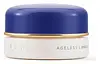
This anti-aging eye moisturizer is formulated around Squalane and Camellia Sinensis Leaf Extract to soften the look of wrinkles and hydrate skin.
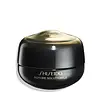
This eye moisturizer is formulated around 2-O-Ethyl Ascorbic Acid and Glycyrrhiza Glabra Root Extract to hydrate skin.


What's inside
What's inside
 Key Ingredients
Benefits
Concerns
Ingredients Side-by-side
Water
Skin ConditioningGlycerin
Humectant


Squalane
Emollient
Propanediol
Solvent
Xylitol
Humectant
Glyceryl Stearate Se
Emulsifying




Cyclopentasiloxane
Emollient
Behenyl Alcohol
Emollient
Myristyl Myristate
Emollient
Silica
Abrasive


Beeswax
Emulsion Stabilising
Paeonia Albiflora Root Extract
Skin ConditioningCamellia Japonica Seed Oil
Emollient
Camellia Sinensis Leaf Extract
Antimicrobial



Lonicera Japonica Leaf Extract
Skin ConditioningCoix Lacryma-Jobi Ma-Yuen Seed Extract
Skin ConditioningChondrus Crispus Extract
Skin Conditioning
Inositol
Humectant
Sodium Hyaluronate
Humectant
Tocopheryl Acetate
Antioxidant
Caprylyl/Capryl Glucoside
CleansingCaprylic/Capric/Myristic/Stearic Triglyceride
EmollientTetrasodium Pyrophosphate
BufferingDisodium EDTA
ChelatingSodium Acrylate/Acryloyldimethyltaurate/Dimethylacrylamide Crosspolymer
Emulsion StabilisingSodium Dilauramidoglutamide Lysine
HumectantIsostearic Acid
Cleansing
Sorbitan Isostearate
Emulsifying
Ethylhexylglycerin
Skin ConditioningAluminum Hydroxide
EmollientParfum
Masking


Stearyl Alcohol
Emollient
Alcohol
Antimicrobial

Phenoxyethanol
Preservative
CI 77891
Cosmetic ColorantCI 77491
Cosmetic ColorantWater, Glycerin, Squalane, Propanediol, Xylitol, Glyceryl Stearate Se, Cyclopentasiloxane, Behenyl Alcohol, Myristyl Myristate, Silica, Beeswax, Paeonia Albiflora Root Extract, Camellia Japonica Seed Oil, Camellia Sinensis Leaf Extract, Lonicera Japonica Leaf Extract, Coix Lacryma-Jobi Ma-Yuen Seed Extract, Chondrus Crispus Extract, Inositol, Sodium Hyaluronate, Tocopheryl Acetate, Caprylyl/Capryl Glucoside, Caprylic/Capric/Myristic/Stearic Triglyceride, Tetrasodium Pyrophosphate, Disodium EDTA, Sodium Acrylate/Acryloyldimethyltaurate/Dimethylacrylamide Crosspolymer, Sodium Dilauramidoglutamide Lysine, Isostearic Acid, Sorbitan Isostearate, Ethylhexylglycerin, Aluminum Hydroxide, Parfum, Stearyl Alcohol, Alcohol, Phenoxyethanol, CI 77891, CI 77491
Water
Skin ConditioningGlycerin
Humectant
Hydrogenated Polydecene
EmollientButylene Glycol
Humectant
Dipropylene Glycol
HumectantCetyl Ethylhexanoate
EmollientXylitol
Humectant
Dimethicone
Emollient
Behenyl Alcohol
Emollient
PEG-60 Glyceryl Isostearate
Surfactant
Myristyl Myristate
Emollient
Silica
Abrasive
Glyceryl Stearate
Emollient
Stearyl Alcohol
Emollient
Beeswax
Emulsion Stabilising
Tocopheryl Acetate
Antioxidant
Piperidinepropionic Acid
Skin ConditioningAmmonium Acryloyldimethyltaurate/Beheneth-25 Methacrylate Crosspolymer
Emulsion StabilisingXanthan Gum
Emulsifying2-O-Ethyl Ascorbic Acid
Skin Conditioning

Glycyrrhiza Glabra Root Extract
Bleaching
Prunus Speciosa Leaf Extract
Skin ConditioningAngelica Acutiloba Root Extract
Skin ConditioningCitrus Depressa Peel Extract
HumectantZiziphus Jujuba Fruit Extract
Skin ConditioningChaenomeles Sinensis Fruit Extract
Antioxidant
Rubus Suavissimus Leaf Extract
Skin ConditioningCamellia Sinensis Leaf Extract
Antimicrobial
Isodonis Japonicus Leaf/Stalk Extract
MaskingHibiscus Esculentus Fruit Extract
Skin ConditioningBupleurum Falcatum Root Extract
Skin ConditioningPrunus Persica Leaf Extract
Emollient
Nasturtium Officinale Leaf/Stem Extract
Skin ConditioningHydrolyzed Silk
Humectant
Butyrospermum Parkii Butter
Skin Conditioning
Isostearic Acid
Cleansing
Hydrogenated Palm Oil
Emollient
Elaeis Guineensis Kernel Oil
Emollient
Elaeis Guineensis Oil
Emollient
Alcohol
Antimicrobial
Acrylates/C10-30 Alkyl Acrylate Crosspolymer
Emulsion StabilisingPotassium Hydroxide
BufferingDisodium EDTA
ChelatingSodium Metabisulfite
Antioxidant
Sodium Metaphosphate
BufferingLinalool
Perfuming
Limonene
Perfuming
Aluminum Hydroxide
EmollientCitronellol
Perfuming
Geraniol
Perfuming
Alpha-Isomethyl Ionone
Perfuming
Benzyl Benzoate
Antimicrobial
Tocopherol
Antioxidant
Citric Acid
Buffering
Phenoxyethanol
Preservative
Chlorphenesin
Antimicrobial
Parfum
Masking
CI 77891
Cosmetic ColorantCI 77492
Cosmetic ColorantCI 77491
Cosmetic ColorantWater, Glycerin, Hydrogenated Polydecene, Butylene Glycol, Dipropylene Glycol, Cetyl Ethylhexanoate, Xylitol, Dimethicone, Behenyl Alcohol, PEG-60 Glyceryl Isostearate, Myristyl Myristate, Silica, Glyceryl Stearate, Stearyl Alcohol, Beeswax, Tocopheryl Acetate, Piperidinepropionic Acid, Ammonium Acryloyldimethyltaurate/Beheneth-25 Methacrylate Crosspolymer, Xanthan Gum, 2-O-Ethyl Ascorbic Acid, Glycyrrhiza Glabra Root Extract, Prunus Speciosa Leaf Extract, Angelica Acutiloba Root Extract, Citrus Depressa Peel Extract, Ziziphus Jujuba Fruit Extract, Chaenomeles Sinensis Fruit Extract, Rubus Suavissimus Leaf Extract, Camellia Sinensis Leaf Extract, Isodonis Japonicus Leaf/Stalk Extract, Hibiscus Esculentus Fruit Extract, Bupleurum Falcatum Root Extract, Prunus Persica Leaf Extract, Nasturtium Officinale Leaf/Stem Extract, Hydrolyzed Silk, Butyrospermum Parkii Butter, Isostearic Acid, Hydrogenated Palm Oil, Elaeis Guineensis Kernel Oil, Elaeis Guineensis Oil, Alcohol, Acrylates/C10-30 Alkyl Acrylate Crosspolymer, Potassium Hydroxide, Disodium EDTA, Sodium Metabisulfite, Sodium Metaphosphate, Linalool, Limonene, Aluminum Hydroxide, Citronellol, Geraniol, Alpha-Isomethyl Ionone, Benzyl Benzoate, Tocopherol, Citric Acid, Phenoxyethanol, Chlorphenesin, Parfum, CI 77891, CI 77492, CI 77491
Reviews
Ingredients Explained
These ingredients are found in both products.
Ingredients higher up in an ingredient list are typically present in a larger amount.
This ingredient is also called ethanol or ethyl alcohol. It is denatured, meaning made undrinkable for cosmetic use.
In formulas, it:
Is it bad for your skin?
The answer comes down to concentration. Patch and wash studies have found highly concentrated alcohol-based hand rubs (60-100%) cause less barrier disruption than washing with a basic detergent like SLS. The only measurable effect in these studies was a temporary dip in skin hydration.
Concentrations below 12-15% in leave-on cosmetics is generally well-tolerated. Concentrations above start to see increased transepidermal water loss (TEWL) and reduced hydration.
In concentrations about 58%, it creates temporary channels in your skin's lipid layers to become more permeable and allow other ingredients to slip through easily.
This ingredient can be up to 80% of the formula in alcohol-based perfumes.
Overall, this ingredient is probably harmless if found lower down an ingredients list but worth side-eyeing if it's high up (especially if your barrier is already struggling).
Alcohol can worsen dry skin, eczema, and oily skin, especially at higher concentrations. This is because it can increase transepidermal water loss and decrease hydration to disrupt the skin barrier.
According to the National Rosacea Society based in the US, you should be mindful of products with these alcohols in the top half of ingredients.
True allergic contact dermatitis to ethanol is uncommon, but be sure to patch test if you have dry or sensitive skin.
Learn more about AlcoholAluminum Hydroxide is a form of aluminum. It can be naturally found in nature as the mineral gibbsite. In cosmetics, Aluminum Hydroxide is used as a colorant, pH adjuster, and absorbent.
As a colorant, Aluminum Hydroxide may add opacity, or reduce the transparency. Aluminum hydroxide is contains both basic and acidic properties.
According to manufacturers, this ingredient is an emollient and humectant. This means it helps hydrate the skin.
In medicine, this ingredient is used to help relieve heartburn and help heal ulcers.
There is currently no credible scientific evidence linking aluminum hydroxide in cosmetics to increased cancer risk.
Major health organizations allow the use of aluminum hydroxide in personal care products and have not flagged it as a carcinogenic risk at typical usage levels.
Learn more about Aluminum HydroxideBeeswax is natural wax produced by honey bees to build their honeycomb.
Because it forms a protective layer on your skin, it can help lock in moisture and reduce water loss. It is also widely used as a thickener and emulsifier in lip balms and lotions. Research suggests beeswax containing moisturizers can support skin barrier integrity.
In comedogenic testing, Beeswax scored a 0-2, which is on the low end. Whether or not a product clogs your pores really comes down to the formula as a whole (not any single ingredient on its own) and your skin.
Cera Alba is the white, bleached form of this ingredient.
Just so you know, beeswax is not vegan since it is animal-derived. It cannot be removed with water, but can be taken off with an oil cleanser.
People with a known Propolis allergy also report to have reactions from beeswax.
Beeswax's wax esters are derived primarily from palmitic and oleic acid (C16 and C18:1). Both of these fall within the C11-C24 feeding window.
The Malassezia yeast can potentially cleave these esters and release usable fatty acids, so this ingredient may not be fungal acne safe. However, not everyone will react to this ingredient.
Learn more about BeeswaxBehenyl Alcohol is a type of fatty alcohol (these are different from the drying, solvent alcohols).
Fatty Alcohols have hydrating properties and are most often used as an emollient or to thicken a product. They are usually derived from natural fats and oils; behenyl alcohol is derived from the fats of vegetable oils.
Emollients help keep your skin soft and hydrated by creating a film that traps moisture in.
In 2000, Behenyl Alcohol was approved by the US as medicine to reduce the duration of cold sores.
Learn more about Behenyl AlcoholCamellia Sinensis Leaf Extract (tea extract) is one of the most well-researched plant extracts in skincare with an impressive resume.
Black tea, green tea, and oolong tea are all harvested from the Camellia Sinensis plant.
Studies show green tea extract and its catechins (like epigallocatechin gallate (EGCG)) help your skin cells product energy more efficiently and reducing the number of free-radicals that can damage your skin from the inside.
In lab-grown skin models, this translated to younger, healthier, and stronger skin.
There's also good sun protection data; researchers saw less DNA damage and redness on human skin when green tea was applied before UVB exposure. And the more they applied, the better the protection.
Needless to say, this ingredient shouldn't replace your sunscreen. But it is a great supportive ingredient that you can already find in many sunscreens and antioxidant serums.
A 2009 study found a 2% green tea lotion was effective for mild-to-moderate acne thanks to its anti-inflammatory and mild antimicrobial activity.
The quality of the extract matters a lot here:
Good extracts contain 50-90% catechins while lower quality ones are mostly there for marketing. We recommend reaching out to the brand if you have questions about the quality or source of their ingredients.
Human Repeated Insult Patch Testing showed no irritation or sensitization at use concentrations (0.86% in leave-on products and up to 30% as leaf water).
Learn more about Camellia Sinensis Leaf ExtractCi 77491 is also hydrated iron III oxide. It's sole purpose is to give a red/pink hue to products.
Iron III oxides are classified as inorganic chemicals for coloring.
Synthetically created Ci 77491 is considered safer than those naturally found. This is because the synthetically created version may contain less impurities. Iron oxides are generally non-toxic and non-allergenic.
Learn more about CI 77491Ci 77891 is a white pigment from Titanium dioxide. It is naturally found in minerals such as rutile and ilmenite.
It's main function is to add a white color to cosmetics. It can also be mixed with other colors to create different shades.
Ci 77891 is commonly found in sunscreens due to its ability to block UV rays.
Learn more about CI 77891Disodium EDTA is a chelating agent. It grabs onto and deactivates metal ions that sneak into your products from water, packaging, or air.
This ingredient mainly works behind the scenes and helps with:
On top of that, this ingredient can counteract the effects of hard water by binding to the minerals in it.
One thing worth knowing is that Disodium EDTA has been shown to be a mild penetration enhancer. It can help other ingredients absorb into skin more effectively which can be a double-edged sword (great for actives, but can also make the active too strong if you have sensitive skin).
Clinical patch testing showed no significant skin irritation at typical use concentrations and minimal dermal absorption.
You'll most likely see this ingredient near the end of an ingredient list. It's typically found in concentrations less than 1%.
Learn more about Disodium EDTAGlycerin (or glycerol) is a compound naturally found in your skin. It's a powerhouse humectant that pulls water into the stratum corneum.
Topically, glycerin does several things at once:
Your skin makes glycerin on its own (mostly from sebaceous oil breakdown) and shuttles it to your outermost layer of skin, or your epidermis, via aquaporin-3.
Aquaporin-3 is a transporter that is essential for normal skin hydration, elasticity, and repair. Interestingly, mice lacking in AQP3 have dry and less elastic skin that can be fully corrected with glycerin.
This ingredient is non-irritating, plays well with almost every ingredient, and works across all skin types. Typical use is anywhere between 3-10% but can go up to 79% in some leave-on products.
Just know very high concentrations (>40%) can feel tacky in low humidity.
Glycerin is the name for this ingredient in American English. British English uses Glycerol/Glycerine.
Learn more about GlycerinIsostearic Acid is a fatty acid and a structural cousin of stearic acid. It is an emulsifier.
The branched structure of this ingredient enhances fluidity and gives it a lighter, less greasy feel compared to other fatty acids. It helps improve texture and consistency because it prevents oil and water phases from separating.
This ingredient is sourced from plant-based oils like soybean or rapeseed.
Clinical studies found no signs of irritation from this ingredient.
Since Isostearic Acid is an 18-carbon fatty acid, it is in the range that Malassezia can feed on. This ingredient may not be fungal acne safe.
You might have seen sources that this ingredient is comedogenic. The original comedogenic testing on rabbit ear actually tested the ester, Isopropyl Isostearate and not Isostearic acid itself.
Any finished product with this ingredient won't automatically make you break out; it really comes down to concentration, formula, and your skin.
Because isostearic acid is a C18 fatty acid, this ingredient may not be fungal acne safe. The Malassezia yeast metabolizes fatty acids in the C11-24 range.
Learn more about Isostearic AcidMyristyl Myristate is a waxy ester made by combining myristyl alcohol and myristic acid (both from plant oils from coconut or palm).
It's a non-greasy emollient that melts right around skin temperature. It gives products a soft and velvet feel and helps improve how a cream spreads.
Safety-wise, it's deemed safe to use in cosmetics by the Cosmetic Ingredient Review Expert Panel. Dermal animal testing found it to be non-toxic and non-irritating.
This ingredient has a comedogenic reputation; it's important to know comedogenic ratings come from outdated rabbit ear tests. Rabbit ears are way more sensitive than human skin and prone to clogging. How likely a formula will clog pores depends on the overall formulation rather than a few comedogenic ingredients.
Because this ingredient is an ester of Myristic acid, it may not be fungal acne safe. Myristic acid is a C14 fatty acid that sits in the C11-24 range that feeds the Malassezia yeast.
Learn more about Myristyl MyristateParfum is a catch-all term for an ingredient or more that is used to give a scent to products.
Also called "fragrance", this ingredient can be a blend of hundreds of chemicals or plant oils. This means every product with "fragrance" or "parfum" in the ingredients list is a different mixture.
For instance, Habanolide is a proprietary trade name for a specific aroma chemical. When used as a fragrance ingredient in cosmetics, most aroma chemicals fall under the broad labeling category of “FRAGRANCE” or “PARFUM” according to EU and US regulations.
The term 'parfum' or 'fragrance' is not regulated in many countries. In many cases, it is up to the brand to define this term.
For instance, many brands choose to label themselves as "fragrance-free" because they are not using synthetic fragrances. However, their products may still contain ingredients such as essential oils that are considered a fragrance by INCI standards.
One example is Calendula flower extract. Calendula is an essential oil that still imparts a scent or 'fragrance'.
Depending on the blend, the ingredients in the mixture can cause allergies and sensitivities on the skin. Some ingredients that are known EU allergens include linalool and citronellol.
Parfum can also be used to mask or cover an unpleasant scent.
The bottom line is: not all fragrances/parfum/ingredients are created equally. If you are worried about fragrances, we recommend taking a closer look at an ingredient. And of course, we always recommend speaking with a professional.
Learn more about ParfumPhenoxyethanol is one of the most widely used preservatives in skincare (and for good reason!).
It has a large spectrum of antimicrobial activity and especially effective bacteria, yeast, and mold while only having a weak effect on your skin's natural microbiome.
On a cellular level, it disrupts the cell membranes of microbes by poking holes that make the cell leak. This shuts down the chemical reactions the microbe needs to make energy so it can no longer survive.
Another perk of this ingredient is that it stays functional across a wide pH range (3-10).
You'll often see it paired with boosters like Ethylhexylglycerin; one study showed that a 1:9 ratio of Ethylhexylglycerin to Phenoxyethanol damages bacterial membranes as effectively as doubling the Phenoxyethanol concentration on its own.
Typical use concentrations range from 0.3-1% depending on the formula, and this ingredient is capped at 1% int the EU.
Safety-wise, the fear mongering does not hold up to the evidence. The EU's Scientific Committee on Consumer Safety and FDA consider it safe as a preservative at up to 1%, including for children of all ages.
Adverse systemic effects only showed up in animal studies at exposures roughly 200x higher than what people get from cosmetics. And despite its very widespread use, this ingredient is a rare sensitizer and allergic reactions are uncommon.
Learn more about PhenoxyethanolSilica, also known as silicon dioxide, is a naturally occurring mineral. It is used as a fine, spherical, and porous powder in cosmetics.
Though it has exfoliant properties, the function of silica varies depending on the product.
The unique structure of silica enhances the spreadability and adds smoothness, making it a great texture enhancer.
It is also used as an active carrier, emulsifier, and mattifier due to its ability to absorb excess oil.
In some products, tiny microneedles called spicules are made from silica or hydrolyzed sponge. When you rub them in, they lightly polish away dead skin layers and enhance the penetration of active ingredients.
Learn more about SilicaStearyl Alcohol is a type of fatty alcohol from stearic acid. It is a white, waxy compound used to emulsify ingredients used as an emollient or to thicken a product.
Emollients help soothe and hydrate the skin by trapping moisture.
Fatty alcohols are usually derived from natural fats and oils and therefore do not have the same drying or irritating effect as solvent (ethanol) alcohols.
The FDA allows products labeled "alcohol-free" to have fatty alcohols.
This ingredient may not be fungal acne safe. It is a primary fatty alcohol with a chain length above 12 carbons. A study from 2019 show Malassezia can feed on fatty alcohols in this range, so it may trigger fungal acne in those prone to it.
Learn more about Stearyl AlcoholTocopheryl Acetate is a stable, shelf-friendly form of vitamin E.
Formulators love it because plain vitamin E oxidizes quickly once it hits air. This acetate version stays stable and resists going off, helping to extend a product's shelf life.
It's actually inactive on its own and works like a slow-release "storage" form; the enzymes in your skin called esterases gradually convert it into active vitamin E over time.
One in vivo study showed 5% of the acetate in the living layer of the epidermis converted to vitamin E after 5 days of application. This study also found the skin gained protection against UV damage even though the conversion was slow and small.
Once converted, vitamin E acts as a skin's main fat-soluble antioxidant that fights free radicals to protect skin from damage.
Topical vitamin E generally boosts the skin's photoprotection, and it reduced UV-damage in animal models.
This ingredient has some brightening potential but it's more of a prevention ingredient than spot-fader. Cell studies show it can slow down melanin production but it's worth noting that it's not the most powerful brightener out there.
Overall, it has a pretty solid safety profile and has been found to be non-irritating and non-comedogenic. Allergic reactions may happen but stay rare due to how widely the ingredient gets used.
The concentration will vary depending on the formula; industry data shows 0.1% in baby lotions, 3% in lipsticks, and 5% in foot powders. You can also find this ingredient at 100% in a pure vitamin E oil.
Most leave-on skincare keeps it at the lower end, often between 0.5-1%.
Learn more about Tocopheryl AcetateWater. It's the most common cosmetic ingredient of all. You'll usually see it at the top of ingredient lists, meaning that it makes up the largest part of the product.
So why is it so popular? Water most often acts as a solvent - this means that it helps dissolve other ingredients into the formulation.
You'll also recognize water as that liquid we all need to stay alive. If you see this, drink a glass of water. Remember to stay hydrated!
Learn more about WaterXylitol is a humectant and prebiotic. It can help with dry skin.
In studies, xylitol has been shown to improve dry skin. It decreased transepidermal water loss, or when water passes through the skin and evaporates. Xylitol also showed to help improve the biomechanical properties of the skin barrier.
The prebiotic property of xylitol may also help reinforce our skin's natural microbiome. Having a healthy microbiome prevents infection by bad bacteria and helps with hydration.
As a humectant, Xylitol helps draw moisture from both the air and from deeper skin layers. This helps keep skin hydrated.
Xylitol is a sugar alcohol and commonly used as a sugar substitute. It is naturally occurring in plants such as strawberries and pumpkin.
Learn more about Xylitol

