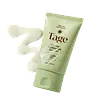
Tage Cica-Tree Soothing Daily Sun Fluid SPF 50+ Versus Beplain Mung Bean Cooling Moisture Sunscreen SPF 50+
This chemical sunscreen covers the full UV range and blocks ~98% of UVB at SPF 50.
This chemical sunscreen covers the full UV range and blocks ~98% of UVB at SPF 50.

What's inside
What's inside
 Key Ingredients

Benefits
Concerns
Ingredients Side-by-side
Melaleuca Alternifolia Leaf Water 51.5%
Antimicrobial


Dibutyl Adipate
EmollientButylene Glycol
Humectant

Water
Skin ConditioningTripropylene Glycol
Antioxidant
Ethylhexyl Triazone
UV Absorber
Diethylamino Hydroxybenzoyl Hexyl Benzoate
UV Filter
Niacinamide
Smoothing







Drometrizole Trisiloxane
UV Absorber
Terephthalylidene Dicamphor Sulfonic Acid
UV Absorber
Behenyl Alcohol
Emollient
1,2-Hexanediol
Skin Conditioning
Caprylyl Methicone
Skin Conditioning
Tromethamine
BufferingDiethylhexyl Butamido Triazone
UV Absorber
Vinyldimethicone
Diisopropyl Sebacate
EmollientArachidyl Alcohol
Emollient
Polymethylsilsesquioxane
Arachidyl Glucoside
EmulsifyingBatyl Alcohol
EmollientCetearyl Alcohol
Emollient





Sodium Polyacryloyldimethyl Taurate
Emulsion StabilisingPolyacrylate Crosspolymer-6
Emulsion StabilisingStearic Acid
Cleansing
Potassium Cetyl Phosphate
EmulsifyingC30-45 Alkyl Cetearyl Dimethicone Crosspolymer
Emollient
Allantoin
Skin Conditioning
Ethylhexylglycerin
Skin ConditioningAdenosine
Skin Conditioning
Lecithin
Emollient
Caprylic/Capric Triglyceride
Masking
Pinus Sylvestris Leaf Oil
Masking
Helianthus Annuus Seed Oil
Emollient
Juniperus Mexicana Oil
Masking
Abies Sibirica Oil
Masking


Eucalyptus Globulus Leaf Oil
Perfuming
Vinyl Dimethicone/Methicone Silsesquioxane Crosspolymer
Panthenol
Skin Conditioning
Centella Asiatica Extract
Cleansing
Lavandula Angustifolia Oil
Masking
Rosmarinus Officinalis Leaf Oil
Masking
Thuja Plicata Leaf Oil
Perfuming
Sodium DNA
Skin Conditioning
Limonene
Perfuming
Melaleuca Alternifolia Leaf Water 51.5%, Dibutyl Adipate, Butylene Glycol, Water, Tripropylene Glycol, Ethylhexyl Triazone, Diethylamino Hydroxybenzoyl Hexyl Benzoate, Niacinamide, Drometrizole Trisiloxane, Terephthalylidene Dicamphor Sulfonic Acid, Behenyl Alcohol, 1,2-Hexanediol, Caprylyl Methicone, Tromethamine, Diethylhexyl Butamido Triazone, Vinyldimethicone, Diisopropyl Sebacate, Arachidyl Alcohol, Polymethylsilsesquioxane, Arachidyl Glucoside, Batyl Alcohol, Cetearyl Alcohol, Sodium Polyacryloyldimethyl Taurate, Polyacrylate Crosspolymer-6, Stearic Acid, Potassium Cetyl Phosphate, C30-45 Alkyl Cetearyl Dimethicone Crosspolymer, Allantoin, Ethylhexylglycerin, Adenosine, Lecithin, Caprylic/Capric Triglyceride, Pinus Sylvestris Leaf Oil, Helianthus Annuus Seed Oil, Juniperus Mexicana Oil, Abies Sibirica Oil, Eucalyptus Globulus Leaf Oil, Vinyl Dimethicone/Methicone Silsesquioxane Crosspolymer, Panthenol, Centella Asiatica Extract, Lavandula Angustifolia Oil, Rosmarinus Officinalis Leaf Oil, Thuja Plicata Leaf Oil, Sodium DNA, Limonene
Water
Skin ConditioningDibutyl Adipate
EmollientPropanediol
Solvent
Butyloctyl Salicylate
Skin Conditioning
Ethylhexyl Triazone
UV Absorber
Niacinamide
Smoothing
Drometrizole Trisiloxane
UV Absorber
Caprylyl Methicone
Skin Conditioning
Terephthalylidene Dicamphor Sulfonic Acid
UV Absorber
Polyglyceryl-3 Distearate
Emulsifying
1,2-Hexanediol
Skin Conditioning
Diethylamino Hydroxybenzoyl Hexyl Benzoate
UV Filter
Tromethamine
BufferingPentylene Glycol
Skin Conditioning
Cetyl Alcohol
Emollient
Polymethylsilsesquioxane
Vigna Radiata Seed Extract
Skin ConditioningMacrocystis Pyrifera Extract
Skin Conditioning
Aloe Barbadensis Leaf Extract
Emollient
Viola Odorata Flower Extract
MaskingDioscorea Villosa Root Extract
Skin Conditioning
Bis-Ethylhexyloxyphenol Methoxyphenyl Triazine
UV Absorber
Glyceryl Stearate
Emollient
Potassium Cetyl Phosphate
EmulsifyingPoly C10-30 Alkyl Acrylate
Emulsion StabilisingMethylpropanediol
SolventMethyl Diisopropyl Propionamide
MaskingCarbomer
Emulsion StabilisingPolyglyceryl-3 Methylglucose Distearate
Emulsifying
Ethylhexylglycerin
Skin ConditioningGlyceryl Stearate Citrate
Emollient
Ammonium Acryloyldimethyltaurate/Vp Copolymer
Acrylates/C10-30 Alkyl Acrylate Crosspolymer
Emulsion StabilisingAdenosine
Skin Conditioning
Polyether-1
Polyglyceryl-3 Polydimethylsiloxyethyl Dimethicone
Skin Conditioning
Propylheptyl Caprylate
EmollientHydrolyzed Hyaluronic Acid
Humectant
Trideceth-8 Carboxylic Acid
CleansingBiosaccharide Gum-1
Humectant
Butylene Glycol
Humectant
Tocopherol
Antioxidant
Glycerin
Humectant
CI 77288
Cosmetic ColorantWater, Dibutyl Adipate, Propanediol, Butyloctyl Salicylate, Ethylhexyl Triazone, Niacinamide, Drometrizole Trisiloxane, Caprylyl Methicone, Terephthalylidene Dicamphor Sulfonic Acid, Polyglyceryl-3 Distearate, 1,2-Hexanediol, Diethylamino Hydroxybenzoyl Hexyl Benzoate, Tromethamine, Pentylene Glycol, Cetyl Alcohol, Polymethylsilsesquioxane, Vigna Radiata Seed Extract, Macrocystis Pyrifera Extract, Aloe Barbadensis Leaf Extract, Viola Odorata Flower Extract, Dioscorea Villosa Root Extract, Bis-Ethylhexyloxyphenol Methoxyphenyl Triazine, Glyceryl Stearate, Potassium Cetyl Phosphate, Poly C10-30 Alkyl Acrylate, Methylpropanediol, Methyl Diisopropyl Propionamide, Carbomer, Polyglyceryl-3 Methylglucose Distearate, Ethylhexylglycerin, Glyceryl Stearate Citrate, Ammonium Acryloyldimethyltaurate/Vp Copolymer, Acrylates/C10-30 Alkyl Acrylate Crosspolymer, Adenosine, Polyether-1, Polyglyceryl-3 Polydimethylsiloxyethyl Dimethicone, Propylheptyl Caprylate, Hydrolyzed Hyaluronic Acid, Trideceth-8 Carboxylic Acid, Biosaccharide Gum-1, Butylene Glycol, Tocopherol, Glycerin, CI 77288
Reviews
Ingredients Explained
These ingredients are found in both products.
Ingredients higher up in an ingredient list are typically present in a larger amount.
1,2-Hexanediol is a synthetic liquid and another multi-functional powerhouse.
It is a:
- Humectant, drawing moisture into the skin
- Emollient, helping to soften skin
- Solvent, dispersing and stabilizing formulas
- Preservative booster, enhancing the antimicrobial activity of other preservatives
Adenosine is a purine nucleoside that your body already makes in every cell. In skincare, it acts mainly as a skin conditioning and anti-aging agent.
The way it works is fairly well mapped out:
Your skin has cells called fibroblasts that build collagen (the stuff that keeps skin firm and smooth). Adenosine basically flips a switch on these cells that tells them to get to work making more collagen and other proteins. These cells slow down on their own as skin ages, so Adenosine helps give them a little nudge to keep going.
The clinical backing is pretty solid too.
A blind, randomized, placebo-controlled trial of 126 women aged 45-65 tested a 0.1% cream twice daily and found real improvements in crow's feet and frown lines using a precise 3D skin-mapping technique; these changes showed up by week 3 and held at 2 months.
A later study using Adenosine-loaded dissolving microneedle patches reported gains in wrinkle depth, dermal density, elasticity, and hydration.
On concentrations, South Korea's Ministry of Food and Drug Safety has set 0.04% as the approved functional anti-wrinkle level. You'll typically see this ingredient used somewhere in the 0.04-0.1% range since it works at low doses.
This ingredient has been found safe for cosmetics with the data showing no irritation or sensitization.
Overall, this is a great ingredient for any anti-aging routine and has no photosensitizing effect, so it suits both AM and PM use.
Learn more about AdenosineButylene Glycol (or BG) is used within cosmetic products for a few different reasons:
Overall, Butylene Glycol is a safe and well-rounded ingredient that works well with other ingredients.
Though this ingredient works well with most skin types, some people with sensitive skin may experience a reaction such as allergic rashes, closed comedones, or itchiness.
Learn more about Butylene GlycolCaprylyl Methicone is a synthetic and lightweight silicone fluid. It gives products a silky, dry-touch finish without the heaviness of pure oils.
Though the EU CosIng Database lists this ingredient as a skin conditioner, it is also used for sensory reasons. It spreads easily, cuts greasiness, and reduces tackiness.
This ingredient is volatile which means it will mostly evaporate (but it evaporates slower than older cyclomethicones, like Cyclotetrasiloxane).
Typical concentration ranges from 1-30% depending on if it's being used to tweak the feel of a product or acting as the main emollient.
Learn more about Caprylyl MethiconeDibutyl Adipate is a lightweight, oil-soluble ester that acts as an emollient and solvent. It helps products spread more easily and leaves a soft, silky, dry-touch finish without being greasy.
You'll likely see this ingredient in sunscreens because it does a nice job dissolving UV filters and keeping them evenly distributed.
This ingredient has been found to be safe as used in cosmetics, wasn't a skin or eye irritant in clinical patch testing, and wasn't phototoxic.
In a clinical comedogenicity test, this ingredient tested negative so it isn't likely to clog pores.
Typical use levels are about 5-8% for sunscreens + nail products, but can range from 0.005%-8% depending on the product.
Learn more about Dibutyl AdipateDiethylamino Hydroxybenzoyl Hexyl Benzoate (DHHB) is a chemical UV-A absorber. It is formulated for high UVA protection (320-400 nm).
DHHB is well-liked for:
DHHB has been approved by the EU, Japan, Taiwan, and South America for use up to 10%. Unfortunately, it has not been approved for use in the US or Canada due to slow regulatory processes.
This ingredient is soluble in oils, fats, and lipids.
Learn more about Diethylamino Hydroxybenzoyl Hexyl BenzoateDrometrizole Trisiloxane is an oil-soluble organic UV filter that L'oreal patented back in 1989.
Its offers broad-spectrum protection against UVB and UVA with two peaks: 303nm in the UVB range and 344 nm in the UVA range.
The standout trait is photostability. Unlike other UV filters, this one doesn't break down when exposed to sunlight.
You'll likely see it paired with Mexoryl SX (Ecamsule) because the two filters show a synergistic effect where the combined protection is greater than the sum of the individual filters.
Because it is oil soluble, it's great for water-resistant/sport/beach sunscreens.
Concentration-wise, the EU permits up to 15% but formulas use it well below that ceiling and almost never as a solo active.
It has a pretty solid safety record: allergic reactions are considered rare, its large molecule size means little to no absorption through skin, and toxicology reviews found no significant toxicity.
Just so you know, there were a handful of isolated allergic contact dermatitis case reports (which is true of every UV filter), but most people will not react to it.
This ingredient is available in the EU, Canada, Australia, and Japan, but not the US. This is just because the manufacturer hasn't pushed the data through the FDA's OTC ingredient pathway.
Learn more about Drometrizole TrisiloxaneEthylhexyl Triazone (aka Octyl Triazone) is an oil-soluble organic UVB filter. It has peak absorption around 314 nm, right in the middle of the UVB range.
This ingredient is described as one of the most effective UVB filters available and small concentrations are enough to deliver a high SPF thanks to its strong UV absorbing power.
Formulators love it for its stability; its ability to filter UV stays practically unchanged even under intense radiation and it can also help boost the photostability of less stable filters like avobenzone.
It's also a great pick for water resistant products because it's insoluble in water and has a good affinity for keratin.
Because it's a big, heavy molecule, the European Scientific Committee has found to to have very low dermal penetration and negative results for allergenicity.
In vitro testing also showed a low absorption rate and clean results on irritation.
Typical use levels are 1-5% with 5% being the maximum in the EU, Japan, and other markets that allow it. However, this ingredient is not approved yet in the US or Canada.
Learn more about Ethylhexyl TriazoneEthylhexylglycerin is created from glycerin. It is a multitasker ingredient that:
The CIR Expert Panel found minimal skin absorption or sensitization of any kind in a safety assessment. Though this ingredient is considered well-tolerated, a small number of cases of allergic dermatitis have been published since 2002. Just be sure to patch test if you are unsure.
Industry-reported use ranges from 8% in rinse-off products and 2% in leave-on formulations.
Learn more about EthylhexylglycerinNiacinamide is a multitasking form of vitamin B3 that strengthens the skin barrier, reduces pores and dark spots, regulates oil, and improves signs of aging.
And the best part? It's gentle and well-tolerated by most skin types, including sensitive and reactive skin.
You might have heard of "niacin flush", or the reddening of skin that causes itchiness. Niacinamide has not been found to cause this.
In very rare cases, some individuals may not be able to tolerate niacinamide at all or experience an allergic reaction to it.
If you are experiencing flaking, irritation, and dryness with this ingredient, be sure to double check all your products as this ingredient can be found in all categories of skincare.
When incorporating niacinamide into your routine, look out for concentration amounts. Typically, 5% niacinamide provides benefits such as fading dark spots. However, if you have sensitive skin, it is better to begin with a smaller concentration.
When you apply niacinamide to your skin, your body converts it into nicotinamide adenine dinucleotide (NAD). NAD is an essential coenzyme that is already found in your cells as "fuel" and powers countless biological processes.
In your skin, NAD helps repair cell damage, produce new healthy cells, support collagen production, strengthen the skin barrier, and fight environmental stressors (like UV and pollution).
Our natural NAD levels start to decline with age, leading to slower skin repair, visible aging, and a weaker skin barrier. By providing your skin niacinamide, you're recharging your skin's NAD levels. This leads to stronger, healthier, and younger looking skin.
Another name for vitamin B3 is nicotinamide. This vitamin is water-soluble and our bodies don't store it. We obtain Vitamin B3 from either food or skincare. Meat, fish, wheat, yeast, and leafy greens contain vitamin B3.
The type of niacinamide used in skincare is synthetically created.
Learn more about NiacinamidePolymethylsilsesquioxane is a silicone used as a film forming agent.
When applied to the skin, this ingredient creates an invisible film on the surface. This film still allows oxygen to pass through, but prevents moisture from escaping. This can help condition and hydrate the skin. It also leaves a silky feel when applied.
Polymethylsilsesquioxane has not been shown to clog pores. It has been deemed safe to use up to 55%, but most cosmetics use much less.
If you have concerns about using this ingredient, we recommend speaking with a professional.
Learn more about PolymethylsilsesquioxanePotassium Cetyl Phosphate is the potassium salt of a mixture. This mixture consists of the esters from phosphoricacid and cetyl alcohol.
Potassium Cetyl Phosphate is an emulsifier and cleansing agent. Emulsifiers help stabilize a product. It does this by preventing certain ingredients from separating.
As a cleansing agent, Potassium Cetyl Phosphate helps gather oils, dirts, and pollutants from your skin. This makes it easier to rinse them away with water.
Learn more about Potassium Cetyl PhosphateTerephthalylidene Dicamphor Sulfonic Acid (aka ecamsule or Mexoryl SX) is a water-soluble organic UV filter developed and patented by L'Oreal back in 1982.
It's one of the better UVA protectors out there and shields skin across a broad UVA range (~290-390 nm) with peak absorption right around 345 nm.
This peak absorption happens to be the exact type of UVA light that sinks deepest into skin and does the most to cause aging and dark spots.
Ecamsule works by soaking up UV rays and turning them into a tiny bit of harmless heat. The molecule basically flips, releases that energy as heat, then snaps back to its original shape and does it all over again. This is also why it's so stable in sunlight and doesn't break down or wear out the way some filters do.
The clinical backing for this ingredient is solid as well:
A large 2008 review by Fourtanier & colleagues (2008) pulled together human trials showing ecamsule-containing sunscreens prevented UV-induced pigmentation, DNA damage, and signs of aging.
That built on earlier work by Seite et al. (1998) that found it protected skin from repeated low-level UVA exposure. And a controlled study by DeLeo et al. (2009) showed that even an SPF 40 cream with ecamsule helped prevent sun-triggered rash even under the real sun.
On concentrations:
Because this ingredient is an acid, it has to be neutralized so it doesn't tank the product's pH.
Safety-wise, it's pretty well tolerated. There are some rare cases of mild irritation mostly in people with sensitivities towards camphor derivatives.
A 2019 FDA study found that volunteers who slathered on sunscreen heavily for several days had tiny amounts of ecamsule show up in their blood. This was slightly above the level at which the FDA asks for extra safety testing; this just means the FDA wants more safety studies done and not evidence that anything harmful actually happens. No problems were found and dermatologists still recommend using sunscreen.
Learn more about Terephthalylidene Dicamphor Sulfonic AcidTromethamine (aka THAM) is a synthetic amino acid that shows up in skincare as a helper ingredient.
It functions as a pH adjuster to help neutralize acidic ingredients and set a formula's pH to the right spot.
This matters a lot because a lot of actives (like vitamin C) needs a specific pH to work well and feel comfortable on skin.
Concentration use ranges from 0.1-1.0% depending on the formula.
Learn more about TromethamineWater. It's the most common cosmetic ingredient of all. You'll usually see it at the top of ingredient lists, meaning that it makes up the largest part of the product.
So why is it so popular? Water most often acts as a solvent - this means that it helps dissolve other ingredients into the formulation.
You'll also recognize water as that liquid we all need to stay alive. If you see this, drink a glass of water. Remember to stay hydrated!
Learn more about Water

