

What's inside
What's inside
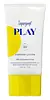 Key Ingredients
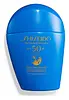
Benefits
Concerns
Ingredients Side-by-side
Butyl Methoxydibenzoylmethane 3%
UV Absorber
Homosalate 10%
Skin Conditioning
Ethylhexyl Salicylate 5%
UV Absorber
Octocrylene 7.5%
UV Absorber

Water
Skin ConditioningAcrylates Copolymer
Diisopropyl Sebacate
EmollientGlycerin
Humectant


Isodecyl Neopentanoate
EmollientIsododecane
EmollientLauryl Lactate
EmollientCetyl Alcohol
Emollient


Potassium Cetyl Phosphate
EmulsifyingBrassica Campestris/Aleurites Fordi Oil Copolymer
Skin Conditioning
Oryza Sativa Bran Extract
Skin Conditioning
Cetearyl Olivate
Ammonium Acryloyldimethyltaurate/Vp Copolymer
Hydroxyacetophenone
Antioxidant
Sorbitan Olivate
Emulsifying
Diethylhexyl Syringylidenemalonate
Skin ProtectingAniba Rosaeodora Wood Oil
Astringent
Chlorphenesin
Antimicrobial
Citrus Aurantium Dulcis Peel Oil
Masking

Citrus Limon Peel Oil
Masking
Ethylhexylglycerin
Skin ConditioningEucalyptus Globulus Leaf Oil
Perfuming
Ocimum Basilicum Flower/Leaf Extract
TonicPelargonium Graveolens Flower Oil
Masking
Pogostemon Cablin Leaf Oil
Masking
Pentylene Glycol
Skin Conditioning
1,2-Hexanediol
Skin Conditioning
Caprylyl Glycol
Emollient
Xanthan Gum
EmulsifyingHelianthus Annuus Extract
Emollient
Behenic Acid
Cleansing
Cetyl Behenate
Isostearyl Isostearate
Emollient

Trisodium Ethylenediamine Disuccinate
Tocopherol
Antioxidant




Allantoin
Skin Conditioning
Rosmarinus Officinalis Leaf Extract
AntimicrobialCaprylic/Capric Triglyceride
Masking
Panthenol
Skin Conditioning
Pentasodium Triphosphate
BufferingCitric Acid
Buffering
Butyl Methoxydibenzoylmethane 3%, Homosalate 10%, Ethylhexyl Salicylate 5%, Octocrylene 7.5%, Water, Acrylates Copolymer, Diisopropyl Sebacate, Glycerin, Isodecyl Neopentanoate, Isododecane, Lauryl Lactate, Cetyl Alcohol, Potassium Cetyl Phosphate, Brassica Campestris/Aleurites Fordi Oil Copolymer, Oryza Sativa Bran Extract, Cetearyl Olivate, Ammonium Acryloyldimethyltaurate/Vp Copolymer, Hydroxyacetophenone, Sorbitan Olivate, Diethylhexyl Syringylidenemalonate, Aniba Rosaeodora Wood Oil, Chlorphenesin, Citrus Aurantium Dulcis Peel Oil, Citrus Limon Peel Oil, Ethylhexylglycerin, Eucalyptus Globulus Leaf Oil, Ocimum Basilicum Flower/Leaf Extract, Pelargonium Graveolens Flower Oil, Pogostemon Cablin Leaf Oil, Pentylene Glycol, 1,2-Hexanediol, Caprylyl Glycol, Xanthan Gum, Helianthus Annuus Extract, Behenic Acid, Cetyl Behenate, Isostearyl Isostearate, Trisodium Ethylenediamine Disuccinate, Tocopherol, Allantoin, Rosmarinus Officinalis Leaf Extract, Caprylic/Capric Triglyceride, Panthenol, Pentasodium Triphosphate, Citric Acid
Dimethicone
Emollient
Water
Skin ConditioningZinc Oxide 9.93%
Cosmetic Colorant
Ethylhexyl Methoxycinnamate 7.494%
UV Absorber
Alcohol
Antimicrobial
Cyclopentasiloxane
Emollient
Methyl Methacrylate Crosspolymer
Diisopropyl Sebacate
EmollientTalc
Abrasive
Isododecane
EmollientEthylhexyl Salicylate 3%
UV Absorber
Octocrylene 3%
UV Absorber
PEG/PPG-9/2 Dimethyl Ether
Skin ConditioningDiethylamino Hydroxybenzoyl Hexyl Benzoate 2%
UV Filter
Titanium Dioxide
Cosmetic Colorant
PEG-9 Polydimethylsiloxyethyl Dimethicone
Emulsifying
Dextrin Palmitate
Emulsifying
Glycerin
Humectant
Vinyl Dimethicone/Methicone Silsesquioxane Crosspolymer
Silica
Abrasive
Xylitol
Humectant
PPG-17
Skin ConditioningTrimethylsiloxysilicate
Emollient
Phenylbenzimidazole Sulfonic Acid 0.5%
UV Absorber
Bis-Ethylhexyloxyphenol Methoxyphenyl Triazine 0.5%
Skin Conditioning
Isostearic Acid
Cleansing
Bis-Butyldimethicone Polyglyceryl-3
Cleansing
Disteardimonium Hectorite
StabilisingAluminum Hydroxide
EmollientStearic Acid
Cleansing
Aminomethyl Propanediol
BufferingHydrogen Dimethicone
Trisodium EDTA
PEG-6
HumectantDistearyldimonium Chloride
Parfum
Masking
BHT
Antioxidant
Tocopherol
Antioxidant
Butylene Glycol
Humectant
Limonene
Perfuming
PEG-4
HumectantDimethyl Ether
SolventLinalool
Perfuming
Isopropyl Alcohol
Solvent
Saxifraga Sarmentosa Extract
Skin ConditioningCitronellol
Perfuming
Hexyl Cinnamal
Perfuming
CI 77491
Cosmetic ColorantSodium Metabisulfite
Antioxidant
Citral
Perfuming
Syzygium Jambos Leaf Extract
Skin ConditioningCamellia Sinensis Leaf Extract
Antimicrobial
Sophora Angustifolia Root Extract
Skin ConditioningDimethicone, Water, Zinc Oxide 9.93%, Ethylhexyl Methoxycinnamate 7.494%, Alcohol, Cyclopentasiloxane, Methyl Methacrylate Crosspolymer, Diisopropyl Sebacate, Talc, Isododecane, Ethylhexyl Salicylate 3%, Octocrylene 3%, PEG/PPG-9/2 Dimethyl Ether, Diethylamino Hydroxybenzoyl Hexyl Benzoate 2%, Titanium Dioxide, PEG-9 Polydimethylsiloxyethyl Dimethicone, Dextrin Palmitate, Glycerin, Vinyl Dimethicone/Methicone Silsesquioxane Crosspolymer, Silica, Xylitol, PPG-17, Trimethylsiloxysilicate, Phenylbenzimidazole Sulfonic Acid 0.5%, Bis-Ethylhexyloxyphenol Methoxyphenyl Triazine 0.5%, Isostearic Acid, Bis-Butyldimethicone Polyglyceryl-3, Disteardimonium Hectorite, Aluminum Hydroxide, Stearic Acid, Aminomethyl Propanediol, Hydrogen Dimethicone, Trisodium EDTA, PEG-6, Distearyldimonium Chloride, Parfum, BHT, Tocopherol, Butylene Glycol, Limonene, PEG-4, Dimethyl Ether, Linalool, Isopropyl Alcohol, Saxifraga Sarmentosa Extract, Citronellol, Hexyl Cinnamal, CI 77491, Sodium Metabisulfite, Citral, Syzygium Jambos Leaf Extract, Camellia Sinensis Leaf Extract, Sophora Angustifolia Root Extract
Reviews
Ingredients Explained
These ingredients are found in both products.
Ingredients higher up in an ingredient list are typically present in a larger amount.
We don't have a description for Diisopropyl Sebacate yet.
Ethylhexyl Salicylate (also called Octisalate or Octyl Salicylate) is an oil-soluble organic UV filter that's been used in sunscreen since the 1950's.
It absorbs UVB light in the 280-320 nm range with a peak absorbance around 306 nm.
You'll often see it paired with other UV filters to boost overall SPF because octisalate is a fairly week filter on its own.
The reason you'll see it so often is because it can help solubilize and stabilize the trickier filters like oxybenzone and avobenzone.
Unlike these filters, octisalate has pretty good photostability and doesn't create skin-damaging free radicals when exposed to sunlight.
The fatty-alcohol part of the molecule also gives it a light, emollient feel so it doubles as a nice texture enhancer.
Usage levels vary around the world:
Safety-wise, this ingredient has a pretty reassuring track record. The EU's Scientific Committee on Consumer Products (SCCP) found very low skin penetration in human skin tests and negative results for irritation, phototoxicity, and photoallergy.
The real-world allergy risk is pretty low too; a 2012 European study of 1,031 people recorded only 2 reactions to it (a rate of 0.19%).
You might have seen scary headlines about sunscreen getting into your blood.
In 2019, the FDA found that several chemical filters can absorb through the skin and show up in the bloodstream at small but measurable levels.
Here's the important part: these tiny levels are just a cutoff the FDA uses to decide which ingredients need more testing and doesn't mean anything harmful was found.
The researchers were clear that the results are no reason to stop wearing sunscreen.
Learn more about Ethylhexyl SalicylateGlycerin (or glycerol) is a compound naturally found in your skin. It's a powerhouse humectant that pulls water into the stratum corneum.
Topically, glycerin does several things at once:
Your skin makes glycerin on its own (mostly from sebaceous oil breakdown) and shuttles it to your outermost layer of skin, or your epidermis, via aquaporin-3.
Aquaporin-3 is a transporter that is essential for normal skin hydration, elasticity, and repair. Interestingly, mice lacking in AQP3 have dry and less elastic skin that can be fully corrected with glycerin.
This ingredient is non-irritating, plays well with almost every ingredient, and works across all skin types. Typical use is anywhere between 3-10% but can go up to 79% in some leave-on products.
Just know very high concentrations (>40%) can feel tacky in low humidity.
Glycerin is the name for this ingredient in American English. British English uses Glycerol/Glycerine.
Learn more about GlycerinIsododecane is a fragrance, emollient, and solvent.
As an emollient, it helps your skin stay soft and hydrated. Emollients help trap moisture into your skin.
Isododecane's role as a solvent makes it a great texture enhancer. It spreads smoothly on skin and does not leave a sticky feeling behind. Isododecane also helps prevent color transfer in makeup products.
Isododecane is not absorbed into skin.
The chemical name for this ingredient is 2,2,4,6,6-PENTAMETHYLHEPTANE.
Learn more about IsododecaneOctocrylene is an oil-soluble organic UV filter that mainly absorbs UVB and short wave UVA II light.
Its real superpower is teamwork: octocrylene is remarkably photostable and is most famous for stabilizing avobenzone (the workhorse UVA filter).
This ingredient is commonly used to enhance both UVB and UVA protection due to its unique property in stabilizing avobenzone. It also pulls double duty by boosting water resistance and giving formulas a smooth, spreadable feel.
The EU's Scientific Committee on Consumer Safety (SCCS) has deemed octocrylene to be safe as a UV-filter at concentrations up to 10% (capped at 9% in propellant sprays). The US also permits it up to 10%.
Two things worth knowing:
You'll usually see this ingredient used in concentrations between 2-10% (higher amounts when used as a stabilizer for avobenzone).
Learn more about OctocryleneTocopherol is a fat-soluble antioxidant known as Vitamin E.
You'll find this ingredient in the vast majority of skincare (for good reason). It works to neutralize free radicals, or unstable molecules generated by UV exposure, pollution, and other environmental stressors, before they can cause oxidative damage to your skin cells.
Topically applied tocopherol has been shown to protect against UV damage by ramping up the skin's own natural defense enzymes.
It also acts as a skin conditioning agent; some studies show that regular topical use can improve the skin's water-binding capacity over 2-4 weeks.
This ingredient is especially loved for being a team player. When combined with Vitamin C, the photoprotective effect of both ingredients roughly doubles and the combo also helps reduce UV-induced DNA damage.
This ingredient has some brightening potential but it's more of a prevention ingredient than spot-fader. Cell studies show it can slow down melanin production but it's worth noting that it's not the most powerful brightener out there.
In formulations, it also serves as a stabilizer that helps protect other oxidation-prone ingredients from degrading.
Concentrations usually range from 0.1-1% in most leave-on products.
Learn more about TocopherolWater. It's the most common cosmetic ingredient of all. You'll usually see it at the top of ingredient lists, meaning that it makes up the largest part of the product.
So why is it so popular? Water most often acts as a solvent - this means that it helps dissolve other ingredients into the formulation.
You'll also recognize water as that liquid we all need to stay alive. If you see this, drink a glass of water. Remember to stay hydrated!
Learn more about Water

