
What's inside
What's inside
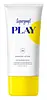 Key Ingredients
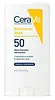
Benefits
Concerns
Ingredients Side-by-side
Butyl Methoxydibenzoylmethane 3%
UV Absorber
Homosalate 10%
Skin Conditioning
Ethylhexyl Salicylate 5%
UV Absorber
Water
Skin ConditioningPolyester-8
Skin Conditioning
Acrylates Copolymer
Diisopropyl Sebacate
EmollientGlycerin
Humectant


Isodecyl Neopentanoate
EmollientIsododecane
EmollientLauryl Lactate
EmollientCetyl Alcohol
Emollient


Potassium Cetyl Phosphate
EmulsifyingBrassica Campestris/Aleurites Fordi Oil Copolymer
Skin Conditioning
Oryza Sativa Bran Extract
Skin Conditioning
Cetearyl Olivate
Ammonium Acryloyldimethyltaurate/Vp Copolymer
Hydroxyacetophenone
Antioxidant


Sorbitan Olivate
Emulsifying
Diethylhexyl Syringylidenemalonate
Skin ProtectingAniba Rosaeodora Wood Oil
Astringent
Chlorphenesin
Antimicrobial
Citrus Aurantium Dulcis Peel Oil
Masking

Citrus Limon Peel Oil
Masking

Ethylhexylglycerin
Skin ConditioningEucalyptus Globulus Leaf Oil
Perfuming
Ocimum Basilicum Flower/Leaf Extract
TonicPelargonium Graveolens Flower Oil
Masking
Pogostemon Cablin Leaf Oil
Masking
Pentylene Glycol
Skin Conditioning
1,2-Hexanediol
Skin Conditioning
Caprylyl Glycol
Emollient
Xanthan Gum
EmulsifyingHelianthus Annuus Extract
Emollient
Behenic Acid
Cleansing
Cetyl Behenate
Isostearyl Isostearate
Emollient

Trisodium Ethylenediamine Disuccinate
Tocopherol
Antioxidant



Allantoin
Skin Conditioning
Rosmarinus Officinalis Leaf Extract
AntimicrobialCaprylic/Capric Triglyceride
Masking
Panthenol
Skin Conditioning
Pentasodium Triphosphate
BufferingCitric Acid
Buffering
Butyl Methoxydibenzoylmethane 3%, Homosalate 10%, Ethylhexyl Salicylate 5%, Water, Polyester-8, Acrylates Copolymer, Diisopropyl Sebacate, Glycerin, Isodecyl Neopentanoate, Isododecane, Lauryl Lactate, Cetyl Alcohol, Potassium Cetyl Phosphate, Brassica Campestris/Aleurites Fordi Oil Copolymer, Oryza Sativa Bran Extract, Cetearyl Olivate, Ammonium Acryloyldimethyltaurate/Vp Copolymer, Hydroxyacetophenone, Sorbitan Olivate, Diethylhexyl Syringylidenemalonate, Aniba Rosaeodora Wood Oil, Chlorphenesin, Citrus Aurantium Dulcis Peel Oil, Citrus Limon Peel Oil, Ethylhexylglycerin, Eucalyptus Globulus Leaf Oil, Ocimum Basilicum Flower/Leaf Extract, Pelargonium Graveolens Flower Oil, Pogostemon Cablin Leaf Oil, Pentylene Glycol, 1,2-Hexanediol, Caprylyl Glycol, Xanthan Gum, Helianthus Annuus Extract, Behenic Acid, Cetyl Behenate, Isostearyl Isostearate, Trisodium Ethylenediamine Disuccinate, Tocopherol, Allantoin, Rosmarinus Officinalis Leaf Extract, Caprylic/Capric Triglyceride, Panthenol, Pentasodium Triphosphate, Citric Acid
Titanium Dioxide 6%
Cosmetic Colorant
Zinc Oxide 4.7%
Cosmetic Colorant
C12-15 Alkyl Benzoate
AntimicrobialButyloctyl Salicylate
Skin Conditioning
Neopentyl Glycol Diethylhexanoate
Emollient
Paraffin
Skin ConditioningEuphorbia Cerifera Wax
Ozokerite
Emulsion StabilisingDimethicone
Emollient
Beeswax
Emulsion Stabilising
Polyethylene
Abrasive

Cetyl Alcohol
Emollient
Ceramide NP
Skin Conditioning
Ceramide AP
Skin Conditioning
Ceramide EOP
Skin Conditioning
Cholesterol
Emollient
Phytosphingosine
Skin Conditioning
Sodium Hyaluronate
Humectant
Polyhydroxystearic Acid
Emulsifying
Aluminum Hydroxide
EmollientStearic Acid
Cleansing
BHT
Antioxidant
Carbomer
Emulsion StabilisingTriethoxycaprylylsilane
Isostearic Acid
Cleansing
Sodium Lauroyl Lactylate
EmulsifyingXanthan Gum
EmulsifyingTitanium Dioxide 6%, Zinc Oxide 4.7%, C12-15 Alkyl Benzoate, Butyloctyl Salicylate, Neopentyl Glycol Diethylhexanoate, Paraffin, Euphorbia Cerifera Wax, Ozokerite, Dimethicone, Beeswax, Polyethylene, Cetyl Alcohol, Ceramide NP, Ceramide AP, Ceramide EOP, Cholesterol, Phytosphingosine, Sodium Hyaluronate, Polyhydroxystearic Acid, Aluminum Hydroxide, Stearic Acid, BHT, Carbomer, Triethoxycaprylylsilane, Isostearic Acid, Sodium Lauroyl Lactylate, Xanthan Gum
Reviews
Ingredients Explained
These ingredients are found in both products.
Ingredients higher up in an ingredient list are typically present in a larger amount.
Cetyl Alcohol is a fatty alcohol. Fatty Alcohols are most often used as an emollient or to thicken a product.
Its main roles are:
Though it has "alcohol" in the name, it is not related to denatured alcohol or ethyl alcohol.
The FDA allows products labeled "alcohol-free" to have fatty alcohols.
This ingredient may not be fungal acne safe. It is a primary fatty alcohol with a chain length above 12 carbons. A study from 2019 show Malassezia can feed on fatty alcohols in this range, so it may trigger fungal acne in those prone to it.
Learn more about Cetyl AlcoholXanthan gum is used as a stabilizer and thickener within cosmetic products. It helps give products a sticky, thick feeling - preventing them from being too runny.
On the technical side of things, xanthan gum is a polysaccharide - a combination consisting of multiple sugar molecules bonded together.
Xanthan gum is a pretty common and great ingredient. It is a natural, non-toxic, non-irritating ingredient that is also commonly used in food products.
Learn more about Xanthan Gum
