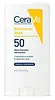
This hybrid sunscreen covers the full UV range and blocks ~98% of UVB at SPF 50.
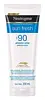
This chemical sunscreen covers the full UV range and blocks ~99% of UVB at SPF 90.

What's inside
What's inside
 Key Ingredients
Benefits
Concerns
Ingredients Side-by-side
Titanium Dioxide 6%
Cosmetic Colorant

Zinc Oxide 4.7%
Cosmetic Colorant
C12-15 Alkyl Benzoate
AntimicrobialButyloctyl Salicylate
Skin Conditioning
Neopentyl Glycol Diethylhexanoate
Emollient
Paraffin
Skin Conditioning
Euphorbia Cerifera Wax


Ozokerite
Emulsion StabilisingDimethicone
Emollient

Beeswax
Emulsion Stabilising


Polyethylene
Abrasive
Cetyl Alcohol
Emollient

Ceramide NP
Skin Conditioning




Ceramide AP
Skin Conditioning
Ceramide EOP
Skin Conditioning
Cholesterol
Emollient
Phytosphingosine
Skin Conditioning
Sodium Hyaluronate
Humectant
Polyhydroxystearic Acid
Emulsifying
Aluminum Hydroxide
EmollientStearic Acid
Cleansing
BHT
Antioxidant
Carbomer
Emulsion StabilisingTriethoxycaprylylsilane
Isostearic Acid
Cleansing
Sodium Lauroyl Lactylate
EmulsifyingXanthan Gum
EmulsifyingTitanium Dioxide 6%, Zinc Oxide 4.7%, C12-15 Alkyl Benzoate, Butyloctyl Salicylate, Neopentyl Glycol Diethylhexanoate, Paraffin, Euphorbia Cerifera Wax, Ozokerite, Dimethicone, Beeswax, Polyethylene, Cetyl Alcohol, Ceramide NP, Ceramide AP, Ceramide EOP, Cholesterol, Phytosphingosine, Sodium Hyaluronate, Polyhydroxystearic Acid, Aluminum Hydroxide, Stearic Acid, BHT, Carbomer, Triethoxycaprylylsilane, Isostearic Acid, Sodium Lauroyl Lactylate, Xanthan Gum
Water
Skin ConditioningHomosalate
Skin Conditioning
Octocrylene
UV Absorber
Butyl Methoxydibenzoylmethane
UV Absorber
Ethylhexyl Salicylate
UV Absorber
Methylene Bis-Benzotriazolyl Tetramethylbutylphenol
UV Filter
Styrene/Acrylates Copolymer
Glycerin
Humectant
Caprylyl Methicone
Skin Conditioning
Ethylhexyl Triazone
UV Absorber
Aluminum Starch Octenylsuccinate
Absorbent
Bis-Ethylhexyloxyphenol Methoxyphenyl Triazine
UV Absorber
Silica
Abrasive
Potassium Cetyl Phosphate
EmulsifyingPhenoxyethanol
Preservative
Triacontanyl Pvp
HumectantCetyl Alcohol
Emollient
Glyceryl Stearate
Emollient
Hydroxyacetophenone
Antioxidant
Tocopheryl Acetate
Antioxidant

Hydrolyzed Jojoba Esters
Skin Conditioning
Dimethicone
Emollient
PEG-75 Stearate
Surfactant
Parfum
Masking

Acrylates/C10-30 Alkyl Acrylate Crosspolymer
Emulsion StabilisingAcrylates/Dimethicone Copolymer
Skin Conditioning
Ceteth-20
CleansingSteareth-20
CleansingDisodium EDTA
ChelatingJojoba Esters
Emollient
Amyl Cinnamal
Perfuming
Benzyl Salicylate
Perfuming
Limonene
Perfuming
Water, Homosalate, Octocrylene, Butyl Methoxydibenzoylmethane, Ethylhexyl Salicylate, Methylene Bis-Benzotriazolyl Tetramethylbutylphenol, Styrene/Acrylates Copolymer, Glycerin, Caprylyl Methicone, Ethylhexyl Triazone, Aluminum Starch Octenylsuccinate, Bis-Ethylhexyloxyphenol Methoxyphenyl Triazine, Silica, Potassium Cetyl Phosphate, Phenoxyethanol, Triacontanyl Pvp, Cetyl Alcohol, Glyceryl Stearate, Hydroxyacetophenone, Tocopheryl Acetate, Hydrolyzed Jojoba Esters, Dimethicone, PEG-75 Stearate, Parfum, Acrylates/C10-30 Alkyl Acrylate Crosspolymer, Acrylates/Dimethicone Copolymer, Ceteth-20, Steareth-20, Disodium EDTA, Jojoba Esters, Amyl Cinnamal, Benzyl Salicylate, Limonene
Reviews
Ingredients Explained
These ingredients are found in both products.
Ingredients higher up in an ingredient list are typically present in a larger amount.
Cetyl Alcohol is a fatty alcohol. Fatty Alcohols are most often used as an emollient or to thicken a product.
Its main roles are:
Though it has "alcohol" in the name, it is not related to denatured alcohol or ethyl alcohol.
The FDA allows products labeled "alcohol-free" to have fatty alcohols.
This ingredient may not be fungal acne safe. It is a primary fatty alcohol with a chain length above 12 carbons. A study from 2019 show Malassezia can feed on fatty alcohols in this range, so it may trigger fungal acne in those prone to it.
Learn more about Cetyl AlcoholDimethicone is a type of synthetic silicone created from natural materials such as quartz. It is also known as polydimethylsiloxane.
What it does:
Dimethicone comes in different viscosities:
Depending on the viscosity, dimethicone has different properties.
Ingredients lists don't always show which type is used, so we recommend reaching out to the brand if you have questions about the viscosity.
This ingredient is unlikely to cause irritation because it does not get absorbed into skin. However, people with silicone allergies should be careful about using this ingredient.
Note: Dimethicone may contribute to pilling. This is because it is not oil or water soluble, so pilling may occur when layered with products. When mixed with heavy oils in a formula, the outcome is also quite greasy.
Learn more about Dimethicone

