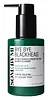
Some By Mi Bye Bye Blackhead 30 Days Miracle Green Tea Tox Bubble Cleanser Versus One-Day's You P.Z Ssoc Ssoc No More Blackhead
This mild foaming cleanser is mild enough to cleanse without leaving skin feeling tight or stripped.
This oil-control treatment is formulated around Salix Alba Bark Extract to balance excess oil.

What's inside
What's inside
 Key Ingredients
Benefits
Concerns
Ingredients Side-by-side
Water
Skin ConditioningCamellia Sinensis Leaf Water
Masking
Disodium Cocoamphodiacetate
CleansingGlycerin
Humectant


Potassium Cocoyl Glycinate
Surfactant
Coco-Betaine
Cleansing
Methyl Perfluorobutyl Ether
SolventMethyl Perfluoroisobutyl Ether
SolventAcrylates Copolymer
Salix Alba Bark Extract
Astringent


Jasminum Officinale Flower Water
MaskingChaenomeles Sinensis Fruit Extract
Antioxidant
Diospyros Kaki Leaf Extract
Skin Protecting
Cinnamomum Cassia Bark Extract
Masking
Artemisia Princeps Leaf Extract
Skin ConditioningChrysanthellum Indicum Extract
Skin Conditioning
Camellia Sinensis Leaf Extract
Antimicrobial


Hibiscus Sabdariffa Flower Extract
Skin ConditioningLavandula Angustifolia Extract
Skin Conditioning

Rosmarinus Officinalis Extract
AntimicrobialChamomilla Recutita Flower Extract
Masking
Geranium Maculatum Extract
TonicSalvia Officinalis Leaf Extract
CleansingTrifolium Pratense Flower Extract
AstringentAlchemilla Vulgaris Leaf Extract
Antioxidant
Aspalathus Linearis Extract
Skin ConditioningHelichrysum Arenarium Extract
AntiseborrhoeicPinus Densiflora Leaf Extract
Antimicrobial
Bambusa Vulgaris Extract
Skin Conditioning
Thuja Orientalis Extract
AntimicrobialChamaecyparis Obtusa Leaf Extract
Skin ConditioningMelaleuca Alternifolia Leaf Water
Antimicrobial
Centella Asiatica Extract
Cleansing
Vitis Vinifera Fruit Extract
Skin ConditioningCoffea Arabica Seed Extract
Masking
Carthamus Tinctorius Flower Extract
Skin ConditioningPolygonum Cuspidatum Root Extract
Antioxidant
Castanea Crenata Shell Extract
Skin ConditioningZanthoxylum Piperitum Fruit Extract
Skin ConditioningSaccharide Isomerate
Humectant
Mannan
Camellia Sinensis Leaf
Perfuming
Camellia Sinensis Leaf Powder
Butylene Glycol
Humectant
Caprylyl Glycol
Emollient
Citric Acid
Buffering

1,2-Hexanediol
Skin Conditioning
Ethylhexylglycerin
Skin ConditioningBenzyl Glycol
SolventRaspberry Ketone
Masking
Caramel
Cosmetic ColorantCI 19140
Cosmetic ColorantCI 42090
Cosmetic ColorantDisodium EDTA
ChelatingMentha Piperita Oil
Masking


Water, Camellia Sinensis Leaf Water, Disodium Cocoamphodiacetate, Glycerin, Potassium Cocoyl Glycinate, Coco-Betaine, Methyl Perfluorobutyl Ether, Methyl Perfluoroisobutyl Ether, Acrylates Copolymer, Salix Alba Bark Extract, Jasminum Officinale Flower Water, Chaenomeles Sinensis Fruit Extract, Diospyros Kaki Leaf Extract, Cinnamomum Cassia Bark Extract, Artemisia Princeps Leaf Extract, Chrysanthellum Indicum Extract, Camellia Sinensis Leaf Extract, Hibiscus Sabdariffa Flower Extract, Lavandula Angustifolia Extract, Rosmarinus Officinalis Extract, Chamomilla Recutita Flower Extract, Geranium Maculatum Extract, Salvia Officinalis Leaf Extract, Trifolium Pratense Flower Extract, Alchemilla Vulgaris Leaf Extract, Aspalathus Linearis Extract, Helichrysum Arenarium Extract, Pinus Densiflora Leaf Extract, Bambusa Vulgaris Extract, Thuja Orientalis Extract, Chamaecyparis Obtusa Leaf Extract, Melaleuca Alternifolia Leaf Water, Centella Asiatica Extract, Vitis Vinifera Fruit Extract, Coffea Arabica Seed Extract, Carthamus Tinctorius Flower Extract, Polygonum Cuspidatum Root Extract, Castanea Crenata Shell Extract, Zanthoxylum Piperitum Fruit Extract, Saccharide Isomerate, Mannan, Camellia Sinensis Leaf, Camellia Sinensis Leaf Powder, Butylene Glycol, Caprylyl Glycol, Citric Acid, 1,2-Hexanediol, Ethylhexylglycerin, Benzyl Glycol, Raspberry Ketone, Caramel, CI 19140, CI 42090, Disodium EDTA, Mentha Piperita Oil
Water
Skin ConditioningHamamelis Virginiana Water
Astringent
Butylene Glycol
Humectant
Salvia Officinalis Leaf Extract
CleansingMelissa Officinalis Leaf Extract
Skin ConditioningArctium Majus Root Extract
Skin Conditioning
Mentha Piperita Leaf Extract
Skin ConditioningJuniperus Communis Fruit Extract
Perfuming
Viscum Album Extract
Skin ConditioningSaponaria Officinalis Root Extract
Skin ConditioningHypericum Perforatum Extract
AntimicrobialCochlearia Armoracia Root Extract
MaskingLilium Candidum Flower Extract
Skin ConditioningLavandula Angustifolia Flower Extract
Cleansing
Malus Domestica Fruit Extract
Antioxidant
Rice Ferment Filtrate
Skin Conditioning
Yeast Extract
Skin ConditioningOryza Sativa Bran Extract
Skin Conditioning
Centella Asiatica Extract
Cleansing
Polygonum Cuspidatum Root Extract
Antioxidant
Scutellaria Baicalensis Root Extract
Astringent
Camellia Sinensis Leaf Extract
Antimicrobial
Glycyrrhiza Glabra Root Extract
Bleaching
Chamomilla Recutita Flower Extract
Masking
Rosmarinus Officinalis Leaf Extract
AntimicrobialLactobacillus/Soybean Ferment Extract
Skin ConditioningSalix Alba Bark Extract
Astringent
Cinnamomum Cassia Bark Extract
Masking
Origanum Vulgare Leaf Extract
Skin ConditioningChamaecyparis Obtusa Leaf Extract
Skin ConditioningPortulaca Oleracea Extract
Skin Conditioning
Illicium Verum Fruit Extract
Perfuming
1,2-Hexanediol
Skin Conditioning
Caprylyl Glycol
Emollient
Eucalyptus Globulus Leaf Oil
Perfuming
Sodium Lauroyl Glutamate
SurfactantPolyglyceryl-10 Laurate
Skin Conditioning
Polyglyceryl-10 Myristate
Skin Conditioning
Disodium EDTA
ChelatingWater, Hamamelis Virginiana Water, Butylene Glycol, Salvia Officinalis Leaf Extract, Melissa Officinalis Leaf Extract, Arctium Majus Root Extract, Mentha Piperita Leaf Extract, Juniperus Communis Fruit Extract, Viscum Album Extract, Saponaria Officinalis Root Extract, Hypericum Perforatum Extract, Cochlearia Armoracia Root Extract, Lilium Candidum Flower Extract, Lavandula Angustifolia Flower Extract, Malus Domestica Fruit Extract, Rice Ferment Filtrate, Yeast Extract, Oryza Sativa Bran Extract, Centella Asiatica Extract, Polygonum Cuspidatum Root Extract, Scutellaria Baicalensis Root Extract, Camellia Sinensis Leaf Extract, Glycyrrhiza Glabra Root Extract, Chamomilla Recutita Flower Extract, Rosmarinus Officinalis Leaf Extract, Lactobacillus/Soybean Ferment Extract, Salix Alba Bark Extract, Cinnamomum Cassia Bark Extract, Origanum Vulgare Leaf Extract, Chamaecyparis Obtusa Leaf Extract, Portulaca Oleracea Extract, Illicium Verum Fruit Extract, 1,2-Hexanediol, Caprylyl Glycol, Eucalyptus Globulus Leaf Oil, Sodium Lauroyl Glutamate, Polyglyceryl-10 Laurate, Polyglyceryl-10 Myristate, Disodium EDTA
Reviews
Ingredients Explained
These ingredients are found in both products.
Ingredients higher up in an ingredient list are typically present in a larger amount.
1,2-Hexanediol is a synthetic liquid and another multi-functional powerhouse.
It is a:
- Humectant, drawing moisture into the skin
- Emollient, helping to soften skin
- Solvent, dispersing and stabilizing formulas
- Preservative booster, enhancing the antimicrobial activity of other preservatives
Butylene Glycol (or BG) is used within cosmetic products for a few different reasons:
Overall, Butylene Glycol is a safe and well-rounded ingredient that works well with other ingredients.
Though this ingredient works well with most skin types, some people with sensitive skin may experience a reaction such as allergic rashes, closed comedones, or itchiness.
Learn more about Butylene GlycolCamellia Sinensis Leaf Extract (tea extract) is one of the most well-researched plant extracts in skincare with an impressive resume.
Black tea, green tea, and oolong tea are all harvested from the Camellia Sinensis plant.
Studies show green tea extract and its catechins (like epigallocatechin gallate (EGCG)) help your skin cells product energy more efficiently and reducing the number of free-radicals that can damage your skin from the inside.
In lab-grown skin models, this translated to younger, healthier, and stronger skin.
There's also good sun protection data; researchers saw less DNA damage and redness on human skin when green tea was applied before UVB exposure. And the more they applied, the better the protection.
Needless to say, this ingredient shouldn't replace your sunscreen. But it is a great supportive ingredient that you can already find in many sunscreens and antioxidant serums.
A 2009 study found a 2% green tea lotion was effective for mild-to-moderate acne thanks to its anti-inflammatory and mild antimicrobial activity.
The quality of the extract matters a lot here:
Good extracts contain 50-90% catechins while lower quality ones are mostly there for marketing. We recommend reaching out to the brand if you have questions about the quality or source of their ingredients.
Human Repeated Insult Patch Testing showed no irritation or sensitization at use concentrations (0.86% in leave-on products and up to 30% as leaf water).
Learn more about Camellia Sinensis Leaf ExtractCaprylyl Glycol is a humectant, skin conditioner, emollient, and preservative booster derived from either caprylic acid or synthetically created.
Typical use levels vary from 0.3-1% as a preservative booster and go up to 2% to condition skin.
Because it is not a free-fatty acid, this ingredient is fungal acne safe (there's nothing for Malassezia to feed on).
Learn more about Caprylyl GlycolCentella Asiatica Extract (Centella) is one of the most researched botanical extracts in skincare with decades of studies backing its effects on inflammation, collagen, and the skin barrier.
That research keeps pointing back to the same four triterpenoid saponins: Asiaticoside, Madecassoside, Asiatic Acid, and Madecassic Acid.
These compounds allow centella to dial back inflammation, encourage the skin to build and hold onto collagen, support the barrier and hydration, and bring solid antioxidant activity to protect against signs of aging.
Centella also carries a nice supporting cast of Vitamin A, vitamin C, several B vitamins, and amino acids. Put it all together and you get an ingredient that soothes, hydrates, and protects, all at once.
Most of centella's magic comes from the four big compounds (Asiaticoside, Madecassoside, Asiatic Acid, and Madecassic Acid). These are the actives doing the heavy lifting in almost every centella study.
Here is the short version of what they do in the skin:
So it is not just soothing for the sake of soothing. Centella calms the skin AND helps it rebuild.
Just FYI, not all centella on an ingredient list is the same. What you are getting actually depends on the extract:
Fun fact on the ratios: the leaves tend to be richest in Madecassoside and Asiaticoside, and lower in the two acids. The exact amounts shift with where the plant is grown and how it is processed. This means purity really does vary brand to brand.
Centella is one of the most easygoing actives out there.
It layers well with basically everything: niacinamide, hyaluronic acid, peptides, and vitamin C, and also pairs nicely with stronger actives like retinoids and exfoliating acids where it can help take the edge off irritation.
On the safety side, centella and its triterpenes are classified as weak sensitizers, meaning allergic reactions are possible but uncommon.
Patch tests at 1% and 5% came back negative in test panels, and creams at typical use levels did not cause allergic reactions across large groups of people.
But as with any new active, a patch test is still a smart move for very reactive skin.
Centella is widely used because it is effective at low percentages. For context, human safety testing found no meaningful irritation from creams containing centella extract at everyday use levels (the tested amounts were well under 1%).
The irritancy threshold in animal testing was also above 30% (so real-world formulas sit far below anything concerning).
In collagen lab studies, higher concentrations drove more collagen synthesis, so serums built around centella tend to feature it more prominently.
Bottom line: you will find centella working nicely anywhere from a fraction of a percent up to hero-ingredient levels depending on whether it is a supporting soother or the main event.
Fun fact: Centella has been used as a medicine and in food for many centuries. As a medicine, it is used to treat burns, scratches, and wounds.
Learn more about Centella Asiatica ExtractThis ingredient comes from the leaves of the Japanese cypress tree that is also called Hinoki. The leaves are rich in flavonoids with quercitrin being one of its key actives.
A 2023 study tested a 70% ethanol extract on UVA-stressed, collagen-producing skin cells. Across multiple antioxidant tests, this extract protected skin from free radicals at meaningful rates.
And the coolest part? At 1000 µg/mL, it blocked two enzymes (collagenase and elastase) almost as well as vitamin C did at the same dose. Collagenase and elastase are the enzymes that break down your skin's collagen and elastin over time.
The same study found this ingredient lowered skin-breakdown enzymes and inflammation signals while bumping up collagen production in UV-stressed cells.
A 2024 follow-up tested a fermented version (fermented with mushroom) and it calmed down several key inflammation markers in irritated immune cells. So besides anti-aging, this ingredient can also help soothe skin.
Most of the data right now is still at the cell-culture stage rather than from human clinical trials. However, there's no harm in adding this ingredient to your routine.
Just be sure to patch test if you have a history of sensitivity toward botanical extracts.
Learn more about Chamaecyparis Obtusa Leaf ExtractChamomilla Recutita Flower Extract comes from the Chamomile flower.
Chamomile is rich in antioxidants and has anti-inflammatory properties. Several compounds found in chamomile help with soothing, such as bisbolol.
Antioxidant components in chamomile make it an effective ingredient to help slow the signs of aging. Antioxidants help fight free-radical molecules, or molecules that may damage your skin.
Essential oils from chamomile have been found to improve wound healing due to its antimicrobial properties.
Ancient Greeks and Egyptians used Chamomile to treat skin redness and dryness. Chamomile has also been used to help treat stomach issues.
Learn more about Chamomilla Recutita Flower ExtractThis ingredient comes from the cinnamon tree native to southern China.
Though cinnamon has a wonderful taste, it can cause skin irritation due to its rich coumarins, cinnamaldehyde, and styrene content.
Disodium EDTA is a chelating agent. It grabs onto and deactivates metal ions that sneak into your products from water, packaging, or air.
This ingredient mainly works behind the scenes and helps with:
On top of that, this ingredient can counteract the effects of hard water by binding to the minerals in it.
One thing worth knowing is that Disodium EDTA has been shown to be a mild penetration enhancer. It can help other ingredients absorb into skin more effectively which can be a double-edged sword (great for actives, but can also make the active too strong if you have sensitive skin).
Clinical patch testing showed no significant skin irritation at typical use concentrations and minimal dermal absorption.
You'll most likely see this ingredient near the end of an ingredient list. It's typically found in concentrations less than 1%.
Learn more about Disodium EDTAPolygonum Cuspidatum Root Extract comes from the Japanese Knotweed plant native to Japan, Korea, and China.
This plant contains anti-inflammatory and antioxidant properties. It contains high amounts of resveratrol, a potent antioxidant.
The root of the plant has been used in traditional folk medicine throughout Asia.
Learn more about Polygonum Cuspidatum Root ExtractSalix Alba Bark Extract comes from the bark of the white willow tree. The official CosIng listing states this ingredient to have astringent, skin conditioning, soothing, and tonic properties.
Its star compound is salicin, a natural glucoside that is chemically related to salicylic acid. That's why you'll often see it marketed as a "natural BHA alternative" but that's a bit of a stretch.
Your skin can't convert salicin to salicylic acid because it needs specific enzymes that aren't present on the skin's surface. It won't behave like true salicylic acid, especially at the concentrations used in cosmetics.
However, this ingredient has its own perks. It contains flavonoids, polyphenols, and tannins that give it proven antioxidant and soothing properties.
An 8-week clinical study found a cream with 2% of this extract improved skin microcirculation, elasticity, and dark circles. This is most likely due to its role in increasing hyaluronic acid synthesis in fibroblasts and improved vascular integrity.
Another study found a topical serum with 0.5% salicin showed improvements in visible signs of aging, hyperpigmentation, and texture.
Just be careful if you have a known aspirin/salicylate allergy and be sure to consult with a medical professional about using this ingredient if you do.
Fun fact: Willow Bark extract has been used for thousands of years and ancient civilizations used white willow to help treat pain and fevers.
Learn more about Salix Alba Bark ExtractSage leaf extract is a culinary and medicinal herb with antibacterial, antioxidant, and soothing properties.
This ingredient is made up of 75-90% ursolic acid, a potent antioxidant and anti-inflammatory compound.
Water. It's the most common cosmetic ingredient of all. You'll usually see it at the top of ingredient lists, meaning that it makes up the largest part of the product.
So why is it so popular? Water most often acts as a solvent - this means that it helps dissolve other ingredients into the formulation.
You'll also recognize water as that liquid we all need to stay alive. If you see this, drink a glass of water. Remember to stay hydrated!
Learn more about Water

