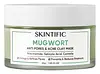
This wash off mask is formulated around Salicylic Acid to clear breakouts and unclog pores.


What's inside
What's inside
 Key Ingredients
Benefits
Concerns
Ingredients Side-by-side
Water
Skin ConditioningMontmorillonite
AbsorbentGlycerin
Humectant


Artemisia Vulgaris Extract
Skin Conditioning

Cetearyl Alcohol
Emollient






Oryza Sativa Bran Oil
Emollient
Methylpropanediol
SolventEthylhexyl Palmitate
Emollient
CI 77891
Cosmetic ColorantMagnesium Aluminometasilicate
AbsorbentGlyceryl Stearate
Emollient
Volcanic Soil
Skin Conditioning
PEG-100 Stearate
Surfactant
1,2-Hexanediol
Skin Conditioning
Hydroxyacetophenone
Antioxidant
Xanthan Gum
EmulsifyingCetearyl Glucoside
Emulsifying
Allantoin
Skin Conditioning
Chlorphenesin
Antimicrobial
Niacinamide
Smoothing







Centella Asiatica Extract
Cleansing
Ceramide As
Skin Conditioning
Ceramide EOP
Skin Conditioning
Ceramide AP
Skin Conditioning
Sodium Hyaluronate
Humectant
Alchemilla Vulgaris Extract
AstringentBisabolol
Antioxidant
Silica
Abrasive
Ethylhexylglycerin
Skin ConditioningDisodium EDTA
ChelatingPentylene Glycol
Skin Conditioning
Sophora Flavescens Root Extract
Antioxidant
Trehalose
Humectant
Opuntia Ficus-Indica Stem Extract
Skin Conditioning
Ophiopogon Japonicus Root Extract
Skin ConditioningHydrogenated Lecithin
Emulsifying
Butylene Glycol
Humectant
Glucose
Humectant
Lactobacillus Ferment
Skin Conditioning
Parfum
Masking


Ceramide NP
Skin Conditioning
Zingiber Officinale Root Extract
Masking
Propylene Glycol
Humectant
Salicylic Acid
Masking

Gentiana Scabra Extract
HumectantAmylopectin
Dextrin
AbsorbentFomes Officinalis Extract
Skin ProtectingPyrus Malus Bark Extract
AstringentCeramide Ns
Skin Conditioning
Ceramide Ng
Skin Conditioning
Propylparaben
Preservative

Glycyrrhiza Inflata Root Extract
Skin Conditioning
Royal Jelly Extract
Skin Conditioning
CI 77492
Cosmetic ColorantWater, Montmorillonite, Glycerin, Artemisia Vulgaris Extract, Cetearyl Alcohol, Oryza Sativa Bran Oil, Methylpropanediol, Ethylhexyl Palmitate, CI 77891, Magnesium Aluminometasilicate, Glyceryl Stearate, Volcanic Soil, PEG-100 Stearate, 1,2-Hexanediol, Hydroxyacetophenone, Xanthan Gum, Cetearyl Glucoside, Allantoin, Chlorphenesin, Niacinamide, Centella Asiatica Extract, Ceramide As, Ceramide EOP, Ceramide AP, Sodium Hyaluronate, Alchemilla Vulgaris Extract, Bisabolol, Silica, Ethylhexylglycerin, Disodium EDTA, Pentylene Glycol, Sophora Flavescens Root Extract, Trehalose, Opuntia Ficus-Indica Stem Extract, Ophiopogon Japonicus Root Extract, Hydrogenated Lecithin, Butylene Glycol, Glucose, Lactobacillus Ferment, Parfum, Ceramide NP, Zingiber Officinale Root Extract, Propylene Glycol, Salicylic Acid, Gentiana Scabra Extract, Amylopectin, Dextrin, Fomes Officinalis Extract, Pyrus Malus Bark Extract, Ceramide Ns, Ceramide Ng, Propylparaben, Glycyrrhiza Inflata Root Extract, Royal Jelly Extract, CI 77492
Kaolin
Abrasive
Water
Skin ConditioningBentonite
Absorbent
Hamamelis Virginiana Extract
Antiseborrhoeic
Aloe Barbadensis Extract
Skin Conditioning
Punica Granatum Extract
AstringentGlycyrrhiza Inflata Root Extract
Skin Conditioning
Isododecane
EmollientAscorbic Acid
Antioxidant
Propylene Glycol
Humectant
Tocopherol
Antioxidant
Scutellaria Baicalensis Root Extract
Astringent
Sophora Flavescens Root Extract
Antioxidant
Citrus Reticulata Fruit Extract
Skin ProtectingRosa Rugosa Flower Oil
Masking
Glyceryl Stearate
Emollient
PEG-120 Glyceryl Stearate
Surfactant
Rosmarinus Officinalis Leaf Oil
Masking
Polysorbate 80
Emulsifying
Xanthan Gum
EmulsifyingAllantoin
Skin Conditioning
Acrylates Copolymer
Phenoxyethanol
Preservative
Ethylhexylglycerin
Skin ConditioningCI 77491
Cosmetic ColorantKaolin, Water, Bentonite, Hamamelis Virginiana Extract, Aloe Barbadensis Extract, Punica Granatum Extract, Glycyrrhiza Inflata Root Extract, Isododecane, Ascorbic Acid, Propylene Glycol, Tocopherol, Scutellaria Baicalensis Root Extract, Sophora Flavescens Root Extract, Citrus Reticulata Fruit Extract, Rosa Rugosa Flower Oil, Glyceryl Stearate, PEG-120 Glyceryl Stearate, Rosmarinus Officinalis Leaf Oil, Polysorbate 80, Xanthan Gum, Allantoin, Acrylates Copolymer, Phenoxyethanol, Ethylhexylglycerin, CI 77491
Reviews
Ingredients Explained
These ingredients are found in both products.
Ingredients higher up in an ingredient list are typically present in a larger amount.
Allantoin is a soothing ingredient known for its protective and moisturizing properties; it's basically a quiet workhorse ingredient you can find in a huge range of cosmetics.
Though it can be derived from the comfrey plant, allantoin is produced synthetically for cosmetic products to ensure purity.
Research shows it can encourage your skin cells to turn over and renew by stimulating keratinocyte and fibroblast proliferation.
It also has mild keratolytic properties to help loosen and shed dead skin cells without being harsh.
Studies also suggest allantoin can help calm inflammation by dialing down some of the chemical signals your skin sends out when it is irritated.
This ingredient is typically used in the 0.1-0.5% range, and the FDA recognizes it as a skin protectant in OTC products up to 2%.
Overall, allantoin is a wonderful addition to most routines; it is stable across a wide pH range (~4-8), works well with other ingredients, and is considered non-sensitizing/non-irritating.
Fun fact: Allantoin is naturally occurring in comfrey root, beets, chamomile, and wheat sprouts. Our bodies even produce it as a byproduct of uric acid metabolism.
Learn more about AllantoinEthylhexylglycerin is created from glycerin. It is a multitasker ingredient that:
The CIR Expert Panel found minimal skin absorption or sensitization of any kind in a safety assessment. Though this ingredient is considered well-tolerated, a small number of cases of allergic dermatitis have been published since 2002. Just be sure to patch test if you are unsure.
Industry-reported use ranges from 8% in rinse-off products and 2% in leave-on formulations.
Learn more about EthylhexylglycerinGlyceryl Stearate is made by reacting glycerin with stearic acid (typically sourced from plant oils like palm or coconut). It's an emulsifier, emollient, and mild occlusive.
Emulsifiers help ingredients like oil and water stay mixed so your formula stays nicely blended and uniform in texture.
This ingredient is typically used in concentrations between 1-10%. Studies have found it to be non-sensitizing, non-phototoxic, and non-photoallergenic.
A close cousin of this ingredient is Glyceryl Stearate SE ("self-emulsifying"). This just has a small amount of sodium or potassium stearate added so it can emulsify without a co-emulsifier.
Since this ingredient is an ester of a C18 fatty acid, it may not be fungal acne safe. The Malassezia yeast can potentially metabolize within the C11-C24 range.
Fun fact: The human body also creates Glyceryl Stearate naturally.
Learn more about Glyceryl StearateThis ingredient comes from the Chinese licorice species, Glycyrrhiza Inflata. It has skin conditioning, soothing, and antioxidant properties.
The flavonoids in this ingredient show anti-inflammatory and antioxidant activities in lab studies. These compounds may also play a role in supporting a more even skin tone and helping to control microbial activity on acne-prone skin.
Propylene Glycol is a synthetic, colorless, odorless liquid that has been a staple in cosmetics for decades. It is a skin conditioning agent, humectant, and solvent.
As a humectant, it draw water to the skin to reduce flaking and restore suppleness. It's also a solvent that helps dissolve other actives and keeps formulas stable across temperature changes.
The CIR Expert Panel has confirmed this ingredient to be nontoxic and clinical studies show no sensitization at cosmetic use concentrations.
True allergic reactions are quite rare: a 15-year retrospective study of 6,751 patients found only 0.31% had a positive reaction (and less than half were considered clinically relevant).
It seemed that when sensitization does occur, it's most commonly linked to topical medication (like corticosteroids) and not cosmetics. Allergic contact dermatitis also appears largely limited to individuals with underlying skin conditions.
Overall, propylene glycol is a well-studied ingredient that most people can tolerate without issue.
Learn more about Propylene GlycolSophora Flavescens Root Extract is an antioxidant. It can help to reduce redness.
Water. It's the most common cosmetic ingredient of all. You'll usually see it at the top of ingredient lists, meaning that it makes up the largest part of the product.
So why is it so popular? Water most often acts as a solvent - this means that it helps dissolve other ingredients into the formulation.
You'll also recognize water as that liquid we all need to stay alive. If you see this, drink a glass of water. Remember to stay hydrated!
Learn more about WaterXanthan gum is used as a stabilizer and thickener within cosmetic products. It helps give products a sticky, thick feeling - preventing them from being too runny.
On the technical side of things, xanthan gum is a polysaccharide - a combination consisting of multiple sugar molecules bonded together.
Xanthan gum is a pretty common and great ingredient. It is a natural, non-toxic, non-irritating ingredient that is also commonly used in food products.
Learn more about Xanthan Gum

