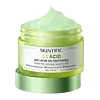
This acne moisturizer is formulated around Lactobionic Acid and Lactic Acid to clear breakouts and refine skin texture.
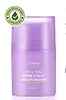
This acne moisturizer is formulated around Centella Asiatica Leaf Extract and 4-Terpineol to clear breakouts and calm redness.


What's inside
What's inside
 Key Ingredients
Benefits
Concerns
Ingredients Side-by-side
Water
Skin ConditioningButylene Glycol
Humectant

Dimethicone/Vinyl Dimethicone Crosspolymer
Skin Conditioning
Cyclopentasiloxane
Emollient
Lactobionic Acid
Buffering







Lactic Acid
Buffering




Glycerin
Humectant
Cyclohexasiloxane
Emollient
1,2-Hexanediol
Skin Conditioning
Hydroxyacetophenone
Antioxidant
Methyl Gluceth-20
Humectant
Carbomer
Emulsion StabilisingSalicylic Acid
Masking


Sophora Flavescens Root Extract
Antioxidant
Trehalose
Humectant
Ammonium Acryloyldimethyltaurate/Vp Copolymer
Pentylene Glycol
Skin Conditioning
Ophiopogon Japonicus Root Extract
Skin ConditioningOpuntia Ficus-Indica Stem Extract
Skin Conditioning
Sodium Salicylate
Preservative
Portulaca Oleracea Extract
Skin Conditioning
Tribulus Terrestris Fruit Extract
Skin ConditioningSodium Hydroxide
BufferingDisodium EDTA
Chelating10-Hydroxydecanoic Acid
Skin ConditioningCornus Officinalis Fruit Extract
Skin ConditioningPanthenol
Skin Conditioning
Ectoin
Skin Conditioning
CI 42090
Cosmetic ColorantArginine/Lysine Polypeptide
Skin Conditioning
Maltodextrin
Absorbent
Centella Asiatica Leaf Extract
Skin Conditioning
Propylene Glycol
Humectant
Glycolic Acid
Buffering
Polysorbate 80
Emulsifying
Sodium Magnesium Silicate
Citric Acid
Buffering
Caprylic/Capric Triglyceride
Masking
Xanthan Gum
EmulsifyingSimmondsia Chinensis Seed Oil
Emollient
Butyrospermum Parkii Butter
Skin Conditioning

Tocopheryl Acetate
Antioxidant
Water, Butylene Glycol, Dimethicone/Vinyl Dimethicone Crosspolymer, Cyclopentasiloxane, Lactobionic Acid, Lactic Acid, Glycerin, Cyclohexasiloxane, 1,2-Hexanediol, Hydroxyacetophenone, Methyl Gluceth-20, Carbomer, Salicylic Acid, Sophora Flavescens Root Extract, Trehalose, Ammonium Acryloyldimethyltaurate/Vp Copolymer, Pentylene Glycol, Ophiopogon Japonicus Root Extract, Opuntia Ficus-Indica Stem Extract, Sodium Salicylate, Portulaca Oleracea Extract, Tribulus Terrestris Fruit Extract, Sodium Hydroxide, Disodium EDTA, 10-Hydroxydecanoic Acid, Cornus Officinalis Fruit Extract, Panthenol, Ectoin, CI 42090, Arginine/Lysine Polypeptide, Maltodextrin, Centella Asiatica Leaf Extract, Propylene Glycol, Glycolic Acid, Polysorbate 80, Sodium Magnesium Silicate, Citric Acid, Caprylic/Capric Triglyceride, Xanthan Gum, Simmondsia Chinensis Seed Oil, Butyrospermum Parkii Butter, Tocopheryl Acetate
Water
Skin ConditioningGlycerin
Humectant
Cyclopentasiloxane
Emollient
Butylene Glycol
Humectant
Garcinia Mangostana Peel Extract
Skin ConditioningIsononyl Isononanoate
EmollientCentella Asiatica Leaf Extract
Skin Conditioning
Propylene Glycol
Humectant
Polyacrylamide
Salix Alba Bark Extract
Astringent
4-Terpineol
Masking
Succinic Acid
BufferingMadecassoside
Antioxidant
Salicylic Acid
Masking
Triethanolamine
BufferingCetearyl Alcohol
Emollient
Cetyl Alcohol
Emollient
Glyceryl Stearate
Emollient
Methylpropanediol
SolventPEG-40 Stearate
Emulsifying
Ceteareth-20
Cleansing
Xanthan Gum
EmulsifyingTetrasodium EDTA
ChelatingCitric Acid
Buffering
PEG-40 Hydrogenated Castor Oil
Emulsifying
Phenoxyethanol
Preservative
Potassium Sorbate
Preservative
Sodium Benzoate
Masking
Water, Glycerin, Cyclopentasiloxane, Butylene Glycol, Garcinia Mangostana Peel Extract, Isononyl Isononanoate, Centella Asiatica Leaf Extract, Propylene Glycol, Polyacrylamide, Salix Alba Bark Extract, 4-Terpineol, Succinic Acid, Madecassoside, Salicylic Acid, Triethanolamine, Cetearyl Alcohol, Cetyl Alcohol, Glyceryl Stearate, Methylpropanediol, PEG-40 Stearate, Ceteareth-20, Xanthan Gum, Tetrasodium EDTA, Citric Acid, PEG-40 Hydrogenated Castor Oil, Phenoxyethanol, Potassium Sorbate, Sodium Benzoate
Reviews
Ingredients Explained
These ingredients are found in both products.
Ingredients higher up in an ingredient list are typically present in a larger amount.
Butylene Glycol (or BG) is used within cosmetic products for a few different reasons:
Overall, Butylene Glycol is a safe and well-rounded ingredient that works well with other ingredients.
Though this ingredient works well with most skin types, some people with sensitive skin may experience a reaction such as allergic rashes, closed comedones, or itchiness.
Learn more about Butylene GlycolCentella Asiatica Leaf Extract comes from the leaves of an herb plant native to Southeast Asia. Centella Asiatica is rich in antioxidants and amino acids. It can help reduce irritation and soothe the skin.
Many active components found in centella asiatica, such as Madecassic Acid and Asiaticoside, encourage the skin to naturally produce hyaluronic acid. This helps keep our skin hydrated. Many of these components also show antioxidant activity and may help reduce the signs of aging.
Research shows centella asiatica can help increase Type I collagen production by increasing fibroblast production. Fibroblast helps form connective tissue.
The combination of all these properties makes centella asiatica leaf extract effective at soothing the skin.
Other components of centella asiatica leaf extract include Vitamin A, vitamin C, several B vitamins, and Asiatic Acid.
Recent studies found madecassoside may help prevent damage from UV rays by preventing UV-induced inflammation. Further research is needed.
This plant has been used as a medicine and in food for many centuries. As a medicine, it is used to treat burns, scratches, and wounds.
Learn more about Centella Asiatica Leaf ExtractCitric Acid is an alpha hydroxy acid (AHA) naturally found in citrus fruits like oranges, lemons, and limes.
Like other AHAs, citric acid can exfoliate skin by breaking down the bonds that hold dead skin cells together. This helps reveal smoother and brighter skin underneath.
However, this exfoliating effect only happens at high concentrations (20%) which can be hard to find in cosmetic products.
Due to this, citric acid is usually included in small amounts as a pH adjuster. This helps keep products slightly more acidic and compatible with skin's natural pH.
In skincare formulas, citric acid can:
While it can provide some skin benefits, research shows lactic acid and glycolic acid are generally more effective and less irritating exfoliants.
Most citric acid used in skincare today is made by fermenting sugars (usually from molasses). This synthetic version is identical to the natural citrus form but easier to stabilize and use in formulations.
Rosacea skin has a lower threshold for acids generally, with 62.5% of rosacea subjects in one study reacting to lactic acid in a sting test. This is why we mark citric acid as a potential rosacea trigger.
However, this ingredient shows up as a pH adjuster or chelator at roughly 0.1-1% in many products. These low levels are unlikely to be an issue for rosacea skin and becomes a potential trigger at exfoliating concentrations (20%). Because everybody's skin is unique, we recommend a patch test if you are unsure.
Learn more about Citric AcidCyclopentasiloxane (D5) is a lightweight silicone that mostly acts as an emollient and solvent in cosmetics. Its the reason your products feel silky, fast-spreading, and non-greasy.
Since D5 is volatile, it does its thing and then evaporates off the skin quickly.
The safety profile of this ingredient is reassuring; the US CIR Expert Panel concluded D5 is safe as used in cosmetics and Health Canada concluded that D5 is not harmful to human health or the environment as currently used in cosmetics
There's a study that people mention about D5 in a rat study showing tumors. This study is related to long-term inhalation of high D5 levels.
Regulatory bodies have judged this study to be not applicable in topical skincare since skin absorption of D5 is very low and we're not really inhaling huge amounts of D5.
The only restriction for this ingredient is environmental. The European Chemicals Agency (ECHA) restricted D5 in wash-off cosmetics at or above 0.1% due to their persistence in water.
Learn more about CyclopentasiloxaneGlycerin (or glycerol) is a compound naturally found in your skin. It's a powerhouse humectant that pulls water into the stratum corneum.
Topically, glycerin does several things at once:
Your skin makes glycerin on its own (mostly from sebaceous oil breakdown) and shuttles it to your outermost layer of skin, or your epidermis, via aquaporin-3.
Aquaporin-3 is a transporter that is essential for normal skin hydration, elasticity, and repair. Interestingly, mice lacking in AQP3 have dry and less elastic skin that can be fully corrected with glycerin.
This ingredient is non-irritating, plays well with almost every ingredient, and works across all skin types. Typical use is anywhere between 3-10% but can go up to 79% in some leave-on products.
Just know very high concentrations (>40%) can feel tacky in low humidity.
Glycerin is the name for this ingredient in American English. British English uses Glycerol/Glycerine.
Learn more about GlycerinPropylene Glycol is a synthetic, colorless, odorless liquid that has been a staple in cosmetics for decades. It is a skin conditioning agent, humectant, and solvent.
As a humectant, it draw water to the skin to reduce flaking and restore suppleness. It's also a solvent that helps dissolve other actives and keeps formulas stable across temperature changes.
The CIR Expert Panel has confirmed this ingredient to be nontoxic and clinical studies show no sensitization at cosmetic use concentrations.
True allergic reactions are quite rare: a 15-year retrospective study of 6,751 patients found only 0.31% had a positive reaction (and less than half were considered clinically relevant).
It seemed that when sensitization does occur, it's most commonly linked to topical medication (like corticosteroids) and not cosmetics. Allergic contact dermatitis also appears largely limited to individuals with underlying skin conditions.
Overall, propylene glycol is a well-studied ingredient that most people can tolerate without issue.
Learn more about Propylene GlycolSalicylic Acid (also known as beta hydroxy acid or BHA) is a well-known ingredient for treating skin that struggles with acne and clogged pores. It exfoliates both the skin's surface and deep within the pores to help clear out buildup, control oil, and reduce inflammation.
Unlike AHAs (alpha hydroxy acids), salicylic acid is oil-soluble. This allows it to penetrate into pores which makes it especially effective for treating blackheads and preventing future breakouts.
Salicylic acid is also known for its soothing properties. It has a similar structure to aspirin and can calm inflamed or irritated skin, making it a good option for acne-prone skin that is also sensitive.
Concentrations of 0.5-2% are recognized by the U.S. FDA as an over-the-counter topical acne product.
It can cause irritation and/or dryness if one's skin already has a compromised moisture barrier, so it's best to focus on repairing that before introducing this ingredient into your routine.
While salicylic acid does not increase sun sensitivity, it’s still important to wear sunscreen daily to protect your skin.
If you are looking for the ingredient called BHA or Butylated Hydroxyanisole, click here.
Learn more about Salicylic AcidWater. It's the most common cosmetic ingredient of all. You'll usually see it at the top of ingredient lists, meaning that it makes up the largest part of the product.
So why is it so popular? Water most often acts as a solvent - this means that it helps dissolve other ingredients into the formulation.
You'll also recognize water as that liquid we all need to stay alive. If you see this, drink a glass of water. Remember to stay hydrated!
Learn more about WaterXanthan gum is used as a stabilizer and thickener within cosmetic products. It helps give products a sticky, thick feeling - preventing them from being too runny.
On the technical side of things, xanthan gum is a polysaccharide - a combination consisting of multiple sugar molecules bonded together.
Xanthan gum is a pretty common and great ingredient. It is a natural, non-toxic, non-irritating ingredient that is also commonly used in food products.
Learn more about Xanthan Gum

