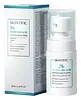
This brightening serum is formulated around Tranexamic Acid and Niacinamide to fade the look of dark spots and brighten dull-looking skin.
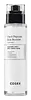
This anti-aging serum is formulated around Niacinamide and Acetyl Hexapeptide-8 to soften the look of wrinkles and strengthen the skin barrier.


What's inside
What's inside
 Key Ingredients
Benefits
Concerns
Ingredients Side-by-side
Water
Skin ConditioningButylene Glycol
Humectant

Pentylene Glycol
Skin Conditioning
Betaine
Humectant
Tranexamic Acid
Astringent



Niacinamide
Smoothing






Alpha-Arbutin
Antioxidant

Isononyl Isononanoate
EmollientCyclopentasiloxane
Emollient
PEG-32
HumectantCyclohexasiloxane
Emollient
Dimethicone/PEG-10/15 Crosspolymer
Ectoin
Skin Conditioning
Hydroxyethylpiperazine Ethane Sulfonic Acid
BufferingAllantoin
Skin Conditioning
Centella Asiatica Extract
Cleansing
Sodium Hyaluronate
Humectant
Bis-PEG/PPG-20/5 PEG/PPG-20/5 Dimethicone
Emulsifying
Methoxy PEG/PPG-25/4 Dimethicone
Emulsifying
Soy Amino Acids
Skin ConditioningAcetyl Glucosamine
Skin Conditioning
Ceramide EOP
Skin Conditioning
Ceramide Ns
Skin Conditioning
Ceramide Ng
Skin Conditioning
Ceramide NP
Skin Conditioning
Ceramide AP
Skin Conditioning
Glycyrrhiza Glabra Root Extract
Bleaching
Ceramide As
Skin Conditioning
Arginine
Masking
Galactomyces Ferment Filtrate
Humectant

Decarboxy Carnosine Hcl
Skin ConditioningHydrolyzed Sodium Hyaluronate
Skin Conditioning
Tocopherol
Antioxidant
Ergothioneine
Antioxidant
Nonapeptide-1
Skin Conditioning
Oligopeptide-1
Skin Conditioning
Hexapeptide-2
Bleaching
Hexapeptide-9
Skin Conditioning
Sodium Acetylated Hyaluronate
Humectant
Sodium Hyaluronate Crosspolymer
Humectant
Citrus Reticulata Fruit Extract
Skin ProtectingCarbenia Benedicta Extract
Skin ConditioningHydrogenated Lecithin
Emulsifying
Palmitoyl Tripeptide-1
Skin Conditioning
Palmitoyl Tetrapeptide-7
Skin Conditioning
Glyceryl Stearate
Emollient
Sodium Polyglutamate
HumectantPolyacrylate Crosspolymer-6
Emulsion StabilisingEthylhexylglycerin
Skin ConditioningHydroxyphenyl Propamidobenzoic Acid
Skin ConditioningDipropylene Glycol
HumectantSodium Citrate
BufferingCetyl-Pg Hydroxyethyl Palmitamide
Skin ConditioningCarbomer
Emulsion StabilisingCholesterol
Emollient
Glycerin
Humectant
1,2-Hexanediol
Skin Conditioning
Propanediol
Solvent
Potassium Sorbate
Preservative
Phenoxyethanol
Preservative
Sodium Lactate
Buffering
Polysorbate 20
Emulsifying
Water, Butylene Glycol, Pentylene Glycol, Betaine, Tranexamic Acid, Niacinamide, Alpha-Arbutin, Isononyl Isononanoate, Cyclopentasiloxane, PEG-32, Cyclohexasiloxane, Dimethicone/PEG-10/15 Crosspolymer, Ectoin, Hydroxyethylpiperazine Ethane Sulfonic Acid, Allantoin, Centella Asiatica Extract, Sodium Hyaluronate, Bis-PEG/PPG-20/5 PEG/PPG-20/5 Dimethicone, Methoxy PEG/PPG-25/4 Dimethicone, Soy Amino Acids, Acetyl Glucosamine, Ceramide EOP, Ceramide Ns, Ceramide Ng, Ceramide NP, Ceramide AP, Glycyrrhiza Glabra Root Extract, Ceramide As, Arginine, Galactomyces Ferment Filtrate, Decarboxy Carnosine Hcl, Hydrolyzed Sodium Hyaluronate, Tocopherol, Ergothioneine, Nonapeptide-1, Oligopeptide-1, Hexapeptide-2, Hexapeptide-9, Sodium Acetylated Hyaluronate, Sodium Hyaluronate Crosspolymer, Citrus Reticulata Fruit Extract, Carbenia Benedicta Extract, Hydrogenated Lecithin, Palmitoyl Tripeptide-1, Palmitoyl Tetrapeptide-7, Glyceryl Stearate, Sodium Polyglutamate, Polyacrylate Crosspolymer-6, Ethylhexylglycerin, Hydroxyphenyl Propamidobenzoic Acid, Dipropylene Glycol, Sodium Citrate, Cetyl-Pg Hydroxyethyl Palmitamide, Carbomer, Cholesterol, Glycerin, 1,2-Hexanediol, Propanediol, Potassium Sorbate, Phenoxyethanol, Sodium Lactate, Polysorbate 20
Water
Skin ConditioningDipropylene Glycol
HumectantGlycerin
Humectant
Pentylene Glycol
Skin Conditioning
1,2-Hexanediol
Skin Conditioning
Niacinamide
Smoothing
Acetyl Hexapeptide-8
Humectant
Copper Tripeptide-1
Skin Conditioning
Sh-Polypeptide-121
Skin Conditioning
Dipeptide Diaminobutyroyl Benzylamide Diacetate
Skin Conditioning
Oligopeptide-68
Bleaching
Palmitoyl Tripeptide-8
Skin Conditioning
Allantoin
Skin Conditioning
Sodium Hyaluronate
Humectant
Acetyl Glucosamine
Skin Conditioning
Serine
Masking
Alanine
Masking
Glycine
Buffering
Threonine
Arginine
Masking
Proline
Skin Conditioning
Betaine
Humectant
Sodium PCA
Humectant
Sodium Lactate
Buffering
PCA
Humectant
Glutamic Acid
Humectant
Lysine Hcl
Skin Conditioning
Tocopherol
Antioxidant
Dextran
Glycine Soja Oil
Emollient



Hydrogenated Lecithin
Emulsifying
Ammonium Acryloyldimethyltaurate/Vp Copolymer
Polyacrylate Crosspolymer-6
Emulsion StabilisingButylene Glycol
Humectant
Xanthan Gum
EmulsifyingEthylhexylglycerin
Skin ConditioningAdenosine
Skin Conditioning
Polyquaternium-51
Skin Conditioning
Disodium EDTA
ChelatingCitric Acid
Buffering
Caprylyl Glycol
Emollient
T-Butyl Alcohol
Perfuming



Potassium Sorbate
Preservative
Sodium Oleate
CleansingWater, Dipropylene Glycol, Glycerin, Pentylene Glycol, 1,2-Hexanediol, Niacinamide, Acetyl Hexapeptide-8, Copper Tripeptide-1, Sh-Polypeptide-121, Dipeptide Diaminobutyroyl Benzylamide Diacetate, Oligopeptide-68, Palmitoyl Tripeptide-8, Allantoin, Sodium Hyaluronate, Acetyl Glucosamine, Serine, Alanine, Glycine, Threonine, Arginine, Proline, Betaine, Sodium PCA, Sodium Lactate, PCA, Glutamic Acid, Lysine Hcl, Tocopherol, Dextran, Glycine Soja Oil, Hydrogenated Lecithin, Ammonium Acryloyldimethyltaurate/Vp Copolymer, Polyacrylate Crosspolymer-6, Butylene Glycol, Xanthan Gum, Ethylhexylglycerin, Adenosine, Polyquaternium-51, Disodium EDTA, Citric Acid, Caprylyl Glycol, T-Butyl Alcohol, Potassium Sorbate, Sodium Oleate
Reviews
Ingredients Explained
These ingredients are found in both products.
Ingredients higher up in an ingredient list are typically present in a larger amount.
1,2-Hexanediol is a synthetic liquid and another multi-functional powerhouse.
It is a:
- Humectant, drawing moisture into the skin
- Emollient, helping to soften skin
- Solvent, dispersing and stabilizing formulas
- Preservative booster, enhancing the antimicrobial activity of other preservatives
Acetyl Glucosamine is an antioxidant and humectant. It is an amino acid sugar and is naturally found in our skin.
The cool thing about this ingredient? It helps the skin produce hyaluronic acid and boost hydration. It also has antioxidant benefits to protect skin cells.
When paired with niacinamide, Acetyl Glucosamine has been shown to be effective at reducing discoloration.
Learn more about Acetyl GlucosamineAllantoin is a soothing ingredient known for its protective and moisturizing properties; it's basically a quiet workhorse ingredient you can find in a huge range of cosmetics.
Though it can be derived from the comfrey plant, allantoin is produced synthetically for cosmetic products to ensure purity.
Research shows it can encourage your skin cells to turn over and renew by stimulating keratinocyte and fibroblast proliferation.
It also has mild keratolytic properties to help loosen and shed dead skin cells without being harsh.
Studies also suggest allantoin can help calm inflammation by dialing down some of the chemical signals your skin sends out when it is irritated.
This ingredient is typically used in the 0.1-0.5% range, and the FDA recognizes it as a skin protectant in OTC products up to 2%.
Overall, allantoin is a wonderful addition to most routines; it is stable across a wide pH range (~4-8), works well with other ingredients, and is considered non-sensitizing/non-irritating.
Fun fact: Allantoin is naturally occurring in comfrey root, beets, chamomile, and wheat sprouts. Our bodies even produce it as a byproduct of uric acid metabolism.
Learn more about AllantoinArginine is a semi-essential amino acid. This just means our bodies can product a bit on its own, but sometimes needs a little boost from food sources.
It is a part of your skin's natural moisturizing factor (NMF), or the water-loving molecules in your outermost layer of skin (stratum corneum) that keeps everything hydrated and happy.
Here's an interesting thing about Arginine: your skin converts it into urea through the Krebs-Henseleit urea cycle. Urea is one of the most effective humectants your skin naturally produces.
A clinical study showed applying 2.5% arginine hydrochloride to atopic dermatitis skin showed significant urea levels in the stratum corneum and improved moisture in just four weeks.
Arginine is also a precursor to nitric oxide; nitric oxide improves microcirculation and supports wound healing and collagen synthesis.
One study found that an amino acid complex containing Arginine reduced skin irritation, improved hydration, and accelerated skin repair in clinical / in-vivo studies.
Arginine itself is an amino acid and not a fatty acid, oil, or ester. On its own, it's not a direct food source for Malassezia, or the yeast that causes fungal acne.
Learn more about ArginineBetaine is a humectant. Like hyaluronic acid, it helps attract and retain moisture in the skin. It’s known for being gentle and for helping the skin maintain balanced hydration.
Betaine is mainly used to improve hydration and support calmer skin. It helps skin cells regulate water balance because it functions as an osmolyte.
Some studies suggest betaine may support making skin tone more even.
Fun fact: Betaine naturally exists in the skin and the body. In cosmetic products, it can be either plant-derived (most commonly from sugar beets) or synthetically produced for consistency and stability.
Betaine is also known as trimethylglycine.
Learn more about BetaineButylene Glycol (or BG) is used within cosmetic products for a few different reasons:
Overall, Butylene Glycol is a safe and well-rounded ingredient that works well with other ingredients.
Though this ingredient works well with most skin types, some people with sensitive skin may experience a reaction such as allergic rashes, closed comedones, or itchiness.
Learn more about Butylene GlycolDipropylene Glycol is a synthetically created humectant, stabilizer, and solvent.
This ingredient helps:
Dipropylene glycol is technically an alcohol, but it belongs to the glycol family (often considered part of the ‘good’ alcohols). This means it is hydrating and gentle on skin unlike drying solvent alcohols like denatured alcohol.
As a masking agent, Dipropylene Glycol can be used to cover the smell of other ingredients. However, it does not have a scent.
Studies show Dipropylene Glycol is considered safe to use in skincare.
Learn more about Dipropylene GlycolEthylhexylglycerin is created from glycerin. It is a multitasker ingredient that:
The CIR Expert Panel found minimal skin absorption or sensitization of any kind in a safety assessment. Though this ingredient is considered well-tolerated, a small number of cases of allergic dermatitis have been published since 2002. Just be sure to patch test if you are unsure.
Industry-reported use ranges from 8% in rinse-off products and 2% in leave-on formulations.
Learn more about EthylhexylglycerinGlycerin (or glycerol) is a compound naturally found in your skin. It's a powerhouse humectant that pulls water into the stratum corneum.
Topically, glycerin does several things at once:
Your skin makes glycerin on its own (mostly from sebaceous oil breakdown) and shuttles it to your outermost layer of skin, or your epidermis, via aquaporin-3.
Aquaporin-3 is a transporter that is essential for normal skin hydration, elasticity, and repair. Interestingly, mice lacking in AQP3 have dry and less elastic skin that can be fully corrected with glycerin.
This ingredient is non-irritating, plays well with almost every ingredient, and works across all skin types. Typical use is anywhere between 3-10% but can go up to 79% in some leave-on products.
Just know very high concentrations (>40%) can feel tacky in low humidity.
Glycerin is the name for this ingredient in American English. British English uses Glycerol/Glycerine.
Learn more about GlycerinHydrogenated Lecithin is a more stable version of lecithin.
It's made by taking lecithin (a phospholipid commonly found in soybeans and egg yolks) and hydrogenating it. This just means the unsaturated fatty acids are turned into saturated ones so they don't go bad as easily.
This ingredient is an emollient, emulsifier, and penetration enhancer. As an emollient, it helps soften and hydrate skin by trapping moisture within. As an emulsifier, it prevents oil and water ingredients from separating.
Hydrogenated Lecithin can form tiny spherical structures made of phospholipid bilayers called liposomes. These liposomes are able to capture compounds inside their structure and deliver them through the skin barrier.
Because phospholipids are a natural component of our cell membranes, this ingredient is inherently compatible with skin.
A 2021 study found lecithin-based surfactants were less harsh and more tolerable comared to Sodium Lauryl Sulfate (SLS).
Learn more about Hydrogenated LecithinNiacinamide is a multitasking form of vitamin B3 that strengthens the skin barrier, reduces pores and dark spots, regulates oil, and improves signs of aging.
And the best part? It's gentle and well-tolerated by most skin types, including sensitive and reactive skin.
You might have heard of "niacin flush", or the reddening of skin that causes itchiness. Niacinamide has not been found to cause this.
In very rare cases, some individuals may not be able to tolerate niacinamide at all or experience an allergic reaction to it.
If you are experiencing flaking, irritation, and dryness with this ingredient, be sure to double check all your products as this ingredient can be found in all categories of skincare.
When incorporating niacinamide into your routine, look out for concentration amounts. Typically, 5% niacinamide provides benefits such as fading dark spots. However, if you have sensitive skin, it is better to begin with a smaller concentration.
When you apply niacinamide to your skin, your body converts it into nicotinamide adenine dinucleotide (NAD). NAD is an essential coenzyme that is already found in your cells as "fuel" and powers countless biological processes.
In your skin, NAD helps repair cell damage, produce new healthy cells, support collagen production, strengthen the skin barrier, and fight environmental stressors (like UV and pollution).
Our natural NAD levels start to decline with age, leading to slower skin repair, visible aging, and a weaker skin barrier. By providing your skin niacinamide, you're recharging your skin's NAD levels. This leads to stronger, healthier, and younger looking skin.
Another name for vitamin B3 is nicotinamide. This vitamin is water-soluble and our bodies don't store it. We obtain Vitamin B3 from either food or skincare. Meat, fish, wheat, yeast, and leafy greens contain vitamin B3.
The type of niacinamide used in skincare is synthetically created.
Learn more about NiacinamidePentylene Glycol (1,2-pentanediol) is a multitasking little diol with three main roles in a formula:
Research on alkanediols (the family pentylene glycol belongs to) show they work by disrupting microbial cell membranes. This disruption helps the primary preservative system in a product work more effectively at lower doses.
On the safety side, the Cosmetic Ingredient Review Expert Panel has concluded this ingredient to be safe as used in current cosmetic practices + concentrations.
Typical use levels in a formula run about 1-5%.
Learn more about Pentylene GlycolPolyacrylate Crosspolymer-6 is a texture enhancer and pH adjuster.
It is be used to thicken water-based products and create a gel-texture with a velvet feel.
One manufacturer claims this ingredient to have a pH range of 2-8 and to be biodegradable.
This ingredient is also known as Sepimax Zen.
Learn more about Polyacrylate Crosspolymer-6Potassium Sorbate is a preservative used to prevent yeast and mold in products. It is commonly found in both cosmetic and food products.
This ingredient comes from potassium salt derived from sorbic acid. Sorbic acid is a natural antibiotic and effective against fungus.
Both potassium sorbate and sorbic acid can be found in baked goods, cheeses, dried meats, dried fruit, ice cream, pickles, wine, yogurt, and more.
You'll often find this ingredient used with other preservatives.
Learn more about Potassium SorbateSodium Hyaluronate is the salt form of hyaluronic acid. It is a long sugar chain that is naturally found in your skin, joints, and connective tissue that maintains hydration and elasticity.
In skincare, it works as a humectant. It pulls water from the environment and deeper layers of skin and binds it to the surface.
Interestingly, the size of the molecule affects its behavior:
Some clinical evidence links low molecular weight versions to improved wrinkle depth, elasticity, anti-inflammatory effects, and barrier repair.
Many serums use a blend of both weights so you can get surface hydration plus longer-lasting and deeper effects.
You'll typically see concentrations between 0.1-2% for this ingredient.
Learn more about Sodium HyaluronateSodium Lactate is the sodium salt of lactic acid, an AHA. It is a humectant and sometimes used to adjust the pH of a product.
This ingredient is part of our skin's NMF, or natural moisturizing factor. Our NMF is essential for the hydration of our top skin layers and plasticity of skin. NMF also influences our skin's natural acid mantle and pH, which protects our skin from harmful bacteria.
High percentages of Sodium Lactate can have an exfoliating effect.
Fun fact: Sodium Lactate is produced from fermented sugar.
Learn more about Sodium LactateTocopherol is a fat-soluble antioxidant known as Vitamin E.
You'll find this ingredient in the vast majority of skincare (for good reason). It works to neutralize free radicals, or unstable molecules generated by UV exposure, pollution, and other environmental stressors, before they can cause oxidative damage to your skin cells.
Topically applied tocopherol has been shown to protect against UV damage by ramping up the skin's own natural defense enzymes.
It also acts as a skin conditioning agent; some studies show that regular topical use can improve the skin's water-binding capacity over 2-4 weeks.
This ingredient is especially loved for being a team player. When combined with Vitamin C, the photoprotective effect of both ingredients roughly doubles and the combo also helps reduce UV-induced DNA damage.
This ingredient has some brightening potential but it's more of a prevention ingredient than spot-fader. Cell studies show it can slow down melanin production but it's worth noting that it's not the most powerful brightener out there.
In formulations, it also serves as a stabilizer that helps protect other oxidation-prone ingredients from degrading.
Concentrations usually range from 0.1-1% in most leave-on products.
Learn more about TocopherolWater. It's the most common cosmetic ingredient of all. You'll usually see it at the top of ingredient lists, meaning that it makes up the largest part of the product.
So why is it so popular? Water most often acts as a solvent - this means that it helps dissolve other ingredients into the formulation.
You'll also recognize water as that liquid we all need to stay alive. If you see this, drink a glass of water. Remember to stay hydrated!
Learn more about Water

