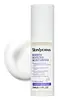
This barrier-repair moisturizer is formulated around Vitis Vinifera Seed Oil and Squalane to strengthen the skin barrier and hydrate skin.
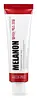
This brightening treatment is formulated around Niacinamide and Alpha-Arbutin to fade the look of dark spots and brighten dull-looking skin.


What's inside
What's inside
 Key Ingredients
Benefits
Concerns
Ingredients Side-by-side
Water
Skin ConditioningVitis Vinifera Seed Oil
Emollient




Betaine
Humectant

Glycerin
Humectant
Propanediol
Solvent
Squalane
Emollient
Simmondsia Chinensis Seed Oil
Emollient
Polyacrylate-13
Saccharide Isomerate
Humectant
Phenoxyethanol
Preservative
Nelumbo Nucifera Leaf Extract
Skin ConditioningPolyisobutene
Panthenol
Skin Conditioning
Camellia Sinensis Leaf Extract
Antimicrobial



Psidium Guajava Leaf Extract
AstringentAngelica Gigas Extract
Skin ConditioningCarbomer
Emulsion StabilisingTocopherol
Antioxidant

Helianthus Annuus Seed Oil
Emollient
Polysorbate 20
Emulsifying
Ceramide NP
Skin Conditioning
Ceramide AP
Skin Conditioning
Ceramide EOP
Skin Conditioning
Phytosphingosine
Skin Conditioning
Cholesterol
Emollient
Sodium Lauroyl Lactylate
EmulsifyingXanthan Gum
EmulsifyingSorbitan Isostearate
Emulsifying
Citric Acid
Buffering
Sodium Citrate
BufferingButylene Glycol
Humectant
Ethylhexylglycerin
Skin ConditioningSodium Hydroxide
BufferingWater, Vitis Vinifera Seed Oil, Betaine, Glycerin, Propanediol, Squalane, Simmondsia Chinensis Seed Oil, Polyacrylate-13, Saccharide Isomerate, Phenoxyethanol, Nelumbo Nucifera Leaf Extract, Polyisobutene, Panthenol, Camellia Sinensis Leaf Extract, Psidium Guajava Leaf Extract, Angelica Gigas Extract, Carbomer, Tocopherol, Helianthus Annuus Seed Oil, Polysorbate 20, Ceramide NP, Ceramide AP, Ceramide EOP, Phytosphingosine, Cholesterol, Sodium Lauroyl Lactylate, Xanthan Gum, Sorbitan Isostearate, Citric Acid, Sodium Citrate, Butylene Glycol, Ethylhexylglycerin, Sodium Hydroxide
Water
Skin ConditioningButyrospermum Parkii Butter
Skin Conditioning


Butylene Glycol
Humectant
Caprylic/Capric Triglyceride
Masking
Betaine
Humectant
Hydrogenated Polydecene
EmollientDimethicone
Emollient
Niacinamide
Smoothing


Polyglyceryl-3 Methylglucose Distearate
Emulsifying
Cetearyl Alcohol
Emollient
Glyceryl Stearate
Emollient
Beeswax
Emulsion Stabilising
Alpha-Arbutin
Antioxidant
Broussonetia Kazinoki Callus Culture Extract
Skin ConditioningMagnesium Ascorbyl Phosphate
Antioxidant
Glycyrrhiza Uralensis Extract
EmollientPEG-100 Stearate
Surfactant
Dimethicone/Vinyl Dimethicone Crosspolymer
Skin Conditioning
Sorbitan Stearate
Emulsifying
Sucrose Cocoate
Emulsifying
Cysteine
Antioxidant
Ascorbic Acid
Antioxidant
Carnitine
Cleansing
Tranexamic Acid
Astringent
Aletris Farinosa Root Extract
Antioxidant
Biota Orientalis Leaf Extract
HumectantZanthoxylum Schinifolium Leaf Extract
Skin ConditioningPolygonum Cuspidatum Root Extract
Antioxidant
Hamamelis Virginiana Extract
Antiseborrhoeic
Morus Alba Bark Extract
Skin ConditioningPhyllanthus Emblica Fruit Extract
HumectantTrichosanthes Kirilowii Root Extract
Skin ProtectingVitis Vinifera Seed Oil
Emollient
Simmondsia Chinensis Seed Oil
Emollient
Hydroxyacetophenone
Antioxidant
Ozokerite
Emulsion StabilisingTocopheryl Acetate
Antioxidant
Arginine
Masking
Ethylhexylglycerin
Skin ConditioningCarbomer
Emulsion StabilisingSodium Hyaluronate
Humectant
Sh-Oligopeptide-1
Skin Conditioning
Sh-Oligopeptide-2
Skin Conditioning
Sh-Polypeptide-1
Skin Conditioning
Sh-Polypeptide-3
Skin Conditioning
Sh-Polypeptide-16
Skin Protecting
Adenosine
Skin Conditioning
Xanthan Gum
EmulsifyingDisodium EDTA
Parfum
Masking

1,2-Hexanediol
Skin Conditioning
Glycerin
Humectant
Propanediol
Solvent
Water, Butyrospermum Parkii Butter, Butylene Glycol, Caprylic/Capric Triglyceride, Betaine, Hydrogenated Polydecene, Dimethicone, Niacinamide, Polyglyceryl-3 Methylglucose Distearate, Cetearyl Alcohol, Glyceryl Stearate, Beeswax, Alpha-Arbutin, Broussonetia Kazinoki Callus Culture Extract, Magnesium Ascorbyl Phosphate, Glycyrrhiza Uralensis Extract, PEG-100 Stearate, Dimethicone/Vinyl Dimethicone Crosspolymer, Sorbitan Stearate, Sucrose Cocoate, Cysteine, Ascorbic Acid, Carnitine, Tranexamic Acid, Aletris Farinosa Root Extract, Biota Orientalis Leaf Extract, Zanthoxylum Schinifolium Leaf Extract, Polygonum Cuspidatum Root Extract, Hamamelis Virginiana Extract, Morus Alba Bark Extract, Phyllanthus Emblica Fruit Extract, Trichosanthes Kirilowii Root Extract, Vitis Vinifera Seed Oil, Simmondsia Chinensis Seed Oil, Hydroxyacetophenone, Ozokerite, Tocopheryl Acetate, Arginine, Ethylhexylglycerin, Carbomer, Sodium Hyaluronate, Sh-Oligopeptide-1, Sh-Oligopeptide-2, Sh-Polypeptide-1, Sh-Polypeptide-3, Sh-Polypeptide-16, Adenosine, Xanthan Gum, Disodium EDTA, Parfum, 1,2-Hexanediol, Glycerin, Propanediol
Reviews
Ingredients Explained
These ingredients are found in both products.
Ingredients higher up in an ingredient list are typically present in a larger amount.
Betaine is a humectant. Like hyaluronic acid, it helps attract and retain moisture in the skin. It’s known for being gentle and for helping the skin maintain balanced hydration.
Betaine is mainly used to improve hydration and support calmer skin. It helps skin cells regulate water balance because it functions as an osmolyte.
Some studies suggest betaine may support making skin tone more even.
Fun fact: Betaine naturally exists in the skin and the body. In cosmetic products, it can be either plant-derived (most commonly from sugar beets) or synthetically produced for consistency and stability.
Betaine is also known as trimethylglycine.
Learn more about BetaineButylene Glycol (or BG) is used within cosmetic products for a few different reasons:
Overall, Butylene Glycol is a safe and well-rounded ingredient that works well with other ingredients.
Though this ingredient works well with most skin types, some people with sensitive skin may experience a reaction such as allergic rashes, closed comedones, or itchiness.
Learn more about Butylene GlycolCarbomer is a synthetic thickening and gelling agent. It's basically the ingredient that gives a lot of serums, gels, creams, and sunscreens their smooth, non-sticky texture.
Although legally permitted at very high levels, carbomers are normally used at concentrations below 1%.
It also needs to be neutralized to actually thicken, and because it is a large molecule, it doesn't really penetrate the skin barrier.
Allergy-wise, the risk is very low. Clinical studies show carbomers have low potential for skin irritation/sensitization even at concentrations up to 100%.
A 2024 UK study patch-tested 1,302 patients and found true allergy to the parent group of carbomer to be rare with no confirmed relevant reactions.
Learn more about CarbomerEthylhexylglycerin is created from glycerin. It is a multitasker ingredient that:
The CIR Expert Panel found minimal skin absorption or sensitization of any kind in a safety assessment. Though this ingredient is considered well-tolerated, a small number of cases of allergic dermatitis have been published since 2002. Just be sure to patch test if you are unsure.
Industry-reported use ranges from 8% in rinse-off products and 2% in leave-on formulations.
Learn more about EthylhexylglycerinGlycerin (or glycerol) is a compound naturally found in your skin. It's a powerhouse humectant that pulls water into the stratum corneum.
Topically, glycerin does several things at once:
Your skin makes glycerin on its own (mostly from sebaceous oil breakdown) and shuttles it to your outermost layer of skin, or your epidermis, via aquaporin-3.
Aquaporin-3 is a transporter that is essential for normal skin hydration, elasticity, and repair. Interestingly, mice lacking in AQP3 have dry and less elastic skin that can be fully corrected with glycerin.
This ingredient is non-irritating, plays well with almost every ingredient, and works across all skin types. Typical use is anywhere between 3-10% but can go up to 79% in some leave-on products.
Just know very high concentrations (>40%) can feel tacky in low humidity.
Glycerin is the name for this ingredient in American English. British English uses Glycerol/Glycerine.
Learn more about GlycerinPropanediol is an all-star ingredient. It softens, hydrates, and smooths the skin.
It’s often used to:
Propanediol is not likely to cause sensitivity and considered safe to use. It is derived from corn or petroleum with a clear color and no scent.
Learn more about PropanediolJojoba oil is one of the most well-studied plant-derived ingredients in cosmetics. It is an emollient with a special structure.
Because it is made up of 97-98% wax esters, it closely mirrors the linear monoesters found in human sebum. This makes it skin compatible, non-greasy, and lightweight.
Unlike other plant oils, jojoba wax doesn't easily penetrate skin. It mostly works in the uppermost layers as an emollient. This just means it forms a light barrier on the skin to help retain moisture.
Formulations with jojoba esters up to 90% reduced transepidermal water loss (TEWL) and increased barrier recovery by 81% (outperforming bisabolol at 47%).
Besides barrier support, the science also suggests jojoba to have anti-inflammatory effects and potential applications for skin infections, aging, and wound healing.
Fun fact: Indigenous cultures have used jojoba as a moisturizer and to help treat burns for centuries.
Fungal acne: The Malassezia yeast is known to metabolize fatty acids in the C11-24 range and jojoba's dominant fatty acid components fall into this range. This ingredient may not be fungal acne safe.
Learn more about Simmondsia Chinensis Seed OilVitis Vinifera Seed Oil comes from the grape vine. Grape seeds are a byproduct of creating grape juice or wine.
The components of grape seeds have many skin benefits. Research has found it to be antimicrobial and anti-inflammatory. It also contains many potent antioxidants such as Vitamin E , Vitamin C, proanthocyanidins, polyphenols, flavonoids, and anthocyanins. Proanthocyanidin has been shown to help even out skin tone.
Antioxidants help fight free-radical molecules. Free-radical molecules are capable of damaging our cells and other genetic material. Antioxidants help stabilize free-radicals by donating extra electrons. Grape seed extract may help reduce the signs of aging.
The antimicrobial properties of grape seed may help treat acne. However, more research is needed to support this claim.
Grape seed has also been found to help absorb UV rays. Grape seed extract should not replace your sunscreen.
The fatty acids of grape seed oil give it emollient properties. Emollients help soothe and soften your skin by creating a film. This film traps moisture within, keeping your skin hydrated.
Learn more about Vitis Vinifera Seed OilWater. It's the most common cosmetic ingredient of all. You'll usually see it at the top of ingredient lists, meaning that it makes up the largest part of the product.
So why is it so popular? Water most often acts as a solvent - this means that it helps dissolve other ingredients into the formulation.
You'll also recognize water as that liquid we all need to stay alive. If you see this, drink a glass of water. Remember to stay hydrated!
Learn more about WaterXanthan gum is used as a stabilizer and thickener within cosmetic products. It helps give products a sticky, thick feeling - preventing them from being too runny.
On the technical side of things, xanthan gum is a polysaccharide - a combination consisting of multiple sugar molecules bonded together.
Xanthan gum is a pretty common and great ingredient. It is a natural, non-toxic, non-irritating ingredient that is also commonly used in food products.
Learn more about Xanthan Gum

