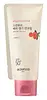
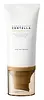
Skinfood Berry Glowing Sun Cream SPF 50+ Versus SKIN1004 Madagascar Centella Air-Fit Suncream Light SPF 30 PA++++
This hybrid sunscreen covers the full UV range and blocks ~98% of UVB at SPF 50.
This mineral sunscreen covers the full UV range and blocks ~97% of UVB at SPF 30.

What's inside
What's inside
 Key Ingredients
Benefits
Concerns
Ingredients Side-by-side
Water
Skin ConditioningDibutyl Adipate
EmollientPropanediol
Solvent

Diethylamino Hydroxybenzoyl Hexyl Benzoate
UV Filter
Titanium Dioxide
Cosmetic Colorant
Ethylhexyl Triazone
UV Absorber
Polyglyceryl-3 Distearate
Emulsifying

Niacinamide
Smoothing










Caprylyl Methicone
Skin Conditioning
Caprylic/Capric Triglyceride
Masking
Dicaprylyl Ether
Emollient
1,2-Hexanediol
Skin Conditioning
Diethylhexyl Butamido Triazone
UV Absorber
Pentylene Glycol
Skin Conditioning
Glycerin
Humectant
Vaccinium Macrocarpon Fruit Extract
AstringentPolymethylsilsesquioxane
Morus Nigra Fruit Extract
Skin ConditioningLycium Chinense Fruit Extract
Antioxidant
Berberis Vulgaris Root Extract
AntimicrobialFragaria Chiloensis Fruit Extract
Skin Conditioning
Olea Europaea Fruit Oil
Masking



Abies Sibirica Oil
Masking

Rosmarinus Officinalis Leaf Oil
Masking
Salvia Sclarea Oil
Masking
Anthemis Nobilis Flower Oil
Masking
Juniperus Mexicana Oil
Masking
Chamomilla Recutita Flower Oil
Masking
Glyceryl Stearate
Emollient
Behenyl Alcohol
Emollient
Poly C10-30 Alkyl Acrylate
Emulsion StabilisingMicrocrystalline Cellulose
AbsorbentPolyhydroxystearic Acid
Emulsifying
Ammonium Polyacryloyldimethyl Taurate
Emulsion StabilisingAlumina
Abrasive
Stearic Acid
Cleansing
Cellulose Gum
Emulsion StabilisingGlyceryl Stearate Citrate
Emollient
Ammonium Acryloyldimethyltaurate/Vp Copolymer
Ethylhexylglycerin
Skin ConditioningXanthan Gum
EmulsifyingAdenosine
Skin Conditioning
T-Butyl Alcohol
Perfuming


Butylene Glycol
Humectant
Water, Dibutyl Adipate, Propanediol, Diethylamino Hydroxybenzoyl Hexyl Benzoate, Titanium Dioxide, Ethylhexyl Triazone, Polyglyceryl-3 Distearate, Niacinamide, Caprylyl Methicone, Caprylic/Capric Triglyceride, Dicaprylyl Ether, 1,2-Hexanediol, Diethylhexyl Butamido Triazone, Pentylene Glycol, Glycerin, Vaccinium Macrocarpon Fruit Extract, Polymethylsilsesquioxane, Morus Nigra Fruit Extract, Lycium Chinense Fruit Extract, Berberis Vulgaris Root Extract, Fragaria Chiloensis Fruit Extract, Olea Europaea Fruit Oil, Abies Sibirica Oil, Rosmarinus Officinalis Leaf Oil, Salvia Sclarea Oil, Anthemis Nobilis Flower Oil, Juniperus Mexicana Oil, Chamomilla Recutita Flower Oil, Glyceryl Stearate, Behenyl Alcohol, Poly C10-30 Alkyl Acrylate, Microcrystalline Cellulose, Polyhydroxystearic Acid, Ammonium Polyacryloyldimethyl Taurate, Alumina, Stearic Acid, Cellulose Gum, Glyceryl Stearate Citrate, Ammonium Acryloyldimethyltaurate/Vp Copolymer, Ethylhexylglycerin, Xanthan Gum, Adenosine, T-Butyl Alcohol, Butylene Glycol
Water
Skin ConditioningZinc Oxide
Cosmetic Colorant
Propanediol
Solvent
Dicaprylyl Carbonate
EmollientButylene Glycol
Humectant
Caprylic/Capric Triglyceride
Masking
Benzotriazolyl Dodecyl P-Cresol
UV AbsorberCentella Asiatica Extract
Cleansing
Polyglyceryl-3 Distearate
Emulsifying
Niacinamide
Smoothing
Caprylyl Methicone
Skin Conditioning
C12-15 Alkyl Benzoate
Antimicrobial1,2-Hexanediol
Skin Conditioning
Pentylene Glycol
Skin Conditioning
Cetearyl Alcohol
Emollient
Portulaca Oleracea Extract
Skin Conditioning
Houttuynia Cordata Extract
Skin Conditioning
Polyhydroxystearic Acid
Emulsifying
Glyceryl Stearate
Emollient
Hydrolyzed Jojoba Esters
Skin Conditioning
Sodium Polyacryloyldimethyl Taurate
Emulsion StabilisingTriethoxycaprylylsilane
Glyceryl Stearate Citrate
Emollient
Polyacrylate Crosspolymer-6
Emulsion StabilisingMethylpropanediol
SolventEthylhexylglycerin
Skin ConditioningXanthan Gum
EmulsifyingAdenosine
Skin Conditioning
Polyether-1
T-Butyl Alcohol
Perfuming
Biosaccharide Gum-1
Humectant
Madecassic Acid
Skin Conditioning
Asiaticoside
Antioxidant
Asiatic Acid
Skin Conditioning
Water, Zinc Oxide, Propanediol, Dicaprylyl Carbonate, Butylene Glycol, Caprylic/Capric Triglyceride, Benzotriazolyl Dodecyl P-Cresol, Centella Asiatica Extract, Polyglyceryl-3 Distearate, Niacinamide, Caprylyl Methicone, C12-15 Alkyl Benzoate, 1,2-Hexanediol, Pentylene Glycol, Cetearyl Alcohol, Portulaca Oleracea Extract, Houttuynia Cordata Extract, Polyhydroxystearic Acid, Glyceryl Stearate, Hydrolyzed Jojoba Esters, Sodium Polyacryloyldimethyl Taurate, Triethoxycaprylylsilane, Glyceryl Stearate Citrate, Polyacrylate Crosspolymer-6, Methylpropanediol, Ethylhexylglycerin, Xanthan Gum, Adenosine, Polyether-1, T-Butyl Alcohol, Biosaccharide Gum-1, Madecassic Acid, Asiaticoside, Asiatic Acid
Reviews
Ingredients Explained
These ingredients are found in both products.
Ingredients higher up in an ingredient list are typically present in a larger amount.
1,2-Hexanediol is a synthetic liquid and another multi-functional powerhouse.
It is a:
- Humectant, drawing moisture into the skin
- Emollient, helping to soften skin
- Solvent, dispersing and stabilizing formulas
- Preservative booster, enhancing the antimicrobial activity of other preservatives
Adenosine is a purine nucleoside that your body already makes in every cell. In skincare, it acts mainly as a skin conditioning and anti-aging agent.
The way it works is fairly well mapped out:
Your skin has cells called fibroblasts that build collagen (the stuff that keeps skin firm and smooth). Adenosine basically flips a switch on these cells that tells them to get to work making more collagen and other proteins. These cells slow down on their own as skin ages, so Adenosine helps give them a little nudge to keep going.
The clinical backing is pretty solid too.
A blind, randomized, placebo-controlled trial of 126 women aged 45-65 tested a 0.1% cream twice daily and found real improvements in crow's feet and frown lines using a precise 3D skin-mapping technique; these changes showed up by week 3 and held at 2 months.
A later study using Adenosine-loaded dissolving microneedle patches reported gains in wrinkle depth, dermal density, elasticity, and hydration.
On concentrations, South Korea's Ministry of Food and Drug Safety has set 0.04% as the approved functional anti-wrinkle level. You'll typically see this ingredient used somewhere in the 0.04-0.1% range since it works at low doses.
This ingredient has been found safe for cosmetics with the data showing no irritation or sensitization.
Overall, this is a great ingredient for any anti-aging routine and has no photosensitizing effect, so it suits both AM and PM use.
Learn more about AdenosineButylene Glycol (or BG) is used within cosmetic products for a few different reasons:
Overall, Butylene Glycol is a safe and well-rounded ingredient that works well with other ingredients.
Though this ingredient works well with most skin types, some people with sensitive skin may experience a reaction such as allergic rashes, closed comedones, or itchiness.
Learn more about Butylene GlycolCaprylic/Capric Triglyceride (aka MCT Oil) is a lightweight emollient, solvent, and texture enhancer. It is considered a skin-softener by helping to prevent moisture loss.
Though it behaves like an oil, it is not technically one due to its chemical composition. One perk of this ingredient is that it is very stable, resistant to oxidation, and unlikely to go rancid.
In practice, that translates to a long shelf life and a consistently elegant skin feel.
While there is an assumption Caprylic Triglyceride can clog pores due to it being derived from coconut oil, there is no research supporting this. Just patch test if you have concerns.
Fractionated coconut oil and MCT Oil are both listed as Caprylic/Capric Triglyceride according to INCI. This is because INCI names are based on the ingredient’s final chemical composition and not its marketing name or source.
This ingredient is treated as the gold standard fungal acne safe oil. Even though it is coconut derived, the problematic lauric acid is stripped out.
This leaves just caprylic (C8) and capric (C10) acid. These chain lengths actually trend antifungal; a 2020 study found caprylic acid was enough to disrupt Malassezia furfur cell membrane, with a caprylic acid derivative damaging membrane structures at concentrations as low as 0.2%.
Learn more about Caprylic/Capric TriglycerideCaprylyl Methicone is a synthetic and lightweight silicone fluid. It gives products a silky, dry-touch finish without the heaviness of pure oils.
Though the EU CosIng Database lists this ingredient as a skin conditioner, it is also used for sensory reasons. It spreads easily, cuts greasiness, and reduces tackiness.
This ingredient is volatile which means it will mostly evaporate (but it evaporates slower than older cyclomethicones, like Cyclotetrasiloxane).
Typical concentration ranges from 1-30% depending on if it's being used to tweak the feel of a product or acting as the main emollient.
Learn more about Caprylyl MethiconeEthylhexylglycerin is created from glycerin. It is a multitasker ingredient that:
The CIR Expert Panel found minimal skin absorption or sensitization of any kind in a safety assessment. Though this ingredient is considered well-tolerated, a small number of cases of allergic dermatitis have been published since 2002. Just be sure to patch test if you are unsure.
Industry-reported use ranges from 8% in rinse-off products and 2% in leave-on formulations.
Learn more about EthylhexylglycerinGlyceryl Stearate is made by reacting glycerin with stearic acid (typically sourced from plant oils like palm or coconut). It's an emulsifier, emollient, and mild occlusive.
Emulsifiers help ingredients like oil and water stay mixed so your formula stays nicely blended and uniform in texture.
This ingredient is typically used in concentrations between 1-10%. Studies have found it to be non-sensitizing, non-phototoxic, and non-photoallergenic.
A close cousin of this ingredient is Glyceryl Stearate SE ("self-emulsifying"). This just has a small amount of sodium or potassium stearate added so it can emulsify without a co-emulsifier.
Since this ingredient is an ester of a C18 fatty acid, it may not be fungal acne safe. The Malassezia yeast can potentially metabolize within the C11-C24 range.
Fun fact: The human body also creates Glyceryl Stearate naturally.
Learn more about Glyceryl StearateGlyceryl Stearate Citrate is a citric acid ester of glyceryl stearate.
It is an emulsifier, emollient, and a surfactant.
Emulsifiers help stabilize a product. It does this by preventing certain ingredients from separating. Common ingredients include oils and water, which do not mix naturally. Emulsifiers have properties that help keep ingredients such as these together.
Emollients help soothe and soften the skin. They do this by creating a protective film on your skin. This barrier helps trap moisture and keeps your skin hydrated. Emollients may be effective at treating dry or itchy skin.
Surfactants help gather oils, dirt, and other pollutants from the skin. This helps them to be easily rinsed away.
Learn more about Glyceryl Stearate CitrateNiacinamide is a multitasking form of vitamin B3 that strengthens the skin barrier, reduces pores and dark spots, regulates oil, and improves signs of aging.
And the best part? It's gentle and well-tolerated by most skin types, including sensitive and reactive skin.
You might have heard of "niacin flush", or the reddening of skin that causes itchiness. Niacinamide has not been found to cause this.
In very rare cases, some individuals may not be able to tolerate niacinamide at all or experience an allergic reaction to it.
If you are experiencing flaking, irritation, and dryness with this ingredient, be sure to double check all your products as this ingredient can be found in all categories of skincare.
When incorporating niacinamide into your routine, look out for concentration amounts. Typically, 5% niacinamide provides benefits such as fading dark spots. However, if you have sensitive skin, it is better to begin with a smaller concentration.
When you apply niacinamide to your skin, your body converts it into nicotinamide adenine dinucleotide (NAD). NAD is an essential coenzyme that is already found in your cells as "fuel" and powers countless biological processes.
In your skin, NAD helps repair cell damage, produce new healthy cells, support collagen production, strengthen the skin barrier, and fight environmental stressors (like UV and pollution).
Our natural NAD levels start to decline with age, leading to slower skin repair, visible aging, and a weaker skin barrier. By providing your skin niacinamide, you're recharging your skin's NAD levels. This leads to stronger, healthier, and younger looking skin.
Another name for vitamin B3 is nicotinamide. This vitamin is water-soluble and our bodies don't store it. We obtain Vitamin B3 from either food or skincare. Meat, fish, wheat, yeast, and leafy greens contain vitamin B3.
The type of niacinamide used in skincare is synthetically created.
Learn more about NiacinamidePentylene Glycol (1,2-pentanediol) is a multitasking little diol with three main roles in a formula:
Research on alkanediols (the family pentylene glycol belongs to) show they work by disrupting microbial cell membranes. This disruption helps the primary preservative system in a product work more effectively at lower doses.
On the safety side, the Cosmetic Ingredient Review Expert Panel has concluded this ingredient to be safe as used in current cosmetic practices + concentrations.
Typical use levels in a formula run about 1-5%.
Learn more about Pentylene GlycolPolyglyceryl-3 Distearate isn't fungal acne safe.
Polyhydroxystearic Acid is a vegetable-derived soft wax made from castor oil. It's an emulsion stabilizer, thickener, and film former.
You'll likely see it in sunscreens because it helps disperse pigments and UV-reflecting minerals like titanium dioxide and zinc oxide evenly.
Depending on the concentration, it can drastically change the texture of a product from pasty solid (like lipstick) to sprayable liquid.
The CIR Expert Panel for Cosmetic Ingredient Safety has concluded this ingredient to be safe in cosmetics. The highest reported use concentration is 14.2% in lipsticks.
Learn more about Polyhydroxystearic AcidPropanediol is an all-star ingredient. It softens, hydrates, and smooths the skin.
It’s often used to:
Propanediol is not likely to cause sensitivity and considered safe to use. It is derived from corn or petroleum with a clear color and no scent.
Learn more about PropanediolT-Butyl Alcohol (aka tert-butanol) is a small, clear, camphor-smelling alcohol.
It has two main jobs:
On the safety side, it's well-studied and has a solid track record. Human repeat-insult patch testing showed no skin irritation or sensitization even at 100%.
Typical use levels are pretty tiny, usually less than 1%.
You might see some fear-mongering around this ingredient:
Studies in male rats showed kidney effects but that's because of a rat-specific protein that humans don't make. So this study isn't really relevant to humans.
Though it's not a typical fragrance like parfum, it does have a natural scent. That's why the official COSIng database lists it as 'perfuming' ingredient. It can be used to modify the scent of a formula.
Learn more about T-Butyl AlcoholWater. It's the most common cosmetic ingredient of all. You'll usually see it at the top of ingredient lists, meaning that it makes up the largest part of the product.
So why is it so popular? Water most often acts as a solvent - this means that it helps dissolve other ingredients into the formulation.
You'll also recognize water as that liquid we all need to stay alive. If you see this, drink a glass of water. Remember to stay hydrated!
Learn more about WaterXanthan gum is used as a stabilizer and thickener within cosmetic products. It helps give products a sticky, thick feeling - preventing them from being too runny.
On the technical side of things, xanthan gum is a polysaccharide - a combination consisting of multiple sugar molecules bonded together.
Xanthan gum is a pretty common and great ingredient. It is a natural, non-toxic, non-irritating ingredient that is also commonly used in food products.
Learn more about Xanthan Gum

