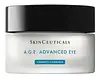
This anti-aging eye moisturizer is formulated around Caffeine and Palmitoyl Tripeptide-1 to soften the look of wrinkles and refine skin texture.
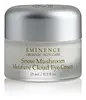
This calming eye moisturizer is formulated around Aloe Barbadensis Leaf Juice and Camellia Sinensis Leaf Extract to calm redness and hydrate skin.


What's inside
What's inside
 Key Ingredients
Benefits
Concerns
Ingredients Side-by-side
Hexyl Laurate
Emollient

Cellulose
Absorbent
Polyethylene
Abrasive

Caprylic/Capric Triglyceride
Masking


Octyldodecanol
Emollient
Phenoxyethanol
Preservative
Butylene Glycol
Humectant
Caffeine
Skin Conditioning

Silica Silylate
Emollient
Tocopheryl Acetate
Antioxidant


Ammonium Polyacryloyldimethyl Taurate
Emulsion StabilisingSodium Citrate
BufferingDimethicone/Polyglycerin-3 Crosspolymer
Cleansing
Chlorphenesin
Antimicrobial
Boron Nitride
Absorbent
Alumina
Abrasive
Glycyrrhetinic Acid
Skin Conditioning
CI 77891
Cosmetic ColorantMenthoxypropanediol
Masking
Sorbitol
Humectant
Vaccinium Myrtillus Fruit Extract
Skin ConditioningSynthetic Fluorphlogopite
Sodium Phytate
ChelatingCarbomer
Emulsion StabilisingSodium Lactate
Buffering
Polysorbate 20
Emulsifying
Punica Granatum Fruit Extract
Antioxidant
Glycol
HumectantAlcohol
Antimicrobial

Palmitoyl Tripeptide-1
Skin Conditioning


Tocopherol
Antioxidant
Palmitoyl Tetrapeptide-7
Skin Conditioning
Pentaerythrityl Tetra-Di-T-Butyl Hydroxyhydrocinnamate
Antioxidant
Hexyl Laurate, Cellulose, Polyethylene, Caprylic/Capric Triglyceride, Octyldodecanol, Phenoxyethanol, Butylene Glycol, Caffeine, Silica Silylate, Tocopheryl Acetate, Ammonium Polyacryloyldimethyl Taurate, Sodium Citrate, Dimethicone/Polyglycerin-3 Crosspolymer, Chlorphenesin, Boron Nitride, Alumina, Glycyrrhetinic Acid, CI 77891, Menthoxypropanediol, Sorbitol, Vaccinium Myrtillus Fruit Extract, Synthetic Fluorphlogopite, Sodium Phytate, Carbomer, Sodium Lactate, Polysorbate 20, Punica Granatum Fruit Extract, Glycol, Alcohol, Palmitoyl Tripeptide-1, Tocopherol, Palmitoyl Tetrapeptide-7, Pentaerythrityl Tetra-Di-T-Butyl Hydroxyhydrocinnamate
Aloe Barbadensis Leaf Juice
Skin Conditioning
Phyllostachys Bambusoides Leaf Extract
Skin ConditioningOryza Sativa Extract
Absorbent
Camellia Sinensis Leaf Extract
Antimicrobial
Vitis Vinifera Seed Oil
Emollient
Calendula Officinalis Flower Oil
Masking

Prunus Armeniaca Kernel Oil
Masking
Jasminum Officinale Flower Extract
Masking
Psidium Guajava Fruit
Skin ConditioningHoney
Humectant
Maltodextrin
Absorbent
Glycerin
Humectant
Zea Mays Silk Extract
Skin ConditioningHeptyl Glucoside
SurfactantHelianthus Annuus Seed Oil
Emollient
Caprylic/Capric Triglyceride
Masking
Candelilla/Jojoba/Rice Bran Polyglyceryl-3 Esters
Emulsifying
Glyceryl Stearate
Emollient
Cetearyl Alcohol
Emollient
Sodium Stearoyl Lactylate
EmulsifyingCopernicia Cerifera Wax
Stearic Acid
Cleansing
Betula Alba Juice
AstringentEthoxydiglycol
HumectantButyrospermum Parkii Butter
Skin Conditioning
Acer Rubrum Bark Extract
Skin ConditioningChenopodium Quinoa Seed Extract
Skin Conditioning
Argania Spinosa Kernel Oil
Emollient
Spent Grain Wax
Skin Conditioning
Polyacrylate Crosspolymer-6
Emulsion StabilisingTremella Fuciformis Sporocarp Extract
Antioxidant
Ganoderma Lucidum Extract
Skin Protecting
Tuber Aestivum Extract
Skin ProtectingTocopheryl Acetate
Antioxidant
Squalane
Emollient
Ricinus Communis Seed Oil
Masking
1,2-Hexanediol
Skin Conditioning
Caprylyl Glycol
Emollient
Tropolone
Skin ConditioningCetearyl Glucoside
Emulsifying
Euterpe Oleracea Fruit Extract
Citrus Limon Peel
MaskingMalpighia Glabra Fruit
Skin ConditioningEmblica Officinalis Fruit
Skin ConditioningAdansonia Digitata Oil
Emollient
Myrciaria Dubia Fruit Extract
Skin ConditioningDaucus Carota Sativa Root Extract
Skin Conditioning
Cocos Nucifera Water
Masking
Lycium Barbarum Fruit Extract
Astringent
Tapioca Starch
Cupressus Funebris Wood Oil
Perfuming
Propanediol
Solvent
Xanthan Gum
EmulsifyingSalvia Sclarea Oil
Masking
Cananga Odorata Flower Oil
Masking
Ocimum Basilicum Oil
Masking
Arginine
Masking
Aloe Barbadensis Leaf Juice, Phyllostachys Bambusoides Leaf Extract, Oryza Sativa Extract, Camellia Sinensis Leaf Extract, Vitis Vinifera Seed Oil, Calendula Officinalis Flower Oil, Prunus Armeniaca Kernel Oil, Jasminum Officinale Flower Extract, Psidium Guajava Fruit, Honey, Maltodextrin, Glycerin, Zea Mays Silk Extract, Heptyl Glucoside, Helianthus Annuus Seed Oil, Caprylic/Capric Triglyceride, Candelilla/Jojoba/Rice Bran Polyglyceryl-3 Esters, Glyceryl Stearate, Cetearyl Alcohol, Sodium Stearoyl Lactylate, Copernicia Cerifera Wax, Stearic Acid, Betula Alba Juice, Ethoxydiglycol, Butyrospermum Parkii Butter, Acer Rubrum Bark Extract, Chenopodium Quinoa Seed Extract, Argania Spinosa Kernel Oil, Spent Grain Wax, Polyacrylate Crosspolymer-6, Tremella Fuciformis Sporocarp Extract, Ganoderma Lucidum Extract, Tuber Aestivum Extract, Tocopheryl Acetate, Squalane, Ricinus Communis Seed Oil, 1,2-Hexanediol, Caprylyl Glycol, Tropolone, Cetearyl Glucoside, Euterpe Oleracea Fruit Extract, Citrus Limon Peel, Malpighia Glabra Fruit, Emblica Officinalis Fruit, Adansonia Digitata Oil, Myrciaria Dubia Fruit Extract, Daucus Carota Sativa Root Extract, Cocos Nucifera Water, Lycium Barbarum Fruit Extract, Tapioca Starch, Cupressus Funebris Wood Oil, Propanediol, Xanthan Gum, Salvia Sclarea Oil, Cananga Odorata Flower Oil, Ocimum Basilicum Oil, Arginine
Ingredients Explained
These ingredients are found in both products.
Ingredients higher up in an ingredient list are typically present in a larger amount.
Caprylic/Capric Triglyceride (aka MCT Oil) is a lightweight emollient, solvent, and texture enhancer. It is considered a skin-softener by helping to prevent moisture loss.
Though it behaves like an oil, it is not technically one due to its chemical composition. One perk of this ingredient is that it is very stable, resistant to oxidation, and unlikely to go rancid.
In practice, that translates to a long shelf life and a consistently elegant skin feel.
While there is an assumption Caprylic Triglyceride can clog pores due to it being derived from coconut oil, there is no research supporting this. Just patch test if you have concerns.
Fractionated coconut oil and MCT Oil are both listed as Caprylic/Capric Triglyceride according to INCI. This is because INCI names are based on the ingredient’s final chemical composition and not its marketing name or source.
This ingredient is treated as the gold standard fungal acne safe oil. Even though it is coconut derived, the problematic lauric acid is stripped out.
This leaves just caprylic (C8) and capric (C10) acid. These chain lengths actually trend antifungal; a 2020 study found caprylic acid was enough to disrupt Malassezia furfur cell membrane, with a caprylic acid derivative damaging membrane structures at concentrations as low as 0.2%.
Learn more about Caprylic/Capric TriglycerideTocopheryl Acetate is a stable, shelf-friendly form of vitamin E.
Formulators love it because plain vitamin E oxidizes quickly once it hits air. This acetate version stays stable and resists going off, helping to extend a product's shelf life.
It's actually inactive on its own and works like a slow-release "storage" form; the enzymes in your skin called esterases gradually convert it into active vitamin E over time.
One in vivo study showed 5% of the acetate in the living layer of the epidermis converted to vitamin E after 5 days of application. This study also found the skin gained protection against UV damage even though the conversion was slow and small.
Once converted, vitamin E acts as a skin's main fat-soluble antioxidant that fights free radicals to protect skin from damage.
Topical vitamin E generally boosts the skin's photoprotection, and it reduced UV-damage in animal models.
This ingredient has some brightening potential but it's more of a prevention ingredient than spot-fader. Cell studies show it can slow down melanin production but it's worth noting that it's not the most powerful brightener out there.
Overall, it has a pretty solid safety profile and has been found to be non-irritating and non-comedogenic. Allergic reactions may happen but stay rare due to how widely the ingredient gets used.
The concentration will vary depending on the formula; industry data shows 0.1% in baby lotions, 3% in lipsticks, and 5% in foot powders. You can also find this ingredient at 100% in a pure vitamin E oil.
Most leave-on skincare keeps it at the lower end, often between 0.5-1%.
Learn more about Tocopheryl Acetate

