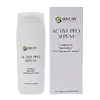
This barrier-repair serum is formulated around Lactococcus Ferment Lysate to strengthen the skin barrier.
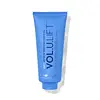
This anti-aging treatment is formulated around Bakuchiol and Tetrahexyldecyl Ascorbate to soften the look of wrinkles.

What's inside
What's inside
 Key Ingredients
Benefits
Concerns
Ingredients Side-by-side
Water
Skin ConditioningPentylene Glycol
Skin Conditioning
Human Neonatal Fibroblast Conditioned Media
Skin ConditioningGlycereth-7 Triacetate
EmollientShea Butter Ethyl Esters
Emollient

Glycerin
Humectant

Ethoxydiglycol
HumectantLactococcus Ferment Lysate
Skin Conditioning
Whey Protein
Skin ConditioningChlorella Vulgaris Extract
Skin ConditioningSaccharide Isomerate
Humectant
Dimer Tripeptide-43

Vitis Vinifera Flower Cell Extract
MaskingPyrus Malus Fruit Extract
Skin Conditioning
Hydroxyacetophenone
Antioxidant
Tocopheryl Acetate
Antioxidant

Propanediol
Solvent
Xanthan Gum
EmulsifyingPolyacrylate Crosspolymer-6
Emulsion StabilisingPolyacrylate-13
Polyisobutene
Sclerotium Gum
Emulsion StabilisingPEG-12 Dimethicone
Skin Conditioning
Lecithin
Emollient
Pullulan
Butylene Glycol
Humectant
Sodium Citrate
BufferingPolysorbate 20
Emulsifying
Aminomethyl Propanol
BufferingDisodium EDTA
ChelatingPhenoxyethanol
Preservative
Ethylhexylglycerin
Skin ConditioningWater, Pentylene Glycol, Human Neonatal Fibroblast Conditioned Media, Glycereth-7 Triacetate, Shea Butter Ethyl Esters, Glycerin, Ethoxydiglycol, Lactococcus Ferment Lysate, Whey Protein, Chlorella Vulgaris Extract, Saccharide Isomerate, Dimer Tripeptide-43, Vitis Vinifera Flower Cell Extract, Pyrus Malus Fruit Extract, Hydroxyacetophenone, Tocopheryl Acetate, Propanediol, Xanthan Gum, Polyacrylate Crosspolymer-6, Polyacrylate-13, Polyisobutene, Sclerotium Gum, PEG-12 Dimethicone, Lecithin, Pullulan, Butylene Glycol, Sodium Citrate, Polysorbate 20, Aminomethyl Propanol, Disodium EDTA, Phenoxyethanol, Ethylhexylglycerin
Water
Skin ConditioningGlycerin
Humectant
Caprylic/Capric Triglyceride
Masking
Isononyl Isononanoate
EmollientPropanediol
Solvent
Dimethicone
Emollient
Squalane
Emollient
Butyrospermum Parkii Nut Extract
Emollient
Cetearyl Alcohol
Emollient



Glyceryl Stearate
Emollient
PEG-100 Stearate
Surfactant
Pentylene Glycol
Skin Conditioning
Bakuchiol
Antimicrobial




Ornithine
Skin ConditioningTetrahexyldecyl Ascorbate
Antioxidant

Ectoin
Skin Conditioning
Nicotiana Benthamiana Hexapeptide-40 Sh-Polypeptide-47
Haematococcus Pluvialis Extract
Antioxidant
Anigozanthos Flavidus Extract
Skin ConditioningSilanetriol
Hyaluronic Acid
Humectant
Tocopherol
Antioxidant
Camellia Sinensis Leaf Extract
Antimicrobial
Sodium Carrageenan
Emulsion StabilisingPhosphatidylcholine
EmulsifyingPhospholipids
Skin Conditioning
Glycolipids
Skin ConditioningPanthenol
Skin Conditioning
Helianthus Annuus Seed Oil
Emollient
Palmitic Acid
Emollient
Stearic Acid
Cleansing
Mannitol
Humectant
Maris Sal
Skin ConditioningLevulinic Acid
Perfuming

Methylpropanediol
SolventSodium Hydroxide
BufferingP-Anisic Acid
MaskingPhenylpropanol
Masking
Potassium Sorbate
Preservative
Hexylene Glycol
EmulsifyingCaprylyl Glycol
Emollient
Acrylates/C10-30 Alkyl Acrylate Crosspolymer
Emulsion StabilisingVanilla Planifolia Fruit Extract
Skin Conditioning
PEG-Crosspolymer
Dimethicone Crosspolymer
Emulsion Stabilising
Phenoxyethanol
Preservative
Ethylhexylglycerin
Skin ConditioningCitric Acid
Buffering
Sodium Benzoate
Masking
Water, Glycerin, Caprylic/Capric Triglyceride, Isononyl Isononanoate, Propanediol, Dimethicone, Squalane, Butyrospermum Parkii Nut Extract, Cetearyl Alcohol, Glyceryl Stearate, PEG-100 Stearate, Pentylene Glycol, Bakuchiol, Ornithine, Tetrahexyldecyl Ascorbate, Ectoin, Nicotiana Benthamiana Hexapeptide-40 Sh-Polypeptide-47, Haematococcus Pluvialis Extract, Anigozanthos Flavidus Extract, Silanetriol, Hyaluronic Acid, Tocopherol, Camellia Sinensis Leaf Extract, Sodium Carrageenan, Phosphatidylcholine, Phospholipids, Glycolipids, Panthenol, Helianthus Annuus Seed Oil, Palmitic Acid, Stearic Acid, Mannitol, Maris Sal, Levulinic Acid, Methylpropanediol, Sodium Hydroxide, P-Anisic Acid, Phenylpropanol, Potassium Sorbate, Hexylene Glycol, Caprylyl Glycol, Acrylates/C10-30 Alkyl Acrylate Crosspolymer, Vanilla Planifolia Fruit Extract, PEG-Crosspolymer, Dimethicone Crosspolymer, Phenoxyethanol, Ethylhexylglycerin, Citric Acid, Sodium Benzoate
Ingredients Explained
These ingredients are found in both products.
Ingredients higher up in an ingredient list are typically present in a larger amount.
Ethylhexylglycerin is created from glycerin. It is a multitasker ingredient that:
The CIR Expert Panel found minimal skin absorption or sensitization of any kind in a safety assessment. Though this ingredient is considered well-tolerated, a small number of cases of allergic dermatitis have been published since 2002. Just be sure to patch test if you are unsure.
Industry-reported use ranges from 8% in rinse-off products and 2% in leave-on formulations.
Learn more about EthylhexylglycerinGlycerin (or glycerol) is a compound naturally found in your skin. It's a powerhouse humectant that pulls water into the stratum corneum.
Topically, glycerin does several things at once:
Your skin makes glycerin on its own (mostly from sebaceous oil breakdown) and shuttles it to your outermost layer of skin, or your epidermis, via aquaporin-3.
Aquaporin-3 is a transporter that is essential for normal skin hydration, elasticity, and repair. Interestingly, mice lacking in AQP3 have dry and less elastic skin that can be fully corrected with glycerin.
This ingredient is non-irritating, plays well with almost every ingredient, and works across all skin types. Typical use is anywhere between 3-10% but can go up to 79% in some leave-on products.
Just know very high concentrations (>40%) can feel tacky in low humidity.
Glycerin is the name for this ingredient in American English. British English uses Glycerol/Glycerine.
Learn more about GlycerinPentylene Glycol (1,2-pentanediol) is a multitasking little diol with three main roles in a formula:
Research on alkanediols (the family pentylene glycol belongs to) show they work by disrupting microbial cell membranes. This disruption helps the primary preservative system in a product work more effectively at lower doses.
On the safety side, the Cosmetic Ingredient Review Expert Panel has concluded this ingredient to be safe as used in current cosmetic practices + concentrations.
Typical use levels in a formula run about 1-5%.
Learn more about Pentylene GlycolPhenoxyethanol is one of the most widely used preservatives in skincare (and for good reason!).
It has a large spectrum of antimicrobial activity and especially effective bacteria, yeast, and mold while only having a weak effect on your skin's natural microbiome.
On a cellular level, it disrupts the cell membranes of microbes by poking holes that make the cell leak. This shuts down the chemical reactions the microbe needs to make energy so it can no longer survive.
Another perk of this ingredient is that it stays functional across a wide pH range (3-10).
You'll often see it paired with boosters like Ethylhexylglycerin; one study showed that a 1:9 ratio of Ethylhexylglycerin to Phenoxyethanol damages bacterial membranes as effectively as doubling the Phenoxyethanol concentration on its own.
Typical use concentrations range from 0.3-1% depending on the formula, and this ingredient is capped at 1% int the EU.
Safety-wise, the fear mongering does not hold up to the evidence. The EU's Scientific Committee on Consumer Safety and FDA consider it safe as a preservative at up to 1%, including for children of all ages.
Adverse systemic effects only showed up in animal studies at exposures roughly 200x higher than what people get from cosmetics. And despite its very widespread use, this ingredient is a rare sensitizer and allergic reactions are uncommon.
Learn more about PhenoxyethanolPropanediol is an all-star ingredient. It softens, hydrates, and smooths the skin.
It’s often used to:
Propanediol is not likely to cause sensitivity and considered safe to use. It is derived from corn or petroleum with a clear color and no scent.
Learn more about PropanediolWater. It's the most common cosmetic ingredient of all. You'll usually see it at the top of ingredient lists, meaning that it makes up the largest part of the product.
So why is it so popular? Water most often acts as a solvent - this means that it helps dissolve other ingredients into the formulation.
You'll also recognize water as that liquid we all need to stay alive. If you see this, drink a glass of water. Remember to stay hydrated!
Learn more about Water

