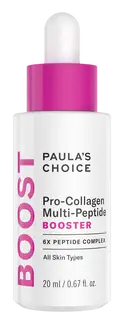
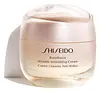
This anti-aging moisturizer is formulated around Niacinamide and Caffeine to soften the look of wrinkles and refine skin texture.
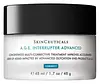
This anti-aging treatment is formulated around Niacinamide and Adenosine to soften the look of wrinkles and strengthen the skin barrier.


What's inside
What's inside
 Key Ingredients
Benefits
Concerns
Ingredients Side-by-side
Water
Skin ConditioningSd Alcohol 40-B
Astringent


Glycerin
Humectant


Dipropylene Glycol
HumectantNiacinamide
Smoothing









Cyclohexasiloxane
Emollient
Cetyl Ethylhexanoate
EmollientHydrogenated Polydecene
EmollientPhytosteryl/Octyldodecyl Lauroyl Glutamate
Skin ConditioningDimethicone
Emollient
PPG-3 Dipivalate
Skin ConditioningMyristyl Myristate
Emollient



Methyl Methacrylate Crosspolymer
Hydrogenated Palm Oil
Emollient
Ammonium Acryloyldimethyltaurate/Vp Copolymer
Behenyl Alcohol
Emollient
Polysorbate 60
Emulsifying
PEG-30 Phytosterol
EmulsifyingPhenoxyethanol
Preservative
Dimethicone/Vinyl Dimethicone Crosspolymer
Skin Conditioning
Batyl Alcohol
EmollientAlcohol
Antimicrobial
Tocopheryl Acetate
Antioxidant

Erythritol
Humectant
PEG/PPG-14/7 Dimethyl Ether
Skin ConditioningPEG/PPG-17/4 Dimethyl Ether
Skin ConditioningButylene Glycol
Humectant
Parfum
Masking

Carbomer
Emulsion StabilisingAcrylates/C10-30 Alkyl Acrylate Crosspolymer
Emulsion StabilisingPotassium Hydroxide
BufferingCaffeine
Skin Conditioning
Disodium EDTA
ChelatingSodium Metaphosphate
BufferingTocopherol
Antioxidant
Sapindus Mukorossi Peel Extract
Skin ConditioningCI 77492
Cosmetic ColorantLinalool
Perfuming
Sodium Metabisulfite
Antioxidant
Limonene
Perfuming
Citronellol
Perfuming
Angelica Keiskei Leaf/Stem Extract
Skin ConditioningGeraniol
Perfuming
Camellia Sinensis Leaf Extract
Antimicrobial
Citrus Junos Seed Extract
Antioxidant
Hdi/Trimethylol Hexyllactone Crosspolymer
Ziziphus Jujuba Fruit Extract
Skin ConditioningCI 77491
Cosmetic ColorantEucheuma Serra/Grateloupia Sparsa/Saccharina Angustata/Ulva Linza/Undaria Pinnatifida Extract
EmollientCurcuma Longa Rhizome Extract
Skin ConditioningSaccharina Angustata/Undaria Pinnatifida Extract
EmollientChlorella Vulgaris Extract
Skin ConditioningSilica
Abrasive
Water, Sd Alcohol 40-B, Glycerin, Dipropylene Glycol, Niacinamide, Cyclohexasiloxane, Cetyl Ethylhexanoate, Hydrogenated Polydecene, Phytosteryl/Octyldodecyl Lauroyl Glutamate, Dimethicone, PPG-3 Dipivalate, Myristyl Myristate, Methyl Methacrylate Crosspolymer, Hydrogenated Palm Oil, Ammonium Acryloyldimethyltaurate/Vp Copolymer, Behenyl Alcohol, Polysorbate 60, PEG-30 Phytosterol, Phenoxyethanol, Dimethicone/Vinyl Dimethicone Crosspolymer, Batyl Alcohol, Alcohol, Tocopheryl Acetate, Erythritol, PEG/PPG-14/7 Dimethyl Ether, PEG/PPG-17/4 Dimethyl Ether, Butylene Glycol, Parfum, Carbomer, Acrylates/C10-30 Alkyl Acrylate Crosspolymer, Potassium Hydroxide, Caffeine, Disodium EDTA, Sodium Metaphosphate, Tocopherol, Sapindus Mukorossi Peel Extract, CI 77492, Linalool, Sodium Metabisulfite, Limonene, Citronellol, Angelica Keiskei Leaf/Stem Extract, Geraniol, Camellia Sinensis Leaf Extract, Citrus Junos Seed Extract, Hdi/Trimethylol Hexyllactone Crosspolymer, Ziziphus Jujuba Fruit Extract, CI 77491, Eucheuma Serra/Grateloupia Sparsa/Saccharina Angustata/Ulva Linza/Undaria Pinnatifida Extract, Curcuma Longa Rhizome Extract, Saccharina Angustata/Undaria Pinnatifida Extract, Chlorella Vulgaris Extract, Silica
Water
Skin ConditioningHydroxypropyl Tetrahydropyrantriol
Skin ConditioningGlycerin
Humectant
Propylene Glycol
Humectant
Stearic Acid
Cleansing
Butyrospermum Parkii Butter
Skin Conditioning
Hydroxyethylpiperazine Ethane Sulfonic Acid
BufferingPalmitic Acid
Emollient
Pentylene Glycol
Skin Conditioning
Oleyl Alcohol
Emollient
Arachidyl Alcohol
Emollient
Myristyl Myristate
Emollient
Panthenol
Skin Conditioning
Niacinamide
Smoothing
Dimethicone
Emollient
Isononyl Isononanoate
EmollientBis-PEG/PPG-16/16 PEG/PPG-16/16 Dimethicone
Emollient
Glyceryl Stearate
Emollient
Candelilla Cera
Emollient
Euphorbia Cerifera Cera
Astringent
Behenyl Alcohol
Emollient
PEG-100 Stearate
Surfactant
Sodium Polyacrylate
Absorbent
Pentaerythrityl Tetraisostearate
Emollient
4-T-Butylcyclohexanol
Masking
Arachidyl Glucoside
EmulsifyingCaprylyl Glycol
Emollient
Xanthan Gum
EmulsifyingChlorphenesin
Antimicrobial
Myristic Acid
Cleansing
Caprylic/Capric Triglyceride
Masking
Glycyrrhetinic Acid
Skin Conditioning
Parfum
Masking
Sorbitol
Humectant
Vaccinium Myrtillus Fruit Extract
Skin ConditioningPotassium Hydroxide
BufferingAdenosine
Skin Conditioning
Citric Acid
Buffering
Punica Granatum Fruit Extract
Antioxidant
Limonene
Perfuming
Coumarin
Perfuming
Linalool
Perfuming
Pentaerythrityl Tetra-Di-T-Butyl Hydroxyhydrocinnamate
Antioxidant
Water, Hydroxypropyl Tetrahydropyrantriol, Glycerin, Propylene Glycol, Stearic Acid, Butyrospermum Parkii Butter, Hydroxyethylpiperazine Ethane Sulfonic Acid, Palmitic Acid, Pentylene Glycol, Oleyl Alcohol, Arachidyl Alcohol, Myristyl Myristate, Panthenol, Niacinamide, Dimethicone, Isononyl Isononanoate, Bis-PEG/PPG-16/16 PEG/PPG-16/16 Dimethicone, Glyceryl Stearate, Candelilla Cera, Euphorbia Cerifera Cera, Behenyl Alcohol, PEG-100 Stearate, Sodium Polyacrylate, Pentaerythrityl Tetraisostearate, 4-T-Butylcyclohexanol, Arachidyl Glucoside, Caprylyl Glycol, Xanthan Gum, Chlorphenesin, Myristic Acid, Caprylic/Capric Triglyceride, Glycyrrhetinic Acid, Parfum, Sorbitol, Vaccinium Myrtillus Fruit Extract, Potassium Hydroxide, Adenosine, Citric Acid, Punica Granatum Fruit Extract, Limonene, Coumarin, Linalool, Pentaerythrityl Tetra-Di-T-Butyl Hydroxyhydrocinnamate
Reviews
Ingredients Explained
These ingredients are found in both products.
Ingredients higher up in an ingredient list are typically present in a larger amount.
Behenyl Alcohol is a type of fatty alcohol (these are different from the drying, solvent alcohols).
Fatty Alcohols have hydrating properties and are most often used as an emollient or to thicken a product. They are usually derived from natural fats and oils; behenyl alcohol is derived from the fats of vegetable oils.
Emollients help keep your skin soft and hydrated by creating a film that traps moisture in.
In 2000, Behenyl Alcohol was approved by the US as medicine to reduce the duration of cold sores.
Learn more about Behenyl AlcoholDimethicone is a type of synthetic silicone created from natural materials such as quartz. It is also known as polydimethylsiloxane.
What it does:
Dimethicone comes in different viscosities:
Depending on the viscosity, dimethicone has different properties.
Ingredients lists don't always show which type is used, so we recommend reaching out to the brand if you have questions about the viscosity.
This ingredient is unlikely to cause irritation because it does not get absorbed into skin. However, people with silicone allergies should be careful about using this ingredient.
Note: Dimethicone may contribute to pilling. This is because it is not oil or water soluble, so pilling may occur when layered with products. When mixed with heavy oils in a formula, the outcome is also quite greasy.
Learn more about DimethiconeGlycerin (or glycerol) is a compound naturally found in your skin. It's a powerhouse humectant that pulls water into the stratum corneum.
Topically, glycerin does several things at once:
Your skin makes glycerin on its own (mostly from sebaceous oil breakdown) and shuttles it to your outermost layer of skin, or your epidermis, via aquaporin-3.
Aquaporin-3 is a transporter that is essential for normal skin hydration, elasticity, and repair. Interestingly, mice lacking in AQP3 have dry and less elastic skin that can be fully corrected with glycerin.
This ingredient is non-irritating, plays well with almost every ingredient, and works across all skin types. Typical use is anywhere between 3-10% but can go up to 79% in some leave-on products.
Just know very high concentrations (>40%) can feel tacky in low humidity.
Glycerin is the name for this ingredient in American English. British English uses Glycerol/Glycerine.
Learn more about GlycerinLimonene is the compound that gives citrus peel its smell.
In skincare, it shows up as a standalone fragrance ingredient or as a natural compound of citrus and other essential oils.
You'll typically see this ingredient used in very small amounts; anything above 0.001% in a leave-on product or 0.01% in a rinse-off has to be named on the label in the EU. The citrus oils that carry it sit around 0.5-1% in a finished formula.
Fresh limonene is a weak allergen; the real issue is that it slowly reacts with air and then breaks down from oxidation to create hydroperoxides (which are strong sensitizers). This is why suppliers are required to keep the peroxide value below 20 mmol.
Positive reactions in people being investigated for eczema vary:
It's worth skipping if you have a known fragrance allergy or a compromised barrier, but the risk is low for most people.
Older or long-opened products are also more likely to bother you than fresh ones due to oxidation.
Learn more about LimoneneLinalool is a small, naturally occurring scent molecule found in plants like lavender, coriander, bergamot, and more.
It is one of the two most-used fragrance ingredients in cosmetics and added purely for smell. Since it's not used for a skin benefit, there's no "effective dose". Concentration depends on the fragrance load of the product.
The EU requires it to be named on the label above 0.001% in leave-on and 0.01% in rinse-off products.
Fresh linalool is a weak sensitizer but air exposure turns some of it into hydroperoxides, which are strong sensitizers. Those oxidation products are the actual allergy concern.
Patch-test clinics see positive reactions to linalool hydroperoxides in about 4% to 12% of dermatitis patients depending on country and test concentration.
Resassuringly, one analytical study found hydroperoxide levels in real fragranced products to be orders of magnitude below what induced sensitization in animal studies with no evidence of oxidation building up during normal storage.
The practical takeaway is that linalool is fine for most people but worth avoiding if you have a confirmed fragrance contact allergy or a badly compromised barrier.
Products stored a long time after opening are also the high-risk scenario since that is when oxidation happens.
The scent of linalool is described as floral, spicy tropical, and citrus-like.
Learn more about LinaloolMyristyl Myristate is a waxy ester made by combining myristyl alcohol and myristic acid (both from plant oils from coconut or palm).
It's a non-greasy emollient that melts right around skin temperature. It gives products a soft and velvet feel and helps improve how a cream spreads.
Safety-wise, it's deemed safe to use in cosmetics by the Cosmetic Ingredient Review Expert Panel. Dermal animal testing found it to be non-toxic and non-irritating.
This ingredient has a comedogenic reputation; it's important to know comedogenic ratings come from outdated rabbit ear tests. Rabbit ears are way more sensitive than human skin and prone to clogging. How likely a formula will clog pores depends on the overall formulation rather than a few comedogenic ingredients.
Because this ingredient is an ester of Myristic acid, it may not be fungal acne safe. Myristic acid is a C14 fatty acid that sits in the C11-24 range that feeds the Malassezia yeast.
Learn more about Myristyl MyristateNiacinamide is a multitasking form of vitamin B3 that strengthens the skin barrier, reduces pores and dark spots, regulates oil, and improves signs of aging.
And the best part? It's gentle and well-tolerated by most skin types, including sensitive and reactive skin.
You might have heard of "niacin flush", or the reddening of skin that causes itchiness. Niacinamide has not been found to cause this.
In very rare cases, some individuals may not be able to tolerate niacinamide at all or experience an allergic reaction to it.
If you are experiencing flaking, irritation, and dryness with this ingredient, be sure to double check all your products as this ingredient can be found in all categories of skincare.
When incorporating niacinamide into your routine, look out for concentration amounts. Typically, 5% niacinamide provides benefits such as fading dark spots. However, if you have sensitive skin, it is better to begin with a smaller concentration.
When you apply niacinamide to your skin, your body converts it into nicotinamide adenine dinucleotide (NAD). NAD is an essential coenzyme that is already found in your cells as "fuel" and powers countless biological processes.
In your skin, NAD helps repair cell damage, produce new healthy cells, support collagen production, strengthen the skin barrier, and fight environmental stressors (like UV and pollution).
Our natural NAD levels start to decline with age, leading to slower skin repair, visible aging, and a weaker skin barrier. By providing your skin niacinamide, you're recharging your skin's NAD levels. This leads to stronger, healthier, and younger looking skin.
Another name for vitamin B3 is nicotinamide. This vitamin is water-soluble and our bodies don't store it. We obtain Vitamin B3 from either food or skincare. Meat, fish, wheat, yeast, and leafy greens contain vitamin B3.
The type of niacinamide used in skincare is synthetically created.
Learn more about NiacinamideParfum is a catch-all term for an ingredient or more that is used to give a scent to products.
Also called "fragrance", this ingredient can be a blend of hundreds of chemicals or plant oils. This means every product with "fragrance" or "parfum" in the ingredients list is a different mixture.
For instance, Habanolide is a proprietary trade name for a specific aroma chemical. When used as a fragrance ingredient in cosmetics, most aroma chemicals fall under the broad labeling category of “FRAGRANCE” or “PARFUM” according to EU and US regulations.
The term 'parfum' or 'fragrance' is not regulated in many countries. In many cases, it is up to the brand to define this term.
For instance, many brands choose to label themselves as "fragrance-free" because they are not using synthetic fragrances. However, their products may still contain ingredients such as essential oils that are considered a fragrance by INCI standards.
One example is Calendula flower extract. Calendula is an essential oil that still imparts a scent or 'fragrance'.
Depending on the blend, the ingredients in the mixture can cause allergies and sensitivities on the skin. Some ingredients that are known EU allergens include linalool and citronellol.
Parfum can also be used to mask or cover an unpleasant scent.
The bottom line is: not all fragrances/parfum/ingredients are created equally. If you are worried about fragrances, we recommend taking a closer look at an ingredient. And of course, we always recommend speaking with a professional.
Learn more about ParfumPotassium Hydroxide (also known as potash) is a strong alkaline ingredient that does one job: it nudges a product's pH up so the whole formula lands in a skin-friendly range.
It's also the base that turns oils into liquid soap during the soap making process.
An expert safety panel reviewed it and found it safe when formulations are made to be non-irritating.
As a pH adjuster, it's typically used well under 1% though regulatory caps go much higher: 5% in nail cuticle removers and 2-4.5% in hair straighteners.
Though there is some concern for irritation from raw or high pH material, a well-balanced formula will be a non-issue for the vast majority of people.
Learn more about Potassium HydroxideWater. It's the most common cosmetic ingredient of all. You'll usually see it at the top of ingredient lists, meaning that it makes up the largest part of the product.
So why is it so popular? Water most often acts as a solvent - this means that it helps dissolve other ingredients into the formulation.
You'll also recognize water as that liquid we all need to stay alive. If you see this, drink a glass of water. Remember to stay hydrated!
Learn more about Water