Shingmulnara White Rice Bright Tone Up Moisture Sun Cream SPF 50+ PA++++ Versus Numbuzin No.3 Porcelain Base-Skip Tone Up SPF 50+

What's inside
What's inside
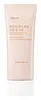 Key Ingredients
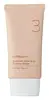
Benefits
Concerns
No concerns
Ingredients Side-by-side
Water
Skin ConditioningDibutyl Adipate
EmollientPropanediol
Solvent

Titanium Dioxide
Cosmetic Colorant

Diisobutyl Adipate
EmollientButyloctyl Salicylate
Skin Conditioning
Caprylic/Capric Triglyceride
Masking
Diethylamino Hydroxybenzoyl Hexyl Benzoate
UV Filter
Ethylhexyl Triazone
UV Absorber
Dicaprylyl Carbonate
EmollientNiacinamide
Smoothing










Methyl Trimethicone
Skin Conditioning
Glycerin
Humectant
Dimethicone/Vinyl Dimethicone Crosspolymer
Skin Conditioning
Diethylhexyl Butamido Triazone
UV Absorber
1,2-Hexanediol
Skin Conditioning
Oryza Sativa Extract
Absorbent
Pentylene Glycol
Skin Conditioning
Polyhydroxystearic Acid
Emulsifying
Ammonium Polyacryloyldimethyl Taurate
Emulsion StabilisingStearic Acid
Cleansing
Butylene Glycol
Humectant
Vp/Eicosene Copolymer
Sodium Polyacryloyldimethyl Taurate
Emulsion StabilisingDimethiconol
Emollient
Trisiloxane
Skin Conditioning
Alumina
Abrasive
Panthenol
Skin Conditioning
Hydroxypropyl Methylcellulose Stearoxy Ether
Silica
Abrasive
Sodium Acrylate/Vinyl Alcohol Copolymer
Emulsion StabilisingEthylhexylglycerin
Skin ConditioningPolyacrylate Crosspolymer-6
Emulsion StabilisingAdenosine
Skin Conditioning
Sodium Polyacrylate
Absorbent
Sodium Acrylic Acid/Ma Copolymer
Xanthan Gum
EmulsifyingT-Butyl Alcohol
Perfuming


Caprylyl Glycol
Emollient
Polyether-1
Tocopherol
Antioxidant

Triethoxycaprylylsilane
Methylpropanediol
SolventOxygen
Skin ConditioningParfum
Masking


CI 77491
Cosmetic ColorantWater, Dibutyl Adipate, Propanediol, Titanium Dioxide, Diisobutyl Adipate, Butyloctyl Salicylate, Caprylic/Capric Triglyceride, Diethylamino Hydroxybenzoyl Hexyl Benzoate, Ethylhexyl Triazone, Dicaprylyl Carbonate, Niacinamide, Methyl Trimethicone, Glycerin, Dimethicone/Vinyl Dimethicone Crosspolymer, Diethylhexyl Butamido Triazone, 1,2-Hexanediol, Oryza Sativa Extract, Pentylene Glycol, Polyhydroxystearic Acid, Ammonium Polyacryloyldimethyl Taurate, Stearic Acid, Butylene Glycol, Vp/Eicosene Copolymer, Sodium Polyacryloyldimethyl Taurate, Dimethiconol, Trisiloxane, Alumina, Panthenol, Hydroxypropyl Methylcellulose Stearoxy Ether, Silica, Sodium Acrylate/Vinyl Alcohol Copolymer, Ethylhexylglycerin, Polyacrylate Crosspolymer-6, Adenosine, Sodium Polyacrylate, Sodium Acrylic Acid/Ma Copolymer, Xanthan Gum, T-Butyl Alcohol, Caprylyl Glycol, Polyether-1, Tocopherol, Triethoxycaprylylsilane, Methylpropanediol, Oxygen, Parfum, CI 77491
Water
Skin ConditioningZinc Oxide
Cosmetic Colorant
Cyclohexasiloxane
Emollient
Propanediol
Solvent
Propylheptyl Caprylate
EmollientCaprylyl Methicone
Skin Conditioning
Trimethylsiloxysilicate
Emollient
Polyglyceryl-3 Polydimethylsiloxyethyl Dimethicone
Skin Conditioning
Titanium Dioxide
Cosmetic Colorant
Niacinamide
Smoothing
Disiloxane
Skin Conditioning
Butyloctyl Salicylate
Skin Conditioning
Centella Asiatica Extract
Cleansing
Polygonum Cuspidatum Root Extract
Antioxidant
Scutellaria Baicalensis Root Extract
Astringent
Camellia Sinensis Leaf Extract
Antimicrobial
Rosmarinus Officinalis Leaf Extract
AntimicrobialChamomilla Recutita Flower Extract
Masking
Artemisia Capillaris Extract
Glycyrrhiza Glabra Root Extract
Bleaching
Houttuynia Cordata Extract
Skin Conditioning
Melaleuca Alternifolia Leaf Extract
Perfuming
Rosmarinus Officinalis Leaf Oil
Masking

Disteardimonium Hectorite
StabilisingMagnesium Sulfate
Triethoxycaprylylsilane
1,2-Hexanediol
Skin Conditioning
Polyglyceryl-2 Dipolyhydroxystearate
Skin Conditioning
Lauryl Polyglyceryl-3 Polydimethylsiloxyethyl Dimethicone
Skin Conditioning
Methyl Methacrylate Crosspolymer
Polymethylsilsesquioxane
Dicaprylyl Carbonate
EmollientGlyceryl Caprylate
EmollientCaprylyl Glycol
Emollient
Mica
Cosmetic ColorantAluminum Hydroxide
EmollientEthylhexylglycerin
Skin ConditioningPerfluorooctyl Triethoxysilane
Tocopherol
Antioxidant
Butylene Glycol
Humectant
Pentylene Glycol
Skin Conditioning
CI 77492
Cosmetic ColorantCI 77491
Cosmetic ColorantCI 77499
Cosmetic ColorantWater, Zinc Oxide, Cyclohexasiloxane, Propanediol, Propylheptyl Caprylate, Caprylyl Methicone, Trimethylsiloxysilicate, Polyglyceryl-3 Polydimethylsiloxyethyl Dimethicone, Titanium Dioxide, Niacinamide, Disiloxane, Butyloctyl Salicylate, Centella Asiatica Extract, Polygonum Cuspidatum Root Extract, Scutellaria Baicalensis Root Extract, Camellia Sinensis Leaf Extract, Rosmarinus Officinalis Leaf Extract, Chamomilla Recutita Flower Extract, Artemisia Capillaris Extract, Glycyrrhiza Glabra Root Extract, Houttuynia Cordata Extract, Melaleuca Alternifolia Leaf Extract, Rosmarinus Officinalis Leaf Oil, Disteardimonium Hectorite, Magnesium Sulfate, Triethoxycaprylylsilane, 1,2-Hexanediol, Polyglyceryl-2 Dipolyhydroxystearate, Lauryl Polyglyceryl-3 Polydimethylsiloxyethyl Dimethicone, Methyl Methacrylate Crosspolymer, Polymethylsilsesquioxane, Dicaprylyl Carbonate, Glyceryl Caprylate, Caprylyl Glycol, Mica, Aluminum Hydroxide, Ethylhexylglycerin, Perfluorooctyl Triethoxysilane, Tocopherol, Butylene Glycol, Pentylene Glycol, CI 77492, CI 77491, CI 77499
Reviews
Ingredients Explained
These ingredients are found in both products.
Ingredients higher up in an ingredient list are typically present in a larger amount.
1,2-Hexanediol is a synthetic liquid and another multi-functional powerhouse.
It is a:
- Humectant, drawing moisture into the skin
- Emollient, helping to soften skin
- Solvent, dispersing and stabilizing formulas
- Preservative booster, enhancing the antimicrobial activity of other preservatives
Butylene Glycol (or BG) is used within cosmetic products for a few different reasons:
Overall, Butylene Glycol is a safe and well-rounded ingredient that works well with other ingredients.
Though this ingredient works well with most skin types, some people with sensitive skin may experience a reaction such as allergic rashes, closed comedones, or itchiness.
Learn more about Butylene GlycolButyloctyl Salicylate is a chemical UV filter structurally similar to octisalate. It is a photostabilizer, SPF booster, emollient and solvent. This ingredient helps evenly spread out ingredients.
According to a manufacturer, it is suitable for pairing with micro Titanium Dioxide, Zinc Oxide, and pigments.
Photostabilizers help stabilize UV-filters and prevents them from degrading quickly.
Learn more about Butyloctyl SalicylateCaprylyl Glycol is a humectant, skin conditioner, emollient, and preservative booster derived from either caprylic acid or synthetically created.
Typical use levels vary from 0.3-1% as a preservative booster and go up to 2% to condition skin.
Because it is not a free-fatty acid or alcohol, this ingredient is fungal acne safe (there's nothing for Malassezia to feed on).
Learn more about Caprylyl GlycolCi 77491 is also hydrated iron III oxide. It's sole purpose is to give a red/pink hue to products.
Iron III oxides are classified as inorganic chemicals for coloring.
Synthetically created Ci 77491 is considered safer than those naturally found. This is because the synthetically created version may contain less impurities. Iron oxides are generally non-toxic and non-allergenic.
Learn more about CI 77491Dicaprylyl Carbonate comes from carbonic acid and caprylyl alcohol, a fatty alcohol. It is an emollient and gives skin a velvet feel. The sources of Dicaprylyl Carbonate may be synthetic or from animals.
As an emollient, Dicaprylyl Carbonate creates a film on the skin. This film traps moisture in, keeping your skin soft and hydrated.
Ethylhexylglycerin is created from glycerin. It is a multitasker ingredient that:
The CIR Expert Panel found minimal skin absorption or sensitization of any kind in a safety assessment. Though this ingredient is considered well-tolerated, a small number of cases of allergic dermatitis have been published since 2002. Just be sure to patch test if you are unsure.
Industry-reported use ranges from 8% in rinse-off products and 2% in leave-on formulations.
Learn more about EthylhexylglycerinNiacinamide is a multitasking form of vitamin B3 that strengthens the skin barrier, reduces pores and dark spots, regulates oil, and improves signs of aging.
And the best part? It's gentle and well-tolerated by most skin types, including sensitive and reactive skin.
You might have heard of "niacin flush", or the reddening of skin that causes itchiness. Niacinamide has not been found to cause this.
In very rare cases, some individuals may not be able to tolerate niacinamide at all or experience an allergic reaction to it.
If you are experiencing flaking, irritation, and dryness with this ingredient, be sure to double check all your products as this ingredient can be found in all categories of skincare.
When incorporating niacinamide into your routine, look out for concentration amounts. Typically, 5% niacinamide provides benefits such as fading dark spots. However, if you have sensitive skin, it is better to begin with a smaller concentration.
When you apply niacinamide to your skin, your body converts it into nicotinamide adenine dinucleotide (NAD). NAD is an essential coenzyme that is already found in your cells as "fuel" and powers countless biological processes.
In your skin, NAD helps repair cell damage, produce new healthy cells, support collagen production, strengthen the skin barrier, and fight environmental stressors (like UV and pollution).
Our natural NAD levels start to decline with age, leading to slower skin repair, visible aging, and a weaker skin barrier. By providing your skin niacinamide, you're recharging your skin's NAD levels. This leads to stronger, healthier, and younger looking skin.
Another name for vitamin B3 is nicotinamide. This vitamin is water-soluble and our bodies don't store it. We obtain Vitamin B3 from either food or skincare. Meat, fish, wheat, yeast, and leafy greens contain vitamin B3.
The type of niacinamide used in skincare is synthetically created.
Learn more about NiacinamidePentylene glycol is typically used within a product to thicken it. It also adds a smooth, soft, and moisturizing feel to the product. It is naturally found in plants such as sugar beets.
The hydrophilic trait of Pentylene Glycol makes it a humectant. As a humectant, Pentylene Glycol helps draw moisture from the air to your skin. This can help keep your skin hydrated.
This property also makes Pentylene Glycol a great texture enhancer. It can also help thicken or stabilize a product.
Pentylene Glycol also acts as a mild preservative and helps to keep a product microbe-free.
Some people may experience mild eye and skin irritation from Pentylene Glycol. We always recommend speaking with a professional about using this ingredient in your routine.
Pentylene Glycol has a low molecular weight and is part of the 1,2-glycol family.
Learn more about Pentylene GlycolPropanediol is an all-star ingredient. It softens, hydrates, and smooths the skin.
It’s often used to:
Propanediol is not likely to cause sensitivity and considered safe to use. It is derived from corn or petroleum with a clear color and no scent.
Learn more about PropanediolTitanium dioxide is a mineral UV filter widely used in sunscreens and cosmetics.
It is one of only two UV filters officially classified as “mineral” by regulatory agencies, the other being zinc oxide.
Titanium dioxide provides broad-spectrum protection mostly in the UVB and UVAII range, with some protection in the UVAI range.
While its UVA protection isn’t as strong as zinc oxide’s, the difference is minor.
A common myth is that mineral UV filters reflect UV light. However, modern research shows titanium dioxide absorbs UV radiation like chemical filters (~95% absorption & 5% reflection).
Thanks to its non-irritating nature, titanium dioxide is suitable for sensitive, acne-prone, or redness-prone skin. It is unlikely to cause "eye sting" like other sunscreen ingredients.
A major drawback of this ingredient is its white cast and thick texture. This is why mineral sunscreens often leave a white cast and are less cosmetically elegant than chemical/hybrid sunscreens.
To improve white cast and spreadability, micronized or nano-sized titanium dioxide is often used.
There are ongoing concerns surrounding nano-titanium oxide's impact on marine ecosystems.
There is no conclusive evidence that any form of titanium oxide (or any other sunscreen ingredients) will cause harm to marine ecosystems or coral reefs. The science is still developing but many consumers are keeping a close eye on this issue.
Please note, many destinations have reef-safety sunscreen rules. For instance, the U.S. Virgin Islands advises all visitors to use non-nano mineral sunscreens.
Nano mineral sunscreens once raised safety concerns about absorption into skin.
Extensive research has shown that they do not penetrate healthy or damaged skin; they remain safely on the surface and the top layer of dead skin (stratum corneum).
You'll likely find titanium dioxide bundled with alumina, silica, or dimethicone. These ingredients help make titanium dioxide highly photostable; this prevents it from interacting with other formula components under UV light.
Learn more about Titanium DioxideTocopherol is a fat-soluble antioxidant known as Vitamin E.
You'll find this ingredient in the vast majority of skincare (for good reason). It works to neutralize free radicals, or unstable molecules generated by UV exposure, pollution, and other environmental stressors, before they can cause oxidative damage to your skin cells.
Topically applied tocopherol has been shown to protect against UV damage by ramping up the skin's own natural defense enzymes.
It also acts as a skin conditioning agent; some studies show that regular topical use can improve the skin's water-binding capacity over 2-4 weeks.
This ingredient is especially loved for being a team player. When combined with Vitamin C, the photoprotective effect of both ingredients roughly doubles and the combo also helps reduce UV-induced DNA damage.
This ingredient has some brightening potential but it's more of a prevention ingredient than spot-fader. Cell studies show it can slow down melanin production but it's worth noting that it's not the most powerful brightener out there.
In formulations, it also serves as a stabilizer that helps protect other oxidation-prone ingredients from degrading.
Concentrations usually range from 0.1-1% in most leave-on products.
Learn more about TocopherolTriethoxycaprylylsilane is a silicon-based surface modifier that makes sunscreens feel silky and makeup stay put.
Its main job is to coat mineral particles like titanium dioxide, zinc oxide, and color pigments in a thin, oily layer so they spread smoothly, don't clump, and stick to skin better.
This ingredient is typically used at low levels (up to 2.5% in eyeshadow and 1% in lipstick).
Learn more about TriethoxycaprylylsilaneWater. It's the most common cosmetic ingredient of all. You'll usually see it at the top of ingredient lists, meaning that it makes up the largest part of the product.
So why is it so popular? Water most often acts as a solvent - this means that it helps dissolve other ingredients into the formulation.
You'll also recognize water as that liquid we all need to stay alive. If you see this, drink a glass of water. Remember to stay hydrated!
Learn more about Water
