Ryx Skincerity Tokyo Luxe Micro-Essence Lotion SPF 35 Versus Sensai Absolute Silk Illuminative Cream
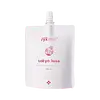
This sunscreen offers SPF 35 protection with a dewy, hydrating finish.
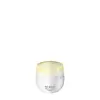
This brightening moisturizer is formulated around Niacinamide and Acetyl Glucosamine to brighten dull-looking skin and fade the look of dark spots.


What's inside
What's inside
 Key Ingredients
Benefits
Concerns
Ingredients Side-by-side
Water
Skin ConditioningButylene Glycol
Humectant

Ethylhexyl Palmitate
Emollient




Glycerin
Humectant
Parfum
Masking


Pentylene Glycol
Skin Conditioning
Polysorbate 60
Emulsifying
Glycosyl Trehalose
Emulsion StabilisingC13-14 Isoparaffin
Emollient
Hydrogenated Starch Hydrolysate
HumectantPhenoxyethanol
Preservative
Laureth-7
EmulsifyingMethylparaben
Preservative

Polyacrylamide
Niacinamide
Smoothing









Olea Europaea Fruit Oil
Masking
Sodium PCA
Humectant
Tocopherol
Antioxidant

Sodium Lactate
Buffering
Squalane
Emollient
Ceramide NP
Skin Conditioning
Prunus Yedoensis Leaf Extract
Skin ConditioningEriobotrya Japonica Leaf Extract
Skin ConditioningArtemisia Capillaris Flower Extract
Skin ConditioningVaccinium Myrtillus Leaf Extract
AstringentCynara Scolymus Leaf Extract
Skin ConditioningWater, Butylene Glycol, Ethylhexyl Palmitate, Glycerin, Parfum, Pentylene Glycol, Polysorbate 60, Glycosyl Trehalose, C13-14 Isoparaffin, Hydrogenated Starch Hydrolysate, Phenoxyethanol, Laureth-7, Methylparaben, Polyacrylamide, Niacinamide, Olea Europaea Fruit Oil, Sodium PCA, Tocopherol, Sodium Lactate, Squalane, Ceramide NP, Prunus Yedoensis Leaf Extract, Eriobotrya Japonica Leaf Extract, Artemisia Capillaris Flower Extract, Vaccinium Myrtillus Leaf Extract, Cynara Scolymus Leaf Extract
Water
Skin ConditioningDipropylene Glycol
HumectantGlycerin
Humectant
Niacinamide
Smoothing
Hydrogenated Polydecene
EmollientButylene Glycol
Humectant
Isononyl Isononanoate
EmollientPEG-75
HumectantPEG-60 Hydrogenated Castor Oil
Emulsifying
Petrolatum
Emollient
Butyrospermum Parkii Butter
Skin Conditioning
Olea Europaea Fruit Oil
Masking
Caprylic/Capric/Myristic/Stearic Triglyceride
EmollientPhytosteryl/Isostearyl/Cetyl/Stearyl/Behenyl Dimer Dilinoleate
Skin Conditioning
Carbomer
Emulsion StabilisingMaltitol
HumectantPhenoxyethanol
Preservative
Polyacrylamide
Parfum
Masking
Potassium Hydroxide
BufferingAlcohol
Antimicrobial

C13-14 Isoparaffin
Emollient
Glycosyl Trehalose
Emulsion StabilisingXanthan Gum
EmulsifyingAcetyl Glucosamine
Skin Conditioning
Hydrogenated Starch Hydrolysate
HumectantDisodium EDTA
ChelatingLaureth-7
EmulsifyingFucus Vesiculosus Extract
Emollient
Linalool
Perfuming
Eugenia Caryophyllus Flower Extract
AstringentBenzyl Salicylate
Perfuming
Alpha-Isomethyl Ionone
Perfuming
Hydrolyzed Silk
Humectant
Hydroxycitronellal
Perfuming
Citronellol
Perfuming
Oenothera Biennis Seed Extract
Skin ConditioningTocopherol
Antioxidant
Dipotassium Glycyrrhizate
Humectant
Sambucus Nigra Flower Extract
RefreshingPerilla Ocymoides Leaf Extract
TonicHexamethylindanopyran
Masking
Methylcyclopentadecenone
MaskingMethyldihydrojasmonate
MaskingTetramethyl Acetyloctahydronaphthalenes
Masking
Water, Dipropylene Glycol, Glycerin, Niacinamide, Hydrogenated Polydecene, Butylene Glycol, Isononyl Isononanoate, PEG-75, PEG-60 Hydrogenated Castor Oil, Petrolatum, Butyrospermum Parkii Butter, Olea Europaea Fruit Oil, Caprylic/Capric/Myristic/Stearic Triglyceride, Phytosteryl/Isostearyl/Cetyl/Stearyl/Behenyl Dimer Dilinoleate, Carbomer, Maltitol, Phenoxyethanol, Polyacrylamide, Parfum, Potassium Hydroxide, Alcohol, C13-14 Isoparaffin, Glycosyl Trehalose, Xanthan Gum, Acetyl Glucosamine, Hydrogenated Starch Hydrolysate, Disodium EDTA, Laureth-7, Fucus Vesiculosus Extract, Linalool, Eugenia Caryophyllus Flower Extract, Benzyl Salicylate, Alpha-Isomethyl Ionone, Hydrolyzed Silk, Hydroxycitronellal, Citronellol, Oenothera Biennis Seed Extract, Tocopherol, Dipotassium Glycyrrhizate, Sambucus Nigra Flower Extract, Perilla Ocymoides Leaf Extract, Hexamethylindanopyran, Methylcyclopentadecenone, Methyldihydrojasmonate, Tetramethyl Acetyloctahydronaphthalenes
Ingredients Explained
These ingredients are found in both products.
Ingredients higher up in an ingredient list are typically present in a larger amount.
Butylene Glycol (or BG) is used within cosmetic products for a few different reasons:
Overall, Butylene Glycol is a safe and well-rounded ingredient that works well with other ingredients.
Though this ingredient works well with most skin types, some people with sensitive skin may experience a reaction such as allergic rashes, closed comedones, or itchiness.
Learn more about Butylene GlycolC13-14 Isoparaffin is a synthetic emollient, solvent, and thickening agent. It helps soften skin and improves spreadability without leaving a greasy residue.
This ingredient has been found to be non-sensitizing and safe for use in cosmetics.
Two things floating around online that cause fear-mongering:
There's one scary-sounding study related to kidney tumors in male rats; this depends on a protein called alpha-2u-globulin that binds the ingredient and clogs up kidney cells. Female rats barely make this protein, and humans don't make it at all so this effect cannot happen to us. Regulatory bodies have states this rat-only pathway shouldn't be used to judge human risk.
The other thing you'll see is 1,4-dioxane being a trace byproduct that can form during manufacturing of petroleum-derived ingredients. This is a real, but heavily managed/monitored issue. This byproduct is removed through purification steps before the ingredients goes into the formula. Regulatory bodies also actively monitor residual levels for safety.
One last thing to note: this ingredient is a pure hydrocarbon with no fatty-acid or ester chains for Malassezia to feed on, so it's considered fungal acne safe.
Learn more about C13-14 IsoparaffinGlycerin (or glycerol) is a compound naturally found in your skin. It's a powerhouse humectant that pulls water into the stratum corneum.
Topically, glycerin does several things at once:
Your skin makes glycerin on its own (mostly from sebaceous oil breakdown) and shuttles it to your outermost layer of skin, or your epidermis, via aquaporin-3.
Aquaporin-3 is a transporter that is essential for normal skin hydration, elasticity, and repair. Interestingly, mice lacking in AQP3 have dry and less elastic skin that can be fully corrected with glycerin.
This ingredient is non-irritating, plays well with almost every ingredient, and works across all skin types. Typical use is anywhere between 3-10% but can go up to 79% in some leave-on products.
Just know very high concentrations (>40%) can feel tacky in low humidity.
Glycerin is the name for this ingredient in American English. British English uses Glycerol/Glycerine.
Learn more about GlycerinWe don't have a description for Glycosyl Trehalose yet.
Hydrogenated Starch Hydrolysate is a made up of a mixture of sugar alcohols (like sorbitol) and is created by hydrogenating corn, wheat, or potato starch.
It acts as a humectant and draws water to the skin to keep it hydrated. Generally, this is a well-tolerated and non-irritating ingredient.
Laureth-7 is created by the ethoxylation of lauryl alcohol using ethylene oxide. Lauryl alcohol is a fatty alcohol with hydrating properties.
This ingredient is an emulsifier and cleansing ingredient. As an emulsifier, it is used to prevent ingredients from separating. It also helps cleanse the skin by gathering dirt, oil, and pollutants to be rinsed away.
Niacinamide is a multitasking form of vitamin B3 that strengthens the skin barrier, reduces pores and dark spots, regulates oil, and improves signs of aging.
And the best part? It's gentle and well-tolerated by most skin types, including sensitive and reactive skin.
You might have heard of "niacin flush", or the reddening of skin that causes itchiness. Niacinamide has not been found to cause this.
In very rare cases, some individuals may not be able to tolerate niacinamide at all or experience an allergic reaction to it.
If you are experiencing flaking, irritation, and dryness with this ingredient, be sure to double check all your products as this ingredient can be found in all categories of skincare.
When incorporating niacinamide into your routine, look out for concentration amounts. Typically, 5% niacinamide provides benefits such as fading dark spots. However, if you have sensitive skin, it is better to begin with a smaller concentration.
When you apply niacinamide to your skin, your body converts it into nicotinamide adenine dinucleotide (NAD). NAD is an essential coenzyme that is already found in your cells as "fuel" and powers countless biological processes.
In your skin, NAD helps repair cell damage, produce new healthy cells, support collagen production, strengthen the skin barrier, and fight environmental stressors (like UV and pollution).
Our natural NAD levels start to decline with age, leading to slower skin repair, visible aging, and a weaker skin barrier. By providing your skin niacinamide, you're recharging your skin's NAD levels. This leads to stronger, healthier, and younger looking skin.
Another name for vitamin B3 is nicotinamide. This vitamin is water-soluble and our bodies don't store it. We obtain Vitamin B3 from either food or skincare. Meat, fish, wheat, yeast, and leafy greens contain vitamin B3.
The type of niacinamide used in skincare is synthetically created.
Learn more about NiacinamideThis ingredient is also known as olive oil. It has been used in skincare for centuries and science largely backs up its reputation as a nourishing emollient.
The main components of olive oil are oleic acid (55-83%), linoleic acid (3.5-20%), and palmitic acid (7-20%). Oleic acid promotes skin regeneration and helps regulate inflammatory responses.
Squalene is also naturally present in olive oil and exhibits moisturizing and antioxidant properties.
The polyphenols in olive oil also show anti-aging promise; one clinical study found a measurable improvement in skin appearance after 30 days of topical serum use.
Just be aware that applying olive oil directly to skin can weaken the barrier and cause redness. One study with volunteers found even people without sensitive skin experienced a significant reduction in stratum corneum integrity and induced mild erythema.
It's best to use this ingredient as part of a carefully crafted formula (instead of putting it on skin directly from the bottle).
Because it has a 0-2 on the comedogenic scale, it is low risk for acne-prone skin. Just remember the overall formulation of a product matters more than a few ingredients with comedogenic ratings.
This ingredient may not be fungal acne safe because of the oleic and palmitic acid content. These fall within the C11-24 fatty acid range that the Malassezia yeast can metabolize to grow.
Overall, olive oil is a well-studied and nourishing skincare ingredient.
Learn more about Olea Europaea Fruit OilParfum is a catch-all term for an ingredient or more that is used to give a scent to products.
Also called "fragrance", this ingredient can be a blend of hundreds of chemicals or plant oils. This means every product with "fragrance" or "parfum" in the ingredients list is a different mixture.
For instance, Habanolide is a proprietary trade name for a specific aroma chemical. When used as a fragrance ingredient in cosmetics, most aroma chemicals fall under the broad labeling category of “FRAGRANCE” or “PARFUM” according to EU and US regulations.
The term 'parfum' or 'fragrance' is not regulated in many countries. In many cases, it is up to the brand to define this term.
For instance, many brands choose to label themselves as "fragrance-free" because they are not using synthetic fragrances. However, their products may still contain ingredients such as essential oils that are considered a fragrance by INCI standards.
One example is Calendula flower extract. Calendula is an essential oil that still imparts a scent or 'fragrance'.
Depending on the blend, the ingredients in the mixture can cause allergies and sensitivities on the skin. Some ingredients that are known EU allergens include linalool and citronellol.
Parfum can also be used to mask or cover an unpleasant scent.
The bottom line is: not all fragrances/parfum/ingredients are created equally. If you are worried about fragrances, we recommend taking a closer look at an ingredient. And of course, we always recommend speaking with a professional.
Learn more about ParfumPhenoxyethanol is one of the most widely used preservatives in skincare (and for good reason!).
It has a large spectrum of antimicrobial activity and especially effective bacteria, yeast, and mold while only having a weak effect on your skin's natural microbiome.
On a cellular level, it disrupts the cell membranes of microbes by poking holes that make the cell leak. This shuts down the chemical reactions the microbe needs to make energy so it can no longer survive.
Another perk of this ingredient is that it stays functional across a wide pH range (3-10).
You'll often see it paired with boosters like Ethylhexylglycerin; one study showed that a 1:9 ratio of Ethylhexylglycerin to Phenoxyethanol damages bacterial membranes as effectively as doubling the Phenoxyethanol concentration on its own.
Typical use concentrations range from 0.3-1% depending on the formula, and this ingredient is capped at 1% int the EU.
Safety-wise, the fear mongering does not hold up to the evidence. The EU's Scientific Committee on Consumer Safety and FDA consider it safe as a preservative at up to 1%, including for children of all ages.
Adverse systemic effects only showed up in animal studies at exposures roughly 200x higher than what people get from cosmetics. And despite its very widespread use, this ingredient is a rare sensitizer and allergic reactions are uncommon.
Learn more about PhenoxyethanolPolyacrylamide is a synthetic polymer. It is used to stabilize products and bind ingredients. When hydrated, Polyacrylamide forms a soft gel.
Polyacrylamide is low-toxicity. If source properly, it is deemed safe to use in cosmetics.
It should be noted the precursor to Polyacrylamide is acrylamide. Acrylamide is a carcinogen. Most reputable sources of Polyacrylamide will screen for residual acrylamide to make sure the count is in a safe range. Acrylamide is not able to be absorbed through the skin.
We recommend speaking with a professional if you have concerns.
Learn more about PolyacrylamideTocopherol is a fat-soluble antioxidant known as Vitamin E.
You'll find this ingredient in the vast majority of skincare (for good reason). It works to neutralize free radicals, or unstable molecules generated by UV exposure, pollution, and other environmental stressors, before they can cause oxidative damage to your skin cells.
Topically applied tocopherol has been shown to protect against UV damage by ramping up the skin's own natural defense enzymes.
It also acts as a skin conditioning agent; some studies show that regular topical use can improve the skin's water-binding capacity over 2-4 weeks.
This ingredient is especially loved for being a team player. When combined with Vitamin C, the photoprotective effect of both ingredients roughly doubles and the combo also helps reduce UV-induced DNA damage.
This ingredient has some brightening potential but it's more of a prevention ingredient than spot-fader. Cell studies show it can slow down melanin production but it's worth noting that it's not the most powerful brightener out there.
In formulations, it also serves as a stabilizer that helps protect other oxidation-prone ingredients from degrading.
Concentrations usually range from 0.1-1% in most leave-on products.
Learn more about TocopherolWater. It's the most common cosmetic ingredient of all. You'll usually see it at the top of ingredient lists, meaning that it makes up the largest part of the product.
So why is it so popular? Water most often acts as a solvent - this means that it helps dissolve other ingredients into the formulation.
You'll also recognize water as that liquid we all need to stay alive. If you see this, drink a glass of water. Remember to stay hydrated!
Learn more about Water

