
What's inside
What's inside
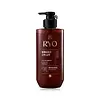 Key Ingredients
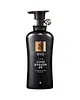
No key ingredients
Benefits
Concerns
Ingredients Side-by-side
Water
Skin ConditioningSodium Laureth Sulfate
Cleansing



Ammonium Lauryl Sulfate
Cleansing
Cocamide Methyl Mea
Surfactant
Disodium Laureth Sulfosuccinate
CleansingParfum
Masking

Caffeine
Skin Conditioning

Sodium Benzoate
Masking
Sodium Salicylate
Preservative
Dimethicone
Emollient

Sodium Chloride
MaskingMenthol
Masking
Glycerin
Humectant

Phenoxyethanol
Preservative
Cetyl Alcohol
Emollient

Guar Hydroxypropyltrimonium Chloride
Skin ConditioningCaprylyl Glycol
Emollient
Sodium Citrate
BufferingCitric Acid
Buffering

Caprylic/Capric Triglyceride
Masking
Trihydroxystearin
Skin Conditioning
Sodium Metaphosphate
BufferingPEG-150 Pentaerythrityl Tetrastearate
Emulsifying
Dicaprylyl Ether
Emollient
Amyl Cinnamal
Perfuming
Hexyl Cinnamal
Perfuming
Benzyl Salicylate
Perfuming
Climbazole
Antimicrobial
PPG-2 Hydroxyethyl Cocamide
Emulsifying
Polyquaternium-11
Alpha-Isomethyl Ionone
Perfuming
Disodium EDTA
Glyceryl Stearate
Emollient
Linalool
Perfuming
Limonene
Perfuming
Laureth-23
Cleansing
Laureth-3
Emulsifying1,2-Hexanediol
Skin Conditioning
Dehydroacetic Acid
Preservative
Tetrasodium EDTA
Carbomer
Emulsion StabilisingDextrin
AbsorbentHydrolyzed Extensin
Skin ConditioningButylene Glycol
Humectant
Panax Ginseng Root Extract
Emollient
Rosa Damascena Flower Extract
Masking
Saccharomyces Cerevisiae Extract
Skin Conditioning
Lactic Acid
Buffering


Tocopherol
Antioxidant

Ethylhexylglycerin
Skin ConditioningThuja Orientalis Seed Extract
Skin ConditioningCamellia Japonica Seed Oil
Emollient
Melaleuca Alternifolia Leaf Oil
Antioxidant

Camellia Sinensis Seed Oil
Humectant
Panax Ginseng Root Water
Masking
Glycyrrhiza Glabra Root Extract
Bleaching
Xylitylglucoside
Humectant
Propanediol
Solvent
Anhydroxylitol
Humectant
Xylitol
Humectant
Hydroxypropyl Cyclodextrin
MaskingGlycine Max Seed Extract
Skin ConditioningBacillus/Soybean Ferment Extract
Skin ConditioningWater, Sodium Laureth Sulfate, Ammonium Lauryl Sulfate, Cocamide Methyl Mea, Disodium Laureth Sulfosuccinate, Parfum, Caffeine, Sodium Benzoate, Sodium Salicylate, Dimethicone, Sodium Chloride, Menthol, Glycerin, Phenoxyethanol, Cetyl Alcohol, Guar Hydroxypropyltrimonium Chloride, Caprylyl Glycol, Sodium Citrate, Citric Acid, Caprylic/Capric Triglyceride, Trihydroxystearin, Sodium Metaphosphate, PEG-150 Pentaerythrityl Tetrastearate, Dicaprylyl Ether, Amyl Cinnamal, Hexyl Cinnamal, Benzyl Salicylate, Climbazole, PPG-2 Hydroxyethyl Cocamide, Polyquaternium-11, Alpha-Isomethyl Ionone, Disodium EDTA, Glyceryl Stearate, Linalool, Limonene, Laureth-23, Laureth-3, 1,2-Hexanediol, Dehydroacetic Acid, Tetrasodium EDTA, Carbomer, Dextrin, Hydrolyzed Extensin, Butylene Glycol, Panax Ginseng Root Extract, Rosa Damascena Flower Extract, Saccharomyces Cerevisiae Extract, Lactic Acid, Tocopherol, Ethylhexylglycerin, Thuja Orientalis Seed Extract, Camellia Japonica Seed Oil, Melaleuca Alternifolia Leaf Oil, Camellia Sinensis Seed Oil, Panax Ginseng Root Water, Glycyrrhiza Glabra Root Extract, Xylitylglucoside, Propanediol, Anhydroxylitol, Xylitol, Hydroxypropyl Cyclodextrin, Glycine Max Seed Extract, Bacillus/Soybean Ferment Extract
Water
Skin ConditioningSodium Lauryl Sulfate
Cleansing
Ammonium Lauryl Sulfate
Cleansing
Cocamide Methyl Mea
Surfactant
Lauryl Hydroxysultaine
CleansingParfum
Masking
Caffeine
Skin Conditioning
Coco-Glucoside
Cleansing
Sodium Benzoate
Masking
PPG-3 Caprylyl Ether
SolventButylene Glycol
Humectant
PEG-60 Hydrogenated Castor Oil
Emulsifying
Polyquaternium-10
Caprylyl Glycol
Emollient
Xylitylglucoside
Humectant
Citric Acid
Buffering
Phenoxyethanol
Preservative
Lauric Acid
Cleansing
Cetyl Alcohol
Emollient
Cocamide Mea
Emulsifying
Anhydroxylitol
Humectant
Sea Water
HumectantMenthol
Masking
Di-C12-13 Alkyl Malate
EmollientSodium Salicylate
Preservative
Sodium Citrate
BufferingPropanediol
Solvent
Trihydroxystearin
Skin Conditioning
PEG-150 Pentaerythrityl Tetrastearate
Emulsifying
Linalool
Perfuming
Xylitol
Humectant
Tetrasodium EDTA
PPG-2 Hydroxyethyl Cocamide
Emulsifying
Disodium EDTA
Glucose
Humectant
Citronellol
Perfuming
Panax Ginseng Root Extract
Emollient
Glycine Soja Seed Extract
Skin Conditioning
Malt Extract
Skin ProtectingAlcohol
Antimicrobial
1,2-Hexanediol
Skin Conditioning
Ethylhexylglycerin
Skin ConditioningGanoderma Lucidum Extract
Skin Protecting
Cyclodextrin
AbsorbentWater, Sodium Lauryl Sulfate, Ammonium Lauryl Sulfate, Cocamide Methyl Mea, Lauryl Hydroxysultaine, Parfum, Caffeine, Coco-Glucoside, Sodium Benzoate, PPG-3 Caprylyl Ether, Butylene Glycol, PEG-60 Hydrogenated Castor Oil, Polyquaternium-10, Caprylyl Glycol, Xylitylglucoside, Citric Acid, Phenoxyethanol, Lauric Acid, Cetyl Alcohol, Cocamide Mea, Anhydroxylitol, Sea Water, Menthol, Di-C12-13 Alkyl Malate, Sodium Salicylate, Sodium Citrate, Propanediol, Trihydroxystearin, PEG-150 Pentaerythrityl Tetrastearate, Linalool, Xylitol, Tetrasodium EDTA, PPG-2 Hydroxyethyl Cocamide, Disodium EDTA, Glucose, Citronellol, Panax Ginseng Root Extract, Glycine Soja Seed Extract, Malt Extract, Alcohol, 1,2-Hexanediol, Ethylhexylglycerin, Ganoderma Lucidum Extract, Cyclodextrin
Reviews
Ingredients Explained
These ingredients are found in both products.
Ingredients higher up in an ingredient list are typically present in a larger amount.
1,2-Hexanediol is a synthetic liquid and another multi-functional powerhouse.
It is a:
- Humectant, drawing moisture into the skin
- Emollient, helping to soften skin
- Solvent, dispersing and stabilizing formulas
- Preservative booster, enhancing the antimicrobial activity of other preservatives
Ammonium Lauryl Sulfate is a type of sulfate. It can be bad for dry skin, cause irritation, and worsen rosacea.
This ingredient is created from dehydrating xylitol in acidic conditions. Xylitol is a famous sugar and humectant.
Much like its predecessor, anhydroxylitol is a humectant. Humectants attract and hold water to moisturize the skin.
This ingredient is most commonly found in a popular trio called Aquaxyl. Aquaxyl is made up of anhydroxylitol (24 - 34%), xylitylglucoside (35 - 50%), and xylitol (5 - 15%).
According to a manufacturer, Aquaxyl is known for a 3-D hydration concept and an anti-dehydration shield to reinforce the outer layer of skin.
This ingredient is often derived from plants such as wood and sugarcane.
Learn more about AnhydroxylitolButylene Glycol (or BG) is used within cosmetic products for a few different reasons:
Overall, Butylene Glycol is a safe and well-rounded ingredient that works well with other ingredients.
Though this ingredient works well with most skin types, some people with sensitive skin may experience a reaction such as allergic rashes, closed comedones, or itchiness.
Learn more about Butylene GlycolCaffeine is a naturally occurring plant compound found in coffee beans, tea leaves, cocoa pods, and guarana.
As an antioxidant, caffeine protects your skin from free radical damage caused by UV exposure and envionrmnetal stressors.
Early research also shows that caffeine can help calm redness, soothe irritated skin, and support hair growth by stimulating microcirculation in the scalp.
You might have seen eye creams marketing caffeine as a depuffing ingredient. This is because it is a vasoconstrictor meaning it can temporarily constrict blood vessels, though clinical evidence for this specific use is still limited.
Most skincare products contain this ingredient at concentrations between 1-6%. It is able to penetrate skin easily regardless of skin type or thickness.
Just so you know, a very small number of case reports describe caffeine-induced allergy. This ingredient is generally well-tolerated, non-irritating, and non-sensitizing for the majority of people.
Learn more about CaffeineCaprylyl Glycol is a humectant, skin conditioner, emollient, and preservative booster derived from either caprylic acid or synthetically created.
Typical use levels vary from 0.3-1% as a preservative booster and go up to 2% to condition skin.
Because it is not a free-fatty acid, this ingredient is fungal acne safe (there's nothing for Malassezia to feed on).
Learn more about Caprylyl GlycolCetyl Alcohol is a fatty alcohol. Fatty Alcohols are most often used as an emollient or to thicken a product.
Its main roles are:
Though it has "alcohol" in the name, it is not related to denatured alcohol or ethyl alcohol.
The FDA allows products labeled "alcohol-free" to have fatty alcohols.
This ingredient may not be fungal acne safe. It is a primary fatty alcohol with a chain length above 12 carbons. A study from 2019 show Malassezia can feed on fatty alcohols in this range, so it may trigger fungal acne in those prone to it.
Learn more about Cetyl AlcoholCitric Acid is an alpha hydroxy acid (AHA) naturally found in citrus fruits like oranges, lemons, and limes.
Like other AHAs, citric acid can exfoliate skin by breaking down the bonds that hold dead skin cells together. This helps reveal smoother and brighter skin underneath.
However, this exfoliating effect only happens at high concentrations (20%) which can be hard to find in cosmetic products.
Due to this, citric acid is usually included in small amounts as a pH adjuster. This helps keep products slightly more acidic and compatible with skin's natural pH.
In skincare formulas, citric acid can:
While it can provide some skin benefits, research shows lactic acid and glycolic acid are generally more effective and less irritating exfoliants.
Most citric acid used in skincare today is made by fermenting sugars (usually from molasses). This synthetic version is identical to the natural citrus form but easier to stabilize and use in formulations.
Rosacea skin has a lower threshold for acids generally, with 62.5% of rosacea subjects in one study reacting to lactic acid in a sting test. This is why we mark citric acid as a potential rosacea trigger.
However, this ingredient shows up as a pH adjuster or chelator at roughly 0.1-1% in many products. These low levels are unlikely to be an issue for rosacea skin and becomes a potential trigger at exfoliating concentrations (20%). Because everybody's skin is unique, we recommend a patch test if you are unsure.
Learn more about Citric AcidWe don't have a description for Cocamide Methyl Mea yet.
Disodium EDTA is a chelating agent. It grabs onto and deactivates metal ions that sneak into your products from water, packaging, or air.
This ingredient mainly works behind the scenes and helps with:
On top of that, this ingredient can counteract the effects of hard water by binding to the minerals in it.
One thing worth knowing is that Disodium EDTA has been shown to be a mild penetration enhancer. It can help other ingredients absorb into skin more effectively which can be a double-edged sword (great for actives, but can also make the active too strong if you have sensitive skin).
Clinical patch testing showed no significant skin irritation at typical use concentrations and minimal dermal absorption.
You'll most likely see this ingredient near the end of an ingredient list. It's typically found in concentrations less than 1%.
Learn more about Disodium EDTAEthylhexylglycerin is created from glycerin. It is a multitasker ingredient that:
The CIR Expert Panel found minimal skin absorption or sensitization of any kind in a safety assessment. Though this ingredient is considered well-tolerated, a small number of cases of allergic dermatitis have been published since 2002. Just be sure to patch test if you are unsure.
Industry-reported use ranges from 8% in rinse-off products and 2% in leave-on formulations.
Learn more about EthylhexylglycerinLinalool is a fragrance and helps add scent to products. It's derived from common plants such as cinnamon, mint, citrus, and lavender.
Like Limonene, this ingredient oxidizes when exposed to air. Oxidized linalool can cause allergies and skin sensitivity.
This ingredient has a scent that is floral, spicy tropical, and citrus-like.
Learn more about LinaloolMenthol is a compound found in mint plants, such as peppermint. In its pure form, it is a clear crystalline substance.
Menthol is known for its cooling sensation; however, the cooling is actually from your skin being sensitized. Menthol can worsen rosacea. We recommend speaking with a professional if you have concerns.
Menthol also has antimicrobial properties.
Learn more about MentholGinseng root is a well-loved ingredient in Asian skincare for good reason. It hydrates the skin, soothes irritation, and helps even out skin tone.
In traditional East Asian medicine, ginseng has been used for centuries both as food and as a healing remedy, and modern research continues to confirm its skin benefits.
One of the standout features of ginseng is its ability to improve blood circulation and oxygen delivery to the skin, bringing a fresh supply of nutrients to support overall skin health. It also has antioxidant and anti-inflammatory properties. This helps to protect your skin against damage from UV exposure, pollution, and daily stress.
Additionally, studies suggest that ginseng may help reduce hyperpigmentation by inhibiting tyrosinase, the enzyme involved in melanin production.
There are different types of ginseng used in skincare, and while they all share core benefits, their potency can vary.
Most products use fresh or white ginseng because it’s more affordable. However, red ginseng, produced by steaming the root, contains higher levels of ginsenosides, which are compounds with proven anti-aging effects. These ginsenosides help reduce the appearance of wrinkles and improve skin elasticity.
Note: All forms of ginseng are listed simply as “Panax ginseng” in ingredient lists. We recommend reaching out to the brand if you have questions about which type of ginseng is used in their ingredients.
For general antioxidant benefits, any ginseng extract will do, but for wrinkle care or firmer skin, red or fermented ginseng is often more effective.
In short, ginseng is a powerhouse ingredient that supports hydration, radiance, and resilience.
Learn more about Panax Ginseng Root ExtractParfum is a catch-all term for an ingredient or more that is used to give a scent to products.
Also called "fragrance", this ingredient can be a blend of hundreds of chemicals or plant oils. This means every product with "fragrance" or "parfum" in the ingredients list is a different mixture.
For instance, Habanolide is a proprietary trade name for a specific aroma chemical. When used as a fragrance ingredient in cosmetics, most aroma chemicals fall under the broad labeling category of “FRAGRANCE” or “PARFUM” according to EU and US regulations.
The term 'parfum' or 'fragrance' is not regulated in many countries. In many cases, it is up to the brand to define this term.
For instance, many brands choose to label themselves as "fragrance-free" because they are not using synthetic fragrances. However, their products may still contain ingredients such as essential oils that are considered a fragrance by INCI standards.
One example is Calendula flower extract. Calendula is an essential oil that still imparts a scent or 'fragrance'.
Depending on the blend, the ingredients in the mixture can cause allergies and sensitivities on the skin. Some ingredients that are known EU allergens include linalool and citronellol.
Parfum can also be used to mask or cover an unpleasant scent.
The bottom line is: not all fragrances/parfum/ingredients are created equally. If you are worried about fragrances, we recommend taking a closer look at an ingredient. And of course, we always recommend speaking with a professional.
Learn more about ParfumPEG-150 Pentaerythrityl Tetrastearate is an emulsifier, thickener, and mild conditioner.
It's made by esterifying and pentaerythritol with stearic acid, and then attaching 150 units of ethylene oxide to make it water-friendly.
This structure lets it bridge oil and water to prevent ingredients from separating and keep formulas stable. It is also the reason it gives cosmetics a creamy feel without the greasiness.
The CIR Expert Panel has concluded this ingredient to be well-tolerated. Human repeated patch testing on the undiluted version has come back negative for irritation and sensitization. On top of that, its large molecule size makes skin penetration unlikely.
Usage concentration ranges from 5% in rinse-off to 1.8% in leave-on formulas.
Because this ingredient is made from stearic acid, it may not be fungal acne safe. Stearic acid is a C18 fatty acid that the Malassezia yeast can substrate.
Learn more about PEG-150 Pentaerythrityl TetrastearatePhenoxyethanol is one of the most widely used preservatives in skincare (and for good reason!).
It has a large spectrum of antimicrobial activity and especially effective bacteria, yeast, and mold while only having a weak effect on your skin's natural microbiome.
On a cellular level, it disrupts the cell membranes of microbes by poking holes that make the cell leak. This shuts down the chemical reactions the microbe needs to make energy so it can no longer survive.
Another perk of this ingredient is that it stays functional across a wide pH range (3-10).
You'll often see it paired with boosters like Ethylhexylglycerin; one study showed that a 1:9 ratio of Ethylhexylglycerin to Phenoxyethanol damages bacterial membranes as effectively as doubling the Phenoxyethanol concentration on its own.
Typical use concentrations range from 0.3-1% depending on the formula, and this ingredient is capped at 1% int the EU.
Safety-wise, the fear mongering does not hold up to the evidence. The EU's Scientific Committee on Consumer Safety and FDA consider it safe as a preservative at up to 1%, including for children of all ages.
Adverse systemic effects only showed up in animal studies at exposures roughly 200x higher than what people get from cosmetics. And despite its very widespread use, this ingredient is a rare sensitizer and allergic reactions are uncommon.
Learn more about PhenoxyethanolWe don't have a description for PPG-2 Hydroxyethyl Cocamide yet.
Propanediol is an all-star ingredient. It softens, hydrates, and smooths the skin.
It’s often used to:
Propanediol is not likely to cause sensitivity and considered safe to use. It is derived from corn or petroleum with a clear color and no scent.
Learn more about PropanediolSodium Benzoate is a preservative. It's used in both cosmetic and food products to inhibit the growth of mold and bacteria. It is typically produced synthetically.
Both the US FDA and EU Health Committee have approved the use of sodium benzoate. In the US, levels of 0.1% (of the total product) are allowed.
Sodium benzoate works as a preservative by inhibiting the growth of bacteria inside of cells. It prevents the cell from fermenting a type of sugar using an enzyme called phosphofructokinase.
It is the salt of benzoic acid. Foods containing sodium benzoate include soda, salad dressings, condiments, fruit juices, wines, and snack foods.
Studies for using ascorbic acid and sodium benzoate in cosmetics are lacking, especially in skincare routines with multiple steps.
We always recommend speaking with a professional, such as a dermatologist, if you have any concerns.
Learn more about Sodium BenzoateSodium Citrate is the sodium salts of citric acid. In skincare, it is used to alter pH levels and acts as a preservative.
Its main functions are to maintain the pH of a product and neutralize metal ions.
The acidity of our skin is maintained by our glands and skin biome; normal pH level of skin is slightly acidic (~4.75-5.5).
Being slightly acidic allows our skin to create an "acid mantle". This acid mantle is a thin barrier that protects our skin from bacteria and contaminants.
Learn more about Sodium CitrateThis ingredient is the sodium salt of salicylic acid, the famous anti-acne ingredient.
Officially, this ingredient is used as a preservative. However, some studies found Sodium Salicylate to have exfoliating properties. Further studies are needed.
Tetrasodium EDTA is the salt formed from neutralizing ethylenediamine tetraacetic acid with sodium hydroxide. It is a chelating agent and used to prevent metal ions from binding to other ingredients. This helps keep the product and ingredients stable.
Tetrasodium EDTA comes as a white solid and is soluble in water.
Trihydroxystearin is what you get when you fully hydrogenate castor oil into a waxy, fine powder.
It's mostly a behind-the-scenes texture enhancer that's especially good at "thixotropic" thing where the product stays thick but applies nicely.
Because of its structure, it also acts as a mild skin conditioning emollient that helps soften skin while preventing moisture loss.
Safety studies show it to be safe and non-irritation in clinical tests. It's typically used in concentrations up to 5%.
Since its an ester of a C18 fatty acid, it falls into the C11-24 range that Malassezia can potentially feed on. This makes it not fungal-acne safe.
Learn more about TrihydroxystearinWater. It's the most common cosmetic ingredient of all. You'll usually see it at the top of ingredient lists, meaning that it makes up the largest part of the product.
So why is it so popular? Water most often acts as a solvent - this means that it helps dissolve other ingredients into the formulation.
You'll also recognize water as that liquid we all need to stay alive. If you see this, drink a glass of water. Remember to stay hydrated!
Learn more about WaterXylitol is a humectant and prebiotic. It can help with dry skin.
In studies, xylitol has been shown to improve dry skin. It decreased transepidermal water loss, or when water passes through the skin and evaporates. Xylitol also showed to help improve the biomechanical properties of the skin barrier.
The prebiotic property of xylitol may also help reinforce our skin's natural microbiome. Having a healthy microbiome prevents infection by bad bacteria and helps with hydration.
As a humectant, Xylitol helps draw moisture from both the air and from deeper skin layers. This helps keep skin hydrated.
Xylitol is a sugar alcohol and commonly used as a sugar substitute. It is naturally occurring in plants such as strawberries and pumpkin.
Learn more about XylitolXylitylglucoside is created from xylitol and glucose, two humectants.
Not surprisingly, this ingredient is also a humectant. It attracts and holds water in your skin, helping to maintain hydration.
This ingredient is most commonly found in a popular trio called Aquaxyl. Aquaxyl is made up of anhydroxylitol(24 - 34%), xylitylglucoside (35 - 50%), and xylitol (5 - 15%).
According to a manufacturer, Aquaxyl is known for a 3-D hydration concept and an anti-dehydration shield to reinforce the outer layer of skin.
Learn more about Xylitylglucoside

