Round Lab 365 Derma Relief Sun Cream SPF50+ PA++++ Versus Round Lab Camellia Deep Collagen Firming Sun Serum SPF 50+
This mineral sunscreen covers the full UV range and blocks ~98% of UVB at SPF 50.
This chemical sunscreen covers the full UV range and blocks ~98% of UVB at SPF 50.

What's inside
What's inside
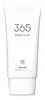 Key Ingredients
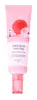
Benefits
Concerns
Ingredients Side-by-side
Water
Skin ConditioningCyclomethicone
Emollient
Zinc Oxide
Cosmetic Colorant


Titanium Dioxide
Cosmetic Colorant
Propanediol
Solvent

Polyglyceryl-3 Polydimethylsiloxyethyl Dimethicone
Skin Conditioning
Dibutyl Adipate
EmollientCaprylyl Methicone
Skin Conditioning
1,2-Hexanediol
Skin Conditioning
Disteardimonium Hectorite
StabilisingMagnesium Sulfate
Hydrogen Dimethicone
Aluminum Hydroxide
EmollientSalvia Hispanica Seed Extract
Emollient
C30-45 Alkyl Cetearyl Dimethicone Crosspolymer
Emollient
Centella Asiatica Extract
Cleansing



Houttuynia Cordata Extract
Skin Conditioning
Polyglyceryl-2 Dipolyhydroxystearate
Skin Conditioning

Stearic Acid
Cleansing
Fructooligosaccharides
Humectant
Saccharide Hydrolysate
HumectantCitrus Aurantium Bergamia Fruit Oil
Masking



Helianthus Annuus Seed Oil
Emollient
Ethylhexylglycerin
Skin ConditioningPullulan
Octyldodecanol
Emollient
Pelargonium Graveolens Flower Oil
Masking
Panthenol
Skin Conditioning
Rosa Damascena Flower Oil
Masking
Echium Plantagineum Seed Oil
Skin Conditioning
Cardiospermum Halicacabum Flower/Leaf/Vine Extract
Skin ConditioningHelianthus Annuus Seed Oil Unsaponifiables
Emollient
Butylene Glycol
Humectant
Caprylic/Capric Triglyceride
Masking
Tocopherol
Antioxidant



Phosphatidylcholine
EmulsifyingCeramide NP
Skin Conditioning
Glycine
Buffering
Glutamic Acid
Humectant
Serine
Masking
Lysine
Skin ConditioningAlanine
Masking
Arginine
Masking
Threonine
Proline
Skin Conditioning
Water, Cyclomethicone, Zinc Oxide, Titanium Dioxide, Propanediol, Polyglyceryl-3 Polydimethylsiloxyethyl Dimethicone, Dibutyl Adipate, Caprylyl Methicone, 1,2-Hexanediol, Disteardimonium Hectorite, Magnesium Sulfate, Hydrogen Dimethicone, Aluminum Hydroxide, Salvia Hispanica Seed Extract, C30-45 Alkyl Cetearyl Dimethicone Crosspolymer, Centella Asiatica Extract, Houttuynia Cordata Extract, Polyglyceryl-2 Dipolyhydroxystearate, Stearic Acid, Fructooligosaccharides, Saccharide Hydrolysate, Citrus Aurantium Bergamia Fruit Oil, Helianthus Annuus Seed Oil, Ethylhexylglycerin, Pullulan, Octyldodecanol, Pelargonium Graveolens Flower Oil, Panthenol, Rosa Damascena Flower Oil, Echium Plantagineum Seed Oil, Cardiospermum Halicacabum Flower/Leaf/Vine Extract, Helianthus Annuus Seed Oil Unsaponifiables, Butylene Glycol, Caprylic/Capric Triglyceride, Tocopherol, Phosphatidylcholine, Ceramide NP, Glycine, Glutamic Acid, Serine, Lysine, Alanine, Arginine, Threonine, Proline
Water
Skin ConditioningPropanediol
Solvent
Butylene Glycol
Humectant
Ethylhexyl Triazone
UV Absorber
Terephthalylidene Dicamphor Sulfonic Acid
UV Absorber
Dibutyl Adipate
EmollientDiisopropyl Adipate
EmollientHydrogenated Polyisobutene
EmollientC12-15 Alkyl Benzoate
AntimicrobialNiacinamide
Smoothing


Tromethamine
BufferingC11-13 Isoparaffin
Solvent
Diethylamino Hydroxybenzoyl Hexyl Benzoate
UV Filter
Methyl Trimethicone
Skin Conditioning
Polymethylsilsesquioxane
Polysilicone-15
UV Filter
Silica
Abrasive
Pentylene Glycol
Skin Conditioning
Hydroxyethyl Urea
Humectant
Cetearyl Olivate
C13-16 Isoalkane
SolventBis-Ethylhexyloxyphenol Methoxyphenyl Triazine
UV Absorber
Poly C10-30 Alkyl Acrylate
Emulsion StabilisingSorbitan Olivate
Emulsifying
Behenyl Alcohol
Emollient
Hydroxyacetophenone
Antioxidant
Dimethicone/Vinyl Dimethicone Crosspolymer
Skin Conditioning
Sodium Polyacryloyldimethyl Taurate
Emulsion StabilisingDimethiconol
Emollient
Arginine
Masking
Dehydroxanthan Gum
Emulsion StabilisingGlyceryl Stearate
Emollient
Sodium Hyaluronate
Humectant
Sodium Stearoyl Glutamate
CleansingMethylpropanediol
SolventPolyether-1
Polyacrylate Crosspolymer-6
Emulsion StabilisingAdenosine
Skin Conditioning
Cyanocobalamin
Skin ConditioningCaprylic/Capric Triglyceride
Masking
Dimethyl Isosorbide
SolventOctadecane
Emollient
Lactic Acid/Glycolic Acid Copolymer
Skin ConditioningCamellia Japonica Flower Extract
EmollientHydroxypinacolone Retinoate
Skin Conditioning
Glycerin
Humectant
Hydrolyzed Collagen
Emollient
Inositol
Humectant
Collagen
Moisturising
Caprylyl Glycol
Emollient
Ethylhexylglycerin
Skin ConditioningQuercetin
Antioxidant
1,2-Hexanediol
Skin Conditioning
Carbomer
Emulsion StabilisingXanthan Gum
EmulsifyingWater, Propanediol, Butylene Glycol, Ethylhexyl Triazone, Terephthalylidene Dicamphor Sulfonic Acid, Dibutyl Adipate, Diisopropyl Adipate, Hydrogenated Polyisobutene, C12-15 Alkyl Benzoate, Niacinamide, Tromethamine, C11-13 Isoparaffin, Diethylamino Hydroxybenzoyl Hexyl Benzoate, Methyl Trimethicone, Polymethylsilsesquioxane, Polysilicone-15, Silica, Pentylene Glycol, Hydroxyethyl Urea, Cetearyl Olivate, C13-16 Isoalkane, Bis-Ethylhexyloxyphenol Methoxyphenyl Triazine, Poly C10-30 Alkyl Acrylate, Sorbitan Olivate, Behenyl Alcohol, Hydroxyacetophenone, Dimethicone/Vinyl Dimethicone Crosspolymer, Sodium Polyacryloyldimethyl Taurate, Dimethiconol, Arginine, Dehydroxanthan Gum, Glyceryl Stearate, Sodium Hyaluronate, Sodium Stearoyl Glutamate, Methylpropanediol, Polyether-1, Polyacrylate Crosspolymer-6, Adenosine, Cyanocobalamin, Caprylic/Capric Triglyceride, Dimethyl Isosorbide, Octadecane, Lactic Acid/Glycolic Acid Copolymer, Camellia Japonica Flower Extract, Hydroxypinacolone Retinoate, Glycerin, Hydrolyzed Collagen, Inositol, Collagen, Caprylyl Glycol, Ethylhexylglycerin, Quercetin, 1,2-Hexanediol, Carbomer, Xanthan Gum
Reviews
Ingredients Explained
These ingredients are found in both products.
Ingredients higher up in an ingredient list are typically present in a larger amount.
1,2-Hexanediol is a synthetic liquid and another multi-functional powerhouse.
It is a:
- Humectant, drawing moisture into the skin
- Emollient, helping to soften skin
- Solvent, dispersing and stabilizing formulas
- Preservative booster, enhancing the antimicrobial activity of other preservatives
Arginine is a semi-essential amino acid. This just means our bodies can product a bit on its own, but sometimes needs a little boost from food sources.
It is a part of your skin's natural moisturizing factor (NMF), or the water-loving molecules in your outermost layer of skin (stratum corneum) that keeps everything hydrated and happy.
Here's an interesting thing about Arginine: your skin converts it into urea through the Krebs-Henseleit urea cycle. Urea is one of the most effective humectants your skin naturally produces.
A clinical study showed applying 2.5% arginine hydrochloride to atopic dermatitis skin showed significant urea levels in the stratum corneum and improved moisture in just four weeks.
Arginine is also a precursor to nitric oxide; nitric oxide improves microcirculation and supports wound healing and collagen synthesis.
One study found that an amino acid complex containing Arginine reduced skin irritation, improved hydration, and accelerated skin repair in clinical / in-vivo studies.
Arginine itself is an amino acid and not a fatty acid, oil, or ester. On its own, it's not a direct food source for Malassezia, or the yeast that causes fungal acne.
Learn more about ArginineButylene Glycol (or BG) is used within cosmetic products for a few different reasons:
Overall, Butylene Glycol is a safe and well-rounded ingredient that works well with other ingredients.
Though this ingredient works well with most skin types, some people with sensitive skin may experience a reaction such as allergic rashes, closed comedones, or itchiness.
Learn more about Butylene GlycolCaprylic/Capric Triglyceride (aka MCT Oil) is a lightweight emollient, solvent, and texture enhancer. It is considered a skin-softener by helping to prevent moisture loss.
Though it behaves like an oil, it is not technically one due to its chemical composition. One perk of this ingredient is that it is very stable, resistant to oxidation, and unlikely to go rancid.
In practice, that translates to a long shelf life and a consistently elegant skin feel.
While there is an assumption Caprylic Triglyceride can clog pores due to it being derived from coconut oil, there is no research supporting this. Just patch test if you have concerns.
Fractionated coconut oil and MCT Oil are both listed as Caprylic/Capric Triglyceride according to INCI. This is because INCI names are based on the ingredient’s final chemical composition and not its marketing name or source.
This ingredient is treated as the gold standard fungal acne safe oil. Even though it is coconut derived, the problematic lauric acid is stripped out.
This leaves just caprylic (C8) and capric (C10) acid. These chain lengths actually trend antifungal; a 2020 study found caprylic acid was enough to disrupt Malassezia furfur cell membrane, with a caprylic acid derivative damaging membrane structures at concentrations as low as 0.2%.
Learn more about Caprylic/Capric TriglycerideDibutyl Adipate is a lightweight, oil-soluble ester that acts as an emollient and solvent. It helps products spread more easily and leaves a soft, silky, dry-touch finish without being greasy.
You'll likely see this ingredient in sunscreens because it does a nice job dissolving UV filters and keeping them evenly distributed.
This ingredient has been found to be safe as used in cosmetics, wasn't a skin or eye irritant in clinical patch testing, and wasn't phototoxic.
In a clinical comedogenicity test, this ingredient tested negative so it isn't likely to clog pores.
Typical use levels are about 5-8% for sunscreens + nail products, but can range from 0.005%-8% depending on the product.
Learn more about Dibutyl AdipateEthylhexylglycerin is created from glycerin. It is a multitasker ingredient that:
The CIR Expert Panel found minimal skin absorption or sensitization of any kind in a safety assessment. Though this ingredient is considered well-tolerated, a small number of cases of allergic dermatitis have been published since 2002. Just be sure to patch test if you are unsure.
Industry-reported use ranges from 8% in rinse-off products and 2% in leave-on formulations.
Learn more about EthylhexylglycerinPropanediol is an all-star ingredient. It softens, hydrates, and smooths the skin.
It’s often used to:
Propanediol is not likely to cause sensitivity and considered safe to use. It is derived from corn or petroleum with a clear color and no scent.
Learn more about PropanediolWater. It's the most common cosmetic ingredient of all. You'll usually see it at the top of ingredient lists, meaning that it makes up the largest part of the product.
So why is it so popular? Water most often acts as a solvent - this means that it helps dissolve other ingredients into the formulation.
You'll also recognize water as that liquid we all need to stay alive. If you see this, drink a glass of water. Remember to stay hydrated!
Learn more about Water

