This brightening serum is formulated around Niacinamide and 3-O-Ethyl Ascorbic Acid to fade the look of dark spots and brighten dull-looking skin.
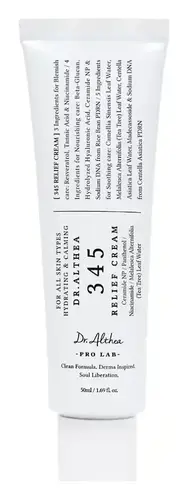
This calming moisturizer is formulated around Niacinamide and Panthenol to calm redness and brighten dull-looking skin.

What's inside
What's inside
 Key Ingredients
Benefits
Concerns
Ingredients Side-by-side
Water
Skin ConditioningButylene Glycol
Humectant

Niacinamide
Smoothing










Glycerin
Humectant
1,2-Hexanediol
Skin Conditioning
Pentylene Glycol
Skin Conditioning
Carbomer
Emulsion StabilisingPolyglyceryl-10 Laurate
Skin Conditioning

3-O-Ethyl Ascorbic Acid
Skin Conditioning
Arginine
Masking
Allantoin
Skin Conditioning
Betaine
Humectant
Melaleuca Bracteata Leaf Extract
Skin ConditioningDisodium EDTA
Hydroxyacetophenone
Antioxidant
Melia Azadirachta Flower Extract
Skin ConditioningAdenosine
Skin Conditioning
Curcuma Longa Root Extract
Antioxidant
Sodium Hyaluronate
Humectant
Phytosterols
Skin Conditioning
Hydrogenated Lecithin
Emulsifying
Xanthan Gum
EmulsifyingGlycine
Buffering
Citrus Aurantium Bergamia Fruit Oil
Masking


Serine
Masking
Glutamic Acid
Humectant
Ferulic Acid
Antimicrobial
Thymus Mastichina Herb Oil
Perfuming
Citrus Aurantium Dulcis Peel Oil
Masking
Chamomilla Recutita Extract
Skin Conditioning
Houttuynia Cordata Extract
Skin Conditioning
Aspartic Acid
Masking
Leucine
Skin ConditioningAlanine
Masking
Lysine
Skin ConditioningSclerotium Gum
Emulsion StabilisingTyrosine
MaskingPhenylalanine
Masking
Proline
Skin Conditioning
Threonine
Valine
MaskingCoral Extract
Skin ConditioningIsoleucine
Skin ConditioningBeta-Glucan
Skin Conditioning
Bis-Capryloyloxypalmitamido Isopropanol
EmollientDihydroxyisopropyl Palmoylpalmamide
HumectantGlutathione
Linoleic Acid
Cleansing
Myristoyl/Palmitoyl Oxostearamide/Arachamide Mea
Skin ConditioningHistidine
Humectant
Cysteine
Antioxidant
Methionine
Skin ConditioningAscorbic Acid Polypeptide
Antioxidant
Bursera Graveolens Fruit Oil
Masking
Caprylic/Capric Triglyceride
Masking
Azulene
Skin Conditioning
Pvp
Emulsion StabilisingPolyglyceryl-10 Diisostearate
Emulsifying
Acetyl Hexapeptide-8
Humectant
Astaxanthin
Skin Conditioning
Ascorbic Acid
Antioxidant
Folic Acid
Skin ConditioningPanthenol
Skin Conditioning
Tocopherol
Antioxidant
Acetyl Octapeptide-3
Humectant
Acetyl Tetrapeptide-2
Skin Conditioning
Acetyl Tetrapeptide-3
Skin Protecting
Acetyl Carnosine
Skin ProtectingCopper Tripeptide-1
Skin Conditioning
Nonapeptide-1
Skin Conditioning
Palmitoyl Pentapeptide-4
Skin Conditioning
Palmitoyl Tripeptide-1
Skin Conditioning
Palmitoyl Tripeptide-5
Skin Conditioning
Limonene
Perfuming
Linalool
Perfuming
Water, Butylene Glycol, Niacinamide, Glycerin, 1,2-Hexanediol, Pentylene Glycol, Carbomer, Polyglyceryl-10 Laurate, 3-O-Ethyl Ascorbic Acid, Arginine, Allantoin, Betaine, Melaleuca Bracteata Leaf Extract, Disodium EDTA, Hydroxyacetophenone, Melia Azadirachta Flower Extract, Adenosine, Curcuma Longa Root Extract, Sodium Hyaluronate, Phytosterols, Hydrogenated Lecithin, Xanthan Gum, Glycine, Citrus Aurantium Bergamia Fruit Oil, Serine, Glutamic Acid, Ferulic Acid, Thymus Mastichina Herb Oil, Citrus Aurantium Dulcis Peel Oil, Chamomilla Recutita Extract, Houttuynia Cordata Extract, Aspartic Acid, Leucine, Alanine, Lysine, Sclerotium Gum, Tyrosine, Phenylalanine, Proline, Threonine, Valine, Coral Extract, Isoleucine, Beta-Glucan, Bis-Capryloyloxypalmitamido Isopropanol, Dihydroxyisopropyl Palmoylpalmamide, Glutathione, Linoleic Acid, Myristoyl/Palmitoyl Oxostearamide/Arachamide Mea, Histidine, Cysteine, Methionine, Ascorbic Acid Polypeptide, Bursera Graveolens Fruit Oil, Caprylic/Capric Triglyceride, Azulene, Pvp, Polyglyceryl-10 Diisostearate, Acetyl Hexapeptide-8, Astaxanthin, Ascorbic Acid, Folic Acid, Panthenol, Tocopherol, Acetyl Octapeptide-3, Acetyl Tetrapeptide-2, Acetyl Tetrapeptide-3, Acetyl Carnosine, Copper Tripeptide-1, Nonapeptide-1, Palmitoyl Pentapeptide-4, Palmitoyl Tripeptide-1, Palmitoyl Tripeptide-5, Limonene, Linalool
Water
Skin ConditioningNiacinamide
Smoothing
1,2-Hexanediol
Skin Conditioning
Panthenol
Skin Conditioning
Ethyl Linoleate
Emollient
Caprylic/Capric Triglyceride
Masking
Cetearyl Alcohol
Emollient


Ammonium Acryloyldimethyltaurate/Vp Copolymer
Centella Asiatica Extract
Cleansing
Acetyl Glucosamine
Skin Conditioning
Bifida Ferment Lysate
Skin Conditioning
Resveratrol
Antioxidant
Polyglyceryl-10 Distearate
Emulsifying
Glyceryl Stearate
Emollient
4-T-Butylcyclohexanol
Masking
Sodium Hyaluronate
Humectant
Sorbitan Stearate
Emulsifying
Phytosterols
Skin Conditioning
N-Palmitoyl Serinol
Skin ProtectingHypericum Perforatum Flower Extract
Skin ConditioningButylene Glycol
Humectant
Palmitic Acid
Emollient
Ceramide NP
Skin Conditioning
Carbomer
Emulsion StabilisingPalmitoyl Tetrapeptide-10
Skin Conditioning
Acetyl Dipeptide-1 Cetyl Ester
Skin Conditioning
Sialyllactose
Skin ConditioningCetyl Palmitate
Emollient
Stearic Acid
Cleansing
Polysorbate 80
Emulsifying
Pentylene Glycol
Skin Conditioning
Allantoin
Skin Conditioning
Sodium Benzoate
Masking
Hydrogenated Lecithin
Emulsifying
Citric Acid
Buffering
Sorbitan Laurate
Emulsifying
Myristic Acid
Cleansing
Tocopherol
Antioxidant
Hydroxyethylcellulose
Emulsion StabilisingWater, Niacinamide, 1,2-Hexanediol, Panthenol, Ethyl Linoleate, Caprylic/Capric Triglyceride, Cetearyl Alcohol, Ammonium Acryloyldimethyltaurate/Vp Copolymer, Centella Asiatica Extract, Acetyl Glucosamine, Bifida Ferment Lysate, Resveratrol, Polyglyceryl-10 Distearate, Glyceryl Stearate, 4-T-Butylcyclohexanol, Sodium Hyaluronate, Sorbitan Stearate, Phytosterols, N-Palmitoyl Serinol, Hypericum Perforatum Flower Extract, Butylene Glycol, Palmitic Acid, Ceramide NP, Carbomer, Palmitoyl Tetrapeptide-10, Acetyl Dipeptide-1 Cetyl Ester, Sialyllactose, Cetyl Palmitate, Stearic Acid, Polysorbate 80, Pentylene Glycol, Allantoin, Sodium Benzoate, Hydrogenated Lecithin, Citric Acid, Sorbitan Laurate, Myristic Acid, Tocopherol, Hydroxyethylcellulose
Ingredients Explained
These ingredients are found in both products.
Ingredients higher up in an ingredient list are typically present in a larger amount.
1,2-Hexanediol is a synthetic liquid and another multi-functional powerhouse.
It is a:
- Humectant, drawing moisture into the skin
- Emollient, helping to soften skin
- Solvent, dispersing and stabilizing formulas
- Preservative booster, enhancing the antimicrobial activity of other preservatives
Allantoin is a soothing ingredient known for its protective and moisturizing properties; it's basically a quiet workhorse ingredient you can find in a huge range of cosmetics.
Though it can be derived from the comfrey plant, allantoin is produced synthetically for cosmetic products to ensure purity.
Research shows it can encourage your skin cells to turn over and renew by stimulating keratinocyte and fibroblast proliferation.
It also has mild keratolytic properties to help loosen and shed dead skin cells without being harsh.
Studies also suggest allantoin can help calm inflammation by dialing down some of the chemical signals your skin sends out when it is irritated.
This ingredient is typically used in the 0.1-0.5% range, and the FDA recognizes it as a skin protectant in OTC products up to 2%.
Overall, allantoin is a wonderful addition to most routines; it is stable across a wide pH range (~4-8), works well with other ingredients, and is considered non-sensitizing/non-irritating.
Fun fact: Allantoin is naturally occurring in comfrey root, beets, chamomile, and wheat sprouts. Our bodies even produce it as a byproduct of uric acid metabolism.
Learn more about AllantoinButylene Glycol (or BG) is used within cosmetic products for a few different reasons:
Overall, Butylene Glycol is a safe and well-rounded ingredient that works well with other ingredients.
Though this ingredient works well with most skin types, some people with sensitive skin may experience a reaction such as allergic rashes, closed comedones, or itchiness.
Learn more about Butylene GlycolCaprylic/Capric Triglyceride (aka MCT Oil) is a lightweight emollient, solvent, and texture enhancer. It is considered a skin-softener by helping to prevent moisture loss.
Though it behaves like an oil, it is not technically one due to its chemical composition. One perk of this ingredient is that it is very stable, resistant to oxidation, and unlikely to go rancid.
In practice, that translates to a long shelf life and a consistently elegant skin feel.
While there is an assumption Caprylic Triglyceride can clog pores due to it being derived from coconut oil, there is no research supporting this. Just patch test if you have concerns.
Fractionated coconut oil and MCT Oil are both listed as Caprylic/Capric Triglyceride according to INCI. This is because INCI names are based on the ingredient’s final chemical composition and not its marketing name or source.
This ingredient is treated as the gold standard fungal acne safe oil. Even though it is coconut derived, the problematic lauric acid is stripped out.
This leaves just caprylic (C8) and capric (C10) acid. These chain lengths actually trend antifungal; a 2020 study found caprylic acid was enough to disrupt Malassezia furfur cell membrane, with a caprylic acid derivative damaging membrane structures at concentrations as low as 0.2%.
Learn more about Caprylic/Capric TriglycerideCarbomer is a synthetic thickening and gelling agent. It's basically the ingredient that gives a lot of serums, gels, creams, and sunscreens their smooth, non-sticky texture.
Although legally permitted at very high levels, carbomers are normally used at concentrations below 1%.
It also needs to be neutralized to actually thicken, and because it is a large molecule, it doesn't really penetrate the skin barrier.
Allergy-wise, the risk is very low. Clinical studies show carbomers have low potential for skin irritation/sensitization even at concentrations up to 100%.
A 2024 UK study patch-tested 1,302 patients and found true allergy to the parent group of carbomer to be rare with no confirmed relevant reactions.
Learn more about CarbomerHydrogenated Lecithin is a more stable version of lecithin.
It's made by taking lecithin (a phospholipid commonly found in soybeans and egg yolks) and hydrogenating it. This just means the unsaturated fatty acids are turned into saturated ones so they don't go bad as easily.
This ingredient is an emollient, emulsifier, and penetration enhancer. As an emollient, it helps soften and hydrate skin by trapping moisture within. As an emulsifier, it prevents oil and water ingredients from separating.
Hydrogenated Lecithin can form tiny spherical structures made of phospholipid bilayers called liposomes. These liposomes are able to capture compounds inside their structure and deliver them through the skin barrier.
Because phospholipids are a natural component of our cell membranes, this ingredient is inherently compatible with skin.
A 2021 study found lecithin-based surfactants were less harsh and more tolerable comared to Sodium Lauryl Sulfate (SLS).
Learn more about Hydrogenated LecithinNiacinamide is a multitasking form of vitamin B3 that strengthens the skin barrier, reduces pores and dark spots, regulates oil, and improves signs of aging.
And the best part? It's gentle and well-tolerated by most skin types, including sensitive and reactive skin.
You might have heard of "niacin flush", or the reddening of skin that causes itchiness. Niacinamide has not been found to cause this.
In very rare cases, some individuals may not be able to tolerate niacinamide at all or experience an allergic reaction to it.
If you are experiencing flaking, irritation, and dryness with this ingredient, be sure to double check all your products as this ingredient can be found in all categories of skincare.
When incorporating niacinamide into your routine, look out for concentration amounts. Typically, 5% niacinamide provides benefits such as fading dark spots. However, if you have sensitive skin, it is better to begin with a smaller concentration.
When you apply niacinamide to your skin, your body converts it into nicotinamide adenine dinucleotide (NAD). NAD is an essential coenzyme that is already found in your cells as "fuel" and powers countless biological processes.
In your skin, NAD helps repair cell damage, produce new healthy cells, support collagen production, strengthen the skin barrier, and fight environmental stressors (like UV and pollution).
Our natural NAD levels start to decline with age, leading to slower skin repair, visible aging, and a weaker skin barrier. By providing your skin niacinamide, you're recharging your skin's NAD levels. This leads to stronger, healthier, and younger looking skin.
Another name for vitamin B3 is nicotinamide. This vitamin is water-soluble and our bodies don't store it. We obtain Vitamin B3 from either food or skincare. Meat, fish, wheat, yeast, and leafy greens contain vitamin B3.
The type of niacinamide used in skincare is synthetically created.
Learn more about NiacinamidePanthenol is a common ingredient that helps hydrate and soothe the skin. It is found naturally in our skin and hair.
There are two forms of panthenol: D and L.
D-panthenol is also known as dexpanthenol. Most cosmetics use dexpanthenol or a mixture of D and L-panthenol.
Panthenol is famous due to its ability to go deeper into the skin's layers. Using this ingredient has numerous pros (and no cons):
Like hyaluronic acid, panthenol is a humectant. Humectants are able to bind and hold large amounts of water to keep skin hydrated.
This ingredient works well for wound healing. It works by increasing tissue in the wound and helps close open wounds.
Once oxidized, panthenol converts to pantothenic acid. Panthothenic acid is found in all living cells.
This ingredient is also referred to as pro-vitamin B5.
Learn more about PanthenolPentylene Glycol (1,2-pentanediol) is a multitasking little diol with three main roles in a formula:
Research on alkanediols (the family pentylene glycol belongs to) show they work by disrupting microbial cell membranes. This disruption helps the primary preservative system in a product work more effectively at lower doses.
On the safety side, the Cosmetic Ingredient Review Expert Panel has concluded this ingredient to be safe as used in current cosmetic practices + concentrations.
Typical use levels in a formula run about 1-5%.
Learn more about Pentylene GlycolPhytosterols are plant-derived sterols (you can think of them as the plant world's version of cholesterol). In cosmetics, this ingredient is usually sourced from soybean, rice bran, shea, sunflower, and other seed oils.
The main actors in this group are β-sitosterol, campesterol, and stigmasterol (the CIR covers 27 phytosterols).
They work by fitting perfectly into your stratum corneum's lipid matrix since they're structurally similar to cholesterol. Here, they reinforce your skin's barrier.
One small in vivo human study showed topical soybean phytosterols sped up barrier recovery within three days on tape-stripped skin.
Broader research credits them with:
Formulation use typically sit under 5%.
Testing in soy-allergic subjects found no sensitization signals, but be sure to patch test if you are unsure or have existing allergies.
Learn more about PhytosterolsSodium Hyaluronate is the salt form of hyaluronic acid. It is a long sugar chain that is naturally found in your skin, joints, and connective tissue that maintains hydration and elasticity.
In skincare, it works as a humectant. It pulls water from the environment and deeper layers of skin and binds it to the surface.
Interestingly, the size of the molecule affects its behavior:
Some clinical evidence links low molecular weight versions to improved wrinkle depth, elasticity, anti-inflammatory effects, and barrier repair.
Many serums use a blend of both weights so you can get surface hydration plus longer-lasting and deeper effects.
You'll typically see concentrations between 0.1-2% for this ingredient.
Learn more about Sodium HyaluronateTocopherol is a fat-soluble antioxidant known as Vitamin E.
You'll find this ingredient in the vast majority of skincare (for good reason). It works to neutralize free radicals, or unstable molecules generated by UV exposure, pollution, and other environmental stressors, before they can cause oxidative damage to your skin cells.
Topically applied tocopherol has been shown to protect against UV damage by ramping up the skin's own natural defense enzymes.
It also acts as a skin conditioning agent; some studies show that regular topical use can improve the skin's water-binding capacity over 2-4 weeks.
This ingredient is especially loved for being a team player. When combined with Vitamin C, the photoprotective effect of both ingredients roughly doubles and the combo also helps reduce UV-induced DNA damage.
This ingredient has some brightening potential but it's more of a prevention ingredient than spot-fader. Cell studies show it can slow down melanin production but it's worth noting that it's not the most powerful brightener out there.
In formulations, it also serves as a stabilizer that helps protect other oxidation-prone ingredients from degrading.
Concentrations usually range from 0.1-1% in most leave-on products.
Learn more about TocopherolWater. It's the most common cosmetic ingredient of all. You'll usually see it at the top of ingredient lists, meaning that it makes up the largest part of the product.
So why is it so popular? Water most often acts as a solvent - this means that it helps dissolve other ingredients into the formulation.
You'll also recognize water as that liquid we all need to stay alive. If you see this, drink a glass of water. Remember to stay hydrated!
Learn more about Water