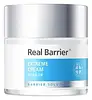
This barrier-repair moisturizer is formulated around Panthenol and Madecassoside to strengthen the skin barrier and hydrate skin.
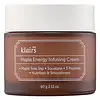
This anti-aging moisturizer is formulated around Squalane and Asiaticoside to soften the look of wrinkles and hydrate skin.

What's inside
What's inside
 Key Ingredients
Benefits
Concerns
Ingredients Side-by-side
Water
Skin ConditioningCaprylic/Capric Triglyceride
Masking


Butylene Glycol
Humectant
Glycerin
Humectant
Cetearyl Alcohol
Emollient





Propanediol
Solvent
Panthenol
Skin Conditioning

Myristoyl/Palmitoyl Oxostearamide/Arachamide Mea
Skin ConditioningGlyceryl Stearate
Emollient
Polyglyceryl-10 Distearate
Emulsifying
Dimethicone
Emollient
Sorbitan Stearate
Emulsifying
Viscum Album Fruit Extract
Soothing1,2-Hexanediol
Skin Conditioning
Limnanthes Alba Seed Oil
Skin Conditioning
Olea Europaea Fruit Oil
Masking
Hydrogenated Vegetable Oil
Emollient
Xylitylglucoside
Humectant
Anhydroxylitol
Humectant
Xylitol
Humectant
Glucose
Humectant
Tocopheryl Acetate
Antioxidant


Phytosterols
Skin Conditioning
Phospholipids
Skin Conditioning
Dihydroxyisopropyl Palmoylpalmamide
HumectantBis-Capryloyloxypalmitamido Isopropanol
EmollientAllantoin
Skin Conditioning
Acetyl Heptapeptide-4
Humectant


Helianthus Annuus Seed Oil
Emollient
Salvia Officinalis Oil
Masking
Pogostemon Cablin Leaf Oil
Masking

Elettaria Cardamomum Seed Oil
Masking
Mentha Arvensis Leaf Oil
Masking
Chamomilla Recutita Flower Oil
Masking
Juniperus Mexicana Oil
Masking
Biosaccharide Gum-1
Humectant
Sodium Hyaluronate
Humectant
Acetyl Dipeptide-1 Cetyl Ester
Skin Conditioning
Madecassoside
Antioxidant
Stearic Acid
Cleansing
Carbomer
Emulsion StabilisingCaprylyl Glycol
Emollient
Water, Caprylic/Capric Triglyceride, Butylene Glycol, Glycerin, Cetearyl Alcohol, Propanediol, Panthenol, Myristoyl/Palmitoyl Oxostearamide/Arachamide Mea, Glyceryl Stearate, Polyglyceryl-10 Distearate, Dimethicone, Sorbitan Stearate, Viscum Album Fruit Extract, 1,2-Hexanediol, Limnanthes Alba Seed Oil, Olea Europaea Fruit Oil, Hydrogenated Vegetable Oil, Xylitylglucoside, Anhydroxylitol, Xylitol, Glucose, Tocopheryl Acetate, Phytosterols, Phospholipids, Dihydroxyisopropyl Palmoylpalmamide, Bis-Capryloyloxypalmitamido Isopropanol, Allantoin, Acetyl Heptapeptide-4, Helianthus Annuus Seed Oil, Salvia Officinalis Oil, Pogostemon Cablin Leaf Oil, Elettaria Cardamomum Seed Oil, Mentha Arvensis Leaf Oil, Chamomilla Recutita Flower Oil, Juniperus Mexicana Oil, Biosaccharide Gum-1, Sodium Hyaluronate, Acetyl Dipeptide-1 Cetyl Ester, Madecassoside, Stearic Acid, Carbomer, Caprylyl Glycol
Acer Saccharum Sap
HumectantGlycerin
Humectant
Propanediol
Solvent
Acetylated Hydrogenated Vegetable Glyceride
EmollientSqualane
Emollient
Methyl Gluceth-20
Humectant
Water
Skin Conditioning1,2-Hexanediol
Skin Conditioning
Hydrogenated Coco-Glycerides
Emollient
Butylene Glycol Dicaprylate/Dicaprate
EmollientHydrogenated Polyisobutene
EmollientCetearyl Alcohol
Emollient
Lactobacillus/Rice Ferment
Skin Conditioning
Synthetic Beeswax
Emulsion Stabilising
Dipentaerythrityl Hexa C5-9 Acid Esters
Skin ConditioningPolyglyceryl-3 Stearate
Emulsifying
Methyl Hydrogenated Rosinate
Perfuming
Sorbitan Stearate
Emulsifying
Silica
Abrasive


Butylene Glycol
Humectant
Maltitol
HumectantCetearyl Olivate
Sunflower Seed Oil Glycerides
Emollient
Tromethamine
BufferingCarbomer
Emulsion StabilisingSorbitan Olivate
Emulsifying
Glyceryl Caprylate
EmollientSodium Stearoyl Glutamate
CleansingHydroxyethyl Acrylate/Sodium Acryloyldimethyl Taurate Copolymer
Emulsion StabilisingEthylene/Propylene/Styrene Copolymer
Hibiscus Abelmoschus Extract
MaskingDipotassium Glycyrrhizate
Humectant
Dioscorea Japonica Root Extract
Skin Conditioning
Ethylhexylglycerin
Skin ConditioningAdenosine
Skin Conditioning
Acer Rubrum Bark Extract
Skin ConditioningSalvia Hispanica Seed Extract
Emollient
Linum Usitatissimum Seed Extract
Perfuming
Biosaccharide Gum-1
Humectant
Asiaticoside
Antioxidant
Arginine
Masking
Sorbitan Isostearate
Emulsifying
Butylene/Ethylene/Styrene Copolymer
Dextrin
AbsorbentCaprylyl Glycol
Emollient
Cetyl Hydroxyethylcellulose
Emulsion StabilisingRutin
Antioxidant
Pentaerythrityl Tetra-Di-T-Butyl Hydroxyhydrocinnamate
Antioxidant
Acetyl Hexapeptide-8
Humectant
Palmitoyl Tripeptide-1
Skin Conditioning
Palmitoyl Tetrapeptide-7
Skin Conditioning
Tocopherol
Antioxidant
Phaseolus Lunatus Seed Extract
EmollientAcer Saccharum Sap, Glycerin, Propanediol, Acetylated Hydrogenated Vegetable Glyceride, Squalane, Methyl Gluceth-20, Water, 1,2-Hexanediol, Hydrogenated Coco-Glycerides, Butylene Glycol Dicaprylate/Dicaprate, Hydrogenated Polyisobutene, Cetearyl Alcohol, Lactobacillus/Rice Ferment, Synthetic Beeswax, Dipentaerythrityl Hexa C5-9 Acid Esters, Polyglyceryl-3 Stearate, Methyl Hydrogenated Rosinate, Sorbitan Stearate, Silica, Butylene Glycol, Maltitol, Cetearyl Olivate, Sunflower Seed Oil Glycerides, Tromethamine, Carbomer, Sorbitan Olivate, Glyceryl Caprylate, Sodium Stearoyl Glutamate, Hydroxyethyl Acrylate/Sodium Acryloyldimethyl Taurate Copolymer, Ethylene/Propylene/Styrene Copolymer, Hibiscus Abelmoschus Extract, Dipotassium Glycyrrhizate, Dioscorea Japonica Root Extract, Ethylhexylglycerin, Adenosine, Acer Rubrum Bark Extract, Salvia Hispanica Seed Extract, Linum Usitatissimum Seed Extract, Biosaccharide Gum-1, Asiaticoside, Arginine, Sorbitan Isostearate, Butylene/Ethylene/Styrene Copolymer, Dextrin, Caprylyl Glycol, Cetyl Hydroxyethylcellulose, Rutin, Pentaerythrityl Tetra-Di-T-Butyl Hydroxyhydrocinnamate, Acetyl Hexapeptide-8, Palmitoyl Tripeptide-1, Palmitoyl Tetrapeptide-7, Tocopherol, Phaseolus Lunatus Seed Extract
Reviews
Ingredients Explained
These ingredients are found in both products.
Ingredients higher up in an ingredient list are typically present in a larger amount.
1,2-Hexanediol is a synthetic liquid and another multi-functional powerhouse.
It is a:
- Humectant, drawing moisture into the skin
- Emollient, helping to soften skin
- Solvent, dispersing and stabilizing formulas
- Preservative booster, enhancing the antimicrobial activity of other preservatives
Biosaccharide Gum-1 is a sugar created by fermenting sorbitol (which usually comes from potato starch!). It is known for its soothing and moisturizing properties.
Manufacturer tests show this ingredient helped reduce irritation from lactic acid by almost half and kept skin hydrated long-term as a humectant
Beyond hydration, Biosaccharide Gum-1 gives formulas a silky, non-sticky feel.
This ingredient is gentle, versatile, and suitable for all skin types.
Fun fact: Similar sugars can be found naturally in fruits like apples and pears.
Learn more about Biosaccharide Gum-1Butylene Glycol (or BG) is used within cosmetic products for a few different reasons:
Overall, Butylene Glycol is a safe and well-rounded ingredient that works well with other ingredients.
Though this ingredient works well with most skin types, some people with sensitive skin may experience a reaction such as allergic rashes, closed comedones, or itchiness.
Learn more about Butylene GlycolCaprylyl Glycol is a humectant, skin conditioner, emollient, and preservative booster derived from either caprylic acid or synthetically created.
Typical use levels vary from 0.3-1% as a preservative booster and go up to 2% to condition skin.
Because it is not a free-fatty acid, this ingredient is fungal acne safe (there's nothing for Malassezia to feed on).
Learn more about Caprylyl GlycolCarbomer is a synthetic thickening and gelling agent. It's basically the ingredient that gives a lot of serums, gels, creams, and sunscreens their smooth, non-sticky texture.
Although legally permitted at very high levels, carbomers are normally used at concentrations below 1%.
It also needs to be neutralized to actually thicken, and because it is a large molecule, it doesn't really penetrate the skin barrier.
Allergy-wise, the risk is very low. Clinical studies show carbomers have low potential for skin irritation/sensitization even at concentrations up to 100%.
A 2024 UK study patch-tested 1,302 patients and found true allergy to the parent group of carbomer to be rare with no confirmed relevant reactions.
Learn more about CarbomerCetearyl alcohol is a waxy mixture of two fatty alcohols: cetyl alcohol and stearyl alcohol. It is an emollient and emulsifier.
Despite having "alcohol" in its name, it has nothing to do with drying solvent alcohols; the FDA also allows "alcohol-free" products to contain fatty alcohols like this ingredient.
It plays several roles in a formula:
Typical use levels for this ingredient sit around 1-10% and the Cosmetic Ingredient Review Expert Panel has affirmed safety at concentrations up to 25% in leave-on products.
Multiple assessments have found it to be non-irritating and non-sensitizing to most people.
However, there have been some cases of allergic contact dermatitis in patients with chronically compromised skin barriers.
Cetearyl alcohol has a comedogenic rating of 2 and irritancy rating of 1. Both of these numbers come from the 1989 study that used rabbit ears; a "2" means mildly comedogenic and a "1" means low irritancy.
Here's the catch: rabbit skin is more sensitive than human skin and throws a lot of false positives. A 1996 reappraisal found that ingredients rated 1-2 in the rabbit ear tests are generally safe for humans.
Remember comedogenic ratings are unable to assess the entire formula of a product or how it will react on your skin. Just be sure to patch test if you are unsure about certain ingredients.
This ingredient is not fungal acne safe. Cetearyl alcohol is a fatty alcohol with chain lengths that fall within the range that Malassezia can metabolize.
A 2019 study has also observed Malassezia growth in the presence of this ingredient, confirming it to be not-fungal acne safe.
Learn more about Cetearyl AlcoholGlycerin (or glycerol) is a compound naturally found in your skin. It's a powerhouse humectant that pulls water into the stratum corneum.
Topically, glycerin does several things at once:
Your skin makes glycerin on its own (mostly from sebaceous oil breakdown) and shuttles it to your outermost layer of skin, or your epidermis, via aquaporin-3.
Aquaporin-3 is a transporter that is essential for normal skin hydration, elasticity, and repair. Interestingly, mice lacking in AQP3 have dry and less elastic skin that can be fully corrected with glycerin.
This ingredient is non-irritating, plays well with almost every ingredient, and works across all skin types. Typical use is anywhere between 3-10% but can go up to 79% in some leave-on products.
Just know very high concentrations (>40%) can feel tacky in low humidity.
Glycerin is the name for this ingredient in American English. British English uses Glycerol/Glycerine.
Learn more about GlycerinPropanediol is an all-star ingredient. It softens, hydrates, and smooths the skin.
It’s often used to:
Propanediol is not likely to cause sensitivity and considered safe to use. It is derived from corn or petroleum with a clear color and no scent.
Learn more about PropanediolSorbitan Stearate is an emulsifier made by reacting sorbitol with stearic acid.
It's mostly used to keep oil and water mixed so your formulas stay smooth and stable.
The Cosmetic Ingredient Review has found 4% of this ingredient in repeat-insult patch tests on humans to be non-sensitizing. There is a caveat that some reactions have shown up in patients with damaged or diseased skin.
Because it is an ester of a C18 fatty acid, it falls into the C11-24 range that the Malassezia yeast can metabolize. This means this ingredient may not be fungal acne safe.
Learn more about Sorbitan StearateWater. It's the most common cosmetic ingredient of all. You'll usually see it at the top of ingredient lists, meaning that it makes up the largest part of the product.
So why is it so popular? Water most often acts as a solvent - this means that it helps dissolve other ingredients into the formulation.
You'll also recognize water as that liquid we all need to stay alive. If you see this, drink a glass of water. Remember to stay hydrated!
Learn more about Water

