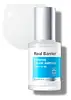
This barrier-repair ampoule is formulated around Panthenol and Ceramide NP to strengthen the skin barrier and hydrate skin.
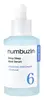
This hydrating serum is formulated around Niacinamide and Sodium Hyaluronate to hydrate skin and strengthen the skin barrier.

What's inside
What's inside
 Key Ingredients
Benefits
Concerns
Ingredients Side-by-side
Water
Skin ConditioningButylene Glycol
Humectant

Glycerin
Humectant
Dipropylene Glycol
HumectantPolyglyceryl-10 Stearate
Skin Conditioning

Caprylic/Capric Triglyceride
Masking
Panthenol
Skin Conditioning

Hydrogenated Lecithin
Emulsifying
Limnanthes Alba Seed Oil
Skin Conditioning
Vinyldimethicone

Squalane
Emollient
Simmondsia Chinensis Seed Oil
Emollient
Potassium Cetyl Phosphate
EmulsifyingMyristoyl/Palmitoyl Oxostearamide/Arachamide Mea
Skin ConditioningCeramide NP
Skin Conditioning
Bis-Capryloyloxypalmitamido Isopropanol
EmollientAdenosine
Skin Conditioning
Dipotassium Glycyrrhizate
Humectant
Madecassoside
Antioxidant

Allantoin
Skin Conditioning
Hydrolyzed Hyaluronic Acid
Humectant
Glyceryl Stearate
Emollient
Phytosteryl/Isostearyl/Cetyl/Stearyl/Behenyl Dimer Dilinoleate
Skin Conditioning
Sorbitan Stearate
Emulsifying
Cetearyl Alcohol
Emollient



Phytosterols
Skin Conditioning
Xanthan Gum
EmulsifyingPentylene Glycol
Skin Conditioning
Sodium Hyaluronate
Humectant
Hydroxypropyl Methylcellulose
Emulsion StabilisingSorbitan Laurate
Emulsifying
Hydroxyethylcellulose
Emulsion StabilisingAcetyl Dipeptide-1 Cetyl Ester
Skin Conditioning
Bisabolol
Antioxidant
Glyceryl Glucoside
Humectant
Glucose
Humectant
Xylitylglucoside
Humectant
Anhydroxylitol
Humectant
Xylitol
Humectant
Glycosphingolipids
EmollientPhospholipids
Skin Conditioning
Mentha Viridis Leaf Oil
Astringent

Mentha Viridis Extract
MaskingCitrus Nobilis Peel Oil
Masking
Pelargonium Graveolens Flower Oil
Masking

Thymus Vulgaris Oil
Masking
Eucalyptus Globulus Leaf Oil
Perfuming
Barosma Betulina Leaf Extract
Perfuming
1,2-Hexanediol
Skin Conditioning
Caprylyl Glycol
Emollient
Carbomer
Emulsion StabilisingDisodium EDTA
ChelatingArginine
Masking
Glyceryl Behenate
Emollient
Polyglyceryl-6 Octastearate
EmulsifyingStearic Acid
Cleansing
Water, Butylene Glycol, Glycerin, Dipropylene Glycol, Polyglyceryl-10 Stearate, Caprylic/Capric Triglyceride, Panthenol, Hydrogenated Lecithin, Limnanthes Alba Seed Oil, Vinyldimethicone, Squalane, Simmondsia Chinensis Seed Oil, Potassium Cetyl Phosphate, Myristoyl/Palmitoyl Oxostearamide/Arachamide Mea, Ceramide NP, Bis-Capryloyloxypalmitamido Isopropanol, Adenosine, Dipotassium Glycyrrhizate, Madecassoside, Allantoin, Hydrolyzed Hyaluronic Acid, Glyceryl Stearate, Phytosteryl/Isostearyl/Cetyl/Stearyl/Behenyl Dimer Dilinoleate, Sorbitan Stearate, Cetearyl Alcohol, Phytosterols, Xanthan Gum, Pentylene Glycol, Sodium Hyaluronate, Hydroxypropyl Methylcellulose, Sorbitan Laurate, Hydroxyethylcellulose, Acetyl Dipeptide-1 Cetyl Ester, Bisabolol, Glyceryl Glucoside, Glucose, Xylitylglucoside, Anhydroxylitol, Xylitol, Glycosphingolipids, Phospholipids, Mentha Viridis Leaf Oil, Mentha Viridis Extract, Citrus Nobilis Peel Oil, Pelargonium Graveolens Flower Oil, Thymus Vulgaris Oil, Eucalyptus Globulus Leaf Oil, Barosma Betulina Leaf Extract, 1,2-Hexanediol, Caprylyl Glycol, Carbomer, Disodium EDTA, Arginine, Glyceryl Behenate, Polyglyceryl-6 Octastearate, Stearic Acid
Water 63%
Skin ConditioningButylene Glycol
Humectant
Propanediol
Solvent
Glycerin
Humectant
Niacinamide
Smoothing





1,2-Hexanediol
Skin Conditioning
Chlorella Vulgaris Extract
Skin ConditioningXylitylglucoside
Humectant
Sodium Hyaluronate
Humectant
Hydrolyzed Hyaluronic Acid
Humectant
Xylitol
Humectant
Melia Azadirachta Leaf Extract
Skin ConditioningMelia Azadirachta Flower Extract
Skin ConditioningCoccinia Indica Fruit Extract
Skin Conditioning
Aloe Barbadensis Flower Extract
EmollientSolanum Melongena Fruit Extract
Skin ConditioningOcimum Sanctum Leaf Extract
Skin ConditioningCorallina Officinalis Extract
Skin Conditioning
Curcuma Longa Root Extract
Antioxidant
Hyaluronic Acid
Humectant
Glycereth-26
Humectant
Panthenol
Skin Conditioning
Pentylene Glycol
Skin Conditioning
Glucose
Humectant
Sodium PCA
Humectant
Anhydroxylitol
Humectant
Fructooligosaccharides
Humectant
Fructose
Humectant
Polyglyceryl-10 Laurate
Skin Conditioning
Sodium Citrate
BufferingDipotassium Glycyrrhizate
Humectant
Sodium Hyaluronate Crosspolymer
Humectant
Ethylhexylglycerin
Skin ConditioningAdenosine
Skin Conditioning
Hydrolyzed Glycosaminoglycans
HumectantCitric Acid
Buffering
Benzyl Glycol
SolventTocopherol
Antioxidant
Xanthan Gum
EmulsifyingWater 63%, Butylene Glycol, Propanediol, Glycerin, Niacinamide, 1,2-Hexanediol, Chlorella Vulgaris Extract, Xylitylglucoside, Sodium Hyaluronate, Hydrolyzed Hyaluronic Acid, Xylitol, Melia Azadirachta Leaf Extract, Melia Azadirachta Flower Extract, Coccinia Indica Fruit Extract, Aloe Barbadensis Flower Extract, Solanum Melongena Fruit Extract, Ocimum Sanctum Leaf Extract, Corallina Officinalis Extract, Curcuma Longa Root Extract, Hyaluronic Acid, Glycereth-26, Panthenol, Pentylene Glycol, Glucose, Sodium PCA, Anhydroxylitol, Fructooligosaccharides, Fructose, Polyglyceryl-10 Laurate, Sodium Citrate, Dipotassium Glycyrrhizate, Sodium Hyaluronate Crosspolymer, Ethylhexylglycerin, Adenosine, Hydrolyzed Glycosaminoglycans, Citric Acid, Benzyl Glycol, Tocopherol, Xanthan Gum
Reviews
Ingredients Explained
These ingredients are found in both products.
Ingredients higher up in an ingredient list are typically present in a larger amount.
1,2-Hexanediol is a synthetic liquid and another multi-functional powerhouse.
It is a:
- Humectant, drawing moisture into the skin
- Emollient, helping to soften skin
- Solvent, dispersing and stabilizing formulas
- Preservative booster, enhancing the antimicrobial activity of other preservatives
Adenosine is a purine nucleoside that your body already makes in every cell. In skincare, it acts mainly as a skin conditioning and anti-aging agent.
The way it works is fairly well mapped out:
Your skin has cells called fibroblasts that build collagen (the stuff that keeps skin firm and smooth). Adenosine basically flips a switch on these cells that tells them to get to work making more collagen and other proteins. These cells slow down on their own as skin ages, so Adenosine helps give them a little nudge to keep going.
The clinical backing is pretty solid too.
A blind, randomized, placebo-controlled trial of 126 women aged 45-65 tested a 0.1% cream twice daily and found real improvements in crow's feet and frown lines using a precise 3D skin-mapping technique; these changes showed up by week 3 and held at 2 months.
A later study using Adenosine-loaded dissolving microneedle patches reported gains in wrinkle depth, dermal density, elasticity, and hydration.
On concentrations, South Korea's Ministry of Food and Drug Safety has set 0.04% as the approved functional anti-wrinkle level. You'll typically see this ingredient used somewhere in the 0.04-0.1% range since it works at low doses.
This ingredient has been found safe for cosmetics with the data showing no irritation or sensitization.
Overall, this is a great ingredient for any anti-aging routine and has no photosensitizing effect, so it suits both AM and PM use.
Learn more about AdenosineThis ingredient is created from dehydrating xylitol in acidic conditions. Xylitol is a famous sugar and humectant.
Much like its predecessor, anhydroxylitol is a humectant. Humectants attract and hold water to moisturize the skin.
This ingredient is most commonly found in a popular trio called Aquaxyl. Aquaxyl is made up of anhydroxylitol (24 - 34%), xylitylglucoside (35 - 50%), and xylitol (5 - 15%).
According to a manufacturer, Aquaxyl is known for a 3-D hydration concept and an anti-dehydration shield to reinforce the outer layer of skin.
This ingredient is often derived from plants such as wood and sugarcane.
Learn more about AnhydroxylitolButylene Glycol (or BG) is used within cosmetic products for a few different reasons:
Overall, Butylene Glycol is a safe and well-rounded ingredient that works well with other ingredients.
Though this ingredient works well with most skin types, some people with sensitive skin may experience a reaction such as allergic rashes, closed comedones, or itchiness.
Learn more about Butylene GlycolDipotassium Glycyrrhizate comes from licorice root.
Extracts of licorice have demonstrated to have antibacterial, anti‐inflammatory, antiviral, antioxidant properties.
One component, glabridin, has extra potent antioxidant and soothing properties. It has also been found to block pigmentation from UVB rays in guinea pigs.
Licorice Root also contains a flavonoid. Flavonoids are a natural substance from in plants. Flavonoids also have antioxidant properties.
Another component, glycyrrhizin, has been found to have anti-inflammatory and antimicrobial benefits. This may make licorice root extract effective at treating acne. However, more research is needed to support this.
Liquiritin is one of the flavone compounds found in licorice. It has been found to help lighten skin by preventing tyrosinase from reacting with tyrosine. When the two react, protein is converted to melanin. Melanin is the substance in your body that gives your features pigmentation.
Licorice root is native to Southern Europe and Asia. It has been used in traditional Chinese medicine to help with respiratory issues.
Learn more about Dipotassium GlycyrrhizateGlucose is a simple sugar (a monosaccharide). In skincare, it is mostly a humectant and skin conditioning agent.
Mechanistically, it has multiple hydroxyl groups that hydrogen-bond to water. This pulls moisture into the upper layers of skin to keep the surface soft and hydrated.
It's worth knowing sugars are already a natural component of the skin's NMF (natural moisturizing factor) so it's a molecule that your stratum corneum is well-acquainted with.
Just so you know, glucose is hydrophilic (water-loving) and the stratum corneum is a strong barrier to hydrophilic compounds. This just means penetration is slow and most of the action is happening on the surface.
Gram-to-gram, glucose is not as efficient as a humectant as glycerin. This is why you'll likely see glycose paired with stronger humectants for a bigger hydration payoff.
In skincare, glucose is typically derived from corn or other starch sources.
Learn more about GlucoseGlycerin (or glycerol) is a compound naturally found in your skin. It's a powerhouse humectant that pulls water into the stratum corneum.
Topically, glycerin does several things at once:
Your skin makes glycerin on its own (mostly from sebaceous oil breakdown) and shuttles it to your outermost layer of skin, or your epidermis, via aquaporin-3.
Aquaporin-3 is a transporter that is essential for normal skin hydration, elasticity, and repair. Interestingly, mice lacking in AQP3 have dry and less elastic skin that can be fully corrected with glycerin.
This ingredient is non-irritating, plays well with almost every ingredient, and works across all skin types. Typical use is anywhere between 3-10% but can go up to 79% in some leave-on products.
Just know very high concentrations (>40%) can feel tacky in low humidity.
Glycerin is the name for this ingredient in American English. British English uses Glycerol/Glycerine.
Learn more about GlycerinHydrolyzed Hyaluronic Acid is hyaluronic acid (HA) that is broken down into lower molecular weight fragments.
It's a humectant that pulls and holds water in the skin to help with hydration, plumpness, and reduce transepidermal water loss.
Because hydrolyzed hyaluronic acid is smaller in size, it can slip past your outermost layer of skin more easily than full-sized HA.
Most formulations will combine all sizes to get the best of both worlds.
Typical usage levels range from 0.01-1%. Any percentage higher than 2% might become goopy and tacky.
Learn more about Hydrolyzed Hyaluronic AcidPanthenol is a common ingredient that helps hydrate and soothe the skin. It is found naturally in our skin and hair.
There are two forms of panthenol: D and L.
D-panthenol is also known as dexpanthenol. Most cosmetics use dexpanthenol or a mixture of D and L-panthenol.
Panthenol is famous due to its ability to go deeper into the skin's layers. Using this ingredient has numerous pros (and no cons):
Like hyaluronic acid, panthenol is a humectant. Humectants are able to bind and hold large amounts of water to keep skin hydrated.
This ingredient works well for wound healing. It works by increasing tissue in the wound and helps close open wounds.
Once oxidized, panthenol converts to pantothenic acid. Panthothenic acid is found in all living cells.
This ingredient is also referred to as pro-vitamin B5.
Learn more about PanthenolPentylene Glycol (1,2-pentanediol) is a multitasking little diol with three main roles in a formula:
Research on alkanediols (the family pentylene glycol belongs to) show they work by disrupting microbial cell membranes. This disruption helps the primary preservative system in a product work more effectively at lower doses.
On the safety side, the Cosmetic Ingredient Review Expert Panel has concluded this ingredient to be safe as used in current cosmetic practices + concentrations.
Typical use levels in a formula run about 1-5%.
Learn more about Pentylene GlycolSodium Hyaluronate is the salt form of hyaluronic acid. It is a long sugar chain that is naturally found in your skin, joints, and connective tissue that maintains hydration and elasticity.
In skincare, it works as a humectant. It pulls water from the environment and deeper layers of skin and binds it to the surface.
Interestingly, the size of the molecule affects its behavior:
Some clinical evidence links low molecular weight versions to improved wrinkle depth, elasticity, anti-inflammatory effects, and barrier repair.
Many serums use a blend of both weights so you can get surface hydration plus longer-lasting and deeper effects.
You'll typically see concentrations between 0.1-2% for this ingredient.
Learn more about Sodium HyaluronateWater. It's the most common cosmetic ingredient of all. You'll usually see it at the top of ingredient lists, meaning that it makes up the largest part of the product.
So why is it so popular? Water most often acts as a solvent - this means that it helps dissolve other ingredients into the formulation.
You'll also recognize water as that liquid we all need to stay alive. If you see this, drink a glass of water. Remember to stay hydrated!
Learn more about WaterXanthan gum is used as a stabilizer and thickener within cosmetic products. It helps give products a sticky, thick feeling - preventing them from being too runny.
On the technical side of things, xanthan gum is a polysaccharide - a combination consisting of multiple sugar molecules bonded together.
Xanthan gum is a pretty common and great ingredient. It is a natural, non-toxic, non-irritating ingredient that is also commonly used in food products.
Learn more about Xanthan GumXylitol is a humectant and prebiotic. It can help with dry skin.
In studies, xylitol has been shown to improve dry skin. It decreased transepidermal water loss, or when water passes through the skin and evaporates. Xylitol also showed to help improve the biomechanical properties of the skin barrier.
The prebiotic property of xylitol may also help reinforce our skin's natural microbiome. Having a healthy microbiome prevents infection by bad bacteria and helps with hydration.
As a humectant, Xylitol helps draw moisture from both the air and from deeper skin layers. This helps keep skin hydrated.
Xylitol is a sugar alcohol and commonly used as a sugar substitute. It is naturally occurring in plants such as strawberries and pumpkin.
Learn more about XylitolXylitylglucoside is created from xylitol and glucose, two humectants.
Not surprisingly, this ingredient is also a humectant. It attracts and holds water in your skin, helping to maintain hydration.
This ingredient is most commonly found in a popular trio called Aquaxyl. Aquaxyl is made up of anhydroxylitol(24 - 34%), xylitylglucoside (35 - 50%), and xylitol (5 - 15%).
According to a manufacturer, Aquaxyl is known for a 3-D hydration concept and an anti-dehydration shield to reinforce the outer layer of skin.
Learn more about Xylitylglucoside

