
What's inside
What's inside
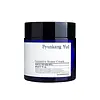 Key Ingredients
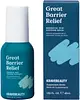
Benefits
Concerns
Ingredients Side-by-side
Water
Skin ConditioningGlycerin
Humectant



Methylpropanediol
SolventCaprylic/Capric Triglyceride
Masking
Cetearyl Alcohol
Emollient



Macadamia Ternifolia Seed Oil
Emollient
Hydrogenated Polydecene
EmollientButyrospermum Parkii Butter
Skin Conditioning
Glyceryl Stearate
Emollient
Arachidyl Alcohol
EmollientBehenyl Alcohol
Emollient
Arachidyl Glucoside
EmulsifyingPhenyl Trimethicone
Skin Conditioning
Cetearyl Glucoside
EmulsifyingBeeswax
Emulsion Stabilising
Sorbitan Stearate
Emulsifying
Cellulose Gum
Emulsion StabilisingCeramide NP
Skin Conditioning


Paeonia Lactiflora Bark/Sap Extract
Skin ConditioningParfum
Masking


Cornus Officinalis Fruit Extract
Skin ConditioningCurcuma Longa Root Extract
Masking
Yeast Beta-Glucan
Skin ConditioningCopper Tripeptide-1
Skin Conditioning

Butylene Glycol
Humectant
Aloe Barbadensis Leaf Powder
Skin Conditioning
Hydrogenated Lecithin
Emulsifying
Octyldodecanol
Emollient
Carbomer
Emulsion StabilisingHydroxyacetophenone
Antioxidant
Myrtus Communis Extract
AstringentTropaeolum Majus Extract
AntimicrobialTromethamine
BufferingDisodium EDTA
Ethylhexylglycerin
Skin ConditioningWater, Glycerin, Methylpropanediol, Caprylic/Capric Triglyceride, Cetearyl Alcohol, Macadamia Ternifolia Seed Oil, Hydrogenated Polydecene, Butyrospermum Parkii Butter, Glyceryl Stearate, Arachidyl Alcohol, Behenyl Alcohol, Arachidyl Glucoside, Phenyl Trimethicone, Cetearyl Glucoside, Beeswax, Sorbitan Stearate, Cellulose Gum, Ceramide NP, Paeonia Lactiflora Bark/Sap Extract, Parfum, Cornus Officinalis Fruit Extract, Curcuma Longa Root Extract, Yeast Beta-Glucan, Copper Tripeptide-1, Butylene Glycol, Aloe Barbadensis Leaf Powder, Hydrogenated Lecithin, Octyldodecanol, Carbomer, Hydroxyacetophenone, Myrtus Communis Extract, Tropaeolum Majus Extract, Tromethamine, Disodium EDTA, Ethylhexylglycerin
Water
Skin ConditioningPropanediol
Solvent
Calophyllum Inophyllum Seed Oil 10%
Antimicrobial
Dipropylene Glycol
HumectantNiacinamide
Smoothing




Carthamus Tinctorius Seed Oil
Masking
Cetearyl Olivate
Polysorbate 60
Emulsifying
Rosa Canina Fruit Oil
Emollient
Glyceryl Oleate
Emollient
Sorbitan Olivate
Emulsifying
Sorbitan Oleate
Emulsifying
Octyldodecanol
Emollient
Glycerin
Humectant
Butylene Glycol
Humectant
Sodium Hyaluronate
Humectant
Squalane
Emollient
Serine
Masking
Acetyl Glutamine
Skin ConditioningGlycine
Buffering
Ceramide NP
Skin Conditioning
Oleic Acid
Emollient
Sodium PCA
Humectant
Glycosyl Trehalose
Emulsion StabilisingCaprylic/Capric Triglyceride
Masking
Glycine Soja Sterols
Emollient
Saccharide Isomerate
Humectant
Avena Sativa Kernel Flour
Abrasive
Disodium Phosphate
BufferingSodium Phosphate
BufferingTocopheryl Acetate
Antioxidant
Coco-Caprylate/Caprate
Emollient
Lactic Acid
Buffering
Xanthan Gum
EmulsifyingUrea
Buffering
Hydroxyethyl Acrylate/Sodium Acryloyldimethyl Taurate Copolymer
Emulsion StabilisingHydrogenated Olive Oil Unsaponifiables
Emollient
Magnesium Chloride
1,2-Hexanediol
Skin Conditioning
Hydroxyacetophenone
Antioxidant
Glyceryl Caprylate
EmollientPentylene Glycol
Skin ConditioningCaprylyl Glycol
Emollient
Disodium EDTA
Water, Propanediol, Calophyllum Inophyllum Seed Oil 10%, Dipropylene Glycol, Niacinamide, Carthamus Tinctorius Seed Oil, Cetearyl Olivate, Polysorbate 60, Rosa Canina Fruit Oil, Glyceryl Oleate, Sorbitan Olivate, Sorbitan Oleate, Octyldodecanol, Glycerin, Butylene Glycol, Sodium Hyaluronate, Squalane, Serine, Acetyl Glutamine, Glycine, Ceramide NP, Oleic Acid, Sodium PCA, Glycosyl Trehalose, Caprylic/Capric Triglyceride, Glycine Soja Sterols, Saccharide Isomerate, Avena Sativa Kernel Flour, Disodium Phosphate, Sodium Phosphate, Tocopheryl Acetate, Coco-Caprylate/Caprate, Lactic Acid, Xanthan Gum, Urea, Hydroxyethyl Acrylate/Sodium Acryloyldimethyl Taurate Copolymer, Hydrogenated Olive Oil Unsaponifiables, Magnesium Chloride, 1,2-Hexanediol, Hydroxyacetophenone, Glyceryl Caprylate, Pentylene Glycol, Caprylyl Glycol, Disodium EDTA
Reviews
Ingredients Explained
These ingredients are found in both products.
Ingredients higher up in an ingredient list are typically present in a larger amount.
Butylene Glycol (or BG) is used within cosmetic products for a few different reasons:
Overall, Butylene Glycol is a safe and well-rounded ingredient that works well with other ingredients.
Though this ingredient works well with most skin types, some people with sensitive skin may experience a reaction such as allergic rashes, closed comedones, or itchiness.
Learn more about Butylene GlycolThis ingredient is an emollient, solvent, and texture enhancer. It is considered a skin-softener by helping the skin prevent moisture loss.
It helps thicken a product's formula and makes it easier to spread by dissolving clumping compounds.
Caprylic Triglyceride is made by combining glycerin with coconut oil, forming a clear liquid.
While there is an assumption Caprylic Triglyceride can clog pores due to it being derived from coconut oil, there is no research supporting this.
Learn more about Caprylic/Capric TriglycerideCeramide NP is a type of ceramide and formally known as ceramide 3.
Ceramides are intercellular lipids naturally found in our skin that bonds dead skin cells together to create a barrier. They are known for their ability to hold water and thus are a great ingredient for dry skin.
Ceramides are an important building block for our skin barrier. A stronger barrier helps the skin look more firm and hydrated. By bolstering the skin ceramides act as a barrier against irritating ingredients. This can help with inflammation as well.
If you would like to eat ceramides, sweet potatoes contain a small amount.
Read more about other common types of ceramides here:
Ceramide AP
Ceramide EOP
Disodium EDTA plays a role in making products more stable by aiding other preservatives.
It is a chelating agent, meaning it neutralizes metal ions that may be found in a product.
Disodium EDTA is a salt of edetic acid and is found to be safe in cosmetic ingredients.
Learn more about Disodium EDTAGlycerin is already naturally found in your skin. It helps moisturize and protect your skin.
A study from 2016 found glycerin to be more effective as a humectant than AHAs and hyaluronic acid.
As a humectant, it helps the skin stay hydrated by pulling moisture to your skin. The low molecular weight of glycerin allows it to pull moisture into the deeper layers of your skin.
Hydrated skin improves your skin barrier; Your skin barrier helps protect against irritants and bacteria.
Glycerin has also been found to have antimicrobial and antiviral properties. Due to these properties, glycerin is often used in wound and burn treatments.
In cosmetics, glycerin is usually derived from plants such as soybean or palm. However, it can also be sourced from animals, such as tallow or animal fat.
This ingredient is organic, colorless, odorless, and non-toxic.
Glycerin is the name for this ingredient in American English. British English uses Glycerol/Glycerine.
Learn more about GlycerinHydroxyacetophenone is antioxidant with skin conditioning and soothing properties. It also boosts the efficiency of preservatives.
This ingredient is not irritating or sensitizing.
Octyldodecanol is a fatty alcohol. It is primarily used to enhance the texture of products.
As an emulsifier, Octyldodecanol helps prevent the oils and waters from separating. It also prevents ingredients from creating foam when shaken.
Octyldodecanol is created by reducing fatty acid to an alcohol.
Due to its high molecular weight, it does not get absorbed into the skin.
Learn more about OctyldodecanolWater. It's the most common cosmetic ingredient of all. You'll usually see it at the top of ingredient lists, meaning that it makes up the largest part of the product.
So why is it so popular? Water most often acts as a solvent - this means that it helps dissolve other ingredients into the formulation.
You'll also recognize water as that liquid we all need to stay alive. If you see this, drink a glass of water. Stay hydrated!
Learn more about Water
