This oil-based makeup remover is made to dissolve makeup, sunscreen, and daily buildup.
This oil-based makeup remover is made to dissolve makeup, sunscreen, and daily buildup.


What's inside
What's inside
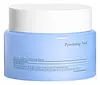 Key Ingredients
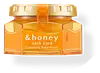
Benefits
Concerns
Ingredients Side-by-side
Cetyl Ethylhexanoate
EmollientCaprylic/Capric Triglyceride
Masking


Polyethylene
Abrasive

Sorbitan Sesquioleate
Emulsifying

Helianthus Annuus Seed Oil
Emollient
Macadamia Ternifolia Seed Oil
Emollient
Camellia Sinensis Seed Oil
Humectant
Water
Skin ConditioningCentella Asiatica Extract
Cleansing



Glycyrrhiza Glabra Root Extract
Bleaching

Solanum Melongena Fruit Extract
Skin ConditioningMelaleuca Alternifolia Leaf Extract
Perfuming
Houttuynia Cordata Extract
Skin Conditioning
Panthenol
Skin Conditioning
Ceramide NP
Skin Conditioning
1,2-Hexanediol
Skin Conditioning
Glyceryl Stearate
Emollient
Butylene Glycol
Humectant
Sodium Hyaluronate
Humectant
Pantolactone
Humectant
Hydrolyzed Hyaluronic Acid
Humectant
Hydrolyzed Sodium Hyaluronate
Skin Conditioning
Hyaluronic Acid
Humectant
Hydroxypropyltrimonium Hyaluronate
Potassium Hyaluronate
Skin ConditioningPentylene Glycol
Skin Conditioning
Sodium Hyaluronate Crosspolymer
Humectant
Sodium Acetylated Hyaluronate
Humectant
Oryza Sativa Bran Oil
Emollient
Glycerin
Humectant
Hydrogenated Lecithin
Emulsifying
Dipropylene Glycol
HumectantPEG-20 Glyceryl Triisostearate
Emollient
PEG-10 Isostearate
Emulsifying
Phenoxyethanol
Preservative
Parfum
Masking

Cetyl Ethylhexanoate, Caprylic/Capric Triglyceride, Polyethylene, Sorbitan Sesquioleate, Helianthus Annuus Seed Oil, Macadamia Ternifolia Seed Oil, Camellia Sinensis Seed Oil, Water, Centella Asiatica Extract, Glycyrrhiza Glabra Root Extract, Solanum Melongena Fruit Extract, Melaleuca Alternifolia Leaf Extract, Houttuynia Cordata Extract, Panthenol, Ceramide NP, 1,2-Hexanediol, Glyceryl Stearate, Butylene Glycol, Sodium Hyaluronate, Pantolactone, Hydrolyzed Hyaluronic Acid, Hydrolyzed Sodium Hyaluronate, Hyaluronic Acid, Hydroxypropyltrimonium Hyaluronate, Potassium Hyaluronate, Pentylene Glycol, Sodium Hyaluronate Crosspolymer, Sodium Acetylated Hyaluronate, Oryza Sativa Bran Oil, Glycerin, Hydrogenated Lecithin, Dipropylene Glycol, PEG-20 Glyceryl Triisostearate, PEG-10 Isostearate, Phenoxyethanol, Parfum
Ethylhexyl Palmitate
Emollient

PEG-20 Glyceryl Triisostearate
Emollient
Hydrogenated Castor Oil/Dimer Dilinoleic Acid Copolymer
PEG-10 Isostearate
Emulsifying
Hydrogenated Poly(C6-14 Olefin)
EmollientSynthetic Wax
Abrasive
Helianthus Annuus Seed Wax
Skin Conditioning
Honey
Humectant
Ruby Extract
Skin ConditioningPropolis Extract
Skin Conditioning

Argania Spinosa Kernel Oil
Emollient
Hydrolyzed Hyaluronic Acid
Humectant
Tocopherol
Antioxidant

Panthenol
Skin Conditioning
Retinyl Palmitate
Skin Conditioning
Ascorbyl Tetraisopalmitate
Antioxidant
Citrus Aurantium Dulcis Fruit Extract
MaskingCitrus Nobilis Peel Oil
Masking
Pyrus Malus Fruit Extract
Skin Conditioning
Citrus Limon Juice
Skin Conditioning
Citrus Grandis Fruit Extract
Astringent
Citrus Aurantifolia Fruit Extract
Skin ConditioningCrataegus Monogyna Fruit Extract
Skin ConditioningHippophae Rhamnoides Fruit Oil
Skin Protecting
Tocopheryl Acetate
Antioxidant
Zea Mays Oil
Emulsifying
Microcrystalline Cellulose
AbsorbentPhytosteryl/Isostearyl/Cetyl/Stearyl/Behenyl Dimer Dilinoleate
Skin Conditioning
Water
Skin ConditioningButylene Glycol
Humectant
Propylene Glycol
Humectant
Sorbitol
Humectant
Phenoxyethanol
Preservative
Parfum
Masking
Ethylhexyl Palmitate, PEG-20 Glyceryl Triisostearate, Hydrogenated Castor Oil/Dimer Dilinoleic Acid Copolymer, PEG-10 Isostearate, Hydrogenated Poly(C6-14 Olefin), Synthetic Wax, Helianthus Annuus Seed Wax, Honey, Ruby Extract, Propolis Extract, Argania Spinosa Kernel Oil, Hydrolyzed Hyaluronic Acid, Tocopherol, Panthenol, Retinyl Palmitate, Ascorbyl Tetraisopalmitate, Citrus Aurantium Dulcis Fruit Extract, Citrus Nobilis Peel Oil, Pyrus Malus Fruit Extract, Citrus Limon Juice, Citrus Grandis Fruit Extract, Citrus Aurantifolia Fruit Extract, Crataegus Monogyna Fruit Extract, Hippophae Rhamnoides Fruit Oil, Tocopheryl Acetate, Zea Mays Oil, Microcrystalline Cellulose, Phytosteryl/Isostearyl/Cetyl/Stearyl/Behenyl Dimer Dilinoleate, Water, Butylene Glycol, Propylene Glycol, Sorbitol, Phenoxyethanol, Parfum
Reviews
Ingredients Explained
These ingredients are found in both products.
Ingredients higher up in an ingredient list are typically present in a larger amount.
Butylene Glycol (or BG) is used within cosmetic products for a few different reasons:
Overall, Butylene Glycol is a safe and well-rounded ingredient that works well with other ingredients.
Though this ingredient works well with most skin types, some people with sensitive skin may experience a reaction such as allergic rashes, closed comedones, or itchiness.
Learn more about Butylene GlycolHydrolyzed Hyaluronic Acid is hyaluronic acid (HA) that is broken down into lower molecular weight fragments.
It's a humectant that pulls and holds water in the skin to help with hydration, plumpness, and reduce transepidermal water loss.
Because hydrolyzed hyaluronic acid is smaller in size, it can slip past your outermost layer of skin more easily than full-sized HA.
Most formulations will combine all sizes to get the best of both worlds.
Typical usage levels range from 0.01-1%. Any percentage higher than 2% might become goopy and tacky.
Learn more about Hydrolyzed Hyaluronic AcidPanthenol is a common ingredient that helps hydrate and soothe the skin. It is found naturally in our skin and hair.
There are two forms of panthenol: D and L.
D-panthenol is also known as dexpanthenol. Most cosmetics use dexpanthenol or a mixture of D and L-panthenol.
Panthenol is famous due to its ability to go deeper into the skin's layers. Using this ingredient has numerous pros (and no cons):
Like hyaluronic acid, panthenol is a humectant. Humectants are able to bind and hold large amounts of water to keep skin hydrated.
This ingredient works well for wound healing. It works by increasing tissue in the wound and helps close open wounds.
Once oxidized, panthenol converts to pantothenic acid. Panthothenic acid is found in all living cells.
This ingredient is also referred to as pro-vitamin B5.
Learn more about PanthenolParfum is a catch-all term for an ingredient or more that is used to give a scent to products.
Also called "fragrance", this ingredient can be a blend of hundreds of chemicals or plant oils. This means every product with "fragrance" or "parfum" in the ingredients list is a different mixture.
For instance, Habanolide is a proprietary trade name for a specific aroma chemical. When used as a fragrance ingredient in cosmetics, most aroma chemicals fall under the broad labeling category of “FRAGRANCE” or “PARFUM” according to EU and US regulations.
The term 'parfum' or 'fragrance' is not regulated in many countries. In many cases, it is up to the brand to define this term.
For instance, many brands choose to label themselves as "fragrance-free" because they are not using synthetic fragrances. However, their products may still contain ingredients such as essential oils that are considered a fragrance by INCI standards.
One example is Calendula flower extract. Calendula is an essential oil that still imparts a scent or 'fragrance'.
Depending on the blend, the ingredients in the mixture can cause allergies and sensitivities on the skin. Some ingredients that are known EU allergens include linalool and citronellol.
Parfum can also be used to mask or cover an unpleasant scent.
The bottom line is: not all fragrances/parfum/ingredients are created equally. If you are worried about fragrances, we recommend taking a closer look at an ingredient. And of course, we always recommend speaking with a professional.
Learn more about ParfumPEG-10 Isostearate isn't fungal acne safe.
PEG-20 Glyceryl Triisostearate is a synthetic, oil-loving helper ingredient that does two jobs:
This ingredient is made by joining three building blocks: PEG, Isostearic Acid and glycerin. The PEG gives it the oil-and-water blending power.
This ingredient has been found safe for use in cosmetics and broader PEG family testing shows minimal irritation/sensitization. The molecule's large size also means it isn't expected to penetrate skin to any meaningful degree.
Fungal acne note: This ingredient may not be fungal acne safe due to isostearic acid (C18). Isostearic acid falls into the C11-24 range that Malassezia can feed on.
Learn more about PEG-20 Glyceryl TriisostearatePhenoxyethanol is one of the most widely used preservatives in skincare (and for good reason!).
It has a large spectrum of antimicrobial activity and especially effective bacteria, yeast, and mold while only having a weak effect on your skin's natural microbiome.
On a cellular level, it disrupts the cell membranes of microbes by poking holes that make the cell leak. This shuts down the chemical reactions the microbe needs to make energy so it can no longer survive.
Another perk of this ingredient is that it stays functional across a wide pH range (3-10).
You'll often see it paired with boosters like Ethylhexylglycerin; one study showed that a 1:9 ratio of Ethylhexylglycerin to Phenoxyethanol damages bacterial membranes as effectively as doubling the Phenoxyethanol concentration on its own.
Typical use concentrations range from 0.3-1% depending on the formula, and this ingredient is capped at 1% int the EU.
Safety-wise, the fear mongering does not hold up to the evidence. The EU's Scientific Committee on Consumer Safety and FDA consider it safe as a preservative at up to 1%, including for children of all ages.
Adverse systemic effects only showed up in animal studies at exposures roughly 200x higher than what people get from cosmetics. And despite its very widespread use, this ingredient is a rare sensitizer and allergic reactions are uncommon.
Learn more about PhenoxyethanolWater. It's the most common cosmetic ingredient of all. You'll usually see it at the top of ingredient lists, meaning that it makes up the largest part of the product.
So why is it so popular? Water most often acts as a solvent - this means that it helps dissolve other ingredients into the formulation.
You'll also recognize water as that liquid we all need to stay alive. If you see this, drink a glass of water. Remember to stay hydrated!
Learn more about Water

