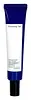
This anti-aging eye moisturizer is formulated around Niacinamide and Adenosine to soften the look of wrinkles and hydrate skin.
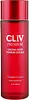
This hydrating essence is formulated around Camellia Sinensis Leaf Extract and Panthenol to hydrate skin and calm redness.

What's inside
What's inside
 Key Ingredients
Benefits
Concerns
Ingredients Side-by-side
Water
Skin ConditioningGlycerin
Humectant


Dipropylene Glycol
HumectantTriethylhexanoin
MaskingBis-Diglyceryl Polyacyladipate-2
Emollient

Cetearyl Alcohol
Emollient




Polyglyceryl-3 Distearate
Emulsifying
Butyrospermum Parkii Butter
Skin Conditioning
Niacinamide
Smoothing









Cyclopentasiloxane
Emollient
Methylpropanediol
SolventGlyceryl Stearate
Emollient
Glyceryl Caprylate
EmollientCarbomer
Emulsion StabilisingSorbitan Sesquioleate
Emulsifying
Glyceryl Stearate Citrate
Emollient
Sodium Methyl Stearoyl Taurate
CleansingPotassium Hydroxide
BufferingCaprylic/Capric Triglyceride
Masking
Cetyl Ethylhexanoate
EmollientEthylhexyl Palmitate
Emollient
Adenosine
Skin Conditioning
Ethylhexylglycerin
Skin ConditioningTocopheryl Acetate
Antioxidant

Disodium EDTA
ChelatingHydrogenated Lecithin
Emulsifying
Panax Ginseng Root Extract
Emollient
Camellia Sinensis Leaf Extract
Antimicrobial
Tremella Fuciformis Extract
Humectant
Butylene Glycol
Humectant
Macadamia Ternifolia Seed Oil
Emollient
Pentylene Glycol
Skin Conditioning
Hydroxyacetophenone
Antioxidant
Caprylyl Glycol
Emollient
1,2-Hexanediol
Skin Conditioning
Cholesterol
Emollient
Brassica Campestris Sterols
EmollientPhytosteryl/Behenyl/Octyldodecyl Lauroyl Glutamate
Skin ConditioningPolyglyceryl-10 Oleate
Skin Conditioning
Potassium Cetyl Phosphate
EmulsifyingCeramide NP
Skin Conditioning
Astragalus Membranaceus Root Extract
Emollient
Ceramide Ns
Skin Conditioning
Ceramide EOP
Skin Conditioning
Water, Glycerin, Dipropylene Glycol, Triethylhexanoin, Bis-Diglyceryl Polyacyladipate-2, Cetearyl Alcohol, Polyglyceryl-3 Distearate, Butyrospermum Parkii Butter, Niacinamide, Cyclopentasiloxane, Methylpropanediol, Glyceryl Stearate, Glyceryl Caprylate, Carbomer, Sorbitan Sesquioleate, Glyceryl Stearate Citrate, Sodium Methyl Stearoyl Taurate, Potassium Hydroxide, Caprylic/Capric Triglyceride, Cetyl Ethylhexanoate, Ethylhexyl Palmitate, Adenosine, Ethylhexylglycerin, Tocopheryl Acetate, Disodium EDTA, Hydrogenated Lecithin, Panax Ginseng Root Extract, Camellia Sinensis Leaf Extract, Tremella Fuciformis Extract, Butylene Glycol, Macadamia Ternifolia Seed Oil, Pentylene Glycol, Hydroxyacetophenone, Caprylyl Glycol, 1,2-Hexanediol, Cholesterol, Brassica Campestris Sterols, Phytosteryl/Behenyl/Octyldodecyl Lauroyl Glutamate, Polyglyceryl-10 Oleate, Potassium Cetyl Phosphate, Ceramide NP, Astragalus Membranaceus Root Extract, Ceramide Ns, Ceramide EOP
Camellia Sinensis Leaf Extract
Antimicrobial
Lactobacillus/Rice Ferment
Skin Conditioning
Taraxacum Platycarpum Extract
Skin ConditioningButylene Glycol
Humectant
Glycerin
Humectant
PEG-60 Hydrogenated Castor Oil
Emulsifying
Betaine
Humectant
Panthenol
Skin Conditioning
Adenosine
Skin Conditioning
Hydrolyzed Collagen
Emollient
Hydrolyzed Pea Protein
EmollientPrunus Salicina Fruit Extract
Antioxidant
Panax Ginseng Root Extract
Emollient
Pleurotus Ferulae/Panax Ginseng Berry Extract Ferment Filtrate
Skin ConditioningPanax Ginseng Callus Culture Extract
Skin ConditioningPhenoxyethanol
Preservative
Xanthan Gum
EmulsifyingOphiopogon Japonicus Root Extract
Skin ConditioningGlycyrrhiza Glabra Root Extract
Bleaching
Rehmannia Chinensis Root Extract
Skin ConditioningAstragalus Membranaceus Root Extract
Emollient
Angelica Gigas Root Extract
Skin ConditioningCnidium Officinale Root Extract
Skin ConditioningCentella Asiatica Extract
Cleansing
Houttuynia Cordata Extract
Skin Conditioning
Coffea Arabica Seed Extract
Masking
Diospyros Kaki Leaf Extract
Skin Protecting
Theobroma Cacao Extract
Skin ConditioningWine Extract
Antioxidant
Ethylhexylglycerin
Skin ConditioningLecithin
Emollient
Sodium Hyaluronate
Humectant
Caprylhydroxamic Acid
ChelatingBoswellia Serrata Resin Extract
Smoothing1,2-Hexanediol
Skin Conditioning
Caprylyl Glycol
Emollient
Citrus Limon Peel Oil
Masking




Citrus Aurantium Dulcis Peel Oil
Masking
Camellia Sinensis Leaf Extract, Lactobacillus/Rice Ferment, Taraxacum Platycarpum Extract, Butylene Glycol, Glycerin, PEG-60 Hydrogenated Castor Oil, Betaine, Panthenol, Adenosine, Hydrolyzed Collagen, Hydrolyzed Pea Protein, Prunus Salicina Fruit Extract, Panax Ginseng Root Extract, Pleurotus Ferulae/Panax Ginseng Berry Extract Ferment Filtrate, Panax Ginseng Callus Culture Extract, Phenoxyethanol, Xanthan Gum, Ophiopogon Japonicus Root Extract, Glycyrrhiza Glabra Root Extract, Rehmannia Chinensis Root Extract, Astragalus Membranaceus Root Extract, Angelica Gigas Root Extract, Cnidium Officinale Root Extract, Centella Asiatica Extract, Houttuynia Cordata Extract, Coffea Arabica Seed Extract, Diospyros Kaki Leaf Extract, Theobroma Cacao Extract, Wine Extract, Ethylhexylglycerin, Lecithin, Sodium Hyaluronate, Caprylhydroxamic Acid, Boswellia Serrata Resin Extract, 1,2-Hexanediol, Caprylyl Glycol, Citrus Limon Peel Oil, Citrus Aurantium Dulcis Peel Oil
Reviews
Ingredients Explained
These ingredients are found in both products.
Ingredients higher up in an ingredient list are typically present in a larger amount.
1,2-Hexanediol is a synthetic liquid and another multi-functional powerhouse.
It is a:
- Humectant, drawing moisture into the skin
- Emollient, helping to soften skin
- Solvent, dispersing and stabilizing formulas
- Preservative booster, enhancing the antimicrobial activity of other preservatives
Adenosine is a purine nucleoside that your body already makes in every cell. In skincare, it acts mainly as a skin conditioning and anti-aging agent.
The way it works is fairly well mapped out:
Your skin has cells called fibroblasts that build collagen (the stuff that keeps skin firm and smooth). Adenosine basically flips a switch on these cells that tells them to get to work making more collagen and other proteins. These cells slow down on their own as skin ages, so Adenosine helps give them a little nudge to keep going.
The clinical backing is pretty solid too.
A blind, randomized, placebo-controlled trial of 126 women aged 45-65 tested a 0.1% cream twice daily and found real improvements in crow's feet and frown lines using a precise 3D skin-mapping technique; these changes showed up by week 3 and held at 2 months.
A later study using Adenosine-loaded dissolving microneedle patches reported gains in wrinkle depth, dermal density, elasticity, and hydration.
On concentrations, South Korea's Ministry of Food and Drug Safety has set 0.04% as the approved functional anti-wrinkle level. You'll typically see this ingredient used somewhere in the 0.04-0.1% range since it works at low doses.
This ingredient has been found safe for cosmetics with the data showing no irritation or sensitization.
Overall, this is a great ingredient for any anti-aging routine and has no photosensitizing effect, so it suits both AM and PM use.
Learn more about AdenosineAstragalus Membranaceus Root Extract is from an herb called Huang Qi. The roots of this plant have traditionally used in traditional Chinese medicine.
This ingredient contains hydrating, antioxidant, and anti-inflammatory compounds such as polysaccharides, saponins, and flavonoids. These compounds have also been studied for its effects on skin repair like fibroblast activity, growth-factor signaling, and wound closure models. However, human evidence is still limited.
Recent clinical work on a proprietary Astragalus + Centella saponin system showed improvement in skin aging and quality.
Overall, this ingredient is a great supportive ingredient with low irritation risk.
Learn more about Astragalus Membranaceus Root ExtractButylene Glycol (or BG) is used within cosmetic products for a few different reasons:
Overall, Butylene Glycol is a safe and well-rounded ingredient that works well with other ingredients.
Though this ingredient works well with most skin types, some people with sensitive skin may experience a reaction such as allergic rashes, closed comedones, or itchiness.
Learn more about Butylene GlycolCamellia Sinensis Leaf Extract (tea extract) is one of the most well-researched plant extracts in skincare with an impressive resume.
Black tea, green tea, and oolong tea are all harvested from the Camellia Sinensis plant.
Studies show green tea extract and its catechins (like epigallocatechin gallate (EGCG)) help your skin cells product energy more efficiently and reducing the number of free-radicals that can damage your skin from the inside.
In lab-grown skin models, this translated to younger, healthier, and stronger skin.
There's also good sun protection data; researchers saw less DNA damage and redness on human skin when green tea was applied before UVB exposure. And the more they applied, the better the protection.
Needless to say, this ingredient shouldn't replace your sunscreen. But it is a great supportive ingredient that you can already find in many sunscreens and antioxidant serums.
A 2009 study found a 2% green tea lotion was effective for mild-to-moderate acne thanks to its anti-inflammatory and mild antimicrobial activity.
The quality of the extract matters a lot here:
Good extracts contain 50-90% catechins while lower quality ones are mostly there for marketing. We recommend reaching out to the brand if you have questions about the quality or source of their ingredients.
Human Repeated Insult Patch Testing showed no irritation or sensitization at use concentrations (0.86% in leave-on products and up to 30% as leaf water).
Learn more about Camellia Sinensis Leaf ExtractCaprylyl Glycol is a humectant, skin conditioner, emollient, and preservative booster derived from either caprylic acid or synthetically created.
Typical use levels vary from 0.3-1% as a preservative booster and go up to 2% to condition skin.
Because it is not a free-fatty acid, this ingredient is fungal acne safe (there's nothing for Malassezia to feed on).
Learn more about Caprylyl GlycolEthylhexylglycerin is created from glycerin. It is a multitasker ingredient that:
The CIR Expert Panel found minimal skin absorption or sensitization of any kind in a safety assessment. Though this ingredient is considered well-tolerated, a small number of cases of allergic dermatitis have been published since 2002. Just be sure to patch test if you are unsure.
Industry-reported use ranges from 8% in rinse-off products and 2% in leave-on formulations.
Learn more about EthylhexylglycerinGlycerin (or glycerol) is a compound naturally found in your skin. It's a powerhouse humectant that pulls water into the stratum corneum.
Topically, glycerin does several things at once:
Your skin makes glycerin on its own (mostly from sebaceous oil breakdown) and shuttles it to your outermost layer of skin, or your epidermis, via aquaporin-3.
Aquaporin-3 is a transporter that is essential for normal skin hydration, elasticity, and repair. Interestingly, mice lacking in AQP3 have dry and less elastic skin that can be fully corrected with glycerin.
This ingredient is non-irritating, plays well with almost every ingredient, and works across all skin types. Typical use is anywhere between 3-10% but can go up to 79% in some leave-on products.
Just know very high concentrations (>40%) can feel tacky in low humidity.
Glycerin is the name for this ingredient in American English. British English uses Glycerol/Glycerine.
Learn more about GlycerinGinseng root is a well-loved ingredient in Asian skincare for good reason. It hydrates the skin, soothes irritation, and helps even out skin tone.
In traditional East Asian medicine, ginseng has been used for centuries both as food and as a healing remedy, and modern research continues to confirm its skin benefits.
One of the standout features of ginseng is its ability to improve blood circulation and oxygen delivery to the skin, bringing a fresh supply of nutrients to support overall skin health. It also has antioxidant and anti-inflammatory properties. This helps to protect your skin against damage from UV exposure, pollution, and daily stress.
Additionally, studies suggest that ginseng may help reduce hyperpigmentation by inhibiting tyrosinase, the enzyme involved in melanin production.
There are different types of ginseng used in skincare, and while they all share core benefits, their potency can vary.
Most products use fresh or white ginseng because it’s more affordable. However, red ginseng, produced by steaming the root, contains higher levels of ginsenosides, which are compounds with proven anti-aging effects. These ginsenosides help reduce the appearance of wrinkles and improve skin elasticity.
Note: All forms of ginseng are listed simply as “Panax ginseng” in ingredient lists. We recommend reaching out to the brand if you have questions about which type of ginseng is used in their ingredients.
For general antioxidant benefits, any ginseng extract will do, but for wrinkle care or firmer skin, red or fermented ginseng is often more effective.
In short, ginseng is a powerhouse ingredient that supports hydration, radiance, and resilience.
Learn more about Panax Ginseng Root Extract

