

What's inside
What's inside
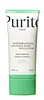 Key Ingredients
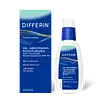
Benefits
Concerns
Ingredients Side-by-side
Water
Skin ConditioningDibutyl Adipate
EmollientPropanediol
Solvent
Dipropylene Glycol
HumectantCentella Asiatica Extract
Cleansing



Ethylhexyl Triazone
UV Absorber
Terephthalylidene Dicamphor Sulfonic Acid
UV Absorber
Isododecane
EmollientNiacinamide
Smoothing






Sorbitan Sesquioleate
Emulsifying

Diethylamino Hydroxybenzoyl Hexyl Benzoate
UV Filter
Tromethamine
BufferingEcklonia Cava Extract
Skin ConditioningHyaluronic Acid
Humectant
Hydrolyzed Hyaluronic Acid
Humectant
Hydrolyzed Sodium Hyaluronate
Skin Conditioning
Sodium Hyaluronate
Humectant
Potassium Hyaluronate
Skin ConditioningHydroxypropyltrimonium Hyaluronate
Sodium Hyaluronate Crosspolymer
Humectant
Sodium Acetylated Hyaluronate
Humectant
Caprylyl Methicone
Skin Conditioning
Glycerin
Humectant
Bis-Ethylhexyloxyphenol Methoxyphenyl Triazine
Skin Conditioning
Benzotriazolyl Dodecyl P-Cresol
UV AbsorberPolysilicone-15
UV Filter
Polymethylsilsesquioxane
Silica
Abrasive


1,2-Hexanediol
Skin Conditioning
Glyceryl Stearate
Emollient
Ammonium Acryloyldimethyltaurate/Vp Copolymer
Cetearyl Alcohol
Emollient

Hydroxyacetophenone
Antioxidant
Potassium Cetyl Phosphate
EmulsifyingPalmitic Acid
Emollient
Stearic Acid
Cleansing
Polyacrylate Crosspolymer-6
Emulsion StabilisingAcrylates/C10-30 Alkyl Acrylate Crosspolymer
Emulsion StabilisingCaprylyl Glycol
Emollient
Dipotassium Glycyrrhizate
Humectant
Allantoin
Skin Conditioning
Panthenol
Skin Conditioning
Adenosine
Skin Conditioning
Ethylhexylglycerin
Skin ConditioningMyristic Acid
Cleansing
Butylene Glycol
Humectant
T-Butyl Alcohol
Perfuming


Water, Dibutyl Adipate, Propanediol, Dipropylene Glycol, Centella Asiatica Extract, Ethylhexyl Triazone, Terephthalylidene Dicamphor Sulfonic Acid, Isododecane, Niacinamide, Sorbitan Sesquioleate, Diethylamino Hydroxybenzoyl Hexyl Benzoate, Tromethamine, Ecklonia Cava Extract, Hyaluronic Acid, Hydrolyzed Hyaluronic Acid, Hydrolyzed Sodium Hyaluronate, Sodium Hyaluronate, Potassium Hyaluronate, Hydroxypropyltrimonium Hyaluronate, Sodium Hyaluronate Crosspolymer, Sodium Acetylated Hyaluronate, Caprylyl Methicone, Glycerin, Bis-Ethylhexyloxyphenol Methoxyphenyl Triazine, Benzotriazolyl Dodecyl P-Cresol, Polysilicone-15, Polymethylsilsesquioxane, Silica, 1,2-Hexanediol, Glyceryl Stearate, Ammonium Acryloyldimethyltaurate/Vp Copolymer, Cetearyl Alcohol, Hydroxyacetophenone, Potassium Cetyl Phosphate, Palmitic Acid, Stearic Acid, Polyacrylate Crosspolymer-6, Acrylates/C10-30 Alkyl Acrylate Crosspolymer, Caprylyl Glycol, Dipotassium Glycyrrhizate, Allantoin, Panthenol, Adenosine, Ethylhexylglycerin, Myristic Acid, Butylene Glycol, T-Butyl Alcohol
Water
Skin ConditioningButyl Methoxydibenzoylmethane
UV Absorber
Ethylhexyl Salicylate
UV Absorber
Octocrylene
UV Absorber
Allantoin
Skin Conditioning
Aluminum Starch Octenylsuccinate
Absorbent
Caprylyl Glycol
Emollient
Carbomer
Emulsion StabilisingDiisopropyl Sebacate
EmollientDimethicone
Emollient
Dimethiconol
Emollient
Disodium EDTA
Glycerin
Humectant
Glycyrrhetinic Acid
Skin ConditioningHydroxypalmitoyl Sphinganine
Skin Conditioning
Isopropyl Lauroyl Sarcosinate
Skin ConditioningPanthenol
Skin Conditioning
Pentylene Glycol
Skin ConditioningPhenoxyethanol
Preservative
Polymethyl Methacrylate
Polysorbate 61
Emulsifying
Potassium Sorbate
Preservative
Silica
Abrasive
Sodium Stearoyl Glutamate
CleansingSucrose Tristearate
Emollient
Tocopheryl Acetate
Antioxidant
Triethanolamine
BufferingXanthan Gum
EmulsifyingZinc Gluconate
Skin Conditioning
Water, Butyl Methoxydibenzoylmethane, Ethylhexyl Salicylate, Octocrylene, Allantoin, Aluminum Starch Octenylsuccinate, Caprylyl Glycol, Carbomer, Diisopropyl Sebacate, Dimethicone, Dimethiconol, Disodium EDTA, Glycerin, Glycyrrhetinic Acid, Hydroxypalmitoyl Sphinganine, Isopropyl Lauroyl Sarcosinate, Panthenol, Pentylene Glycol, Phenoxyethanol, Polymethyl Methacrylate, Polysorbate 61, Potassium Sorbate, Silica, Sodium Stearoyl Glutamate, Sucrose Tristearate, Tocopheryl Acetate, Triethanolamine, Xanthan Gum, Zinc Gluconate
Reviews
Ingredients Explained
These ingredients are found in both products.
Ingredients higher up in an ingredient list are typically present in a larger amount.
Allantoin is a soothing ingredient known for its protective and moisturizingg properties. Because of this, it is often added to products with strong active ingredients.
Studies show higher concentrations of this ingredient can promote wound healing.
Though it can be derived from the comfrey plant, allantoin is produced synthetically for cosmetic products to ensure purity.
Learn more about AllantoinCaprylyl Glycol is a humectant and emollient, meaning it attracts and preserves moisture.
It is a common ingredient in many products, especially those designed to hydrate skin. The primary benefits are retaining moisture, skin softening, and promoting a healthy skin barrier.
Though Caprylyl Glycol is an alcohol derived from fatty acids, it is not the kind that can dry out skin.
This ingredient is also used as a preservative to extend the life of products. It has slight antimicrobial properties.
Learn more about Caprylyl GlycolGlycerin is already naturally found in your skin. It helps moisturize and protect your skin.
A study from 2016 found glycerin to be more effective as a humectant than AHAs and hyaluronic acid.
As a humectant, it helps the skin stay hydrated by pulling moisture to your skin. The low molecular weight of glycerin allows it to pull moisture into the deeper layers of your skin.
Hydrated skin improves your skin barrier; Your skin barrier helps protect against irritants and bacteria.
Glycerin has also been found to have antimicrobial and antiviral properties. Due to these properties, glycerin is often used in wound and burn treatments.
In cosmetics, glycerin is usually derived from plants such as soybean or palm. However, it can also be sourced from animals, such as tallow or animal fat.
This ingredient is organic, colorless, odorless, and non-toxic.
Glycerin is the name for this ingredient in American English. British English uses Glycerol/Glycerine.
Learn more about GlycerinPanthenol is a common ingredient that helps hydrate and soothe the skin. It is found naturally in our skin and hair.
There are two forms of panthenol: D and L.
D-panthenol is also known as dexpanthenol. Most cosmetics use dexpanthenol or a mixture of D and L-panthenol.
Panthenol is famous due to its ability to go deeper into the skin's layers. Using this ingredient has numerous pros (and no cons):
Like hyaluronic acid, panthenol is a humectant. Humectants are able to bind and hold large amounts of water to keep skin hydrated.
This ingredient works well for wound healing. It works by increasing tissue in the wound and helps close open wounds.
Once oxidized, panthenol converts to pantothenic acid. Panthothenic acid is found in all living cells.
This ingredient is also referred to as pro-vitamin B5.
Learn more about PanthenolSilica, also known as silicon dioxide, is a naturally occurring mineral. It is used as a fine, spherical, and porous powder in cosmetics.
Though it has exfoliant properties, the function of silica varies depending on the product.
The unique structure of silica enhances the spreadability and adds smoothness, making it a great texture enhancer.
It is also used as an active carrier, emulsifier, and mattifier due to its ability to absorb excess oil.
In some products, tiny microneedles called spicules are made from silica or hydrolyzed sponge. When you rub them in, they lightly polish away dead skin layers and enhance the penetration of active ingredients.
Learn more about SilicaWater. It's the most common cosmetic ingredient of all. You'll usually see it at the top of ingredient lists, meaning that it makes up the largest part of the product.
So why is it so popular? Water most often acts as a solvent - this means that it helps dissolve other ingredients into the formulation.
You'll also recognize water as that liquid we all need to stay alive. If you see this, drink a glass of water. Stay hydrated!
Learn more about Water
