
What's inside
What's inside
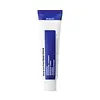 Key Ingredients
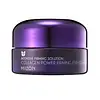
Benefits
Concerns
Ingredients Side-by-side
Sea Water
HumectantDipropylene Glycol
HumectantGlycerin
Humectant



Water
Skin ConditioningCaprylic/Capric Triglyceride
Masking
Niacinamide
Smoothing







Phenyl Trimethicone
Skin Conditioning
Cetyl Ethylhexanoate
EmollientCetearyl Alcohol
Emollient



1,2-Hexanediol
Skin Conditioning
Sodium Acrylate/Sodium Acryloyldimethyl Taurate Copolymer
Emulsion StabilisingButylene Glycol
Humectant
Sodium Hyaluronate
Humectant
Panthenol
Skin Conditioning
Ecklonia Cava Extract
Skin ConditioningLaminaria Japonica Extract
Skin Protecting
Caulerpa Lentillifera Extract
Salicornia Herbacea Extract
Skin ConditioningAllantoin
Skin Conditioning
Macadamia Ternifolia Seed Oil
Emollient
Adenosine
Skin Conditioning
Sorbitan Stearate
Emulsifying
Sorbitan Oleate
Emulsifying
Isohexadecane
EmollientPolysorbate 80
Emulsifying
Glyceryl Stearate Se
Emulsifying
Carbomer
Emulsion StabilisingArginine
Masking
Caprylyl Glycol
Emollient
Ethylhexylglycerin
Skin ConditioningDisodium EDTA
Sea Water, Dipropylene Glycol, Glycerin, Water, Caprylic/Capric Triglyceride, Niacinamide, Phenyl Trimethicone, Cetyl Ethylhexanoate, Cetearyl Alcohol, 1,2-Hexanediol, Sodium Acrylate/Sodium Acryloyldimethyl Taurate Copolymer, Butylene Glycol, Sodium Hyaluronate, Panthenol, Ecklonia Cava Extract, Laminaria Japonica Extract, Caulerpa Lentillifera Extract, Salicornia Herbacea Extract, Allantoin, Macadamia Ternifolia Seed Oil, Adenosine, Sorbitan Stearate, Sorbitan Oleate, Isohexadecane, Polysorbate 80, Glyceryl Stearate Se, Carbomer, Arginine, Caprylyl Glycol, Ethylhexylglycerin, Disodium EDTA
Water
Skin ConditioningButylene Glycol
Humectant
Glycerin
Humectant
Cyclopentasiloxane
Emollient
Cyclohexasiloxane
Emollient
Dimethicone
Emollient
Caprylyl Methicone
Skin Conditioning
1,2-Hexanediol
Skin Conditioning
Sodium Chloride
Masking

PEG-10 Dimethicone
Skin Conditioning
Cetearyl Dimethicone Crosspolymer
C30-45 Alkyl Cetearyl Dimethicone Crosspolymer
Emollient
Dimethicone/PEG-10/15 Crosspolymer
Sodium Citrate
BufferingPEG-9 Polydimethylsiloxyethyl Dimethicone
Emulsifying
Hydrolyzed Collagen
Emollient
Ethylhexylglycerin
Skin ConditioningAdenosine
Skin Conditioning
Disodium EDTA
Dipropylene Glycol
HumectantLimnanthes Alba Seed Oil
Skin Conditioning
Olea Europaea Fruit Oil
Masking
Helianthus Annuus Seed Oil
Emollient
Theobroma Cacao Seed Extract
Antioxidant
Sodium Hyaluronate
Humectant
Coptis Japonica Root Extract
Skin ConditioningArgania Spinosa Kernel Oil
Emollient
Tocopherol
Antioxidant
Mangifera Indica Seed Butter
Skin Conditioning
Honey Extract
Humectant
Beta-Glucan
Skin Conditioning
Fragaria Chiloensis Fruit Extract
Skin Conditioning
Glycine
Buffering
Caprylic/Capric Triglyceride
Masking
Serine
Masking
Glutamic Acid
Humectant
Rubus Idaeus Fruit Extract
AstringentAspartic Acid
Masking
Leucine
Skin ConditioningHydrogenated Lecithin
Emulsifying
Alanine
MaskingLysine
Skin ConditioningArginine
Masking
Tyrosine
MaskingPhenylalanine
Masking
Proline
Skin ConditioningThreonine
Valine
MaskingIsoleucine
Skin ConditioningHistidine
Humectant
Cysteine
Antioxidant
Methionine
Skin ConditioningFragaria Vesca Fruit Extract
AstringentPhytosteryl/Octyldodecyl Lauroyl Glutamate
Skin ConditioningCopper Tripeptide-1
Skin Conditioning

Ceramide NP
Skin Conditioning
Water, Butylene Glycol, Glycerin, Cyclopentasiloxane, Cyclohexasiloxane, Dimethicone, Caprylyl Methicone, 1,2-Hexanediol, Sodium Chloride, PEG-10 Dimethicone, Cetearyl Dimethicone Crosspolymer, C30-45 Alkyl Cetearyl Dimethicone Crosspolymer, Dimethicone/PEG-10/15 Crosspolymer, Sodium Citrate, PEG-9 Polydimethylsiloxyethyl Dimethicone, Hydrolyzed Collagen, Ethylhexylglycerin, Adenosine, Disodium EDTA, Dipropylene Glycol, Limnanthes Alba Seed Oil, Olea Europaea Fruit Oil, Helianthus Annuus Seed Oil, Theobroma Cacao Seed Extract, Sodium Hyaluronate, Coptis Japonica Root Extract, Argania Spinosa Kernel Oil, Tocopherol, Mangifera Indica Seed Butter, Honey Extract, Beta-Glucan, Fragaria Chiloensis Fruit Extract, Glycine, Caprylic/Capric Triglyceride, Serine, Glutamic Acid, Rubus Idaeus Fruit Extract, Aspartic Acid, Leucine, Hydrogenated Lecithin, Alanine, Lysine, Arginine, Tyrosine, Phenylalanine, Proline, Threonine, Valine, Isoleucine, Histidine, Cysteine, Methionine, Fragaria Vesca Fruit Extract, Phytosteryl/Octyldodecyl Lauroyl Glutamate, Copper Tripeptide-1, Ceramide NP
Reviews
Ingredients Explained
These ingredients are found in both products.
Ingredients higher up in an ingredient list are typically present in a larger amount.
1,2-Hexanediol is a synthetic liquid and another multi-functional powerhouse.
It is a:
- Humectant, drawing moisture into the skin
- Emollient, helping to soften skin
- Solvent, dispersing and stabilizing formulas
- Preservative booster, enhancing the antimicrobial activity of other preservatives
Adenosine is in every living organism. It is one of four components in nucleic acids that helps store our DNA.
Adenosine has many benefits when used. These benefits include hydrating the skin, smoothing skin, and reducing wrinkles. Once applied, adenosine increases collagen production. It also helps with improving firmness and tissue repair.
Studies have found adenosine may also help with wound healing.
In skincare products, Adenosine is usually derived from yeast.
Learn more about AdenosineArginine is an amino acid that is important for human development. Your body uses is it to produce hair keratin and skin collagen.
As a cosmetic ingredient, Arginine has antioxidant properties and can also help repair damaged skin. This ingredient is derived either synthetically or from animals.
Arginine isn't fungal acne safe when used in the presence of other lipids (fats, fatty acids, oils, esters, etc). Oils and fats occur naturally within the skin, so take caution when using Arginine if you're prone to fungal acne.
Learn more about ArginineButylene Glycol (or BG) is used within cosmetic products for a few different reasons:
Overall, Butylene Glycol is a safe and well-rounded ingredient that works well with other ingredients.
Though this ingredient works well with most skin types, some people with sensitive skin may experience a reaction such as allergic rashes, closed comedones, or itchiness.
Learn more about Butylene GlycolThis ingredient is an emollient, solvent, and texture enhancer. It is considered a skin-softener by helping the skin prevent moisture loss.
It helps thicken a product's formula and makes it easier to spread by dissolving clumping compounds.
Caprylic Triglyceride is made by combining glycerin with coconut oil, forming a clear liquid.
While there is an assumption Caprylic Triglyceride can clog pores due to it being derived from coconut oil, there is no research supporting this.
Learn more about Caprylic/Capric TriglycerideDipropylene Glycol is a synthetically created humectant, stabilizer, and solvent.
This ingredient helps:
Dipropylene glycol is technically an alcohol, but it belongs to the glycol family (often considered part of the ‘good’ alcohols). This means it is hydrating and gentle on skin unlike drying solvent alcohols like denatured alcohol.
As a masking agent, Dipropylene Glycol can be used to cover the smell of other ingredients. However, it does not have a scent.
Studies show Dipropylene Glycol is considered safe to use in skincare.
Learn more about Dipropylene GlycolDisodium EDTA plays a role in making products more stable by aiding other preservatives.
It is a chelating agent, meaning it neutralizes metal ions that may be found in a product.
Disodium EDTA is a salt of edetic acid and is found to be safe in cosmetic ingredients.
Learn more about Disodium EDTAEthylhexylglycerin (we can't pronounce this either) is commonly used as a preservative and skin softener. It is derived from glyceryl.
You might see Ethylhexylglycerin often paired with other preservatives such as phenoxyethanol. Ethylhexylglycerin has been found to increase the effectiveness of these other preservatives.
Glycerin is already naturally found in your skin. It helps moisturize and protect your skin.
A study from 2016 found glycerin to be more effective as a humectant than AHAs and hyaluronic acid.
As a humectant, it helps the skin stay hydrated by pulling moisture to your skin. The low molecular weight of glycerin allows it to pull moisture into the deeper layers of your skin.
Hydrated skin improves your skin barrier; Your skin barrier helps protect against irritants and bacteria.
Glycerin has also been found to have antimicrobial and antiviral properties. Due to these properties, glycerin is often used in wound and burn treatments.
In cosmetics, glycerin is usually derived from plants such as soybean or palm. However, it can also be sourced from animals, such as tallow or animal fat.
This ingredient is organic, colorless, odorless, and non-toxic.
Glycerin is the name for this ingredient in American English. British English uses Glycerol/Glycerine.
Learn more about GlycerinSodium Hyaluronate is hyaluronic acid's salt form. It is commonly derived from the sodium salt of hyaluronic acid.
Like hyaluronic acid, it is great at holding water and acts as a humectant. This makes it a great skin hydrating ingredient.
Sodium Hyaluronate is naturally occurring in our bodies and is mostly found in eye fluid and joints.
These are some other common types of Hyaluronic Acid:
Learn more about Sodium HyaluronateWater. It's the most common cosmetic ingredient of all. You'll usually see it at the top of ingredient lists, meaning that it makes up the largest part of the product.
So why is it so popular? Water most often acts as a solvent - this means that it helps dissolve other ingredients into the formulation.
You'll also recognize water as that liquid we all need to stay alive. If you see this, drink a glass of water. Stay hydrated!
Learn more about Water
