

What's inside
What's inside
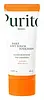 Key Ingredients
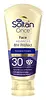
Benefits
Concerns
Ingredients Side-by-side
Water
Skin ConditioningPropanediol
Solvent

Dibutyl Adipate
EmollientDicaprylyl Carbonate
EmollientDiethylamino Hydroxybenzoyl Hexyl Benzoate
UV Filter
Ethylhexyl Triazone
UV Absorber
Bis-Ethylhexyloxyphenol Methoxyphenyl Triazine
Skin Conditioning
Amylopectin
Butylene Glycol
Humectant
Methylene Bis-Benzotriazolyl Tetramethylbutylphenol
UV Filter
Glycerin
Humectant
Behenyl Alcohol
Emollient
Poly C10-30 Alkyl Acrylate
Emulsion StabilisingPolyglyceryl-3 Methylglucose Distearate
Emulsifying
Sodium Acrylates Crosspolymer-2
AbsorbentCarbomer
Emulsion StabilisingTromethamine
BufferingDecyl Glucoside
Cleansing
Acrylates/C10-30 Alkyl Acrylate Crosspolymer
Emulsion StabilisingBisabolol
Antioxidant


Panthenol
Skin Conditioning
Caprylhydroxamic Acid
Centella Asiatica Extract
Cleansing

Tocopherol
Antioxidant


Ceramide NP
Skin Conditioning
Dipropylene Glycol
HumectantCholesterol
Emollient
Propylene Glycol
Humectant

Xanthan Gum
EmulsifyingGlyceryl Stearate
Emollient
Ceramide As
Skin Conditioning
Ceramide AP
Skin Conditioning
Ceramide Ns
Skin Conditioning
Hydrogenated Lecithin
Emulsifying
Ceramide EOP
Skin Conditioning
Water, Propanediol, Dibutyl Adipate, Dicaprylyl Carbonate, Diethylamino Hydroxybenzoyl Hexyl Benzoate, Ethylhexyl Triazone, Bis-Ethylhexyloxyphenol Methoxyphenyl Triazine, Amylopectin, Butylene Glycol, Methylene Bis-Benzotriazolyl Tetramethylbutylphenol, Glycerin, Behenyl Alcohol, Poly C10-30 Alkyl Acrylate, Polyglyceryl-3 Methylglucose Distearate, Sodium Acrylates Crosspolymer-2, Carbomer, Tromethamine, Decyl Glucoside, Acrylates/C10-30 Alkyl Acrylate Crosspolymer, Bisabolol, Panthenol, Caprylhydroxamic Acid, Centella Asiatica Extract, Tocopherol, Ceramide NP, Dipropylene Glycol, Cholesterol, Propylene Glycol, Xanthan Gum, Glyceryl Stearate, Ceramide As, Ceramide AP, Ceramide Ns, Hydrogenated Lecithin, Ceramide EOP
Water
Skin ConditioningC12-15 Alkyl Benzoate
AntimicrobialButylene Glycol
Humectant
Octocrylene
UV Absorber

Butyl Methoxydibenzoylmethane
UV Absorber
Polyglyceryl-3 Methylglucose Distearate
Emulsifying
Vp/Eicosene Copolymer
Ethylhexyl Salicylate
UV Absorber
Adipic Acid/Diglycol Crosspolymer
Dimethicone
Emollient
Tribehenin
Emollient
Bis-Ethylhexyloxyphenol Methoxyphenyl Triazine
Skin Conditioning
Phenoxyethanol
Preservative
Butyrospermum Parkii Butter
Skin Conditioning

Panthenol
Skin Conditioning
Ammonium Acryloyldimethyltaurate/Vp Copolymer
Glycerin
Humectant
Potassium Cetyl Phosphate
EmulsifyingDimethiconol
Emollient
Diethylhexyl Butamido Triazone
UV Absorber
Caprylyl Glycol
Emollient
Methylparaben
Preservative
Parfum
Masking

Ethylparaben
Preservative
Ethylhexylglycerin
Skin ConditioningVitis Vinifera Seed Oil
Emollient
Tocopheryl Acetate
Antioxidant
Dipropylene Glycol
HumectantTetrasodium EDTA
Citric Acid
Buffering
T-Butyl Alcohol
Perfuming

Sodium Ascorbyl Phosphate
Antioxidant

Panax Ginseng Root Extract
Emollient
Water, C12-15 Alkyl Benzoate, Butylene Glycol, Octocrylene, Butyl Methoxydibenzoylmethane, Polyglyceryl-3 Methylglucose Distearate, Vp/Eicosene Copolymer, Ethylhexyl Salicylate, Adipic Acid/Diglycol Crosspolymer, Dimethicone, Tribehenin, Bis-Ethylhexyloxyphenol Methoxyphenyl Triazine, Phenoxyethanol, Butyrospermum Parkii Butter, Panthenol, Ammonium Acryloyldimethyltaurate/Vp Copolymer, Glycerin, Potassium Cetyl Phosphate, Dimethiconol, Diethylhexyl Butamido Triazone, Caprylyl Glycol, Methylparaben, Parfum, Ethylparaben, Ethylhexylglycerin, Vitis Vinifera Seed Oil, Tocopheryl Acetate, Dipropylene Glycol, Tetrasodium EDTA, Citric Acid, T-Butyl Alcohol, Sodium Ascorbyl Phosphate, Panax Ginseng Root Extract
Reviews
Ingredients Explained
These ingredients are found in both products.
Ingredients higher up in an ingredient list are typically present in a larger amount.
You might know this ingredient as Tinosorb S or Bemotrizinol. It is a UV filter that covers both UVA and UVB rays.
This ingredient has two peak UV absorption peaks ( 310 and 340 nm) and is able to absorb both UV-A and UV-B rays. This ingredient works by preventing UV rays from reaching and damaging your skin.
On top of that - it is highly photostable and helps prevent the photodegration of other sunscreen ingredients such as avobenzone.
Tinosorb S is allowed in the EU, Australia, and Asia. It is close to being approved by the FDA and we'll hopefully get this ingredient in the U.S. by late 2026.
Fun fact: Tinosorb S is the most effective UV absorber at maximum concentration (measured by SPF) permitted in the EU.
This ingredient is oil-soluble, so your oil-cleansers will take this right off at night.
Learn more about Bis-Ethylhexyloxyphenol Methoxyphenyl TriazineButylene Glycol (or BG) is used within cosmetic products for a few different reasons:
Overall, Butylene Glycol is a safe and well-rounded ingredient that works well with other ingredients.
Though this ingredient works well with most skin types, some people with sensitive skin may experience a reaction such as allergic rashes, closed comedones, or itchiness.
Learn more about Butylene GlycolDipropylene Glycol is a synthetically created humectant, stabilizer, and solvent.
This ingredient helps:
Dipropylene glycol is technically an alcohol, but it belongs to the glycol family (often considered part of the ‘good’ alcohols). This means it is hydrating and gentle on skin unlike drying solvent alcohols like denatured alcohol.
As a masking agent, Dipropylene Glycol can be used to cover the smell of other ingredients. However, it does not have a scent.
Studies show Dipropylene Glycol is considered safe to use in skincare.
Learn more about Dipropylene GlycolGlycerin (or glycerol) is a compound naturally found in your skin. It's a powerhouse humectant that pulls water into the stratum corneum.
Topically, glycerin does several things at once:
Your skin makes glycerin on its own (mostly from sebaceous oil breakdown) and shuttles it to your outermost layer of skin, or your epidermis, via aquaporin-3.
Aquaporin-3 is a transporter that is essential for normal skin hydration, elasticity, and repair. Interestingly, mice lacking in AQP3 have dry and less elastic skin that can be fully corrected with glycerin.
This ingredient is non-irritating, plays well with almost every ingredient, and works across all skin types. Typical use is anywhere between 3-10% but can go up to 79% in some leave-on products.
Just know very high concentrations (>40%) can feel tacky in low humidity.
Glycerin is the name for this ingredient in American English. British English uses Glycerol/Glycerine.
Learn more about GlycerinPanthenol is a common ingredient that helps hydrate and soothe the skin. It is found naturally in our skin and hair.
There are two forms of panthenol: D and L.
D-panthenol is also known as dexpanthenol. Most cosmetics use dexpanthenol or a mixture of D and L-panthenol.
Panthenol is famous due to its ability to go deeper into the skin's layers. Using this ingredient has numerous pros (and no cons):
Like hyaluronic acid, panthenol is a humectant. Humectants are able to bind and hold large amounts of water to keep skin hydrated.
This ingredient works well for wound healing. It works by increasing tissue in the wound and helps close open wounds.
Once oxidized, panthenol converts to pantothenic acid. Panthothenic acid is found in all living cells.
This ingredient is also referred to as pro-vitamin B5.
Learn more about PanthenolPolyglyceryl-3 Methylglucose Distearate is created from the diester of stearic acid and the condensation product of methylglucose and Polyglycerin-3.
As an emulsifier, it is used to bind ingredients together. Many ingredients, such as oils and water, separate naturally. Emulsifiers prevent them from separating to ensure even consistency in texture.
One of the manufacturer for this ingredient states it is vegetable-based. It is also claimed to be stable at both high and low temperatures.
This ingredient may not be safe for fungal acne. We recommend speaking with a professional if you have any concerns.
Learn more about Polyglyceryl-3 Methylglucose DistearateWater. It's the most common cosmetic ingredient of all. You'll usually see it at the top of ingredient lists, meaning that it makes up the largest part of the product.
So why is it so popular? Water most often acts as a solvent - this means that it helps dissolve other ingredients into the formulation.
You'll also recognize water as that liquid we all need to stay alive. If you see this, drink a glass of water. Remember to stay hydrated!
Learn more about Water
