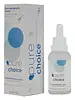
This pore-care serum is formulated around Niacinamide and Zinc PCA to refine the look of pores and balance excess oil.
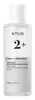
This smoothing exfoliator is formulated around Salicylic Acid and Centella Asiatica Extract to refine skin texture and strengthen the skin barrier.


What's inside
What's inside
 Key Ingredients
Benefits
Concerns
Ingredients Side-by-side
Water
Skin ConditioningNiacinamide
Smoothing











Zinc PCA
Humectant
Hamamelis Virginiana Leaf Extract
Skin Conditioning

Salix Alba Bark Water
Astringent
Pyrus Malus Fruit Water
MaskingArginine
Masking
Allantoin
Skin Conditioning
Panthenol
Skin Conditioning
Sodium PCA
Humectant
Sodium Acetate
BufferingIsopropyl Alcohol
Solvent


Salicylic Acid
Masking

Glycolic Acid
Buffering

Lactic Acid
Buffering
Avena Sativa Leaf Extract
AstringentCucumis Sativus Fruit Extract
Emollient
Serenoa Serrulata Fruit Extract
Skin Conditioning
Aesculus Hippocastanum Seed Extract
Skin ConditioningYeast Extract
Skin ConditioningAmmonium Glycyrrhizate
MaskingPhenoxyethanol
Preservative
Hydroxyethylcellulose
Emulsion StabilisingSodium Acetylated Hyaluronate
Humectant
Xanthan Gum
EmulsifyingSodium Hyaluronate
Humectant
Sodium Hyaluronate Crosspolymer
Humectant
Hydrolyzed Sodium Hyaluronate
Skin Conditioning
Polysorbate 20
Emulsifying
Ethylhexylglycerin
Skin ConditioningTetrasodium EDTA
ChelatingSodium Benzoate
Masking
Potassium Sorbate
Preservative
Water, Niacinamide, Zinc PCA, Hamamelis Virginiana Leaf Extract, Salix Alba Bark Water, Pyrus Malus Fruit Water, Arginine, Allantoin, Panthenol, Sodium PCA, Sodium Acetate, Isopropyl Alcohol, Salicylic Acid, Glycolic Acid, Lactic Acid, Avena Sativa Leaf Extract, Cucumis Sativus Fruit Extract, Serenoa Serrulata Fruit Extract, Aesculus Hippocastanum Seed Extract, Yeast Extract, Ammonium Glycyrrhizate, Phenoxyethanol, Hydroxyethylcellulose, Sodium Acetylated Hyaluronate, Xanthan Gum, Sodium Hyaluronate, Sodium Hyaluronate Crosspolymer, Hydrolyzed Sodium Hyaluronate, Polysorbate 20, Ethylhexylglycerin, Tetrasodium EDTA, Sodium Benzoate, Potassium Sorbate
Water
Skin ConditioningDipropylene Glycol
Humectant1,2-Hexanediol
Skin Conditioning
Salicylic Acid
Masking
C12-14 Alketh-12
EmulsifyingOctyldodeceth-16
EmulsifyingPentylene Glycol
Skin Conditioning
Salix Alba Bark Extract
Astringent
Melaleuca Alternifolia Leaf Extract
Perfuming
Ficus Carica Fruit Extract
Humectant
Centella Asiatica Extract
Cleansing
Oenothera Biennis Flower Extract
AstringentUlmus Davidiana Root Extract
Skin Conditioning
Pinus Palustris Leaf Extract
TonicPueraria Lobata Root Extract
HumectantHydrogenated Lecithin
Emulsifying
Sodium Hyaluronate
Humectant
Sodium Citrate
BufferingButylene Glycol
Humectant
Glycerin
Humectant
Ethylhexylglycerin
Skin ConditioningCitric Acid
Buffering
Xanthan Gum
EmulsifyingDisodium EDTA
ChelatingPanthenol
Skin Conditioning
Tocopherol
Antioxidant

Ceramide NP
Skin Conditioning
Zinc Sulfate
Antimicrobial
Triethylhexanoin
MaskingCholesterol
Emollient
Glyceryl Stearate
Emollient
Hydrogenated Polydecene
EmollientCetearyl Alcohol
Emollient



Potassium C11-15 Alkyl Phosphate
SurfactantCeramide Ng
Skin Conditioning
Phytosphingosine
Skin Conditioning
Dimethicone
Emollient
Ceramide As
Skin Conditioning
Ceramide AP
Skin Conditioning
Ceramide Ns
Skin Conditioning
Dimethylsilanol Hyaluronate
Humectant
Hydrolyzed Sodium Hyaluronate
Skin Conditioning
Hydrolyzed Hyaluronic Acid
Humectant
Potassium Hyaluronate
Skin ConditioningHyaluronic Acid
Humectant
Sodium Hyaluronate Crosspolymer
Humectant
Hydroxypropyltrimonium Hyaluronate
Sodium Hyaluronate Dimethylsilanol
HumectantSodium Acetylated Hyaluronate
Humectant
Glycine
Buffering
Glutamic Acid
Humectant
Glutamine
Skin ConditioningLysine
Skin ConditioningLeucine
Skin ConditioningMethionine
Skin ConditioningValine
MaskingSerine
Masking
Cysteine
Antioxidant
Citrulline
Skin ConditioningAsparagine
MaskingAspartic Acid
Masking
Isoleucine
Skin ConditioningAlanine
Masking
Arginine
Masking
Ornithine
Skin ConditioningTaurine
BufferingTyrosine
MaskingThreonine
Tryptophan
MaskingPhenylalanine
Masking
Proline
Skin Conditioning
Histidine
Humectant
Ceramide EOP
Skin Conditioning
Water, Dipropylene Glycol, 1,2-Hexanediol, Salicylic Acid, C12-14 Alketh-12, Octyldodeceth-16, Pentylene Glycol, Salix Alba Bark Extract, Melaleuca Alternifolia Leaf Extract, Ficus Carica Fruit Extract, Centella Asiatica Extract, Oenothera Biennis Flower Extract, Ulmus Davidiana Root Extract, Pinus Palustris Leaf Extract, Pueraria Lobata Root Extract, Hydrogenated Lecithin, Sodium Hyaluronate, Sodium Citrate, Butylene Glycol, Glycerin, Ethylhexylglycerin, Citric Acid, Xanthan Gum, Disodium EDTA, Panthenol, Tocopherol, Ceramide NP, Zinc Sulfate, Triethylhexanoin, Cholesterol, Glyceryl Stearate, Hydrogenated Polydecene, Cetearyl Alcohol, Potassium C11-15 Alkyl Phosphate, Ceramide Ng, Phytosphingosine, Dimethicone, Ceramide As, Ceramide AP, Ceramide Ns, Dimethylsilanol Hyaluronate, Hydrolyzed Sodium Hyaluronate, Hydrolyzed Hyaluronic Acid, Potassium Hyaluronate, Hyaluronic Acid, Sodium Hyaluronate Crosspolymer, Hydroxypropyltrimonium Hyaluronate, Sodium Hyaluronate Dimethylsilanol, Sodium Acetylated Hyaluronate, Glycine, Glutamic Acid, Glutamine, Lysine, Leucine, Methionine, Valine, Serine, Cysteine, Citrulline, Asparagine, Aspartic Acid, Isoleucine, Alanine, Arginine, Ornithine, Taurine, Tyrosine, Threonine, Tryptophan, Phenylalanine, Proline, Histidine, Ceramide EOP
Reviews
Ingredients Explained
These ingredients are found in both products.
Ingredients higher up in an ingredient list are typically present in a larger amount.
Arginine is a semi-essential amino acid. This just means our bodies can product a bit on its own, but sometimes needs a little boost from food sources.
It is a part of your skin's natural moisturizing factor (NMF), or the water-loving molecules in your outermost layer of skin (stratum corneum) that keeps everything hydrated and happy.
Here's an interesting thing about Arginine: your skin converts it into urea through the Krebs-Henseleit urea cycle. Urea is one of the most effective humectants your skin naturally produces.
A clinical study showed applying 2.5% arginine hydrochloride to atopic dermatitis skin showed significant urea levels in the stratum corneum and improved moisture in just four weeks.
Arginine is also a precursor to nitric oxide; nitric oxide improves microcirculation and supports wound healing and collagen synthesis.
One study found that an amino acid complex containing Arginine reduced skin irritation, improved hydration, and accelerated skin repair in clinical / in-vivo studies.
Arginine itself is an amino acid and not a fatty acid, oil, or ester. On its own, it's not a direct food source for Malassezia, or the yeast that causes fungal acne.
Learn more about ArginineEthylhexylglycerin is created from glycerin. It is a multitasker ingredient that:
The CIR Expert Panel found minimal skin absorption or sensitization of any kind in a safety assessment. Though this ingredient is considered well-tolerated, a small number of cases of allergic dermatitis have been published since 2002. Just be sure to patch test if you are unsure.
Industry-reported use ranges from 8% in rinse-off products and 2% in leave-on formulations.
Learn more about EthylhexylglycerinThis ingredient is created by putting sodium hyaluronate through hydrolysis.
You might know this as 'mini' or 'ultra low-molecular weight' hyaluronic acid. The small molecule size means it is able to travel deeper in the skin.
According to studies, low molecular-weight hyaluronic acid can:
One study from 2011 found ultra-low weight HA to show pro-inflammatory properties. Another study from 2022 found it to downregulate UV-B induced inflammation.
Hydrolysis is a process of changing a molecule using water or enzymes.
This ingredient is water-soluble.
Learn more about Hydrolyzed Sodium HyaluronatePanthenol is a common ingredient that helps hydrate and soothe the skin. It is found naturally in our skin and hair.
There are two forms of panthenol: D and L.
D-panthenol is also known as dexpanthenol. Most cosmetics use dexpanthenol or a mixture of D and L-panthenol.
Panthenol is famous due to its ability to go deeper into the skin's layers. Using this ingredient has numerous pros (and no cons):
Like hyaluronic acid, panthenol is a humectant. Humectants are able to bind and hold large amounts of water to keep skin hydrated.
This ingredient works well for wound healing. It works by increasing tissue in the wound and helps close open wounds.
Once oxidized, panthenol converts to pantothenic acid. Panthothenic acid is found in all living cells.
This ingredient is also referred to as pro-vitamin B5.
Learn more about PanthenolSalicylic Acid (also known as beta hydroxy acid or BHA) is a well-known ingredient for treating skin that struggles with acne and clogged pores. It exfoliates both the skin's surface and deep within the pores to help clear out buildup, control oil, and reduce inflammation.
Unlike AHAs (alpha hydroxy acids), salicylic acid is oil-soluble. This allows it to penetrate into pores which makes it especially effective for treating blackheads and preventing future breakouts.
Salicylic acid is also known for its soothing properties. It has a similar structure to aspirin and can calm inflamed or irritated skin, making it a good option for acne-prone skin that is also sensitive.
Concentrations of 0.5-2% are recognized by the U.S. FDA as an over-the-counter topical acne product.
It can cause irritation and/or dryness if one's skin already has a compromised moisture barrier, so it's best to focus on repairing that before introducing this ingredient into your routine.
While salicylic acid does not increase sun sensitivity, it’s still important to wear sunscreen daily to protect your skin.
If you are looking for the ingredient called BHA or Butylated Hydroxyanisole, click here.
Learn more about Salicylic AcidSodium Acetylated Hyaluronate is a type of Hyaluronic Acid.
Hyaluronic Acids help moisturize, soothe, and protect the skin.
Read about common types of Hyaluronic Acid here:
Learn more about Sodium Acetylated HyaluronateSodium Hyaluronate is the salt form of hyaluronic acid. It is a long sugar chain that is naturally found in your skin, joints, and connective tissue that maintains hydration and elasticity.
In skincare, it works as a humectant. It pulls water from the environment and deeper layers of skin and binds it to the surface.
Interestingly, the size of the molecule affects its behavior:
Some clinical evidence links low molecular weight versions to improved wrinkle depth, elasticity, anti-inflammatory effects, and barrier repair.
Many serums use a blend of both weights so you can get surface hydration plus longer-lasting and deeper effects.
You'll typically see concentrations between 0.1-2% for this ingredient.
Learn more about Sodium HyaluronateSodium Hyaluronate Crosspolymer is a crosslinked version of sodium hyaluronate. This just means it's linked into a 3D mesh network that lets it be more stable and sit on skin as a cohesive, gel-like film rather than sinking into skin.
A 2016 human skin study found crosslinked HA increased epidermal water content by 7.6% over the control group and reduced transepidermal water loss by 27.8%.
A follow-up clinical trial found that a topical crosslinked HA serum applied after fillers, microneedling, or chemical peels was well-tolerated and enhanced skin quality at 14 / 28 days.
More recent research suggests that concentrations as low as 0.03% can act as a penetration enhancer for other skincare actives.
Learn more about Sodium Hyaluronate CrosspolymerWater. It's the most common cosmetic ingredient of all. You'll usually see it at the top of ingredient lists, meaning that it makes up the largest part of the product.
So why is it so popular? Water most often acts as a solvent - this means that it helps dissolve other ingredients into the formulation.
You'll also recognize water as that liquid we all need to stay alive. If you see this, drink a glass of water. Remember to stay hydrated!
Learn more about WaterXanthan gum is used as a stabilizer and thickener within cosmetic products. It helps give products a sticky, thick feeling - preventing them from being too runny.
On the technical side of things, xanthan gum is a polysaccharide - a combination consisting of multiple sugar molecules bonded together.
Xanthan gum is a pretty common and great ingredient. It is a natural, non-toxic, non-irritating ingredient that is also commonly used in food products.
Learn more about Xanthan Gum

