Anua BHA 2% + Ceramides Gentle Exfoliating Toner Versus Paula's Choice Skin Perfecting 6% Mandelic Acid + 2% Lactic Acid Liquid Exfoliant
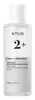
This smoothing exfoliator is formulated around Salicylic Acid and Centella Asiatica Extract to refine skin texture and strengthen the skin barrier.
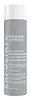
This smoothing exfoliator is formulated around Mandelic Acid and Lactic Acid to refine skin texture and brighten dull-looking skin.


What's inside
What's inside
 Key Ingredients
Benefits
Concerns
Ingredients Side-by-side
Water
Skin ConditioningDipropylene Glycol
Humectant1,2-Hexanediol
Skin Conditioning
Salicylic Acid
Masking










C12-14 Alketh-12
EmulsifyingOctyldodeceth-16
EmulsifyingPentylene Glycol
Skin Conditioning
Salix Alba Bark Extract
Astringent

Melaleuca Alternifolia Leaf Extract
Perfuming
Ficus Carica Fruit Extract
Humectant
Centella Asiatica Extract
Cleansing


Oenothera Biennis Flower Extract
AstringentUlmus Davidiana Root Extract
Skin Conditioning
Pinus Palustris Leaf Extract
TonicPueraria Lobata Root Extract
HumectantHydrogenated Lecithin
Emulsifying
Sodium Hyaluronate
Humectant
Sodium Citrate
BufferingButylene Glycol
Humectant
Glycerin
Humectant
Ethylhexylglycerin
Skin ConditioningCitric Acid
Buffering
Xanthan Gum
EmulsifyingDisodium EDTA
Panthenol
Skin Conditioning
Tocopherol
Antioxidant

Ceramide NP
Skin Conditioning
Zinc Sulfate
Antimicrobial
Triethylhexanoin
MaskingCholesterol
Emollient
Glyceryl Stearate
Emollient
Hydrogenated Polydecene
EmollientCetearyl Alcohol
Emollient



Potassium C11-15 Alkyl Phosphate
SurfactantCeramide Ng
Skin Conditioning
Phytosphingosine
Skin Conditioning
Dimethicone
Emollient
Ceramide As
Skin Conditioning
Ceramide AP
Skin Conditioning
Ceramide Ns
Skin Conditioning
Dimethylsilanol Hyaluronate
Humectant
Hydrolyzed Sodium Hyaluronate
Skin Conditioning
Hydrolyzed Hyaluronic Acid
Humectant
Potassium Hyaluronate
Skin ConditioningHyaluronic Acid
Humectant
Sodium Hyaluronate Crosspolymer
Humectant
Hydroxypropyltrimonium Hyaluronate
Sodium Hyaluronate Dimethylsilanol
HumectantSodium Acetylated Hyaluronate
Humectant
Glycine
Buffering
Glutamic Acid
Humectant
Glutamine
Skin ConditioningLysine
Skin ConditioningLeucine
Skin ConditioningMethionine
Skin ConditioningValine
MaskingSerine
Masking
Cysteine
Antioxidant
Citrulline
Skin ConditioningAsparagine
MaskingAspartic Acid
Masking
Isoleucine
Skin ConditioningAlanine
Masking
Arginine
Masking
Ornithine
Skin ConditioningTaurine
BufferingTyrosine
MaskingThreonine
Tryptophan
MaskingPhenylalanine
Masking
Proline
Skin Conditioning
Histidine
Humectant
Ceramide EOP
Skin Conditioning
Water, Dipropylene Glycol, 1,2-Hexanediol, Salicylic Acid, C12-14 Alketh-12, Octyldodeceth-16, Pentylene Glycol, Salix Alba Bark Extract, Melaleuca Alternifolia Leaf Extract, Ficus Carica Fruit Extract, Centella Asiatica Extract, Oenothera Biennis Flower Extract, Ulmus Davidiana Root Extract, Pinus Palustris Leaf Extract, Pueraria Lobata Root Extract, Hydrogenated Lecithin, Sodium Hyaluronate, Sodium Citrate, Butylene Glycol, Glycerin, Ethylhexylglycerin, Citric Acid, Xanthan Gum, Disodium EDTA, Panthenol, Tocopherol, Ceramide NP, Zinc Sulfate, Triethylhexanoin, Cholesterol, Glyceryl Stearate, Hydrogenated Polydecene, Cetearyl Alcohol, Potassium C11-15 Alkyl Phosphate, Ceramide Ng, Phytosphingosine, Dimethicone, Ceramide As, Ceramide AP, Ceramide Ns, Dimethylsilanol Hyaluronate, Hydrolyzed Sodium Hyaluronate, Hydrolyzed Hyaluronic Acid, Potassium Hyaluronate, Hyaluronic Acid, Sodium Hyaluronate Crosspolymer, Hydroxypropyltrimonium Hyaluronate, Sodium Hyaluronate Dimethylsilanol, Sodium Acetylated Hyaluronate, Glycine, Glutamic Acid, Glutamine, Lysine, Leucine, Methionine, Valine, Serine, Cysteine, Citrulline, Asparagine, Aspartic Acid, Isoleucine, Alanine, Arginine, Ornithine, Taurine, Tyrosine, Threonine, Tryptophan, Phenylalanine, Proline, Histidine, Ceramide EOP
Water
Skin Conditioning2,3-Butanediol
HumectantMandelic Acid
Antimicrobial
Lactic Acid
Buffering
Sodium Hydroxide
BufferingMyrica Cerifera Fruit Extract
HumectantAkebia Quinata Stem Extract
Skin ConditioningPrunus Lannesiana Flower Extract
Skin ConditioningLactobacillus Ferment Lysate
Skin Conditioning
Saccharomyces Lysate
Skin Conditioning
Achillea Millefolium Extract
CleansingSaccharide Isomerate
Humectant
Arginine
Masking
Hydroxyacetophenone
Antioxidant
Butylene Glycol
Humectant
Sodium Phytate
Pentylene Glycol
Skin Conditioning
Xanthan Gum
EmulsifyingCitric Acid
Buffering
Sodium Citrate
Buffering1,2-Hexanediol
Skin Conditioning
Caprylyl Glycol
Emollient
Sodium Benzoate
Masking
Water, 2,3-Butanediol, Mandelic Acid, Lactic Acid, Sodium Hydroxide, Myrica Cerifera Fruit Extract, Akebia Quinata Stem Extract, Prunus Lannesiana Flower Extract, Lactobacillus Ferment Lysate, Saccharomyces Lysate, Achillea Millefolium Extract, Saccharide Isomerate, Arginine, Hydroxyacetophenone, Butylene Glycol, Sodium Phytate, Pentylene Glycol, Xanthan Gum, Citric Acid, Sodium Citrate, 1,2-Hexanediol, Caprylyl Glycol, Sodium Benzoate
Reviews
Ingredients Explained
These ingredients are found in both products.
Ingredients higher up in an ingredient list are typically present in a larger amount.
1,2-Hexanediol is a synthetic liquid and another multi-functional powerhouse.
It is a:
- Humectant, drawing moisture into the skin
- Emollient, helping to soften skin
- Solvent, dispersing and stabilizing formulas
- Preservative booster, enhancing the antimicrobial activity of other preservatives
Arginine is a semi-essential amino acid. This just means our bodies can product a bit on its own, but sometimes needs a little boost from food sources.
It is a part of your skin's natural moisturizing factor (NMF), or the water-loving molecules in your outermost layer of skin (stratum corneum) that keeps everything hydrated and happy.
Here's an interesting thing about Arginine: your skin converts it into urea through the Krebs-Henseleit urea cycle. Urea is one of the most effective humectants your skin naturally produces.
A clinical study showed applying 2.5% arginine hydrochloride to atopic dermatitis skin showed significant urea levels in the stratum corneum and improved moisture in just four weeks.
Arginine is also a precursor to nitric oxide; nitric oxide improves microcirculation and supports wound healing and collagen synthesis.
One study found that an amino acid complex containing Arginine reduced skin irritation, improved hydration, and accelerated skin repair in clinical / in-vivo studies.
Arginine itself is an amino acid and not a fatty acid, oil, or ester. On its own, it's not a direct food source for Malassezia, or the yeast that causes fungal acne.
Learn more about ArginineButylene Glycol (or BG) is used within cosmetic products for a few different reasons:
Overall, Butylene Glycol is a safe and well-rounded ingredient that works well with other ingredients.
Though this ingredient works well with most skin types, some people with sensitive skin may experience a reaction such as allergic rashes, closed comedones, or itchiness.
Learn more about Butylene GlycolCitric Acid is an alpha hydroxy acid (AHA) naturally found in citrus fruits like oranges, lemons, and limes.
Like other AHAs, citric acid can exfoliate skin by breaking down the bonds that hold dead skin cells together. This helps reveal smoother and brighter skin underneath.
However, this exfoliating effect only happens at high concentrations (20%) which can be hard to find in cosmetic products.
Due to this, citric acid is usually included in small amounts as a pH adjuster. This helps keep products slightly more acidic and compatible with skin's natural pH.
In skincare formulas, citric acid can:
While it can provide some skin benefits, research shows lactic acid and glycolic acid are generally more effective and less irritating exfoliants.
Most citric acid used in skincare today is made by fermenting sugars (usually from molasses). This synthetic version is identical to the natural citrus form but easier to stabilize and use in formulations.
Rosacea skin has a lower threshold for acids generally, with 62.5% of rosacea subjects in one study reacting to lactic acid in a sting test. This is why we mark citric acid as a potential rosacea trigger.
However, this ingredient shows up as a pH adjuster or chelator at roughly 0.1-1% in many products. These low levels are unlikely to be an issue for rosacea skin and becomes a potential trigger at exfoliating concentrations (20%). Because everybody's skin is unique, we recommend a patch test if you are unsure.
Learn more about Citric AcidPentylene Glycol (1,2-pentanediol) is a multitasking little diol with three main roles in a formula:
Research on alkanediols (the family pentylene glycol belongs to) show they work by disrupting microbial cell membranes. This disruption helps the primary preservative system in a product work more effectively at lower doses.
On the safety side, the Cosmetic Ingredient Review Expert Panel has concluded this ingredient to be safe as used in current cosmetic practices + concentrations.
Typical use levels in a formula run about 1-5%.
Learn more about Pentylene GlycolSodium Citrate is the sodium salts of citric acid. In skincare, it is used to alter pH levels and acts as a preservative.
Its main functions are to maintain the pH of a product and neutralize metal ions.
The acidity of our skin is maintained by our glands and skin biome; normal pH level of skin is slightly acidic (~4.75-5.5).
Being slightly acidic allows our skin to create an "acid mantle". This acid mantle is a thin barrier that protects our skin from bacteria and contaminants.
Learn more about Sodium CitrateWater. It's the most common cosmetic ingredient of all. You'll usually see it at the top of ingredient lists, meaning that it makes up the largest part of the product.
So why is it so popular? Water most often acts as a solvent - this means that it helps dissolve other ingredients into the formulation.
You'll also recognize water as that liquid we all need to stay alive. If you see this, drink a glass of water. Remember to stay hydrated!
Learn more about WaterXanthan gum is used as a stabilizer and thickener within cosmetic products. It helps give products a sticky, thick feeling - preventing them from being too runny.
On the technical side of things, xanthan gum is a polysaccharide - a combination consisting of multiple sugar molecules bonded together.
Xanthan gum is a pretty common and great ingredient. It is a natural, non-toxic, non-irritating ingredient that is also commonly used in food products.
Learn more about Xanthan Gum

