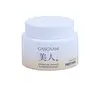
This barrier-repair moisturizer is formulated around Butyrospermum Parkii Butter and Niacinamide to strengthen the skin barrier and hydrate skin.
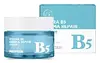
This barrier-repair moisturizer is formulated around Niacinamide and Panthenol to strengthen the skin barrier and hydrate skin.

What's inside
What's inside
 Key Ingredients
Benefits
Concerns
Ingredients Side-by-side
Glycerin
Humectant


Butylene Glycol
Humectant
Cetyl Ethylhexanoate
EmollientDimethicone
Emollient
Butyrospermum Parkii Butter
Skin Conditioning




Dipropylene Glycol
Humectant1,2-Hexanediol
Skin Conditioning
Niacinamide
Smoothing









Polyglyceryl-3 Methylglucose Distearate
Emulsifying
PEG-240
HumectantDiphenylsiloxy Phenyl Trimethicone
Skin Conditioning
Glyceryl Stearate
Emollient
Propanediol
Solvent
Glycereth-26
Humectant
Biosaccharide Gum-1
Humectant
Sodium Polyacrylate
Absorbent
Tocopheryl Acetate
Antioxidant

Citric Acid
Buffering
Ethylhexylglycerin
Skin ConditioningParfum
Masking


Cellulose
Absorbent
Hydrolyzed Gardenia Florida Extract
Antioxidant
Hydrolyzed Malt Extract
Skin ConditioningAdenosine
Skin Conditioning
Hydrolyzed Viola Tricolor Extract
Skin ProtectingDisodium EDTA
ChelatingSodium Hyaluronate
Humectant
Hyaluronic Acid
Humectant
Hydrolyzed Hyaluronic Acid
Humectant
Ammonium Polyacryloyldimethyl Taurate
Emulsion StabilisingPotassium Laurate
EmulsifyingDioscorea Japonica Root Extract
Skin Conditioning
BHT
Antioxidant
Hydrolyzed Conchiolin Protein
Skin ConditioningPhenoxyethanol
Preservative
Pearl Extract
Antioxidant
Paeonia Officinalis Flower Extract
TonicSaccharomyces Ferment
Skin Conditioning
Diamond Powder
Abrasive
Ruby Powder
Skin ConditioningSapphire Powder
Rosa Rugosa Flower Extract
Skin ConditioningCarthamus Tinctorius Flower Extract
Skin ConditioningHibiscus Sabdariffa Flower Extract
Skin ConditioningPaeonia Lactiflora Root Extract
Skin ConditioningPapaver Rhoeas Petal Extract
EmollientPueraria Thunbergiana Flower Oil
Emollient
Trifolium Pratense Flower Extract
AstringentHydrolyzed Collagen
Emollient
Polyglutamic Acid
Skin Conditioning
Hydroxypropyltrimonium Hyaluronate
Hydrolyzed Sodium Hyaluronate
Skin Conditioning
Potassium Hyaluronate
Skin ConditioningSodium Hyaluronate Crosspolymer
Humectant
Pentylene Glycol
Skin Conditioning
Sodium Acetylated Hyaluronate
Humectant
Glycerin, Butylene Glycol, Cetyl Ethylhexanoate, Dimethicone, Butyrospermum Parkii Butter, Dipropylene Glycol, 1,2-Hexanediol, Niacinamide, Polyglyceryl-3 Methylglucose Distearate, PEG-240, Diphenylsiloxy Phenyl Trimethicone, Glyceryl Stearate, Propanediol, Glycereth-26, Biosaccharide Gum-1, Sodium Polyacrylate, Tocopheryl Acetate, Citric Acid, Ethylhexylglycerin, Parfum, Cellulose, Hydrolyzed Gardenia Florida Extract, Hydrolyzed Malt Extract, Adenosine, Hydrolyzed Viola Tricolor Extract, Disodium EDTA, Sodium Hyaluronate, Hyaluronic Acid, Hydrolyzed Hyaluronic Acid, Ammonium Polyacryloyldimethyl Taurate, Potassium Laurate, Dioscorea Japonica Root Extract, BHT, Hydrolyzed Conchiolin Protein, Phenoxyethanol, Pearl Extract, Paeonia Officinalis Flower Extract, Saccharomyces Ferment, Diamond Powder, Ruby Powder, Sapphire Powder, Rosa Rugosa Flower Extract, Carthamus Tinctorius Flower Extract, Hibiscus Sabdariffa Flower Extract, Paeonia Lactiflora Root Extract, Papaver Rhoeas Petal Extract, Pueraria Thunbergiana Flower Oil, Trifolium Pratense Flower Extract, Hydrolyzed Collagen, Polyglutamic Acid, Hydroxypropyltrimonium Hyaluronate, Hydrolyzed Sodium Hyaluronate, Potassium Hyaluronate, Sodium Hyaluronate Crosspolymer, Pentylene Glycol, Sodium Acetylated Hyaluronate
Water
Skin ConditioningIsopropyl Myristate
Emollient
Glycerin
Humectant
Butylene Glycol
Humectant
Niacinamide
Smoothing
Panthenol
Skin Conditioning
Ethylhexyl Salicylate
UV Absorber

Caprylic/Capric Triglyceride
Masking
1,2-Hexanediol
Skin Conditioning
Cetearyl Alcohol
Emollient
Glyceryl Stearate
Emollient
Titanium Dioxide
Cosmetic Colorant
Zinc Oxide
Cosmetic Colorant
Hyaluronic Acid
Humectant
Beeswax
Emulsion Stabilising
Polysorbate 60
Emulsifying
Hydrolyzed Collagen
Emollient
Sodium Polyacrylate
Absorbent
Sodium Hyaluronate
Humectant
Carbomer
Emulsion StabilisingCentella Asiatica Extract
Cleansing
Galactomyces Ferment Filtrate
Humectant
Camellia Sinensis Leaf Extract
Antimicrobial
Perilla Frutescens Leaf Extract
MaskingHouttuynia Cordata Extract
Skin Conditioning
Aloe Barbadensis Leaf Extract
Emollient
Melaleuca Alternifolia Leaf Extract
Perfuming
Allantoin
Skin Conditioning
Ethylhexylglycerin
Skin ConditioningParfum
Masking
Disodium EDTA
ChelatingWater, Isopropyl Myristate, Glycerin, Butylene Glycol, Niacinamide, Panthenol, Ethylhexyl Salicylate, Caprylic/Capric Triglyceride, 1,2-Hexanediol, Cetearyl Alcohol, Glyceryl Stearate, Titanium Dioxide, Zinc Oxide, Hyaluronic Acid, Beeswax, Polysorbate 60, Hydrolyzed Collagen, Sodium Polyacrylate, Sodium Hyaluronate, Carbomer, Centella Asiatica Extract, Galactomyces Ferment Filtrate, Camellia Sinensis Leaf Extract, Perilla Frutescens Leaf Extract, Houttuynia Cordata Extract, Aloe Barbadensis Leaf Extract, Melaleuca Alternifolia Leaf Extract, Allantoin, Ethylhexylglycerin, Parfum, Disodium EDTA
Ingredients Explained
These ingredients are found in both products.
Ingredients higher up in an ingredient list are typically present in a larger amount.
1,2-Hexanediol is a synthetic liquid and another multi-functional powerhouse.
It is a:
- Humectant, drawing moisture into the skin
- Emollient, helping to soften skin
- Solvent, dispersing and stabilizing formulas
- Preservative booster, enhancing the antimicrobial activity of other preservatives
Butylene Glycol (or BG) is used within cosmetic products for a few different reasons:
Overall, Butylene Glycol is a safe and well-rounded ingredient that works well with other ingredients.
Though this ingredient works well with most skin types, some people with sensitive skin may experience a reaction such as allergic rashes, closed comedones, or itchiness.
Learn more about Butylene GlycolDisodium EDTA is a chelating agent. It grabs onto and deactivates metal ions that sneak into your products from water, packaging, or air.
This ingredient mainly works behind the scenes and helps with:
On top of that, this ingredient can counteract the effects of hard water by binding to the minerals in it.
One thing worth knowing is that Disodium EDTA has been shown to be a mild penetration enhancer. It can help other ingredients absorb into skin more effectively which can be a double-edged sword (great for actives, but can also make the active too strong if you have sensitive skin).
Clinical patch testing showed no significant skin irritation at typical use concentrations and minimal dermal absorption.
You'll most likely see this ingredient near the end of an ingredient list. It's typically found in concentrations less than 1%.
Learn more about Disodium EDTAEthylhexylglycerin is created from glycerin. It is a multitasker ingredient that:
The CIR Expert Panel found minimal skin absorption or sensitization of any kind in a safety assessment. Though this ingredient is considered well-tolerated, a small number of cases of allergic dermatitis have been published since 2002. Just be sure to patch test if you are unsure.
Industry-reported use ranges from 8% in rinse-off products and 2% in leave-on formulations.
Learn more about EthylhexylglycerinGlycerin (or glycerol) is a compound naturally found in your skin. It's a powerhouse humectant that pulls water into the stratum corneum.
Topically, glycerin does several things at once:
Your skin makes glycerin on its own (mostly from sebaceous oil breakdown) and shuttles it to your outermost layer of skin, or your epidermis, via aquaporin-3.
Aquaporin-3 is a transporter that is essential for normal skin hydration, elasticity, and repair. Interestingly, mice lacking in AQP3 have dry and less elastic skin that can be fully corrected with glycerin.
This ingredient is non-irritating, plays well with almost every ingredient, and works across all skin types. Typical use is anywhere between 3-10% but can go up to 79% in some leave-on products.
Just know very high concentrations (>40%) can feel tacky in low humidity.
Glycerin is the name for this ingredient in American English. British English uses Glycerol/Glycerine.
Learn more about GlycerinGlyceryl Stearate is made by reacting glycerin with stearic acid (typically sourced from plant oils like palm or coconut). It's an emulsifier, emollient, and mild occlusive.
Emulsifiers help ingredients like oil and water stay mixed so your formula stays nicely blended and uniform in texture.
This ingredient is typically used in concentrations between 1-10%. Studies have found it to be non-sensitizing, non-phototoxic, and non-photoallergenic.
A close cousin of this ingredient is Glyceryl Stearate SE ("self-emulsifying"). This just has a small amount of sodium or potassium stearate added so it can emulsify without a co-emulsifier.
Since this ingredient is an ester of a C18 fatty acid, it may not be fungal acne safe. The Malassezia yeast can potentially metabolize within the C11-C24 range.
Fun fact: The human body also creates Glyceryl Stearate naturally.
Learn more about Glyceryl StearateHyaluronic acid (HA) is a glycosaminoglycan (basically a long sugar chain) that your skin already makes on its own. In your skin, HA lives in the extracellular matrix and acts as the body's moisture reservoir.
Topically, HA is a humectant that binds water and helps skin look more plump, smooth, and hydrated.
The only catch is that HA isn't a single thing; it actually comes in a wide range of molecular weights (~50 - 2,000+ kDA) and size matters.
Some clinical evidence links low molecular weight versions to improved wrinkle depth, elasticity, anti-inflammatory effects, and barrier repair.
This is why the best HA serums blend the two sizes together so you get the best of both worlds.
The majority of cosmetic HA is produced by bacterial fermentation, typically using Streptococcus or Bacillus strains. Typical use levels in skincare sit around 0.1-2%.
A clinical study using a 0.2% low-molecular weight HA gel showed improvement in facial seborrheic dermatitis with excellent tolerance.
These are some other common types of Hyaluronic Acid:
Learn more about Hyaluronic AcidHydrolyzed Collagen is Collagen (usually sourced from fish, bovine, or porcine byproducts) that's been broken down into smaller peptides. This makes it water-soluble and easy to blend into formulations.
In a formula, it works mainly as a skin-conditioning and moisturizing agent.
The small peptides and amino acids (including Natural Moisturizing Factor components like Hydroxyproline, Serine, and Aspartic Acid) help the surface of the skin hold onto water, feel softer, and look temporarily plumper.
This ingredient also has mild film-forming and antioxidant properties with research showing the antioxidant effect is stronger the lower the molecular weight of the peptides.
It's worth being realistic here:
Topically applied Hydrolyzed Collagen conditions the upper layers of skin rather than rebuilding the structural collagen deep in your dermis (the wrinkle-and-firmness benefits people associate with Collagen mostly come from oral supplements in studies, not topicals).
However, recent lab and skin-model work on Hydrolyzed Fish Collagen has shown promising effects on cell viability and wound healing when used as an active.
Typical concentrations range from 0.2-2%, but the percentage can go much higher in rinse-off or hair products (sometimes even above 50%).
Clinical studies on this ingredient showed no irritation, sensitization, or phototoxicity.
If you are looking for vegan collagen, it usually goes by a different INCI name like hydrolyzed soy protein. Vegan collagen is derived from yeast, bacteria, or plant sources.
The results are varied.
A study from 2021 found hydrolyzed collagen increased elasticity and improved wrinkles in 1,125 participants between age 20 and 70. Another study found increased skin thickness in participants between the ages of 45 to 59.
However, It is difficult to prove that oral collagen will end up working on your skin. Many of the studies using hydrolyzed collagen also add several vitamins and nutrients into the test mixture as well.
Further studies are needed at this time.
Learn more about Hydrolyzed CollagenNiacinamide is a multitasking form of vitamin B3 that strengthens the skin barrier, reduces pores and dark spots, regulates oil, and improves signs of aging.
And the best part? It's gentle and well-tolerated by most skin types, including sensitive and reactive skin.
You might have heard of "niacin flush", or the reddening of skin that causes itchiness. Niacinamide has not been found to cause this.
In very rare cases, some individuals may not be able to tolerate niacinamide at all or experience an allergic reaction to it.
If you are experiencing flaking, irritation, and dryness with this ingredient, be sure to double check all your products as this ingredient can be found in all categories of skincare.
When incorporating niacinamide into your routine, look out for concentration amounts. Typically, 5% niacinamide provides benefits such as fading dark spots. However, if you have sensitive skin, it is better to begin with a smaller concentration.
When you apply niacinamide to your skin, your body converts it into nicotinamide adenine dinucleotide (NAD). NAD is an essential coenzyme that is already found in your cells as "fuel" and powers countless biological processes.
In your skin, NAD helps repair cell damage, produce new healthy cells, support collagen production, strengthen the skin barrier, and fight environmental stressors (like UV and pollution).
Our natural NAD levels start to decline with age, leading to slower skin repair, visible aging, and a weaker skin barrier. By providing your skin niacinamide, you're recharging your skin's NAD levels. This leads to stronger, healthier, and younger looking skin.
Another name for vitamin B3 is nicotinamide. This vitamin is water-soluble and our bodies don't store it. We obtain Vitamin B3 from either food or skincare. Meat, fish, wheat, yeast, and leafy greens contain vitamin B3.
The type of niacinamide used in skincare is synthetically created.
Learn more about NiacinamideParfum is a catch-all term for an ingredient or more that is used to give a scent to products.
Also called "fragrance", this ingredient can be a blend of hundreds of chemicals or plant oils. This means every product with "fragrance" or "parfum" in the ingredients list is a different mixture.
For instance, Habanolide is a proprietary trade name for a specific aroma chemical. When used as a fragrance ingredient in cosmetics, most aroma chemicals fall under the broad labeling category of “FRAGRANCE” or “PARFUM” according to EU and US regulations.
The term 'parfum' or 'fragrance' is not regulated in many countries. In many cases, it is up to the brand to define this term.
For instance, many brands choose to label themselves as "fragrance-free" because they are not using synthetic fragrances. However, their products may still contain ingredients such as essential oils that are considered a fragrance by INCI standards.
One example is Calendula flower extract. Calendula is an essential oil that still imparts a scent or 'fragrance'.
Depending on the blend, the ingredients in the mixture can cause allergies and sensitivities on the skin. Some ingredients that are known EU allergens include linalool and citronellol.
Parfum can also be used to mask or cover an unpleasant scent.
The bottom line is: not all fragrances/parfum/ingredients are created equally. If you are worried about fragrances, we recommend taking a closer look at an ingredient. And of course, we always recommend speaking with a professional.
Learn more about ParfumSodium Hyaluronate is the salt form of hyaluronic acid. It is a long sugar chain that is naturally found in your skin, joints, and connective tissue that maintains hydration and elasticity.
In skincare, it works as a humectant. It pulls water from the environment and deeper layers of skin and binds it to the surface.
Interestingly, the size of the molecule affects its behavior:
Some clinical evidence links low molecular weight versions to improved wrinkle depth, elasticity, anti-inflammatory effects, and barrier repair.
Many serums use a blend of both weights so you can get surface hydration plus longer-lasting and deeper effects.
You'll typically see concentrations between 0.1-2% for this ingredient.
Learn more about Sodium HyaluronateSodium Polyacrylate is the sodium salt of polyacrylic acid. It is used as an absorber, emollient, and stabilizer.
This ingredient is a super-absorbent polymer - meaning it can absorb 100 to 1000 times its mass in water. As an emollient, Sodium Polyacrylate helps soften and soothe skin. Emollients work by creating a barrier to trap moisture in. This helps keep your skin hydrated.



