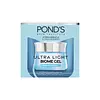
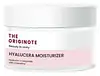
Pond's Hydra Miracle Ultra Light Biome Gel Cera-Hyamino Moisturizer Versus The Originote Hyalucera Moisturizer


What's inside
What's inside
 Key Ingredients
Benefits
Concerns
Ingredients Side-by-side
Water
Skin ConditioningDimethicone
Emollient

Glycerin
Humectant

Niacinamide
Smoothing









Butylene Glycol
Humectant
Ammonium Acryloyldimethyltaurate/Vp Copolymer
Sodium Acetylated Hyaluronate
Humectant
Sodium Hyaluronate
Humectant
Sodium Hyaluronate Crosspolymer
Humectant
Hydrolyzed Sodium Hyaluronate
Skin Conditioning
Ceramide NP
Skin Conditioning
Ceramide AP
Skin Conditioning
Ceramide EOP
Skin Conditioning
Saccharide Isomerate
Humectant
Hydrolyzed Collagen
Emollient
Phenoxyethanol
Preservative
Ammonium Acryloyldimethyltaurate/Beheneth-25 Methacrylate Crosspolymer
Emulsion StabilisingStearic Acid
Cleansing

Palmitic Acid
Emollient
Linoleamidopropyl Pg-Dimonium Chloride Phosphate
Propylene Glycol
Humectant

Tocopheryl Acetate
Antioxidant

Caprylic/Capric Triglyceride
Masking
Disodium EDTA
BHT
Antioxidant
Triethanolamine
BufferingSodium PCA
Humectant
Parfum
Masking

Pentylene Glycol
Skin Conditioning
Benzophenone-4
UV Absorber
PEG-4 Laurate
Emulsifying
T-Butyl Alcohol
Perfuming

Sodium Citrate
BufferingCitric Acid
Buffering
Sodium Hydroxide
BufferingIodopropynyl Butylcarbamate
Preservative
Ethylhexylglycerin
Skin ConditioningSodium Metabisulfite
Antioxidant
Sodium Bisulfite
Antioxidant
Sodium Carbonate
BufferingSodium Lauroyl Lactylate
EmulsifyingGlycine
Buffering
Squalane
Emollient
Cystine
MaskingPanthenol
Skin Conditioning
Sodium Chloride
MaskingPhytosphingosine
Skin Conditioning
Xanthan Gum
EmulsifyingCholesterol
Emollient
Carbomer
Emulsion StabilisingSodium Benzoate
Masking
Water, Dimethicone, Glycerin, Niacinamide, Butylene Glycol, Ammonium Acryloyldimethyltaurate/Vp Copolymer, Sodium Acetylated Hyaluronate, Sodium Hyaluronate, Sodium Hyaluronate Crosspolymer, Hydrolyzed Sodium Hyaluronate, Ceramide NP, Ceramide AP, Ceramide EOP, Saccharide Isomerate, Hydrolyzed Collagen, Phenoxyethanol, Ammonium Acryloyldimethyltaurate/Beheneth-25 Methacrylate Crosspolymer, Stearic Acid, Palmitic Acid, Linoleamidopropyl Pg-Dimonium Chloride Phosphate, Propylene Glycol, Tocopheryl Acetate, Caprylic/Capric Triglyceride, Disodium EDTA, BHT, Triethanolamine, Sodium PCA, Parfum, Pentylene Glycol, Benzophenone-4, PEG-4 Laurate, T-Butyl Alcohol, Sodium Citrate, Citric Acid, Sodium Hydroxide, Iodopropynyl Butylcarbamate, Ethylhexylglycerin, Sodium Metabisulfite, Sodium Bisulfite, Sodium Carbonate, Sodium Lauroyl Lactylate, Glycine, Squalane, Cystine, Panthenol, Sodium Chloride, Phytosphingosine, Xanthan Gum, Cholesterol, Carbomer, Sodium Benzoate
Water
Skin ConditioningGlycerin
Humectant
Butylene Glycol
Humectant
Glycereth-26
Humectant
1,2-Hexanediol
Skin Conditioning
Hydroxyacetophenone
Antioxidant
Acrylates/C10-30 Alkyl Acrylate Crosspolymer
Emulsion StabilisingPanthenol
Skin Conditioning
Hydroxyethylpiperazine Ethane Sulfonic Acid
BufferingDiglycerin
Humectant
Propylene Glycol
Humectant
Triethanolamine
BufferingMethylpropanediol
SolventSodium Hyaluronate
Humectant
Allantoin
Skin Conditioning
Glucose
Humectant
Sophora Angustifolia Root Extract
Skin ConditioningStephania Tetrandra Root Extract
Skin ConditioningHydrolyzed Hyaluronic Acid
Humectant
Cnidium Monnieri Fruit Extract
HumectantGlycyrrhiza Uralensis Root Extract
Skin Conditioning
Phellodendron Amurense Bark Extract
Skin ConditioningPhenoxyethanol
Preservative
Caprylic/Capric Triglyceride
Masking
Chlorella Vulgaris Extract
Skin ConditioningSpirulina Platensis Extract
Skin ProtectingHydrogenated Lecithin
Emulsifying
Chlorphenesin
Antimicrobial
Hexylene Glycol
EmulsifyingStearic Acid
Cleansing
Cholesterol
Emollient
Ceramide NP
Skin Conditioning
Water, Glycerin, Butylene Glycol, Glycereth-26, 1,2-Hexanediol, Hydroxyacetophenone, Acrylates/C10-30 Alkyl Acrylate Crosspolymer, Panthenol, Hydroxyethylpiperazine Ethane Sulfonic Acid, Diglycerin, Propylene Glycol, Triethanolamine, Methylpropanediol, Sodium Hyaluronate, Allantoin, Glucose, Sophora Angustifolia Root Extract, Stephania Tetrandra Root Extract, Hydrolyzed Hyaluronic Acid, Cnidium Monnieri Fruit Extract, Glycyrrhiza Uralensis Root Extract, Phellodendron Amurense Bark Extract, Phenoxyethanol, Caprylic/Capric Triglyceride, Chlorella Vulgaris Extract, Spirulina Platensis Extract, Hydrogenated Lecithin, Chlorphenesin, Hexylene Glycol, Stearic Acid, Cholesterol, Ceramide NP
Reviews
Ingredients Explained
These ingredients are found in both products.
Ingredients higher up in an ingredient list are typically present in a larger amount.
Butylene Glycol (or BG) is used within cosmetic products for a few different reasons:
Overall, Butylene Glycol is a safe and well-rounded ingredient that works well with other ingredients.
Though this ingredient works well with most skin types, some people with sensitive skin may experience a reaction such as allergic rashes, closed comedones, or itchiness.
Learn more about Butylene GlycolThis ingredient is a lightweight emollient, solvent, and texture enhancer. It is considered a skin-softener by helping the skin prevent moisture loss.
It helps thicken a product's formula and makes it easier to spread by dissolving clumping compounds.
Caprylic Triglyceride is made by combining glycerin with coconut oil, forming a clear liquid. Though it behaves like an oil, it is not technically one due to its chemical composition. It is very stable, resistant to oxidation, and unlikely to go rancid. In practice, that translates to a long shelf life and a consistently elegant skin feel.
While there is an assumption Caprylic Triglyceride can clog pores due to it being derived from coconut oil, there is no research supporting this. Be sure to patch test if you have concerns.
Fractionated coconut oil and MCT Oil are both listed as Caprylic/Capric Triglyceride according to INCI. This is because INCI names are based on the ingredient’s final chemical composition and not its marketing name or source.
Learn more about Caprylic/Capric TriglycerideCeramide NP (formerly known as Ceramide 3) is one of the skin's naturally occurring lipids.
Since ceramides are the major lipid components of the skin, they are crucial for maintaining skin barrier and hydration. Ceramide NP most closely mirrors the dominant kind in human skin amongst ceramide subtypes.
This ceramide works by slotting into gaps within the stratum corneum's lipid matrix to limit trans-epidermal water loss (TEWL) and shield the skin against external irritants.
A study with 312 patients found that using a ceramide-containing routine for 4 weeks reduced the severity of atopic dermatitis by over 61%.
Another clinical study in subjects aged 60 and older found that a ceramide body wash and moisturizer improved skin dryness and itchy skin in 15 days.
Overall, ceramides are considered non-irritating and safety tests have found little to no observable adverse effects from using this ingredient.
Ceramide NP is usually sourced from plants (like soybean or rice bran), or produced synthetically.
Learn more about Ceramide NPCholesterol is a lipid that is naturally found in human skin and is one of the three key components of your skin barrier. In skincare, it is an emollient and barrier-repairing ingredient.
It works by fitting directly into the lipid layers of skin to help restore structure and reduce transepidermal water loss (TEWL).
This is a great ingredient for dry, compromised, or aging skin; our skin starts to produce less cholesterol with age.
Research shows cholesterol works best in combination with ceramides and fatty acids, the other two major components in your skin barrier.
Cholesterol is also a well-establish penetration enhancer and can help other actives absorb more effectively.
Cosmetic-grade cholesterol is usually derived from lanolin but plant and synthetic options also exist. We recommend reaching out to the brand if you have questions about their source of cholesterol.
Learn more about CholesterolGlycerin (or glycerol) is a compound naturally found in your skin. It's a powerhouse humectant that pulls water into the stratum corneum.
Topically, glycerin does several things at once:
Your skin makes glycerin on its own (mostly from sebaceous oil breakdown) and shuttles it to your outermost layer of skin, or your epidermis, via aquaporin-3.
Aquaporin-3 is a transporter that is essential for normal skin hydration, elasticity, and repair. Interestingly, mice lacking in AQP3 have dry and less elastic skin that can be fully corrected with glycerin.
This ingredient is non-irritating, plays well with almost every ingredient, and works across all skin types. Typical use is anywhere between 3-10% but can go up to 79% in some leave-on products.
Just know very high concentrations (>40%) can feel tacky in low humidity.
Glycerin is the name for this ingredient in American English. British English uses Glycerol/Glycerine.
Learn more about GlycerinPanthenol is a common ingredient that helps hydrate and soothe the skin. It is found naturally in our skin and hair.
There are two forms of panthenol: D and L.
D-panthenol is also known as dexpanthenol. Most cosmetics use dexpanthenol or a mixture of D and L-panthenol.
Panthenol is famous due to its ability to go deeper into the skin's layers. Using this ingredient has numerous pros (and no cons):
Like hyaluronic acid, panthenol is a humectant. Humectants are able to bind and hold large amounts of water to keep skin hydrated.
This ingredient works well for wound healing. It works by increasing tissue in the wound and helps close open wounds.
Once oxidized, panthenol converts to pantothenic acid. Panthothenic acid is found in all living cells.
This ingredient is also referred to as pro-vitamin B5.
Learn more about PanthenolPhenoxyethanol is a preservative that has germicide, antimicrobial, and aromatic properties. Studies show that phenoxyethanol can prevent microbial growth. By itself, it has a scent that is similar to that of a rose.
It's often used in formulations along with Caprylyl Glycol to preserve the shelf life of products.
Propylene Glycol is a synthetic, colorless, odorless liquid that has been a staple in cosmetics for decades. It is a skin conditioning agent, humectant, and solvent.
As a humectant, it draw water to the skin to reduce flaking and restore suppleness. It's also a solvent that helps dissolve other actives and keeps formulas stable across temperature changes.
The CIR Expert Panel has confirmed this ingredient to be nontoxic and clinical studies show no sensitization at cosmetic use concentrations.
True allergic reactions are quite rare: a 15-year retrospective study of 6,751 patients found only 0.31% had a positive reaction (and less than half were considered clinically relevant).
It seemed that when sensitization does occur, it's most commonly linked to topical medication (like corticosteroids) and not cosmetics. Allergic contact dermatitis also appears largely limited to individuals with underlying skin conditions.
Overall, propylene glycol is a well-studied ingredient that most people can tolerate without issue.
Learn more about Propylene GlycolSodium Hyaluronate is the salt form of hyaluronic acid. It is a long sugar chain that is naturally found in your skin, joints, and connective tissue that maintains hydration and elasticity.
In skincare, it works as a humectant. It pulls water from the environment and deeper layers of skin and binds it to the surface.
Interestingly, the size of the molecule affects its behavior:
Some clinical evidence links low molecular weight versions to improved wrinkle depth, elasticity, anti-inflammatory effects, and barrier repair.
Many serums use a blend of both weights so you can get surface hydration plus longer-lasting and deeper effects.
You'll typically see concentrations between 0.1-2% for this ingredient.
Learn more about Sodium HyaluronateStearic Acid is a fatty acid that is already found in your skin. It's one of the free fatty acids that works alongside ceramides and cholesterols to maintain your barrier.
In cosmetics, it is a multitasker:
Safety-wise, the CIR Expert Panel has concluded it to be safe in cosmetics when formulated to be non-irritating and non-sensitizing.
Free stearic acid is a C18 fatty acid that the Malassezia yeast can substrate, so this ingredient may not be fungal acne safe.
Learn more about Stearic AcidTriethanolamine (TEA) is an emulsifier and pH adjuster. It is created using ethylene oxide and ammonia. This gives Triethanolamine a nitrogen core and a similar scent to ammonia.
As an emulsifier, it prevents ingredients from separating and enhances texture by adding volume to a product.
PH adjusters are common in cosmetic products. The pH of a product can affect the effectiveness of other ingredients. A product with a high pH may also irritate the skin.
If you are looking for the tea leaf ingredient, click here.
Learn more about TriethanolamineWater. It's the most common cosmetic ingredient of all. You'll usually see it at the top of ingredient lists, meaning that it makes up the largest part of the product.
So why is it so popular? Water most often acts as a solvent - this means that it helps dissolve other ingredients into the formulation.
You'll also recognize water as that liquid we all need to stay alive. If you see this, drink a glass of water. Remember to stay hydrated!
Learn more about Water
