Pond's Bright Miracle Ultimate Clarity Serum Burst Cream Versus bareMinerals SKINLONGEVITY Long Life Herb Night Treatment
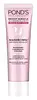
This brightening day moisturizer is formulated around Niacinamide and Ceramide NP to brighten dull-looking skin and fade the look of dark spots.
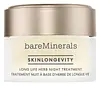
This anti-aging day moisturizer is formulated around Zingiber Officinale Root Extract and Niacinamide to soften the look of wrinkles.

What's inside
What's inside
 Key Ingredients
Benefits
Concerns
Ingredients Side-by-side
Water
Skin ConditioningCyclopentasiloxane
Emollient
Butylene Glycol
Humectant

Niacinamide
Smoothing










Glycerin
Humectant
Dimethicone
Emollient
Potassium Chloride
4-Ethylresorcinol
AntimicrobialCeramide NP
Skin Conditioning
Ceramide AP
Skin Conditioning
Ceramide EOP
Skin Conditioning
Bifida Ferment Lysate
Skin Conditioning
Sodium Hyaluronate
Humectant
Sodium Hyaluronate Crosspolymer
Humectant
Hydrolyzed Sodium Hyaluronate
Skin Conditioning
Sodium Acetylated Hyaluronate
Humectant
Cystine
MaskingGlycine
Buffering
Sodium PCA
Humectant
Cholesterol
Emollient
Dimethicone/PEG-10/15 Crosspolymer
Phenoxyethanol
Preservative
Parfum
Masking




PEG-9 Polydimethylsiloxyethyl Dimethicone
Emulsifying
Disodium EDTA
PEG-4 Laurate
Emulsifying
Dipropylene Glycol
HumectantIodopropynyl Butylcarbamate
Preservative
Potassium Hydroxide
BufferingSodium Citrate
BufferingTocopherol
Antioxidant

Sodium Hydroxide
BufferingPentylene Glycol
Skin Conditioning
Sodium Lauroyl Lactylate
EmulsifyingPhytosphingosine
Skin Conditioning
Ethylhexylglycerin
Skin ConditioningXanthan Gum
EmulsifyingCarbomer
Emulsion StabilisingSodium Benzoate
Masking
Water, Cyclopentasiloxane, Butylene Glycol, Niacinamide, Glycerin, Dimethicone, Potassium Chloride, 4-Ethylresorcinol, Ceramide NP, Ceramide AP, Ceramide EOP, Bifida Ferment Lysate, Sodium Hyaluronate, Sodium Hyaluronate Crosspolymer, Hydrolyzed Sodium Hyaluronate, Sodium Acetylated Hyaluronate, Cystine, Glycine, Sodium PCA, Cholesterol, Dimethicone/PEG-10/15 Crosspolymer, Phenoxyethanol, Parfum, PEG-9 Polydimethylsiloxyethyl Dimethicone, Disodium EDTA, PEG-4 Laurate, Dipropylene Glycol, Iodopropynyl Butylcarbamate, Potassium Hydroxide, Sodium Citrate, Tocopherol, Sodium Hydroxide, Pentylene Glycol, Sodium Lauroyl Lactylate, Phytosphingosine, Ethylhexylglycerin, Xanthan Gum, Carbomer, Sodium Benzoate
Zingiber Officinale Root Extract
Masking
Water
Skin ConditioningButylene Glycol
Humectant
Dipropylene Glycol
HumectantGlycerin
Humectant
Methyl Trimethicone
Skin Conditioning
Dimethicone
Emollient
Niacinamide
Smoothing
Polyglyceryl-3 Polydimethylsiloxyethyl Dimethicone
Skin Conditioning
Caprylyl Methicone
Skin Conditioning
Lauroyl Lysine
Skin Conditioning
Trehalose
Humectant
Gluconolactone
Skin Conditioning
Mangifera Indica Seed Butter
Skin Conditioning
Eschscholzia Californica Leaf Cell Extract
Skin ProtectingHypericum Erectum Flower/Leaf/Stem Extract
Skin ConditioningTheobroma Grandiflorum Seed Butter
Skin Conditioning
Chondrus Crispus Extract
Skin Conditioning
Peucedanum Japonicum Leaf/Stem Extract
HumectantZingiber Aromaticus Extract
Skin ConditioningOrbignya Oleifera Seed Oil
Emollient
Sodium Hyaluronate
Humectant
Phospholipids
Skin Conditioning
Phytosteryl/Octyldodecyl Lauroyl Glutamate
Skin ConditioningSqualane
Emollient
Hydrolyzed Hyaluronic Acid
Humectant
Sodium PCA
Humectant
Lauryl Betaine
CleansingIsostearic Acid
Cleansing
Dimethicone/Polyglycerin-3 Crosspolymer
Cleansing
Sodium Citrate
BufferingXanthan Gum
EmulsifyingPolymethylsilsesquioxane
Citric Acid
Buffering
Sodium Metaphosphate
BufferingTocopherol
Antioxidant
Tocopheryl Acetate
Antioxidant
Sodium Chloride
MaskingAlcohol
Antimicrobial

Parfum
Masking
Limonene
Perfuming
Linalool
Perfuming
Geraniol
Perfuming
Citral
Perfuming
Sodium Benzoate
Masking
Benzyl Alcohol
Perfuming
Sodium Metabisulfite
Antioxidant
Phenoxyethanol
Preservative
Zingiber Officinale Root Extract, Water, Butylene Glycol, Dipropylene Glycol, Glycerin, Methyl Trimethicone, Dimethicone, Niacinamide, Polyglyceryl-3 Polydimethylsiloxyethyl Dimethicone, Caprylyl Methicone, Lauroyl Lysine, Trehalose, Gluconolactone, Mangifera Indica Seed Butter, Eschscholzia Californica Leaf Cell Extract, Hypericum Erectum Flower/Leaf/Stem Extract, Theobroma Grandiflorum Seed Butter, Chondrus Crispus Extract, Peucedanum Japonicum Leaf/Stem Extract, Zingiber Aromaticus Extract, Orbignya Oleifera Seed Oil, Sodium Hyaluronate, Phospholipids, Phytosteryl/Octyldodecyl Lauroyl Glutamate, Squalane, Hydrolyzed Hyaluronic Acid, Sodium PCA, Lauryl Betaine, Isostearic Acid, Dimethicone/Polyglycerin-3 Crosspolymer, Sodium Citrate, Xanthan Gum, Polymethylsilsesquioxane, Citric Acid, Sodium Metaphosphate, Tocopherol, Tocopheryl Acetate, Sodium Chloride, Alcohol, Parfum, Limonene, Linalool, Geraniol, Citral, Sodium Benzoate, Benzyl Alcohol, Sodium Metabisulfite, Phenoxyethanol
Ingredients Explained
These ingredients are found in both products.
Ingredients higher up in an ingredient list are typically present in a larger amount.
Butylene Glycol (or BG) is used within cosmetic products for a few different reasons:
Overall, Butylene Glycol is a safe and well-rounded ingredient that works well with other ingredients.
Though this ingredient works well with most skin types, some people with sensitive skin may experience a reaction such as allergic rashes, closed comedones, or itchiness.
Learn more about Butylene GlycolDimethicone is a type of synthetic silicone created from natural materials such as quartz. It is also known as polydimethylsiloxane.
What it does:
Dimethicone comes in different viscosities:
Depending on the viscosity, dimethicone has different properties.
Ingredients lists don't always show which type is used, so we recommend reaching out to the brand if you have questions about the viscosity.
This ingredient is unlikely to cause irritation because it does not get absorbed into skin. However, people with silicone allergies should be careful about using this ingredient.
Note: Dimethicone may contribute to pilling. This is because it is not oil or water soluble, so pilling may occur when layered with products. When mixed with heavy oils in a formula, the outcome is also quite greasy.
Learn more about DimethiconeDipropylene Glycol is a synthetically created humectant, stabilizer, and solvent.
This ingredient helps:
Dipropylene glycol is technically an alcohol, but it belongs to the glycol family (often considered part of the ‘good’ alcohols). This means it is hydrating and gentle on skin unlike drying solvent alcohols like denatured alcohol.
As a masking agent, Dipropylene Glycol can be used to cover the smell of other ingredients. However, it does not have a scent.
Studies show Dipropylene Glycol is considered safe to use in skincare.
Learn more about Dipropylene GlycolGlycerin (or glycerol) is a compound naturally found in your skin. It's a powerhouse humectant that pulls water into the stratum corneum.
Topically, glycerin does several things at once:
Your skin makes glycerin on its own (mostly from sebaceous oil breakdown) and shuttles it to your outermost layer of skin, or your epidermis, via aquaporin-3.
Aquaporin-3 is a transporter that is essential for normal skin hydration, elasticity, and repair. Interestingly, mice lacking in AQP3 have dry and less elastic skin that can be fully corrected with glycerin.
This ingredient is non-irritating, plays well with almost every ingredient, and works across all skin types. Typical use is anywhere between 3-10% but can go up to 79% in some leave-on products.
Just know very high concentrations (>40%) can feel tacky in low humidity.
Glycerin is the name for this ingredient in American English. British English uses Glycerol/Glycerine.
Learn more about GlycerinNiacinamide is a multitasking form of vitamin B3 that strengthens the skin barrier, reduces pores and dark spots, regulates oil, and improves signs of aging.
And the best part? It's gentle and well-tolerated by most skin types, including sensitive and reactive skin.
You might have heard of "niacin flush", or the reddening of skin that causes itchiness. Niacinamide has not been found to cause this.
In very rare cases, some individuals may not be able to tolerate niacinamide at all or experience an allergic reaction to it.
If you are experiencing flaking, irritation, and dryness with this ingredient, be sure to double check all your products as this ingredient can be found in all categories of skincare.
When incorporating niacinamide into your routine, look out for concentration amounts. Typically, 5% niacinamide provides benefits such as fading dark spots. However, if you have sensitive skin, it is better to begin with a smaller concentration.
When you apply niacinamide to your skin, your body converts it into nicotinamide adenine dinucleotide (NAD). NAD is an essential coenzyme that is already found in your cells as "fuel" and powers countless biological processes.
In your skin, NAD helps repair cell damage, produce new healthy cells, support collagen production, strengthen the skin barrier, and fight environmental stressors (like UV and pollution).
Our natural NAD levels start to decline with age, leading to slower skin repair, visible aging, and a weaker skin barrier. By providing your skin niacinamide, you're recharging your skin's NAD levels. This leads to stronger, healthier, and younger looking skin.
Another name for vitamin B3 is nicotinamide. This vitamin is water-soluble and our bodies don't store it. We obtain Vitamin B3 from either food or skincare. Meat, fish, wheat, yeast, and leafy greens contain vitamin B3.
The type of niacinamide used in skincare is synthetically created.
Learn more about NiacinamideParfum is a catch-all term for an ingredient or more that is used to give a scent to products.
Also called "fragrance", this ingredient can be a blend of hundreds of chemicals or plant oils. This means every product with "fragrance" or "parfum" in the ingredients list is a different mixture.
For instance, Habanolide is a proprietary trade name for a specific aroma chemical. When used as a fragrance ingredient in cosmetics, most aroma chemicals fall under the broad labeling category of “FRAGRANCE” or “PARFUM” according to EU and US regulations.
The term 'parfum' or 'fragrance' is not regulated in many countries. In many cases, it is up to the brand to define this term.
For instance, many brands choose to label themselves as "fragrance-free" because they are not using synthetic fragrances. However, their products may still contain ingredients such as essential oils that are considered a fragrance by INCI standards.
One example is Calendula flower extract. Calendula is an essential oil that still imparts a scent or 'fragrance'.
Depending on the blend, the ingredients in the mixture can cause allergies and sensitivities on the skin. Some ingredients that are known EU allergens include linalool and citronellol.
Parfum can also be used to mask or cover an unpleasant scent.
The bottom line is: not all fragrances/parfum/ingredients are created equally. If you are worried about fragrances, we recommend taking a closer look at an ingredient. And of course, we always recommend speaking with a professional.
Learn more about ParfumPhenoxyethanol is one of the most widely used preservatives in skincare (and for good reason!).
It has a large spectrum of antimicrobial activity and especially effective bacteria, yeast, and mold while only having a weak effect on your skin's natural microbiome.
On a cellular level, it disrupts the cell membranes of microbes by poking holes that make the cell leak. This shuts down the chemical reactions the microbe needs to make energy so it can no longer survive.
Another perk of this ingredient is that it stays functional across a wide pH range (3-10).
You'll often see it paired with boosters like Ethylhexylglycerin; one study showed that a 1:9 ratio of Ethylhexylglycerin to Phenoxyethanol damages bacterial membranes as effectively as doubling the Phenoxyethanol concentration on its own.
Typical use concentrations range from 0.3-1% depending on the formula, and this ingredient is capped at 1% int the EU.
Safety-wise, the fear mongering does not hold up to the evidence. The EU's Scientific Committee on Consumer Safety and FDA consider it safe as a preservative at up to 1%, including for children of all ages.
Adverse systemic effects only showed up in animal studies at exposures roughly 200x higher than what people get from cosmetics. And despite its very widespread use, this ingredient is a rare sensitizer and allergic reactions are uncommon.
Learn more about PhenoxyethanolSodium Benzoate is a preservative. It's used in both cosmetic and food products to inhibit the growth of mold and bacteria. It is typically produced synthetically.
Both the US FDA and EU Health Committee have approved the use of sodium benzoate. In the US, levels of 0.1% (of the total product) are allowed.
Sodium benzoate works as a preservative by inhibiting the growth of bacteria inside of cells. It prevents the cell from fermenting a type of sugar using an enzyme called phosphofructokinase.
It is the salt of benzoic acid. Foods containing sodium benzoate include soda, salad dressings, condiments, fruit juices, wines, and snack foods.
Studies for using ascorbic acid and sodium benzoate in cosmetics are lacking, especially in skincare routines with multiple steps.
We always recommend speaking with a professional, such as a dermatologist, if you have any concerns.
Learn more about Sodium BenzoateSodium Citrate is the sodium salts of citric acid. In skincare, it is used to alter pH levels and acts as a preservative.
Its main functions are to maintain the pH of a product and neutralize metal ions.
The acidity of our skin is maintained by our glands and skin biome; normal pH level of skin is slightly acidic (~4.75-5.5).
Being slightly acidic allows our skin to create an "acid mantle". This acid mantle is a thin barrier that protects our skin from bacteria and contaminants.
Learn more about Sodium CitrateSodium Hyaluronate is the salt form of hyaluronic acid. It is a long sugar chain that is naturally found in your skin, joints, and connective tissue that maintains hydration and elasticity.
In skincare, it works as a humectant. It pulls water from the environment and deeper layers of skin and binds it to the surface.
Interestingly, the size of the molecule affects its behavior:
Some clinical evidence links low molecular weight versions to improved wrinkle depth, elasticity, anti-inflammatory effects, and barrier repair.
Many serums use a blend of both weights so you can get surface hydration plus longer-lasting and deeper effects.
You'll typically see concentrations between 0.1-2% for this ingredient.
Learn more about Sodium HyaluronateSodium PCA (the salt of PCA) is one of the most well-established humectants in skincare.
Why is it so special? Your skin already makes it naturally; it's a natural component of your skin's Natural Moisturizing Factor (NMF), or the mix of water-binding compounds inside your skin cells that keeps things soft and hydrated.
As a cosmetic ingredient, it grabs water and holds it in the upper layers of skin to smooth roughness and ease dehydration.
There's some clinical support for the NMF approach with a study showing that a cream built to mimic the skin's NMF significantly boosted hydration.
Safety-wise, this ingredient non-irritating, non-comedogenic, and non-phototoxic in testing, with minimal skin absorption.
It also works really well with other hydrators like glycerin or hyaluronic acid, and typical usage is somewhere between 0.2-4%.
Learn more about Sodium PCATocopherol is a fat-soluble antioxidant known as Vitamin E.
You'll find this ingredient in the vast majority of skincare (for good reason). It works to neutralize free radicals, or unstable molecules generated by UV exposure, pollution, and other environmental stressors, before they can cause oxidative damage to your skin cells.
Topically applied tocopherol has been shown to protect against UV damage by ramping up the skin's own natural defense enzymes.
It also acts as a skin conditioning agent; some studies show that regular topical use can improve the skin's water-binding capacity over 2-4 weeks.
This ingredient is especially loved for being a team player. When combined with Vitamin C, the photoprotective effect of both ingredients roughly doubles and the combo also helps reduce UV-induced DNA damage.
This ingredient has some brightening potential but it's more of a prevention ingredient than spot-fader. Cell studies show it can slow down melanin production but it's worth noting that it's not the most powerful brightener out there.
In formulations, it also serves as a stabilizer that helps protect other oxidation-prone ingredients from degrading.
Concentrations usually range from 0.1-1% in most leave-on products.
Learn more about TocopherolWater. It's the most common cosmetic ingredient of all. You'll usually see it at the top of ingredient lists, meaning that it makes up the largest part of the product.
So why is it so popular? Water most often acts as a solvent - this means that it helps dissolve other ingredients into the formulation.
You'll also recognize water as that liquid we all need to stay alive. If you see this, drink a glass of water. Remember to stay hydrated!
Learn more about WaterXanthan gum is used as a stabilizer and thickener within cosmetic products. It helps give products a sticky, thick feeling - preventing them from being too runny.
On the technical side of things, xanthan gum is a polysaccharide - a combination consisting of multiple sugar molecules bonded together.
Xanthan gum is a pretty common and great ingredient. It is a natural, non-toxic, non-irritating ingredient that is also commonly used in food products.
Learn more about Xanthan Gum

