

What's inside
What's inside
 Key Ingredients
Benefits
Concerns
Ingredients Side-by-side
Water
Skin ConditioningC12-15 Alkyl Benzoate
AntimicrobialDiethylamino Hydroxybenzoyl Hexyl Benzoate
UV Filter
Ethylhexyl Triazone
UV Absorber
Bis-Ethylhexyloxyphenol Methoxyphenyl Triazine
Skin Conditioning
Carbomer
Emulsion StabilisingButylene Glycol
Humectant
Betaine
Humectant


Caprylic/Capric Triglyceride
Masking
Helianthus Annuus Seed Oil
Emollient

Propanediol
Solvent
Cetearyl Olivate
Sorbitan Olivate
Emulsifying
Glycerin
Humectant

Cetearyl Alcohol
Emollient


Glyceryl Stearate
Emollient
Titanium Dioxide
Cosmetic Colorant
Zinc Oxide
Cosmetic Colorant
Triethoxycaprylylsilane

Centella Asiatica Extract
Cleansing

Hydrolyzed Sodium Hyaluronate
Skin Conditioning
Sodium Hyaluronate Crosspolymer
Humectant
Sodium Acetylated Hyaluronate
Humectant
Sodium Hyaluronate
Humectant
Argania Spinosa Kernel Oil
Emollient
Allantoin
Skin Conditioning
Phenoxyethanol
Preservative
Ethylhexylglycerin
Skin ConditioningPentylene Glycol
Skin ConditioningSodium Gluconate
Skin ConditioningCocos Nucifera Oil
Masking
Lecithin
Emollient
Xanthan Gum
EmulsifyingTocopheryl Acetate
Antioxidant

Citric Acid
Buffering




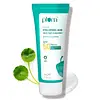
Water, C12-15 Alkyl Benzoate, Diethylamino Hydroxybenzoyl Hexyl Benzoate, Ethylhexyl Triazone, Bis-Ethylhexyloxyphenol Methoxyphenyl Triazine, Carbomer, Butylene Glycol, Betaine, Caprylic/Capric Triglyceride, Helianthus Annuus Seed Oil, Propanediol, Cetearyl Olivate, Sorbitan Olivate, Glycerin, Cetearyl Alcohol, Glyceryl Stearate, Titanium Dioxide, Zinc Oxide, Triethoxycaprylylsilane, Centella Asiatica Extract, Hydrolyzed Sodium Hyaluronate, Sodium Hyaluronate Crosspolymer, Sodium Acetylated Hyaluronate, Sodium Hyaluronate, Argania Spinosa Kernel Oil, Allantoin, Phenoxyethanol, Ethylhexylglycerin, Pentylene Glycol, Sodium Gluconate, Cocos Nucifera Oil, Lecithin, Xanthan Gum, Tocopheryl Acetate, Citric Acid
Water
Skin ConditioningAlcohol Denat.
Antimicrobial



Ethylhexyl Methoxycinnamate
UV Absorber
Ethylhexyl Triazone
UV Absorber
Isopropyl Palmitate
Emollient
Lauryl Methacrylate/Sodium Methacrylate Crosspolymer
Diethylamino Hydroxybenzoyl Hexyl Benzoate
UV Filter
Hydrogenated Polyisobutene
EmollientBis-Ethylhexyloxyphenol Methoxyphenyl Triazine
Skin Conditioning
Dextrin Palmitate
Emulsifying
Butylene Glycol
Humectant
Xylitol
Humectant
Acrylates/C10-30 Alkyl Acrylate Crosspolymer
Emulsion StabilisingDimethicone
Emollient
C12-15 Alkyl Benzoate
AntimicrobialGlycerin
Humectant
Glyceryl Stearate
Emollient
Propanediol
Solvent
Glyceryl Behenate
Emollient
Vinyl Dimethicone/Methicone Silsesquioxane Crosspolymer
Cetearyl Alcohol
Emollient
Agar
MaskingSorbitan Distearate
EmollientIsoceteth-20
Emulsifying
Polyvinyl Alcohol
Dimethicone/Vinyl Dimethicone Crosspolymer
Skin Conditioning
Sodium Stearoyl Glutamate
CleansingArginine
Masking
Potassium Hydroxide
BufferingSodium Hydroxide
BufferingRoyal Jelly Extract
Skin Conditioning
Sodium Hyaluronate
Humectant
Phenoxyethanol
Preservative
Disodium EDTA
BHT
Antioxidant
Parfum
Masking
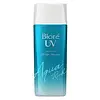
Water, Alcohol Denat., Ethylhexyl Methoxycinnamate, Ethylhexyl Triazone, Isopropyl Palmitate, Lauryl Methacrylate/Sodium Methacrylate Crosspolymer, Diethylamino Hydroxybenzoyl Hexyl Benzoate, Hydrogenated Polyisobutene, Bis-Ethylhexyloxyphenol Methoxyphenyl Triazine, Dextrin Palmitate, Butylene Glycol, Xylitol, Acrylates/C10-30 Alkyl Acrylate Crosspolymer, Dimethicone, C12-15 Alkyl Benzoate, Glycerin, Glyceryl Stearate, Propanediol, Glyceryl Behenate, Vinyl Dimethicone/Methicone Silsesquioxane Crosspolymer, Cetearyl Alcohol, Agar, Sorbitan Distearate, Isoceteth-20, Polyvinyl Alcohol, Dimethicone/Vinyl Dimethicone Crosspolymer, Sodium Stearoyl Glutamate, Arginine, Potassium Hydroxide, Sodium Hydroxide, Royal Jelly Extract, Sodium Hyaluronate, Phenoxyethanol, Disodium EDTA, BHT, Parfum
Reviews
Ingredients Explained
These ingredients are found in both products.
Ingredients higher up in an ingredient list are typically present in a larger amount.
You might know this ingredient as Tinosorb S or Bemotrizinol. It is a UV filter that covers both UVA and UVB rays.
This ingredient has two peak UV absorption peaks ( 310 and 340 nm) and is able to absorb both UV-A and UV-B rays. This ingredient works by preventing UV rays from reaching and damaging your skin.
On top of that - it is highly photostable and helps prevent the photodegration of other sunscreen ingredients such as avobenzone.
Tinosorb S is allowed in the EU, Australia, and Asia. It is close to being approved by the FDA and we'll hopefully get this ingredient in the U.S. by late 2025.
Fun fact: Tinosorb S is the most effective UV absorber at maximum concentration (measured by SPF) permitted in the EU.
This ingredient is oil-soluble, so your oil-cleansers will take this right off at night.
Learn more about Bis-Ethylhexyloxyphenol Methoxyphenyl TriazineButylene Glycol (or BG) is used within cosmetic products for a few different reasons:
Overall, Butylene Glycol is a safe and well-rounded ingredient that works well with other ingredients.
Though this ingredient works well with most skin types, some people with sensitive skin may experience a reaction such as allergic rashes, closed comedones, or itchiness.
Learn more about Butylene GlycolC12-15 Alkyl Benzoate is made up of Benzoic Acid and long chain alcohols. It has a low molecular weight.
C12-15 Alkyl Benzoate is an emollient and texture enhancer. Due to its solubility, it is often used in sunscreens to help evenly distribute active ingredients.
As an emollient, C12-15 Alkyl Benzoate helps soften and hydrate your skin. Emollients create a film on your skin that traps moisture within.
This ingredient has been reported to cause eye irritation.
Learn more about C12-15 Alkyl BenzoateCetearyl alcohol is a mixture of two fatty alcohols: cetyl alcohol and stearyl alcohol. It is mainly used as an emulsifier. Emulsifiers help prevent the separation of oils and products. Due to its composition, it can also be used to thicken a product or help create foam.
Cetearyl alcohol is an emollient. Emollients help soothe and hydrate the skin by trapping moisture.
Studies show Cetearyl alcohol is non-toxic and non-irritating. The FDA allows products labeled "alcohol-free" to have fatty alcohols.
This ingredient is usually derived from plant oils such as palm, vegetable, or coconut oils. There is debate on whether this ingredient will cause acne.
Due to the fatty acid base, this ingredient may not be Malassezia folliculitis safe.
Learn more about Cetearyl AlcoholDiethylamino Hydroxybenzoyl Hexyl Benzoate (DHHB) is a chemical UV-A absorber. It is formulated for high UVA protection (320-400 nm).
DHHB is well-liked for:
DHHB has been approved by the EU, Japan, Taiwan, and South America for use up to 10%. Unfortunately, it has not been approved for use in the US or Canada due to slow regulatory processes.
This ingredient is soluble in oils, fats, and lipids.
Learn more about Diethylamino Hydroxybenzoyl Hexyl BenzoateEthylhexyl Triazone is a modern chemical sunscreen that protects from UV-B radiation.
It is the most effective of existing UV-B filters, as it provides the highest level of photo-stable absorption. It protects from the entire UV-B range (280 to 320nm), with it's highest level of protection at 314nm.
Ethylhexyl Triazone is oil soluble, oderless and colorless, which mean it is able to be incorporated into a variety of different formulations.
It is not currently available within the United States due to slow changing FDA regulations. Outside of the US, it is used in formulations at concentrations up to 5%.
Learn more about Ethylhexyl TriazoneGlycerin is already naturally found in your skin. It helps moisturize and protect your skin.
A study from 2016 found glycerin to be more effective as a humectant than AHAs and hyaluronic acid.
As a humectant, it helps the skin stay hydrated by pulling moisture to your skin. The low molecular weight of glycerin allows it to pull moisture into the deeper layers of your skin.
Hydrated skin improves your skin barrier; Your skin barrier helps protect against irritants and bacteria.
Glycerin has also been found to have antimicrobial and antiviral properties. Due to these properties, glycerin is often used in wound and burn treatments.
In cosmetics, glycerin is usually derived from plants such as soybean or palm. However, it can also be sourced from animals, such as tallow or animal fat.
This ingredient is organic, colorless, odorless, and non-toxic.
Glycerin is the name for this ingredient in American English. British English uses Glycerol/Glycerine.
Learn more about GlycerinGlyceryl Stearate is a mix of glycerin and stearic acid.
It is used to stabilize the mixing of water and oil ingredients. By preventing these ingredients from separating, it can help elongate shelf life. It can also help thicken the product's texture.
As an emollient, it helps soften skin and supports barrier-replenishing ingredients.
In cosmetics, Glyceryl Stearate is often made from vegetable oils or synthetically produced.
This ingredient may not be fungal-acne safe
Fun fact: The human body also creates Glyceryl Stearate naturally.
Learn more about Glyceryl StearatePhenoxyethanol is a preservative that has germicide, antimicrobial, and aromatic properties. Studies show that phenoxyethanol can prevent microbial growth. By itself, it has a scent that is similar to that of a rose.
It's often used in formulations along with Caprylyl Glycol to preserve the shelf life of products.
Propanediol is an all-star ingredient. It softens, hydrates, and smooths the skin.
It’s often used to:
Propanediol is not likely to cause sensitivity and considered safe to use. It is derived from corn or petroleum with a clear color and no scent.
Learn more about PropanediolSodium Hyaluronate is hyaluronic acid's salt form. It is commonly derived from the sodium salt of hyaluronic acid.
Like hyaluronic acid, it is great at holding water and acts as a humectant. This makes it a great skin hydrating ingredient.
Sodium Hyaluronate is naturally occurring in our bodies and is mostly found in eye fluid and joints.
These are some other common types of Hyaluronic Acid:
Learn more about Sodium HyaluronateWater. It's the most common cosmetic ingredient of all. You'll usually see it at the top of ingredient lists, meaning that it makes up the largest part of the product.
So why is it so popular? Water most often acts as a solvent - this means that it helps dissolve other ingredients into the formulation.
You'll also recognize water as that liquid we all need to stay alive. If you see this, drink a glass of water. Stay hydrated!
Learn more about Water
