Pink By Pure Beauty Cica Soothe Cream Versus SKIN1004 Madagascar Centella Tone Brightening Capsule Ampoule
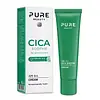
This calming eye moisturizer is formulated around Panthenol and Dipotassium Glycyrrhizate to calm redness and strengthen the skin barrier.
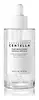
This brightening ampoule is formulated around Niacinamide and Tranexamic Acid to brighten dull-looking skin and fade the look of dark spots.


What's inside
What's inside
 Key Ingredients
Benefits
Concerns
No concerns
Ingredients Side-by-side
Water
Skin ConditioningPropanediol
Solvent

Dimethicone
Emollient

Butylene Glycol
Humectant
1,2-Hexanediol
Skin Conditioning
Caprylic/Capric Triglyceride
Masking
Cetearyl Alcohol
Emollient





Cetyl Ethylhexanoate
EmollientHydrogenated Vegetable Oil
Emollient
Polyglyceryl-3 Methylglucose Distearate
Emulsifying
Polymethyl Methacrylate

Cetearyl Olivate
Palmitic Acid
Emollient
Butyrospermum Parkii Butter
Skin Conditioning
Stearic Acid
Cleansing
Sorbitan Olivate
Emulsifying
Beeswax
Emulsion Stabilising
Glyceryl Stearate
Emollient
Helianthus Annuus Seed Oil
Emollient
Panthenol
Skin Conditioning

Dimethicone/Vinyl Dimethicone Crosspolymer
Skin Conditioning
Carbomer
Emulsion StabilisingTromethamine
BufferingSodium Polyacryloyldimethyl Taurate
Emulsion StabilisingHydroxyethyl Acrylate/Sodium Acryloyldimethyl Taurate Copolymer
Emulsion StabilisingParfum
Masking


Allantoin
Skin Conditioning
Dipotassium Glycyrrhizate
Humectant
Maltodextrin
Absorbent
Melia Azadirachta Leaf Extract
Skin ConditioningXanthan Gum
EmulsifyingDisodium EDTA
ChelatingSodium Hyaluronate
Humectant

Caramel
Cosmetic ColorantPolysorbate 60
Emulsifying
Sorbitan Isostearate
Emulsifying
Lespedeza Capitata Leaf/Stem Extract
Skin ConditioningMelia Azadirachta Flower Extract
Skin ConditioningMoringa Oleifera Seed Extract
Skin Conditioning
Arachidic Acid
Cleansing
Centella Asiatica Extract
Cleansing
Lactobacillus Ferment
Skin Conditioning
Lauric Acid
Cleansing
Myristic Acid
Cleansing
Oleic Acid
Emollient
Passiflora Edulis Fruit Extract
Skin ConditioningWater, Propanediol, Dimethicone, Butylene Glycol, 1,2-Hexanediol, Caprylic/Capric Triglyceride, Cetearyl Alcohol, Cetyl Ethylhexanoate, Hydrogenated Vegetable Oil, Polyglyceryl-3 Methylglucose Distearate, Polymethyl Methacrylate, Cetearyl Olivate, Palmitic Acid, Butyrospermum Parkii Butter, Stearic Acid, Sorbitan Olivate, Beeswax, Glyceryl Stearate, Helianthus Annuus Seed Oil, Panthenol, Dimethicone/Vinyl Dimethicone Crosspolymer, Carbomer, Tromethamine, Sodium Polyacryloyldimethyl Taurate, Hydroxyethyl Acrylate/Sodium Acryloyldimethyl Taurate Copolymer, Parfum, Allantoin, Dipotassium Glycyrrhizate, Maltodextrin, Melia Azadirachta Leaf Extract, Xanthan Gum, Disodium EDTA, Sodium Hyaluronate, Caramel, Polysorbate 60, Sorbitan Isostearate, Lespedeza Capitata Leaf/Stem Extract, Melia Azadirachta Flower Extract, Moringa Oleifera Seed Extract, Arachidic Acid, Centella Asiatica Extract, Lactobacillus Ferment, Lauric Acid, Myristic Acid, Oleic Acid, Passiflora Edulis Fruit Extract
Water
Skin ConditioningButylene Glycol
Humectant
Niacinamide
Smoothing




Glycerin
Humectant
Tranexamic Acid
Astringent
1,2-Hexanediol
Skin Conditioning
Betaine
Humectant
Centella Asiatica Extract
Cleansing
Zea Mays Starch
Absorbent
Xanthan Gum
EmulsifyingMicrocrystalline Cellulose
AbsorbentMannitol
Humectant
Panthenol
Skin Conditioning
Pentylene Glycol
Skin Conditioning
Ethylhexylglycerin
Skin ConditioningHydroxyethylcellulose
Emulsion StabilisingMadecassoside
Antioxidant
Acrylates/C10-30 Alkyl Acrylate Crosspolymer
Emulsion StabilisingArginine
Masking
Hydrogenated Lecithin
Emulsifying
Xylitylglucoside
Humectant
Anhydroxylitol
Humectant
Xylitol
Humectant
Glucose
Humectant
3-O-Ethyl Ascorbic Acid
Skin Conditioning
Lactobacillus Ferment
Skin Conditioning
Water, Butylene Glycol, Niacinamide, Glycerin, Tranexamic Acid, 1,2-Hexanediol, Betaine, Centella Asiatica Extract, Zea Mays Starch, Xanthan Gum, Microcrystalline Cellulose, Mannitol, Panthenol, Pentylene Glycol, Ethylhexylglycerin, Hydroxyethylcellulose, Madecassoside, Acrylates/C10-30 Alkyl Acrylate Crosspolymer, Arginine, Hydrogenated Lecithin, Xylitylglucoside, Anhydroxylitol, Xylitol, Glucose, 3-O-Ethyl Ascorbic Acid, Lactobacillus Ferment
Reviews
Ingredients Explained
These ingredients are found in both products.
Ingredients higher up in an ingredient list are typically present in a larger amount.
1,2-Hexanediol is a synthetic liquid and another multi-functional powerhouse.
It is a:
- Humectant, drawing moisture into the skin
- Emollient, helping to soften skin
- Solvent, dispersing and stabilizing formulas
- Preservative booster, enhancing the antimicrobial activity of other preservatives
Butylene Glycol (or BG) is used within cosmetic products for a few different reasons:
Overall, Butylene Glycol is a safe and well-rounded ingredient that works well with other ingredients.
Though this ingredient works well with most skin types, some people with sensitive skin may experience a reaction such as allergic rashes, closed comedones, or itchiness.
Learn more about Butylene GlycolCentella Asiatica Extract (Centella) is one of the most researched botanical extracts in skincare with decades of studies backing its effects on inflammation, collagen, and the skin barrier.
That research keeps pointing back to the same four triterpenoid saponins: Asiaticoside, Madecassoside, Asiatic Acid, and Madecassic Acid.
These compounds allow centella to dial back inflammation, encourage the skin to build and hold onto collagen, support the barrier and hydration, and bring solid antioxidant activity to protect against signs of aging.
Centella also carries a nice supporting cast of Vitamin A, vitamin C, several B vitamins, and amino acids. Put it all together and you get an ingredient that soothes, hydrates, and protects, all at once.
Most of centella's magic comes from the four big compounds (Asiaticoside, Madecassoside, Asiatic Acid, and Madecassic Acid). These are the actives doing the heavy lifting in almost every centella study.
Here is the short version of what they do in the skin:
So it is not just soothing for the sake of soothing. Centella calms the skin AND helps it rebuild.
Just FYI, not all centella on an ingredient list is the same. What you are getting actually depends on the extract:
Fun fact on the ratios: the leaves tend to be richest in Madecassoside and Asiaticoside, and lower in the two acids. The exact amounts shift with where the plant is grown and how it is processed. This means purity really does vary brand to brand.
Centella is one of the most easygoing actives out there.
It layers well with basically everything: niacinamide, hyaluronic acid, peptides, and vitamin C, and also pairs nicely with stronger actives like retinoids and exfoliating acids where it can help take the edge off irritation.
On the safety side, centella and its triterpenes are classified as weak sensitizers, meaning allergic reactions are possible but uncommon.
Patch tests at 1% and 5% came back negative in test panels, and creams at typical use levels did not cause allergic reactions across large groups of people.
But as with any new active, a patch test is still a smart move for very reactive skin.
Centella is widely used because it is effective at low percentages. For context, human safety testing found no meaningful irritation from creams containing centella extract at everyday use levels (the tested amounts were well under 1%).
The irritancy threshold in animal testing was also above 30% (so real-world formulas sit far below anything concerning).
In collagen lab studies, higher concentrations drove more collagen synthesis, so serums built around centella tend to feature it more prominently.
Bottom line: you will find centella working nicely anywhere from a fraction of a percent up to hero-ingredient levels depending on whether it is a supporting soother or the main event.
Fun fact: Centella has been used as a medicine and in food for many centuries. As a medicine, it is used to treat burns, scratches, and wounds.
Learn more about Centella Asiatica ExtractThis ingredient is made when the Lactobacillus bacteria (the same kind that makes yogurt and kimchi) are allowed to ferment a nutrient medium.
As it ferments, it collects lactic acid, peptides, enzymes, and other bioactive metabolites to provide:
A 2023 review noted that probiotic fermentation ingredients like this one can enhance antioxidant capacity, reduce UV-induced oxidative damage, and support barrier function.
One clinical study from the same year showed a Lactobacillus ferment lysate significantly reduced transepidermal water loss and improved skin hydration.
Another review highlighted that topical Lactobacillus-based preparations can improve ceramide levels in the stratum corneum, support barrier integrity, and even help reduce S. aureus colonization in atopic dermatitis.
Why is this so cool?
Basically, your skin's outer layer works as a brick wall; skin cells are bricks and ceramides are the mortar holding it together. Moisture escapes, irritants get in, and your skin gets dry and reactive when ceramide levels drop. On top of that, "bad" skin bacteria S. aureus loves to move in when your barrier is weak to make inflammation and irritation worse.
So Lactobacillus ferment is basically patching the wall and evicting the troublemaker when it boosts ceramide production and help keep S. aureus in check.
On top of all this, it also acts as a mild antimicrobial preservative booster.
Just so you know, most studies focus on specific strains or the lysate form rather than this generic "Lactobacillus Ferment", so results can vary.
Though it's a promising ingredient, it doesn't have decades of robust clinical data behind it just yet.
Lactobacillus Ferment is generally considered safe for fungal-acne prone skin. The key thing to understand is that it comes from bacteria, not yeast or fungus.
Yeast-derived ferments (like galactomyces) have been shown to activate a protein that's linked to Malassezia-related skin issues whereas lactobacillus doesn't have that problem.
Its byproducts also don't contain the types of fatty acids (C11-24 chain lengths) that Malassezia feeds on.
Learn more about Lactobacillus FermentPanthenol is a common ingredient that helps hydrate and soothe the skin. It is found naturally in our skin and hair.
There are two forms of panthenol: D and L.
D-panthenol is also known as dexpanthenol. Most cosmetics use dexpanthenol or a mixture of D and L-panthenol.
Panthenol is famous due to its ability to go deeper into the skin's layers. Using this ingredient has numerous pros (and no cons):
Like hyaluronic acid, panthenol is a humectant. Humectants are able to bind and hold large amounts of water to keep skin hydrated.
This ingredient works well for wound healing. It works by increasing tissue in the wound and helps close open wounds.
Once oxidized, panthenol converts to pantothenic acid. Panthothenic acid is found in all living cells.
This ingredient is also referred to as pro-vitamin B5.
Learn more about PanthenolWater. It's the most common cosmetic ingredient of all. You'll usually see it at the top of ingredient lists, meaning that it makes up the largest part of the product.
So why is it so popular? Water most often acts as a solvent - this means that it helps dissolve other ingredients into the formulation.
You'll also recognize water as that liquid we all need to stay alive. If you see this, drink a glass of water. Remember to stay hydrated!
Learn more about WaterXanthan gum is used as a stabilizer and thickener within cosmetic products. It helps give products a sticky, thick feeling - preventing them from being too runny.
On the technical side of things, xanthan gum is a polysaccharide - a combination consisting of multiple sugar molecules bonded together.
Xanthan gum is a pretty common and great ingredient. It is a natural, non-toxic, non-irritating ingredient that is also commonly used in food products.
Learn more about Xanthan Gum

