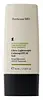
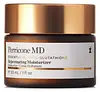
Perricone MD Hypoallergenic CBD Sensitive Skin Therapy Ultra-Lightweight Calming SPF 35 Veil Versus Perricone MD Essential FX Acyl-Glutathione Rejuvenating Moisturizer
This hybrid sunscreen covers the full UV range and blocks ~97% of UVB at SPF 35.
This anti-aging moisturizer is formulated around Tetrahexyldecyl Ascorbate and Lactic Acid to soften the look of wrinkles and refine skin texture.

What's inside
What's inside
 Key Ingredients
Benefits
Concerns
Ingredients Side-by-side
Zinc Oxide
Cosmetic Colorant


Water
Skin ConditioningIsododecane
EmollientCaprylic/Capric Triglyceride
Masking


Coco-Caprylate/Caprate
Emollient
Acrylates Copolymer
C12-15 Alkyl Benzoate
AntimicrobialButyloctyl Salicylate
Skin Conditioning
Polyglyceryl-4 Diisostearate/Polyhydroxystearate/Sebacate
Emulsifying

Glycerin
Humectant
Propanediol
Solvent
Cannabis Sativa Seed Oil
Emollient
Sodium Chloride
MaskingPolyhydroxystearic Acid
Emulsifying
Cannabidiol - Synthetically Produced
Antioxidant

Triheptanoin
Skin ConditioningStearalkonium Hectorite
Gel FormingCalendula Officinalis Flower Extract
Masking

Stearoyl Glutamic Acid
CleansingHydroxyacetophenone
Antioxidant
Xanthan Gum
EmulsifyingC9-12 Alkane
SolventDilinoleic Acid/Butanediol Copolymer
Propylene Carbonate
SolventSodium Benzoate
Masking
Dipotassium Glycyrrhizate
Humectant
Vaccinium Vitis-Idaea Fruit Extract
Antioxidant
Potassium Sorbate
Preservative
Bisabolol
Antioxidant
Oryza Sativa Bran Extract
Skin Conditioning
Castor Oil/Ipdi Copolymer
Octyldodecanol
Emollient
Helianthus Annuus Extract
Emollient
Citric Acid
Buffering

Gluconolactone
Chelating




Rosmarinus Officinalis Leaf Extract
AntimicrobialTocopherol
Antioxidant

Calcium Gluconate
HumectantZinc Oxide, Water, Isododecane, Caprylic/Capric Triglyceride, Coco-Caprylate/Caprate, Acrylates Copolymer, C12-15 Alkyl Benzoate, Butyloctyl Salicylate, Polyglyceryl-4 Diisostearate/Polyhydroxystearate/Sebacate, Glycerin, Propanediol, Cannabis Sativa Seed Oil, Sodium Chloride, Polyhydroxystearic Acid, Cannabidiol - Synthetically Produced, Triheptanoin, Stearalkonium Hectorite, Calendula Officinalis Flower Extract, Stearoyl Glutamic Acid, Hydroxyacetophenone, Xanthan Gum, C9-12 Alkane, Dilinoleic Acid/Butanediol Copolymer, Propylene Carbonate, Sodium Benzoate, Dipotassium Glycyrrhizate, Vaccinium Vitis-Idaea Fruit Extract, Potassium Sorbate, Bisabolol, Oryza Sativa Bran Extract, Castor Oil/Ipdi Copolymer, Octyldodecanol, Helianthus Annuus Extract, Citric Acid, Gluconolactone, Rosmarinus Officinalis Leaf Extract, Tocopherol, Calcium Gluconate
Water
Skin ConditioningEthylhexyl Palmitate
Emollient


Glycerin
Humectant
Dimethicone
Emollient
Cetearyl Alcohol
Emollient
Glyceryl Stearate
Emollient
Polysorbate 60
Emulsifying
Palmitoyl Glycine
CleansingS-Palmitoylglutathione
Antioxidant
Tetrahexyldecyl Ascorbate
Antioxidant
PEG-100 Stearate
Surfactant
Ribose
HumectantLactic Acid
Buffering
Linum Usitatissimum Seed Oil
Perfuming
Macadamia Ternifolia Seed Oil
Emollient
Phospholipids
Skin Conditioning
Polyglyceryl-10 Stearate
Skin Conditioning
Ethylhexylglycerin
Skin ConditioningSalvia Hispanica Seed Oil
Emollient
Tocopherol
Antioxidant
Helianthus Annuus Seed Oil
Emollient
Rosmarinus Officinalis Leaf Extract
AntimicrobialTetrasodium Glutamate Diacetate
ChelatingSodium Hydroxide
BufferingPolyacrylamide
Sodium Acrylates Copolymer
Polysilicone-11
Hydrogenated Polyisobutene
EmollientC13-14 Isoparaffin
Emollient
Laureth-7
EmulsifyingPhenoxyethanol
Preservative
Parfum
Masking
Citronellol
Perfuming
Hydroxycitronellal
Perfuming
Limonene
Perfuming
Linalool
Perfuming
Water, Ethylhexyl Palmitate, Glycerin, Dimethicone, Cetearyl Alcohol, Glyceryl Stearate, Polysorbate 60, Palmitoyl Glycine, S-Palmitoylglutathione, Tetrahexyldecyl Ascorbate, PEG-100 Stearate, Ribose, Lactic Acid, Linum Usitatissimum Seed Oil, Macadamia Ternifolia Seed Oil, Phospholipids, Polyglyceryl-10 Stearate, Ethylhexylglycerin, Salvia Hispanica Seed Oil, Tocopherol, Helianthus Annuus Seed Oil, Rosmarinus Officinalis Leaf Extract, Tetrasodium Glutamate Diacetate, Sodium Hydroxide, Polyacrylamide, Sodium Acrylates Copolymer, Polysilicone-11, Hydrogenated Polyisobutene, C13-14 Isoparaffin, Laureth-7, Phenoxyethanol, Parfum, Citronellol, Hydroxycitronellal, Limonene, Linalool
Ingredients Explained
These ingredients are found in both products.
Ingredients higher up in an ingredient list are typically present in a larger amount.
Glycerin (or glycerol) is a compound naturally found in your skin. It's a powerhouse humectant that pulls water into the stratum corneum.
Topically, glycerin does several things at once:
Your skin makes glycerin on its own (mostly from sebaceous oil breakdown) and shuttles it to your outermost layer of skin, or your epidermis, via aquaporin-3.
Aquaporin-3 is a transporter that is essential for normal skin hydration, elasticity, and repair. Interestingly, mice lacking in AQP3 have dry and less elastic skin that can be fully corrected with glycerin.
This ingredient is non-irritating, plays well with almost every ingredient, and works across all skin types. Typical use is anywhere between 3-10% but can go up to 79% in some leave-on products.
Just know very high concentrations (>40%) can feel tacky in low humidity.
Glycerin is the name for this ingredient in American English. British English uses Glycerol/Glycerine.
Learn more about GlycerinThis is a botanical extract from the rosemary plant (the same one you cook with). In skincare, it mostly works as a skin conditioning agent.
Its activity comes from a handful of polyphenols, carnosic acid, carnosol, and rosmarinic acid. Almost 90% of the antioxidant activity of this ingredient can be attributed to canosol and carnosic acid.
These compounds protect your skin two ways:
1) They fight off free radicals, or the unstable molecules from things like sun and pollution that age and damage skin.
2) They help calm inflammation by switching off the chemical signals that tell skin to get red and irritated.
Lab studies also suggest that rosmarinic acid may help protect collagen and slow sugar-related damage to it.
The Cosmetic Ingredient Review has concluded rosemary-derived ingredients to be safe when formulated to be non-sensitizing.
Rosemary can occasionally cause allergic contact dermatitis (due to carnosol), so be sure to patch test if you have reactive or fragrance-sensitive skin.
Learn more about Rosmarinus Officinalis Leaf ExtractTocopherol is a fat-soluble antioxidant known as Vitamin E.
You'll find this ingredient in the vast majority of skincare (for good reason). It works to neutralize free radicals, or unstable molecules generated by UV exposure, pollution, and other environmental stressors, before they can cause oxidative damage to your skin cells.
Topically applied tocopherol has been shown to protect against UV damage by ramping up the skin's own natural defense enzymes.
It also acts as a skin conditioning agent; some studies show that regular topical use can improve the skin's water-binding capacity over 2-4 weeks.
This ingredient is especially loved for being a team player. When combined with Vitamin C, the photoprotective effect of both ingredients roughly doubles and the combo also helps reduce UV-induced DNA damage.
This ingredient has some brightening potential but it's more of a prevention ingredient than spot-fader. Cell studies show it can slow down melanin production but it's worth noting that it's not the most powerful brightener out there.
In formulations, it also serves as a stabilizer that helps protect other oxidation-prone ingredients from degrading.
Concentrations usually range from 0.1-1% in most leave-on products.
Learn more about TocopherolWater. It's the most common cosmetic ingredient of all. You'll usually see it at the top of ingredient lists, meaning that it makes up the largest part of the product.
So why is it so popular? Water most often acts as a solvent - this means that it helps dissolve other ingredients into the formulation.
You'll also recognize water as that liquid we all need to stay alive. If you see this, drink a glass of water. Remember to stay hydrated!
Learn more about Water

