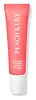
This anti-aging lip moisturizer is formulated around Butyrospermum Parkii Butter and Collagen Extract to soften the look of wrinkles and hydrate lips.
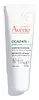
This barrier-repair lip moisturizer is formulated around Butyrospermum Parkii Butter and Glycyrrhetinic Acid to strengthen the lip barrier and hydrate lips.


What's inside
What's inside
 Key Ingredients
Benefits
Concerns
Ingredients Side-by-side
Polyisobutene
Diisostearyl Malate
EmollientHydrogenated Polyisobutene
EmollientButyrospermum Parkii Butter
Skin Conditioning






Polyglyceryl-2 Triisostearate
Emulsifying
Microcrystalline Wax
Emulsion StabilisingOctyldodecanol
Emollient
Phytosteryl/Isostearyl/Cetyl/Stearyl/Behenyl Dimer Dilinoleate
Skin Conditioning
Tribehenin
Emollient
Synthetic Wax
Abrasive
Squalane
Emollient
Collagen Extract
Skin Conditioning
Polyglutamic Acid
Skin Conditioning

Sodium Hyaluronate
Humectant
Hydrolyzed Sodium Hyaluronate
Skin Conditioning
Hyaluronic Acid
Humectant
Hydrolyzed Hyaluronic Acid
Humectant
Water
Skin ConditioningGlycerin
Humectant
Vitis Vinifera Seed Oil
Emollient
Simmondsia Chinensis Seed Oil
Emollient
Camellia Japonica Seed Oil
Emollient
Ceramide Ns
Skin Conditioning
Ceramide NP
Skin Conditioning
Ceramide AP
Skin Conditioning
Ceramide As
Skin Conditioning
Ceramide EOP
Skin Conditioning
Tremella Fuciformis Polysaccharide
Emulsion Stabilising
Chlorella Ferment
Skin Conditioning
Bisabolol
Antioxidant
Butylene Glycol
Humectant
Prunus Persica Fruit Extract
Abrasive
Palmitoyl Tripeptide-1
Skin Conditioning

Copper Tripeptide-1
Skin Conditioning
Hexapeptide-9
Skin Conditioning
Acetyl Hexapeptide-8
Humectant
Acetyl Tetrapeptide-5
Humectant
Palmitoyl Pentapeptide-4
Skin Conditioning
Dipeptide-2
Skin Conditioning
Nonapeptide-1
Skin Conditioning
Tripeptide-1
Skin Conditioning
Perilla Ocymoides Leaf Extract
TonicSodium Hyaluronate Crosspolymer
Humectant
Ethylhexylglycerin
Skin ConditioningAdansonia Digitata Seed Oil
Emollient
Hippophae Rhamnoides Fruit Oil
Skin Protecting
Calophyllum Inophyllum Seed Oil
Antimicrobial
Stevioside
MaskingHibiscus Rosa-Sinensis Flower Extract
Humectant1,2-Hexanediol
Skin Conditioning
Allantoin
Skin Conditioning
Caprylic/Capric Triglyceride
Masking
Tocopherol
Antioxidant


Disteardimonium Hectorite
StabilisingGlyceryl Caprylate
EmollientPolyglyceryl-10 Oleate
Skin Conditioning
Hydrogenated Lecithin
Emulsifying
Caprylyl Glycol
Emollient
Pentylene Glycol
Skin Conditioning
Polyisobutene, Diisostearyl Malate, Hydrogenated Polyisobutene, Butyrospermum Parkii Butter, Polyglyceryl-2 Triisostearate, Microcrystalline Wax, Octyldodecanol, Phytosteryl/Isostearyl/Cetyl/Stearyl/Behenyl Dimer Dilinoleate, Tribehenin, Synthetic Wax, Squalane, Collagen Extract, Polyglutamic Acid, Sodium Hyaluronate, Hydrolyzed Sodium Hyaluronate, Hyaluronic Acid, Hydrolyzed Hyaluronic Acid, Water, Glycerin, Vitis Vinifera Seed Oil, Simmondsia Chinensis Seed Oil, Camellia Japonica Seed Oil, Ceramide Ns, Ceramide NP, Ceramide AP, Ceramide As, Ceramide EOP, Tremella Fuciformis Polysaccharide, Chlorella Ferment, Bisabolol, Butylene Glycol, Prunus Persica Fruit Extract, Palmitoyl Tripeptide-1, Copper Tripeptide-1, Hexapeptide-9, Acetyl Hexapeptide-8, Acetyl Tetrapeptide-5, Palmitoyl Pentapeptide-4, Dipeptide-2, Nonapeptide-1, Tripeptide-1, Perilla Ocymoides Leaf Extract, Sodium Hyaluronate Crosspolymer, Ethylhexylglycerin, Adansonia Digitata Seed Oil, Hippophae Rhamnoides Fruit Oil, Calophyllum Inophyllum Seed Oil, Stevioside, Hibiscus Rosa-Sinensis Flower Extract, 1,2-Hexanediol, Allantoin, Caprylic/Capric Triglyceride, Tocopherol, Disteardimonium Hectorite, Glyceryl Caprylate, Polyglyceryl-10 Oleate, Hydrogenated Lecithin, Caprylyl Glycol, Pentylene Glycol
Ricinus Communis Seed Oil
Masking
Water
Skin ConditioningButyrospermum Parkii Oil
Emollient
Glycerin
Humectant
Simmondsia Chinensis Seed Oil
Emollient
Beeswax
Emulsion Stabilising
Butyrospermum Parkii Butter
Skin Conditioning
Polyglyceryl-2 Dipolyhydroxystearate
Skin Conditioning
Disteardimonium Hectorite
StabilisingMagnesium Sulfate
Aquaphilus Dolomiae Ferment Filtrate
Skin ConditioningArginine
Masking
Benzoic Acid
Masking
Caprylyl Glycol
Emollient
Glycyrrhetinic Acid
Skin Conditioning
Helianthus Annuus Seed Oil
Emollient
Hydroxycapric Acid
Skin ConditioningPentylene Glycol
Skin Conditioning
Tocopherol
Antioxidant
Tromethamine
BufferingXanthan Gum
EmulsifyingZinc Sulfate
Antimicrobial
Ricinus Communis Seed Oil, Water, Butyrospermum Parkii Oil, Glycerin, Simmondsia Chinensis Seed Oil, Beeswax, Butyrospermum Parkii Butter, Polyglyceryl-2 Dipolyhydroxystearate, Disteardimonium Hectorite, Magnesium Sulfate, Aquaphilus Dolomiae Ferment Filtrate, Arginine, Benzoic Acid, Caprylyl Glycol, Glycyrrhetinic Acid, Helianthus Annuus Seed Oil, Hydroxycapric Acid, Pentylene Glycol, Tocopherol, Tromethamine, Xanthan Gum, Zinc Sulfate
Reviews
Ingredients Explained
These ingredients are found in both products.
Ingredients higher up in an ingredient list are typically present in a larger amount.
This ingredient is also known as shea butter. It is a plant-derived extract from the nuts of the Africa shea tree and one of the most well-studied emollients.
Because it has a high concentration of fatty acids (primarily oleic, stearic, and linoleic) it is able to form a protective barrier on the skin's surface. This helps seal in moisture and prevents transepidermal water loss (TEWL).
In vitro research found an increase in skin hydration by 58% and a decrease in TEWL by 37.8% after 24 hours of applying this ingredient (pretty impressive for a single ingredient!).
Besides hydration, shea butter also contains triterpenes that have anti-inflammatory potential. In particule, lupeol cinnamate has shown the highest anti-inflammatory activity in vivo.
Shea butter also contains vitamins A and E which may contribute to antioxidant activity.
While Shea Butter has an SPF rating of about 3-4, it is not a sunscreen replacement.
This ingredient may not be fungal acne safe because its fatty acids fall within the C11-C24 range that the Malassezia yeast can metabolize.
This ingredient shows up on a lot of "pore-clogging" lists but there's no real evidence behind that. It doesn't even have a comedogenic rating from an actual study; the numbers you'll find online come from blogs citing other blogs.
Ratings for other ingredients mostly come from a 1980s rabbit ear test. This test doesn't translate well to human skin or to real products because the ingredient sits at a much lower percentage.
Some people still find it breaks them out. So if that's you, definitely trust your skin. Just know this one's based on experience and not evidence.
Learn more about Butyrospermum Parkii ButterCaprylyl Glycol is a humectant, skin conditioner, emollient, and preservative booster derived from either caprylic acid or synthetically created.
Typical use levels vary from 0.3-1% as a preservative booster and go up to 2% to condition skin.
Because it is not a free-fatty acid, this ingredient is fungal acne safe (there's nothing for Malassezia to feed on).
Learn more about Caprylyl GlycolDisteardimonium Hectorite comes from the clay mineral named hectorite. It is used to add thickness to a product.
It can also help stabilize a product by helping to disperse other ingredients.
Hectorite is a rare, white clay mineral.
Learn more about Disteardimonium HectoriteGlycerin (or glycerol) is a compound naturally found in your skin. It's a powerhouse humectant that pulls water into the stratum corneum.
Topically, glycerin does several things at once:
Your skin makes glycerin on its own (mostly from sebaceous oil breakdown) and shuttles it to your outermost layer of skin, or your epidermis, via aquaporin-3.
Aquaporin-3 is a transporter that is essential for normal skin hydration, elasticity, and repair. Interestingly, mice lacking in AQP3 have dry and less elastic skin that can be fully corrected with glycerin.
This ingredient is non-irritating, plays well with almost every ingredient, and works across all skin types. Typical use is anywhere between 3-10% but can go up to 79% in some leave-on products.
Just know very high concentrations (>40%) can feel tacky in low humidity.
Glycerin is the name for this ingredient in American English. British English uses Glycerol/Glycerine.
Learn more about GlycerinPentylene Glycol (1,2-pentanediol) is a multitasking little diol with three main roles in a formula:
Research on alkanediols (the family pentylene glycol belongs to) show they work by disrupting microbial cell membranes. This disruption helps the primary preservative system in a product work more effectively at lower doses.
On the safety side, the Cosmetic Ingredient Review Expert Panel has concluded this ingredient to be safe as used in current cosmetic practices + concentrations.
Typical use levels in a formula run about 1-5%.
Learn more about Pentylene GlycolJojoba oil is one of the most well-studied plant-derived ingredients in cosmetics. It is an emollient with a special structure.
Because it is made up of 97-98% wax esters, it closely mirrors the linear monoesters found in human sebum. This makes it skin compatible, non-greasy, and lightweight.
Unlike other plant oils, jojoba wax doesn't easily penetrate skin. It mostly works in the uppermost layers as an emollient. This just means it forms a light barrier on the skin to help retain moisture.
Formulations with jojoba esters up to 90% reduced transepidermal water loss (TEWL) and increased barrier recovery by 81% (outperforming bisabolol at 47%).
Besides barrier support, the science also suggests jojoba to have anti-inflammatory effects and potential applications for skin infections, aging, and wound healing.
Fun fact: Indigenous cultures have used jojoba as a moisturizer and to help treat burns for centuries.
Fungal acne: The Malassezia yeast is known to metabolize fatty acids in the C11-24 range and jojoba's dominant fatty acid components fall into this range. This ingredient may not be fungal acne safe.
Learn more about Simmondsia Chinensis Seed OilTocopherol is a fat-soluble antioxidant known as Vitamin E.
You'll find this ingredient in the vast majority of skincare (for good reason). It works to neutralize free radicals, or unstable molecules generated by UV exposure, pollution, and other environmental stressors, before they can cause oxidative damage to your skin cells.
Topically applied tocopherol has been shown to protect against UV damage by ramping up the skin's own natural defense enzymes.
It also acts as a skin conditioning agent; some studies show that regular topical use can improve the skin's water-binding capacity over 2-4 weeks.
This ingredient is especially loved for being a team player. When combined with Vitamin C, the photoprotective effect of both ingredients roughly doubles and the combo also helps reduce UV-induced DNA damage.
This ingredient has some brightening potential but it's more of a prevention ingredient than spot-fader. Cell studies show it can slow down melanin production but it's worth noting that it's not the most powerful brightener out there.
In formulations, it also serves as a stabilizer that helps protect other oxidation-prone ingredients from degrading.
Concentrations usually range from 0.1-1% in most leave-on products.
Learn more about TocopherolWater. It's the most common cosmetic ingredient of all. You'll usually see it at the top of ingredient lists, meaning that it makes up the largest part of the product.
So why is it so popular? Water most often acts as a solvent - this means that it helps dissolve other ingredients into the formulation.
You'll also recognize water as that liquid we all need to stay alive. If you see this, drink a glass of water. Remember to stay hydrated!
Learn more about Water

