

What's inside
What's inside
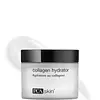 Key Ingredients
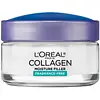
Benefits
Concerns
Ingredients Side-by-side
Water
Skin ConditioningC12-15 Alkyl Benzoate
AntimicrobialGlycerin
Humectant



Glyceryl Stearate
Emollient
Cetearyl Alcohol
Emollient


Isopropyl Palmitate
Emollient
Butyrospermum Parkii Butter
Skin Conditioning
Cyclopentasiloxane
Emollient
Dimethicone
Emollient
Cetyl Alcohol
Emollient
Polysorbate 60
Emulsifying
Tetrahexyldecyl Ascorbate
Antioxidant




Allantoin
Skin Conditioning
Aloe Barbadensis Leaf Extract
Emollient
Chamomilla Recutita Flower Extract
Masking
Cucumis Sativus Fruit Extract
Emollient
Ethylhexylglycerin
Skin ConditioningGlycol Distearate
Emollient
Helianthus Annuus Seed Oil
Emollient
Hydrolyzed Wheat Protein
Skin ConditioningOlea Europaea Fruit Oil
Masking
Phenoxyethanol
Preservative
Potassium Cetyl Phosphate
EmulsifyingPrunus Amygdalus Dulcis Oil
Skin Conditioning
Sodium Hyaluronate
Humectant
Sodium PCA
Humectant
Tocopherol
Antioxidant

Xanthan Gum
EmulsifyingCarbomer
Emulsion StabilisingSodium Hydroxide
BufferingTetrasodium EDTA

Water, C12-15 Alkyl Benzoate, Glycerin, Glyceryl Stearate, Cetearyl Alcohol, Isopropyl Palmitate, Butyrospermum Parkii Butter, Cyclopentasiloxane, Dimethicone, Cetyl Alcohol, Polysorbate 60, Tetrahexyldecyl Ascorbate, Allantoin, Aloe Barbadensis Leaf Extract, Chamomilla Recutita Flower Extract, Cucumis Sativus Fruit Extract, Ethylhexylglycerin, Glycol Distearate, Helianthus Annuus Seed Oil, Hydrolyzed Wheat Protein, Olea Europaea Fruit Oil, Phenoxyethanol, Potassium Cetyl Phosphate, Prunus Amygdalus Dulcis Oil, Sodium Hyaluronate, Sodium PCA, Tocopherol, Xanthan Gum, Carbomer, Sodium Hydroxide, Tetrasodium EDTA
Water
Skin ConditioningCyclohexasiloxane
Emollient
Glycerin
Humectant
Butyrospermum Parkii Butter
Skin Conditioning
Isohexadecane
EmollientPentaerythrityl Tetraethylhexanoate
Emollient
Dipropylene Glycol
HumectantCera Alba
Emollient
Stearic Acid
Cleansing
Palmitic Acid
Emollient
Cyclopentasiloxane
Emollient
Acrylamide/Sodium Acryloyldimethyltaurate Copolymer
Emulsion StabilisingPEG-100 Stearate
Stearyl Alcohol
Emollient
Glyceryl Stearate
Emollient
PEG-20 Stearate
Emulsifying
Boswellia Serrata Extract
Skin ConditioningManganese Gluconate
Skin ConditioningSoluble Collagen
Humectant
Atelocollagen
Skin Conditioning
Dimethiconol
Emollient
Polysorbate 80
Emulsifying
Pentaerythrityl Tetraisostearate
Emollient
Tocopherol
Antioxidant
Disodium EDTA
Sodium Hydroxide
BufferingSilica Dimethyl Silylate
EmollientSodium Chondroitin Sulfate
Skin Conditioning
Phenoxyethanol
Preservative
Methylparaben
Preservative

Imidazolidinyl Urea
Preservative
Potassium Sorbate
Preservative
Parfum
Masking
Alpha-Isomethyl Ionone
Perfuming
Butylphenyl Methylpropional
Perfuming
Benzyl Salicylate
Perfuming
Linalool
Perfuming
Hexyl Cinnamal
Perfuming
Hydroxyisohexyl 3-Cyclohexene Carboxaldehyde
Masking
Citronellol
Perfuming
Water, Cyclohexasiloxane, Glycerin, Butyrospermum Parkii Butter, Isohexadecane, Pentaerythrityl Tetraethylhexanoate, Dipropylene Glycol, Cera Alba, Stearic Acid, Palmitic Acid, Cyclopentasiloxane, Acrylamide/Sodium Acryloyldimethyltaurate Copolymer, PEG-100 Stearate, Stearyl Alcohol, Glyceryl Stearate, PEG-20 Stearate, Boswellia Serrata Extract, Manganese Gluconate, Soluble Collagen, Atelocollagen, Dimethiconol, Polysorbate 80, Pentaerythrityl Tetraisostearate, Tocopherol, Disodium EDTA, Sodium Hydroxide, Silica Dimethyl Silylate, Sodium Chondroitin Sulfate, Phenoxyethanol, Methylparaben, Imidazolidinyl Urea, Potassium Sorbate, Parfum, Alpha-Isomethyl Ionone, Butylphenyl Methylpropional, Benzyl Salicylate, Linalool, Hexyl Cinnamal, Hydroxyisohexyl 3-Cyclohexene Carboxaldehyde, Citronellol
Reviews
Ingredients Explained
These ingredients are found in both products.
Ingredients higher up in an ingredient list are typically present in a larger amount.
This ingredient is also known as shea butter. It is an effective skin hydrator and emollient.
Emollients help soothe and soften your skin. It does this by creating a protective film on your skin. This barrier helps trap moisture and keeps your skin hydrated. Emollients may be effective at treating dry or itchy skin.
Shea butter is rich in antioxidants. Antioxidants help fight free-radicals, or molecules that may harm the body. It is also full of fatty acids including stearic acid and linoleic acid. These acids help replenish the skin and keep skin moisturized.
While Shea Butter has an SPF rating of about 3-4, it is not a sunscreen replacement.
Shea butter may not be fungal acne safe. We recommend speaking with a professional if you have any concerns.
Learn more about Butyrospermum Parkii ButterCyclopentasiloxane, or D5, is a silicone used to improve texture of products and trap moisture.
D5 is considered lightweight and volatile. Volatile means it evaporates quickly after application. Once evaporated, D5 leaves a thin barrier that helps keep skin hydrated.
It is also an emollient. Emollients help soften the skin and prevent water loss. Silicones create a silky texture in products. D5 helps other ingredients become more spreadable.
Studies show D5 is safe to use in skincare products. We recommend speaking with a skincare professional if you have concerns.
Learn more about CyclopentasiloxaneGlycerin is already naturally found in your skin. It helps moisturize and protect your skin.
A study from 2016 found glycerin to be more effective as a humectant than AHAs and hyaluronic acid.
As a humectant, it helps the skin stay hydrated by pulling moisture to your skin. The low molecular weight of glycerin allows it to pull moisture into the deeper layers of your skin.
Hydrated skin improves your skin barrier; Your skin barrier helps protect against irritants and bacteria.
Glycerin has also been found to have antimicrobial and antiviral properties. Due to these properties, glycerin is often used in wound and burn treatments.
In cosmetics, glycerin is usually derived from plants such as soybean or palm. However, it can also be sourced from animals, such as tallow or animal fat.
This ingredient is organic, colorless, odorless, and non-toxic.
Glycerin is the name for this ingredient in American English. British English uses Glycerol/Glycerine.
Learn more about GlycerinGlyceryl Stearate is a mix of glycerin and stearic acid.
It is used to stabilize the mixing of water and oil ingredients. By preventing these ingredients from separating, it can help elongate shelf life. It can also help thicken the product's texture.
As an emollient, it helps soften skin and supports barrier-replenishing ingredients.
In cosmetics, Glyceryl Stearate is often made from vegetable oils or synthetically produced.
This ingredient may not be fungal-acne safe
Fun fact: The human body also creates Glyceryl Stearate naturally.
Learn more about Glyceryl StearatePhenoxyethanol is a preservative that has germicide, antimicrobial, and aromatic properties. Studies show that phenoxyethanol can prevent microbial growth. By itself, it has a scent that is similar to that of a rose.
It's often used in formulations along with Caprylyl Glycol to preserve the shelf life of products.
Sodium Hydroxide is also known as lye or caustic soda. It is used to adjust the pH of products; many ingredients require a specific pH to be effective.
In small amounts, sodium hydroxide is considered safe to use. However, large amounts may cause chemical burns due to its high alkaline.
Your skin has a natural pH and acid mantle. This acid mantle helps prevent harmful bacteria from breaking through. The acid mantle also helps keep your skin hydrated.
"Alkaline" refers to a high pH level. A low pH level would be considered acidic.
Learn more about Sodium HydroxideTocopherol (also known as Vitamin E) is a common antioxidant used to help protect the skin from free-radicals and strengthen the skin barrier. It's also fat soluble - this means our skin is great at absorbing it.
Vitamin E also helps keep your natural skin lipids healthy. Your lipid skin barrier naturally consists of lipids, ceramides, and fatty acids. Vitamin E offers extra protection for your skin’s lipid barrier, keeping your skin healthy and nourished.
Another benefit is a bit of UV protection. Vitamin E helps reduce the damage caused by UVB rays. (It should not replace your sunscreen). Combining it with Vitamin C can decrease sunburned cells and hyperpigmentation after UV exposure.
You might have noticed Vitamin E + C often paired together. This is because it is great at stabilizing Vitamin C. Using the two together helps increase the effectiveness of both ingredients.
There are often claims that Vitamin E can reduce/prevent scarring, but these claims haven't been confirmed by scientific research.
Learn more about TocopherolWater. It's the most common cosmetic ingredient of all. You'll usually see it at the top of ingredient lists, meaning that it makes up the largest part of the product.
So why is it so popular? Water most often acts as a solvent - this means that it helps dissolve other ingredients into the formulation.
You'll also recognize water as that liquid we all need to stay alive. If you see this, drink a glass of water. Stay hydrated!
Learn more about Water
