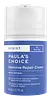
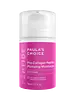
Paula's Choice Resist Intensive Repair Cream Versus Paula's Choice Pro-Collagen Peptide Plumping Moisturizer
This anti-aging moisturizer is formulated around Retinol and Simmondsia Chinensis Seed Oil to soften the look of wrinkles and hydrate skin.
This anti-aging moisturizer is formulated around Squalane to soften the look of wrinkles and hydrate skin.

What's inside
What's inside
 Key Ingredients
Benefits
Concerns
Ingredients Side-by-side
Water
Skin ConditioningEthylhexyl Stearate
Emollient




Simmondsia Chinensis Seed Oil
Emollient



Butylene Glycol
Humectant
Glycerin
Humectant
Caprylic/Capric Triglyceride
Masking
Petrolatum
Emollient
Cetearyl Alcohol
Emollient
Dimethicone
Emollient
Dipentaerythrityl Hexacaprylate/Hexacaprate
EmulsifyingGlyceryl Stearate
Emollient
Tridecyl Trimellitate
EmollientPEG-100 Stearate
Surfactant
Phenyl Trimethicone
Skin Conditioning
Retinol
Skin Conditioning







Adenosine
Skin Conditioning
Palmitoyl Tetrapeptide-7
Skin Conditioning
Palmitoyl Hexapeptide-12
Skin Conditioning
Palmitoyl Tripeptide-1
Skin Conditioning
Ceramide Ng
Skin Conditioning
Sodium Hyaluronate
Humectant

Magnesium Ascorbyl Phosphate
Antioxidant

Niacinamide
Smoothing
Tocopherol
Antioxidant
Lecithin
Emollient
Linoleic Acid
Cleansing
Linolenic Acid
Cleansing

Retinyl Palmitate
Skin Conditioning
Glycyrrhiza Glabra Root Extract
Bleaching
Camellia Oleifera Leaf Extract
AstringentCitrullus Lanatus Fruit Extract
Skin Conditioning
Lens Esculenta Fruit Extract
Skin ConditioningPyrus Malus Fruit Extract
Skin Conditioning
Glycine Soja Sterols
Emollient
Tribehenin
Emollient
PEG-10 Phytosterol
EmulsifyingMagnesium Aluminum Silicate
Absorbent
Sodium PCA
Humectant
Sodium Lactate
Buffering
Pullulan
Xanthan Gum
EmulsifyingSodium Hydroxide
BufferingNeopentyl Glycol Dicaprylate/Dicaprate
EmollientCetearyl Glucoside
Emulsifying
Tridecyl Stearate
Emollient
Behenyl Alcohol
Emollient
Sclerotium Gum
Emulsion StabilisingCarbomer
Emulsion StabilisingC12-15 Alkyl Benzoate
AntimicrobialPolysorbate 20
Emulsifying
Disodium EDTA
ChelatingSorbic Acid
Preservative
Phenoxyethanol
Preservative
Chlorphenesin
Antimicrobial
Benzoic Acid
Masking
Water, Ethylhexyl Stearate, Simmondsia Chinensis Seed Oil, Butylene Glycol, Glycerin, Caprylic/Capric Triglyceride, Petrolatum, Cetearyl Alcohol, Dimethicone, Dipentaerythrityl Hexacaprylate/Hexacaprate, Glyceryl Stearate, Tridecyl Trimellitate, PEG-100 Stearate, Phenyl Trimethicone, Retinol, Adenosine, Palmitoyl Tetrapeptide-7, Palmitoyl Hexapeptide-12, Palmitoyl Tripeptide-1, Ceramide Ng, Sodium Hyaluronate, Magnesium Ascorbyl Phosphate, Niacinamide, Tocopherol, Lecithin, Linoleic Acid, Linolenic Acid, Retinyl Palmitate, Glycyrrhiza Glabra Root Extract, Camellia Oleifera Leaf Extract, Citrullus Lanatus Fruit Extract, Lens Esculenta Fruit Extract, Pyrus Malus Fruit Extract, Glycine Soja Sterols, Tribehenin, PEG-10 Phytosterol, Magnesium Aluminum Silicate, Sodium PCA, Sodium Lactate, Pullulan, Xanthan Gum, Sodium Hydroxide, Neopentyl Glycol Dicaprylate/Dicaprate, Cetearyl Glucoside, Tridecyl Stearate, Behenyl Alcohol, Sclerotium Gum, Carbomer, C12-15 Alkyl Benzoate, Polysorbate 20, Disodium EDTA, Sorbic Acid, Phenoxyethanol, Chlorphenesin, Benzoic Acid
Water
Skin ConditioningDimethicone
Emollient
Squalane
Emollient
Glycerin
Humectant
Pyrus Malus Fruit Extract
Skin Conditioning
Pentylene Glycol
Skin Conditioning
1,2-Hexanediol
Skin Conditioning
Ammonium Acryloyldimethyltaurate/Vp Copolymer
Butylene Glycol
Humectant
Hydroxyacetophenone
Antioxidant
Sodium Acrylates Copolymer
Acrylates/C10-30 Alkyl Acrylate Crosspolymer
Emulsion StabilisingGigartina Stellata Extract
Skin Protecting
Acetyl Sh-Hexapeptide-5 Amide Acetate
Skin Conditioning
Tridecapeptide-1
Skin Conditioning
Oligopeptide-1
Skin Conditioning
Sodium Phytate
Propanediol
Solvent
Lecithin
Emollient
Hydroxypropyltrimonium Hyaluronate
Cyanocobalamin
Skin ConditioningPhenoxyethanol
Preservative
Water, Dimethicone, Squalane, Glycerin, Pyrus Malus Fruit Extract, Pentylene Glycol, 1,2-Hexanediol, Ammonium Acryloyldimethyltaurate/Vp Copolymer, Butylene Glycol, Hydroxyacetophenone, Sodium Acrylates Copolymer, Acrylates/C10-30 Alkyl Acrylate Crosspolymer, Gigartina Stellata Extract, Acetyl Sh-Hexapeptide-5 Amide Acetate, Tridecapeptide-1, Oligopeptide-1, Sodium Phytate, Propanediol, Lecithin, Hydroxypropyltrimonium Hyaluronate, Cyanocobalamin, Phenoxyethanol
Reviews
Ingredients Explained
These ingredients are found in both products.
Ingredients higher up in an ingredient list are typically present in a larger amount.
Butylene Glycol (or BG) is used within cosmetic products for a few different reasons:
Overall, Butylene Glycol is a safe and well-rounded ingredient that works well with other ingredients.
Though this ingredient works well with most skin types, some people with sensitive skin may experience a reaction such as allergic rashes, closed comedones, or itchiness.
Learn more about Butylene GlycolDimethicone is a type of synthetic silicone created from natural materials such as quartz. It is also known as polydimethylsiloxane.
What it does:
Dimethicone comes in different viscosities:
Depending on the viscosity, dimethicone has different properties.
Ingredients lists don't always show which type is used, so we recommend reaching out to the brand if you have questions about the viscosity.
This ingredient is unlikely to cause irritation because it does not get absorbed into skin. However, people with silicone allergies should be careful about using this ingredient.
Note: Dimethicone may contribute to pilling. This is because it is not oil or water soluble, so pilling may occur when layered with products. When mixed with heavy oils in a formula, the outcome is also quite greasy.
Learn more about DimethiconeGlycerin (or glycerol) is a compound naturally found in your skin. It's a powerhouse humectant that pulls water into the stratum corneum.
Topically, glycerin does several things at once:
Your skin makes glycerin on its own (mostly from sebaceous oil breakdown) and shuttles it to your outermost layer of skin, or your epidermis, via aquaporin-3.
Aquaporin-3 is a transporter that is essential for normal skin hydration, elasticity, and repair. Interestingly, mice lacking in AQP3 have dry and less elastic skin that can be fully corrected with glycerin.
This ingredient is non-irritating, plays well with almost every ingredient, and works across all skin types. Typical use is anywhere between 3-10% but can go up to 79% in some leave-on products.
Just know very high concentrations (>40%) can feel tacky in low humidity.
Glycerin is the name for this ingredient in American English. British English uses Glycerol/Glycerine.
Learn more about GlycerinLecithin is a term for a group of substances found in the cell membranes of plants, animals, and humans. They are made up of phospholipids.
Thanks to its amphiphilic structure (water-loving head and oil-loving tail), it is a true multitasker:
It plays well with most ingredients and is typically used at 0.1-1%. However, concentrations up to 50% have been reported in moisturizers.
Learn more about LecithinPhenoxyethanol is one of the most widely used preservatives in skincare (and for good reason!).
It has a large spectrum of antimicrobial activity and especially effective bacteria, yeast, and mold while only having a weak effect on your skin's natural microbiome.
On a cellular level, it disrupts the cell membranes of microbes by poking holes that make the cell leak. This shuts down the chemical reactions the microbe needs to make energy so it can no longer survive.
Another perk of this ingredient is that it stays functional across a wide pH range (3-10).
You'll often see it paired with boosters like Ethylhexylglycerin; one study showed that a 1:9 ratio of Ethylhexylglycerin to Phenoxyethanol damages bacterial membranes as effectively as doubling the Phenoxyethanol concentration on its own.
Typical use concentrations range from 0.3-1% depending on the formula, and this ingredient is capped at 1% int the EU.
Safety-wise, the fear mongering does not hold up to the evidence. The EU's Scientific Committee on Consumer Safety and FDA consider it safe as a preservative at up to 1%, including for children of all ages.
Adverse systemic effects only showed up in animal studies at exposures roughly 200x higher than what people get from cosmetics. And despite its very widespread use, this ingredient is a rare sensitizer and allergic reactions are uncommon.
Learn more about PhenoxyethanolPyrus Malus Fruit Extract is extract from Apples. Apples are rich in Vitamin C, sugars, and antioxidants.
The sugar in Apples are humectants and help hydrate the skin. On top of that, apples also contain some acids, such as malic acid. These acids may have a mild exfoliating effect.
Last, the phytochemicals found in apples are strong antioxidants. These antioxidants help with anti-aging as they protect your skin cells against oxidative damage.
Learn more about Pyrus Malus Fruit ExtractWater. It's the most common cosmetic ingredient of all. You'll usually see it at the top of ingredient lists, meaning that it makes up the largest part of the product.
So why is it so popular? Water most often acts as a solvent - this means that it helps dissolve other ingredients into the formulation.
You'll also recognize water as that liquid we all need to stay alive. If you see this, drink a glass of water. Remember to stay hydrated!
Learn more about Water

