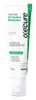
This acne moisturizer is formulated around Niacinamide and Salicylic Acid to clear breakouts and balance excess oil.
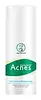
This oil-control moisturizer is formulated around Salicylic Acid to balance excess oil and clear breakouts.


What's inside
What's inside
 Key Ingredients
Benefits
Concerns
Ingredients Side-by-side
Water
Skin ConditioningGlycerin
Humectant


Butylene Glycol
Humectant
Ammonium Acryloyldimethyltaurate/Vp Copolymer
Dipropylene Glycol
HumectantCetearyl Olivate


Hydroxyacetophenone
Antioxidant
Hydrogenated Polydecene
EmollientSorbitan Olivate
Emulsifying
Caprylyl Glycol
Emollient
Sodium Acrylate/Sodium Acryloyldimethyl Taurate Copolymer
Emulsion StabilisingIsohexadecane
EmollientBetaine
Humectant
Niacinamide
Smoothing








Salicylic Acid
Masking




Disodium EDTA
ChelatingArginine
Masking
Lecithin
Emollient
Polysorbate 80
Emulsifying
Salix Alba Bark Extract
Astringent
Sorbitan Oleate
Emulsifying
Zinc PCA
Humectant
Aloe Barbadensis Leaf Juice
Skin Conditioning
Maltodextrin
Absorbent
1,2-Hexanediol
Skin Conditioning
Bakuchiol
Antimicrobial
Magnolia Grandiflora Leaf Extract
Skin ConditioningMelaleuca Alternifolia Leaf Extract
Perfuming
Dipotassium Glycyrrhizate
Humectant
Xanthan Gum
EmulsifyingPhenoxyethanol
Preservative
Potassium Sorbate
Preservative
Sodium Benzoate
Masking
Glucose
Humectant
Sodium Hyaluronate
Humectant
Chondrus Crispus Extract
Skin Conditioning
Hyaluronic Acid
Humectant
Hydrolyzed Hyaluronic Acid
Humectant
Hydrolyzed Sodium Hyaluronate
Skin Conditioning
Hydroxypropyltrimonium Hyaluronate
Potassium Hyaluronate
Skin ConditioningSodium Acetylated Hyaluronate
Humectant
Sodium Hyaluronate Crosspolymer
Humectant
Water, Glycerin, Butylene Glycol, Ammonium Acryloyldimethyltaurate/Vp Copolymer, Dipropylene Glycol, Cetearyl Olivate, Hydroxyacetophenone, Hydrogenated Polydecene, Sorbitan Olivate, Caprylyl Glycol, Sodium Acrylate/Sodium Acryloyldimethyl Taurate Copolymer, Isohexadecane, Betaine, Niacinamide, Salicylic Acid, Disodium EDTA, Arginine, Lecithin, Polysorbate 80, Salix Alba Bark Extract, Sorbitan Oleate, Zinc PCA, Aloe Barbadensis Leaf Juice, Maltodextrin, 1,2-Hexanediol, Bakuchiol, Magnolia Grandiflora Leaf Extract, Melaleuca Alternifolia Leaf Extract, Dipotassium Glycyrrhizate, Xanthan Gum, Phenoxyethanol, Potassium Sorbate, Sodium Benzoate, Glucose, Sodium Hyaluronate, Chondrus Crispus Extract, Hyaluronic Acid, Hydrolyzed Hyaluronic Acid, Hydrolyzed Sodium Hyaluronate, Hydroxypropyltrimonium Hyaluronate, Potassium Hyaluronate, Sodium Acetylated Hyaluronate, Sodium Hyaluronate Crosspolymer
Water
Skin ConditioningHydrogenated Polyisobutene
EmollientDicaprylyl Carbonate
EmollientButylene Glycol
Humectant
Polysorbate 60
Emulsifying
Dimethicone
Emollient
Ammonium Acryloyldimethyltaurate/Vp Copolymer
Silica
Abrasive
Glyceryl Stearate Citrate
Emollient
Glyceryl Acrylate/Acrylic Acid Copolymer
HumectantDimethiconol
Emollient
Glycerin
Humectant
Methylparaben
Preservative

Sorbitol
Humectant
O-Cymen-5-Ol
Antimicrobial
Betaine
Humectant
Disodium EDTA
ChelatingPropylene Glycol
Humectant
Chondrus Crispus Extract
Skin Conditioning
Butyl Avocadate
Skin Conditioning
Arginine
Masking
Parfum
Masking
Propylparaben
Preservative
Alcohol
Antimicrobial
Pvm/Ma Copolymer
Emulsion StabilisingPhenoxyethanol
Preservative
Centella Asiatica Extract
Cleansing
Aloe Barbadensis Leaf Juice
Skin Conditioning
Lecithin
Emollient
Prunus Cerasus Extract
Antioxidant
Pyrus Malus Juice
Skin ConditioningChlorphenesin
Antimicrobial
Opuntia Streptacantha Stem Extract
HumectantSalicylic Acid
Masking
Beta-Glucan
Skin Conditioning
Citric Acid
Buffering
Amylopectin
Satureja Hortensis Extract
MaskingDextrin
AbsorbentSodium Benzoate
Masking
Potassium Sorbate
Preservative
Xanthan Gum
EmulsifyingSodium Dehydroacetate
Preservative
Chamomilla Recutita Flower Extract
Masking
Asiaticoside
Antioxidant
Madecassic Acid
Skin Conditioning
Asiatic Acid
Skin Conditioning
Ethylhexylglycerin
Skin ConditioningWater, Hydrogenated Polyisobutene, Dicaprylyl Carbonate, Butylene Glycol, Polysorbate 60, Dimethicone, Ammonium Acryloyldimethyltaurate/Vp Copolymer, Silica, Glyceryl Stearate Citrate, Glyceryl Acrylate/Acrylic Acid Copolymer, Dimethiconol, Glycerin, Methylparaben, Sorbitol, O-Cymen-5-Ol, Betaine, Disodium EDTA, Propylene Glycol, Chondrus Crispus Extract, Butyl Avocadate, Arginine, Parfum, Propylparaben, Alcohol, Pvm/Ma Copolymer, Phenoxyethanol, Centella Asiatica Extract, Aloe Barbadensis Leaf Juice, Lecithin, Prunus Cerasus Extract, Pyrus Malus Juice, Chlorphenesin, Opuntia Streptacantha Stem Extract, Salicylic Acid, Beta-Glucan, Citric Acid, Amylopectin, Satureja Hortensis Extract, Dextrin, Sodium Benzoate, Potassium Sorbate, Xanthan Gum, Sodium Dehydroacetate, Chamomilla Recutita Flower Extract, Asiaticoside, Madecassic Acid, Asiatic Acid, Ethylhexylglycerin
Reviews
Ingredients Explained
These ingredients are found in both products.
Ingredients higher up in an ingredient list are typically present in a larger amount.
Aloe Barbadensis Leaf Juice is the filtered, stabilized liquid pressed from the inner gel of the aloe vera leaf.
In cosmetics, it shows up as either soothing active or a water-replacement base. It is roughly 98-99% water and the last 1-2% is an interesting mix of polysaccharides, amino acids, vitamins, minerals, and enzymes.
The polysaccharides do most of the work: they bind water at the skin surface for a light, non-greasy hydration boost. And one of the polysaccharides, glycomannan, is linked to fibroblast stimulation + collagen synthesis. This is also why aloe has such a long track record in wound and burn healing.
This ingredient is also calming with anti-inflammatory and mild antimicrobial activity, making it a great pick for sensitive, irritated, or post-sun skin.
Realistic expectations matter though; the solid evidence is mostly limited to hydration, soothing, and wound support. Deeper claims about anti-aging or sun protection are not well backed, and science reviews note it does not prevent radiation-induced skin injury.
Because it plays well with almost everything, it's commonly used as a base alongside other actives like niacinamide or vitamin C.
Typical usage concentrations range from 0.5% (where hydration benefits already show up) all the way to 90%+ (where it replaces water as the main base).
The safety for this ingredient is well-establish as well. Overall, this is a great supporting ingredient for those who want a boost in hydration.
Learn more about Aloe Barbadensis Leaf JuiceAmmonium Acryloyldimethyltaurate/Vp Copolymer is a synthetically created polymer. It's used as a film-forming agent and used to thicken the consistency of products.
Think of it as a supportive ingredient that helps your gel-creams feel silky, "cloud cream-like", and spread evenly without being greasy.
The Cosmetic Ingredient Review (CIR) Expert Panel evaluated it (along with 22 other acryloyldimethyltaurate polymers) and concluded it's:
Due to its large molecular size, it sits on the surface of skin rather than penetrating it.
Learn more about Ammonium Acryloyldimethyltaurate/Vp CopolymerArginine is a semi-essential amino acid. This just means our bodies can product a bit on its own, but sometimes needs a little boost from food sources.
It is a part of your skin's natural moisturizing factor (NMF), or the water-loving molecules in your outermost layer of skin (stratum corneum) that keeps everything hydrated and happy.
Here's an interesting thing about Arginine: your skin converts it into urea through the Krebs-Henseleit urea cycle. Urea is one of the most effective humectants your skin naturally produces.
A clinical study showed applying 2.5% arginine hydrochloride to atopic dermatitis skin showed significant urea levels in the stratum corneum and improved moisture in just four weeks.
Arginine is also a precursor to nitric oxide; nitric oxide improves microcirculation and supports wound healing and collagen synthesis.
One study found that an amino acid complex containing Arginine reduced skin irritation, improved hydration, and accelerated skin repair in clinical / in-vivo studies.
Arginine itself is an amino acid and not a fatty acid, oil, or ester. On its own, it's not a direct food source for Malassezia, or the yeast that causes fungal acne.
Learn more about ArginineBetaine is a humectant. Like hyaluronic acid, it helps attract and retain moisture in the skin. It’s known for being gentle and for helping the skin maintain balanced hydration.
Betaine is mainly used to improve hydration and support calmer skin. It helps skin cells regulate water balance because it functions as an osmolyte.
Some studies suggest betaine may support making skin tone more even.
Fun fact: Betaine naturally exists in the skin and the body. In cosmetic products, it can be either plant-derived (most commonly from sugar beets) or synthetically produced for consistency and stability.
Betaine is also known as trimethylglycine.
Learn more about BetaineButylene Glycol (or BG) is used within cosmetic products for a few different reasons:
Overall, Butylene Glycol is a safe and well-rounded ingredient that works well with other ingredients.
Though this ingredient works well with most skin types, some people with sensitive skin may experience a reaction such as allergic rashes, closed comedones, or itchiness.
Learn more about Butylene GlycolChondrus Crispus Extract comes from a red algae native to the northern Atlantic coasts of Europe and North America. It helps hydrate the skin and is rich in antioxidants.
The antioxidants in chondrus crispus include lutein and zeaxanthin. Lutein has the ability to filter blue light from screens.
Other contents of chondrus crispus include polysaccharides, peptides, and amino acids. These help hydrate the skin.
What's the difference between algae and seaweed?
Algae is a broad term that includes seaweed. Not all algae is seaweed.
Disodium EDTA is a chelating agent. It grabs onto and deactivates metal ions that sneak into your products from water, packaging, or air.
This ingredient mainly works behind the scenes and helps with:
On top of that, this ingredient can counteract the effects of hard water by binding to the minerals in it.
One thing worth knowing is that Disodium EDTA has been shown to be a mild penetration enhancer. It can help other ingredients absorb into skin more effectively which can be a double-edged sword (great for actives, but can also make the active too strong if you have sensitive skin).
Clinical patch testing showed no significant skin irritation at typical use concentrations and minimal dermal absorption.
You'll most likely see this ingredient near the end of an ingredient list. It's typically found in concentrations less than 1%.
Learn more about Disodium EDTAGlycerin (or glycerol) is a compound naturally found in your skin. It's a powerhouse humectant that pulls water into the stratum corneum.
Topically, glycerin does several things at once:
Your skin makes glycerin on its own (mostly from sebaceous oil breakdown) and shuttles it to your outermost layer of skin, or your epidermis, via aquaporin-3.
Aquaporin-3 is a transporter that is essential for normal skin hydration, elasticity, and repair. Interestingly, mice lacking in AQP3 have dry and less elastic skin that can be fully corrected with glycerin.
This ingredient is non-irritating, plays well with almost every ingredient, and works across all skin types. Typical use is anywhere between 3-10% but can go up to 79% in some leave-on products.
Just know very high concentrations (>40%) can feel tacky in low humidity.
Glycerin is the name for this ingredient in American English. British English uses Glycerol/Glycerine.
Learn more about GlycerinLecithin is a term for a group of substances found in the cell membranes of plants, animals, and humans. They are made up of phospholipids.
Thanks to its amphiphilic structure (water-loving head and oil-loving tail), it is a true multitasker:
It plays well with most ingredients and is typically used at 0.1-1%. However, concentrations up to 50% have been reported in moisturizers.
Learn more about LecithinPhenoxyethanol is one of the most widely used preservatives in skincare (and for good reason!).
It has a large spectrum of antimicrobial activity and especially effective bacteria, yeast, and mold while only having a weak effect on your skin's natural microbiome.
On a cellular level, it disrupts the cell membranes of microbes by poking holes that make the cell leak. This shuts down the chemical reactions the microbe needs to make energy so it can no longer survive.
Another perk of this ingredient is that it stays functional across a wide pH range (3-10).
You'll often see it paired with boosters like Ethylhexylglycerin; one study showed that a 1:9 ratio of Ethylhexylglycerin to Phenoxyethanol damages bacterial membranes as effectively as doubling the Phenoxyethanol concentration on its own.
Typical use concentrations range from 0.3-1% depending on the formula, and this ingredient is capped at 1% int the EU.
Safety-wise, the fear mongering does not hold up to the evidence. The EU's Scientific Committee on Consumer Safety and FDA consider it safe as a preservative at up to 1%, including for children of all ages.
Adverse systemic effects only showed up in animal studies at exposures roughly 200x higher than what people get from cosmetics. And despite its very widespread use, this ingredient is a rare sensitizer and allergic reactions are uncommon.
Learn more about PhenoxyethanolPotassium Sorbate is a preservative used to prevent yeast and mold in products. It is commonly found in both cosmetic and food products.
This ingredient comes from potassium salt derived from sorbic acid. Sorbic acid is a natural antibiotic and effective against fungus.
Both potassium sorbate and sorbic acid can be found in baked goods, cheeses, dried meats, dried fruit, ice cream, pickles, wine, yogurt, and more.
You'll often find this ingredient used with other preservatives.
Learn more about Potassium SorbateSalicylic Acid (also known as beta hydroxy acid or BHA) is a well-known ingredient for treating skin that struggles with acne and clogged pores. It exfoliates both the skin's surface and deep within the pores to help clear out buildup, control oil, and reduce inflammation.
Unlike AHAs (alpha hydroxy acids), salicylic acid is oil-soluble. This allows it to penetrate into pores which makes it especially effective for treating blackheads and preventing future breakouts.
Salicylic acid is also known for its soothing properties. It has a similar structure to aspirin and can calm inflamed or irritated skin, making it a good option for acne-prone skin that is also sensitive.
Concentrations of 0.5-2% are recognized by the U.S. FDA as an over-the-counter topical acne product.
It can cause irritation and/or dryness if one's skin already has a compromised moisture barrier, so it's best to focus on repairing that before introducing this ingredient into your routine.
While salicylic acid does not increase sun sensitivity, it’s still important to wear sunscreen daily to protect your skin.
If you are looking for the ingredient called BHA or Butylated Hydroxyanisole, click here.
Learn more about Salicylic AcidSodium Benzoate is a preservative. It's used in both cosmetic and food products to inhibit the growth of mold and bacteria. It is typically produced synthetically.
Both the US FDA and EU Health Committee have approved the use of sodium benzoate. In the US, levels of 0.1% (of the total product) are allowed.
Sodium benzoate works as a preservative by inhibiting the growth of bacteria inside of cells. It prevents the cell from fermenting a type of sugar using an enzyme called phosphofructokinase.
It is the salt of benzoic acid. Foods containing sodium benzoate include soda, salad dressings, condiments, fruit juices, wines, and snack foods.
Studies for using ascorbic acid and sodium benzoate in cosmetics are lacking, especially in skincare routines with multiple steps.
We always recommend speaking with a professional, such as a dermatologist, if you have any concerns.
Learn more about Sodium BenzoateWater. It's the most common cosmetic ingredient of all. You'll usually see it at the top of ingredient lists, meaning that it makes up the largest part of the product.
So why is it so popular? Water most often acts as a solvent - this means that it helps dissolve other ingredients into the formulation.
You'll also recognize water as that liquid we all need to stay alive. If you see this, drink a glass of water. Remember to stay hydrated!
Learn more about WaterXanthan gum is used as a stabilizer and thickener within cosmetic products. It helps give products a sticky, thick feeling - preventing them from being too runny.
On the technical side of things, xanthan gum is a polysaccharide - a combination consisting of multiple sugar molecules bonded together.
Xanthan gum is a pretty common and great ingredient. It is a natural, non-toxic, non-irritating ingredient that is also commonly used in food products.
Learn more about Xanthan Gum

