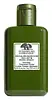
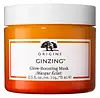
Origins Dr. Andrew Weil For Origins™ Mega-Mushroom Relief & Resilience Soothing Treatment Lotion Versus Origins Ginzing™ Glow-Boosting Mask
This calming toner is formulated around Ganoderma Lucidum Extract and Ergothioneine to calm redness and strengthen the skin barrier.
This wash off mask is made with 3-O-Ethyl Ascorbic Acid and Panax Ginseng Root Extract for a rinse-off brightening boost.

What's inside
What's inside
 Key Ingredients
Benefits
Concerns
Ingredients Side-by-side
Water
Skin ConditioningButylene Glycol
Humectant

PEG-4
HumectantCitrus Aurantium Dulcis Oil
Masking
Lavandula Angustifolia Oil
Masking



Pogostemon Cablin Leaf Oil
Masking
Citrus Nobilis Peel Oil
Masking
Pelargonium Graveolens Flower Oil
Masking
Boswellia Carterii Oil
Masking
Limonene
Perfuming

Linalool
Perfuming
Citronellol
Perfuming
Geraniol
Perfuming
Ganoderma Lucidum Extract
Skin Protecting
Fuscoporia Obliqua Sclerotium Extract
Skin ConditioningCordyceps Sinensis Extract
Antioxidant
Ergothioneine
Antioxidant

Camelina Sativa Seed Oil
Skin Conditioning
Lactobacillus Ferment
Skin Conditioning
Hippophae Rhamnoides Extract
MaskingZingiber Officinale Root Extract
Masking
Curcuma Longa Root Extract
Antioxidant
Ocimum Sanctum Leaf Extract
Skin ConditioningHelianthus Annuus Seed Oil
Emollient
Silybum Marianum Fruit Extract
Skin Conditioning
Saccharomyces Lysate Extract
Humectant
Centella Asiatica Extract
Cleansing

Hypnea Musciformis Extract
Skin Protecting
Caffeine
Skin Conditioning
Sucrose
Humectant
Salvia Sclarea Extract
AntiseborrhoeicSaccharomyces Ferment Filtrate
Humectant
PEG-40 Hydrogenated Castor Oil
Emulsifying
Gelidiella Acerosa Extract
Skin Protecting
Trideceth-9
EmulsifyingGlycerin
Humectant
Glycereth-26
Humectant
Polysorbate 20
Emulsifying
Sodium Hyaluronate
Humectant
Tocopheryl Acetate
Antioxidant

Maltodextrin
Absorbent
Pentylene Glycol
Skin Conditioning
Sodium Hydroxide
BufferingCitric Acid
Buffering
Potassium Sorbate
Preservative
Phenoxyethanol
Preservative
Water, Butylene Glycol, PEG-4, Citrus Aurantium Dulcis Oil, Lavandula Angustifolia Oil, Pogostemon Cablin Leaf Oil, Citrus Nobilis Peel Oil, Pelargonium Graveolens Flower Oil, Boswellia Carterii Oil, Limonene, Linalool, Citronellol, Geraniol, Ganoderma Lucidum Extract, Fuscoporia Obliqua Sclerotium Extract, Cordyceps Sinensis Extract, Ergothioneine, Camelina Sativa Seed Oil, Lactobacillus Ferment, Hippophae Rhamnoides Extract, Zingiber Officinale Root Extract, Curcuma Longa Root Extract, Ocimum Sanctum Leaf Extract, Helianthus Annuus Seed Oil, Silybum Marianum Fruit Extract, Saccharomyces Lysate Extract, Centella Asiatica Extract, Hypnea Musciformis Extract, Caffeine, Sucrose, Salvia Sclarea Extract, Saccharomyces Ferment Filtrate, PEG-40 Hydrogenated Castor Oil, Gelidiella Acerosa Extract, Trideceth-9, Glycerin, Glycereth-26, Polysorbate 20, Sodium Hyaluronate, Tocopheryl Acetate, Maltodextrin, Pentylene Glycol, Sodium Hydroxide, Citric Acid, Potassium Sorbate, Phenoxyethanol
Water
Skin ConditioningCetearyl Isononanoate
Emollient
Butylene Glycol
Humectant
Glycerin
Humectant
Polyglyceryl-3 Methylglucose Distearate
Emulsifying
Olea Europaea Fruit Oil
Masking
Caprylic/Capric Triglyceride
Masking
Steareth-21
Cleansing3-O-Ethyl Ascorbic Acid
Skin Conditioning

Panax Ginseng Root Extract
Emollient
Caffeine
Skin Conditioning
Terminalia Ferdinandiana Fruit Extract
Antioxidant
Magnesium Ascorbyl Phosphate
Antioxidant
Salicylic Acid
Masking



Sodium Hyaluronate
Humectant
Betaine
Humectant
Sucrose
Humectant
Glycine
Buffering
Mannitol
Humectant
Cetearyl Alcohol
Emollient
Triethyl Citrate
Masking
Xanthan Gum
EmulsifyingSynthetic Fluorphlogopite
Sodium Hydroxide
BufferingMicrocrystalline Cellulose
AbsorbentLecithin
Emollient
Tin Oxide
Abrasive
Hydroxypropyl Methylcellulose
Emulsion StabilisingCaprylyl Glycol
Emollient
Acrylates/C10-30 Alkyl Acrylate Crosspolymer
Emulsion StabilisingSteareth-2
EmulsifyingAcrylates/Ammonium Methacrylate Copolymer
Sodium Phytate
ChelatingPhenoxyethanol
Preservative
Citrus Grandis Peel Oil
Masking
Citrus Limon Peel Oil
Masking
Citrus Aurantium Dulcis Peel Oil
Masking
Mentha Viridis Leaf Oil
Astringent
Limonene
Perfuming
Linalool
Perfuming
Citral
Perfuming
Mica
Cosmetic ColorantCI 77891
Cosmetic ColorantCI 77491
Cosmetic ColorantCI 77492
Cosmetic ColorantCI 19140
Cosmetic ColorantCI 15985
Cosmetic ColorantWater, Cetearyl Isononanoate, Butylene Glycol, Glycerin, Polyglyceryl-3 Methylglucose Distearate, Olea Europaea Fruit Oil, Caprylic/Capric Triglyceride, Steareth-21, 3-O-Ethyl Ascorbic Acid, Panax Ginseng Root Extract, Caffeine, Terminalia Ferdinandiana Fruit Extract, Magnesium Ascorbyl Phosphate, Salicylic Acid, Sodium Hyaluronate, Betaine, Sucrose, Glycine, Mannitol, Cetearyl Alcohol, Triethyl Citrate, Xanthan Gum, Synthetic Fluorphlogopite, Sodium Hydroxide, Microcrystalline Cellulose, Lecithin, Tin Oxide, Hydroxypropyl Methylcellulose, Caprylyl Glycol, Acrylates/C10-30 Alkyl Acrylate Crosspolymer, Steareth-2, Acrylates/Ammonium Methacrylate Copolymer, Sodium Phytate, Phenoxyethanol, Citrus Grandis Peel Oil, Citrus Limon Peel Oil, Citrus Aurantium Dulcis Peel Oil, Mentha Viridis Leaf Oil, Limonene, Linalool, Citral, Mica, CI 77891, CI 77491, CI 77492, CI 19140, CI 15985
Reviews
Ingredients Explained
These ingredients are found in both products.
Ingredients higher up in an ingredient list are typically present in a larger amount.
Butylene Glycol (or BG) is used within cosmetic products for a few different reasons:
Overall, Butylene Glycol is a safe and well-rounded ingredient that works well with other ingredients.
Though this ingredient works well with most skin types, some people with sensitive skin may experience a reaction such as allergic rashes, closed comedones, or itchiness.
Learn more about Butylene GlycolCaffeine is a naturally occurring plant compound found in coffee beans, tea leaves, cocoa pods, and guarana.
As an antioxidant, caffeine protects your skin from free radical damage caused by UV exposure and envionrmnetal stressors.
Early research also shows that caffeine can help calm redness, soothe irritated skin, and support hair growth by stimulating microcirculation in the scalp.
You might have seen eye creams marketing caffeine as a depuffing ingredient. This is because it is a vasoconstrictor meaning it can temporarily constrict blood vessels, though clinical evidence for this specific use is still limited.
Most skincare products contain this ingredient at concentrations between 1-6%. It is able to penetrate skin easily regardless of skin type or thickness.
Just so you know, a very small number of case reports describe caffeine-induced allergy. This ingredient is generally well-tolerated, non-irritating, and non-sensitizing for the majority of people.
Learn more about CaffeineGlycerin (or glycerol) is a compound naturally found in your skin. It's a powerhouse humectant that pulls water into the stratum corneum.
Topically, glycerin does several things at once:
Your skin makes glycerin on its own (mostly from sebaceous oil breakdown) and shuttles it to your outermost layer of skin, or your epidermis, via aquaporin-3.
Aquaporin-3 is a transporter that is essential for normal skin hydration, elasticity, and repair. Interestingly, mice lacking in AQP3 have dry and less elastic skin that can be fully corrected with glycerin.
This ingredient is non-irritating, plays well with almost every ingredient, and works across all skin types. Typical use is anywhere between 3-10% but can go up to 79% in some leave-on products.
Just know very high concentrations (>40%) can feel tacky in low humidity.
Glycerin is the name for this ingredient in American English. British English uses Glycerol/Glycerine.
Learn more about GlycerinLimonene is the compound that gives citrus peel its smell.
In skincare, it shows up as a standalone fragrance ingredient or as a natural compound of citrus and other essential oils.
You'll typically see this ingredient used in very small amounts; anything above 0.001% in a leave-on product or 0.01% in a rinse-off has to be named on the label in the EU. The citrus oils that carry it sit around 0.5-1% in a finished formula.
Fresh limonene is a weak allergen; the real issue is that it slowly reacts with air and then breaks down from oxidation to create hydroperoxides (which are strong sensitizers). This is why suppliers are required to keep the peroxide value below 20 mmol.
Positive reactions in people being investigated for eczema vary:
It's worth skipping if you have a known fragrance allergy or a compromised barrier, but the risk is low for most people.
Older or long-opened products are also more likely to bother you than fresh ones due to oxidation.
Learn more about LimoneneLinalool is a small, naturally occurring scent molecule found in plants like lavender, coriander, bergamot, and more.
It is one of the two most-used fragrance ingredients in cosmetics and added purely for smell. Since it's not used for a skin benefit, there's no "effective dose". Concentration depends on the fragrance load of the product.
The EU requires it to be named on the label above 0.001% in leave-on and 0.01% in rinse-off products.
Fresh linalool is a weak sensitizer but air exposure turns some of it into hydroperoxides, which are strong sensitizers. Those oxidation products are the actual allergy concern.
Patch-test clinics see positive reactions to linalool hydroperoxides in about 4% to 12% of dermatitis patients depending on country and test concentration.
Resassuringly, one analytical study found hydroperoxide levels in real fragranced products to be orders of magnitude below what induced sensitization in animal studies with no evidence of oxidation building up during normal storage.
The practical takeaway is that linalool is fine for most people but worth avoiding if you have a confirmed fragrance contact allergy or a badly compromised barrier.
Products stored a long time after opening are also the high-risk scenario since that is when oxidation happens.
The scent of linalool is described as floral, spicy tropical, and citrus-like.
Learn more about LinaloolPhenoxyethanol is one of the most widely used preservatives in skincare (and for good reason!).
It has a large spectrum of antimicrobial activity and especially effective bacteria, yeast, and mold while only having a weak effect on your skin's natural microbiome.
On a cellular level, it disrupts the cell membranes of microbes by poking holes that make the cell leak. This shuts down the chemical reactions the microbe needs to make energy so it can no longer survive.
Another perk of this ingredient is that it stays functional across a wide pH range (3-10).
You'll often see it paired with boosters like Ethylhexylglycerin; one study showed that a 1:9 ratio of Ethylhexylglycerin to Phenoxyethanol damages bacterial membranes as effectively as doubling the Phenoxyethanol concentration on its own.
Typical use concentrations range from 0.3-1% depending on the formula, and this ingredient is capped at 1% int the EU.
Safety-wise, the fear mongering does not hold up to the evidence. The EU's Scientific Committee on Consumer Safety and FDA consider it safe as a preservative at up to 1%, including for children of all ages.
Adverse systemic effects only showed up in animal studies at exposures roughly 200x higher than what people get from cosmetics. And despite its very widespread use, this ingredient is a rare sensitizer and allergic reactions are uncommon.
Learn more about PhenoxyethanolSodium Hyaluronate is the salt form of hyaluronic acid. It is a long sugar chain that is naturally found in your skin, joints, and connective tissue that maintains hydration and elasticity.
In skincare, it works as a humectant. It pulls water from the environment and deeper layers of skin and binds it to the surface.
Interestingly, the size of the molecule affects its behavior:
Some clinical evidence links low molecular weight versions to improved wrinkle depth, elasticity, anti-inflammatory effects, and barrier repair.
Many serums use a blend of both weights so you can get surface hydration plus longer-lasting and deeper effects.
You'll typically see concentrations between 0.1-2% for this ingredient.
Learn more about Sodium HyaluronateSodium Hydroxide is also known as lye or caustic soda. It is used to adjust the pH of products; many ingredients require a specific pH to be effective.
In small amounts, sodium hydroxide is considered safe to use. However, large amounts may cause chemical burns due to its high alkaline.
Your skin has a natural pH and acid mantle. This acid mantle helps prevent harmful bacteria from breaking through. The acid mantle also helps keep your skin hydrated.
"Alkaline" refers to a high pH level. A low pH level would be considered acidic.
Learn more about Sodium HydroxideSucrose is a natural sugar found in fruits, vegetables, and nuts. It is the main constituent of white sugar.
In skincare, sucrose is a humectant and can be a mild exfoliant.
Sucrose is hydrophilic, meaning it attracts water. This makes it an effective humectant and helps hydrate the skin.
Studies show sugars may worsen acne-prone skin due to it disrupting the skin's natural biome. We recommend speaking with a professional if you have any concerns.
In some products such as body scrubs, sucrose is used as an gentle exfoliant.
The term 'sucrose' comes from the french word for sugar, 'sucre'.
Learn more about SucroseWater. It's the most common cosmetic ingredient of all. You'll usually see it at the top of ingredient lists, meaning that it makes up the largest part of the product.
So why is it so popular? Water most often acts as a solvent - this means that it helps dissolve other ingredients into the formulation.
You'll also recognize water as that liquid we all need to stay alive. If you see this, drink a glass of water. Remember to stay hydrated!
Learn more about Water

