

What's inside
What's inside
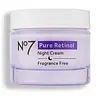 Key Ingredients
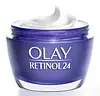
Benefits
Concerns
Ingredients Side-by-side
Water
Skin ConditioningGlycerin
Humectant



C12-15 Alkyl Benzoate
AntimicrobialCetearyl Alcohol
Emollient



Steareth-21
CleansingCaprylic/Capric Triglyceride
Masking
Dimethicone
Emollient
Butyrospermum Parkii Butter
Skin Conditioning
Steareth-2
EmulsifyingGlyceryl Stearate
Emollient
Polyacrylamide
Alcohol Denat.
Antimicrobial




Butylene Glycol
Humectant
C13-14 Isoparaffin
Emollient
Phenoxyethanol
Preservative
Panthenol
Skin Conditioning

Caprylyl Glycol
Emollient
Laureth-7
EmulsifyingSodium Benzoate
Masking
Bisabolol
Masking
Ethylhexylglycerin
Skin ConditioningCitric Acid
Buffering



Tetrasodium EDTA
Polysorbate 20
Emulsifying
Sorbitan Laurate
Emulsifying
Sodium Lauroyl Lactylate
EmulsifyingRetinol
Skin Conditioning


Carbomer
Emulsion StabilisingInulin Lauryl Carbamate
Emulsion StabilisingHydroxyethylcellulose
Emulsion StabilisingAcetyl Dipeptide-1 Cetyl Ester
Skin Conditioning
Sucrose Laurate
Emollient
Behentrimonium Chloride
Preservative
Ceramide NP
Skin Conditioning
Phytosphingosine
Skin Conditioning
Ceramide AP
Skin Conditioning
Cholesterol
Emollient
Xanthan Gum
EmulsifyingBenzoic Acid
Masking
Palmitoyl Tripeptide-1
Skin Conditioning
Palmitoyl Tetrapeptide-7
Skin Conditioning
Benzyl Alcohol
Perfuming

Ceramide EOP
Skin Conditioning
Water, Glycerin, C12-15 Alkyl Benzoate, Cetearyl Alcohol, Steareth-21, Caprylic/Capric Triglyceride, Dimethicone, Butyrospermum Parkii Butter, Steareth-2, Glyceryl Stearate, Polyacrylamide, Alcohol Denat., Butylene Glycol, C13-14 Isoparaffin, Phenoxyethanol, Panthenol, Caprylyl Glycol, Laureth-7, Sodium Benzoate, Bisabolol, Ethylhexylglycerin, Citric Acid, Tetrasodium EDTA, Polysorbate 20, Sorbitan Laurate, Sodium Lauroyl Lactylate, Retinol, Carbomer, Inulin Lauryl Carbamate, Hydroxyethylcellulose, Acetyl Dipeptide-1 Cetyl Ester, Sucrose Laurate, Behentrimonium Chloride, Ceramide NP, Phytosphingosine, Ceramide AP, Cholesterol, Xanthan Gum, Benzoic Acid, Palmitoyl Tripeptide-1, Palmitoyl Tetrapeptide-7, Benzyl Alcohol, Ceramide EOP
Water
Skin ConditioningDimethicone
Emollient
Glycerin
Humectant
Tapioca Starch
Dimethicone Crosspolymer
Emulsion Stabilising
Retinyl Propionate
Skin Conditioning
Caprylic/Capric Triglyceride
Masking
Retinol
Skin Conditioning
Palmitoyl Pentapeptide-4
Skin Conditioning
BHT
Antioxidant
Butylene Glycol
Humectant
Dimethiconol
Emollient
Niacinamide
Smoothing
Polysorbate 20
Emulsifying
Laureth-4
Emulsifying
Laureth-7
EmulsifyingDisodium EDTA
Polyacrylamide
Acrylates/C10-30 Alkyl Acrylate Crosspolymer
Emulsion StabilisingAminomethyl Propanol
BufferingPEG-100 Stearate
Ammonium Polyacrylate
StabilisingPolymethylsilsesquioxane
Titanium Dioxide
Cosmetic Colorant

C13-14 Alkane
SolventDMDM Hydantoin
Preservative
Iodopropynyl Butylcarbamate
Preservative
Benzyl Alcohol
Perfuming
Methylparaben
Preservative
Water, Dimethicone, Glycerin, Tapioca Starch, Dimethicone Crosspolymer, Retinyl Propionate, Caprylic/Capric Triglyceride, Retinol, Palmitoyl Pentapeptide-4, BHT, Butylene Glycol, Dimethiconol, Niacinamide, Polysorbate 20, Laureth-4, Laureth-7, Disodium EDTA, Polyacrylamide, Acrylates/C10-30 Alkyl Acrylate Crosspolymer, Aminomethyl Propanol, PEG-100 Stearate, Ammonium Polyacrylate, Polymethylsilsesquioxane, Titanium Dioxide, C13-14 Alkane, DMDM Hydantoin, Iodopropynyl Butylcarbamate, Benzyl Alcohol, Methylparaben
Ingredients Explained
These ingredients are found in both products.
Ingredients higher up in an ingredient list are typically present in a larger amount.
Benzyl Alcohol is most commonly used as a preservative. It also has a subtle, sweet smell. Small amounts of Benzyl Alcohol is not irritating and safe to use in skincare products. Most Benzyl Alcohol is derived from fruits such as apricots.
Benzyl Alcohol has both antibacterial and antioxidant properties. These properties help lengthen the shelf life of products. Benzyl Alcohol is a solvent and helps dissolve other ingredients. It can also improve the texture and spreadability.
Alcohol comes in many different forms. Different types of alcohol will have different effects on skin. This ingredient is an astringent alcohol.
Using high concentrations of these alcohols are drying on the skin. They may strip away your skin's natural oils and even damage your skin barrier. Astringent alcohols may also irritate skin.
Other types of astringent alcohols include:
According to the National Rosacea Society based in the US, you should be mindful of products with these alcohols in the top half of ingredients.
Any type of sanitizing product will have high amounts of alcohol to help kill bacteria and viruses.
Learn more about Benzyl AlcoholButylene Glycol (or BG) is used within cosmetic products for a few different reasons:
Overall, Butylene Glycol is a safe and well-rounded ingredient that works well with other ingredients.
Though this ingredient works well with most skin types, some people with sensitive skin may experience a reaction such as allergic rashes, closed comedones, or itchiness.
Learn more about Butylene GlycolThis ingredient is an emollient, solvent, and texture enhancer. It is considered a skin-softener by helping the skin prevent moisture loss.
It helps thicken a product's formula and makes it easier to spread by dissolving clumping compounds.
Caprylic Triglyceride is made by combining glycerin with coconut oil, forming a clear liquid.
While there is an assumption Caprylic Triglyceride can clog pores due to it being derived from coconut oil, there is no research supporting this.
Learn more about Caprylic/Capric TriglycerideDimethicone is a type of synthetic silicone created from natural materials such as quartz.
What it does:
Dimethicone comes in different viscosities:
Depending on the viscosity, dimethicone has different properties.
Ingredients lists don't always show which type is used, so we recommend reaching out to the brand if you have questions about the viscosity.
This ingredient is unlikely to cause irritation because it does not get absorbed into skin. However, people with silicone allergies should be careful about using this ingredient.
Note: Dimethicone may contribute to pilling. This is because it is not oil or water soluble, so pilling may occur when layered with products. When mixed with heavy oils in a formula, the outcome is also quite greasy.
Learn more about DimethiconeGlycerin is already naturally found in your skin. It helps moisturize and protect your skin.
A study from 2016 found glycerin to be more effective as a humectant than AHAs and hyaluronic acid.
As a humectant, it helps the skin stay hydrated by pulling moisture to your skin. The low molecular weight of glycerin allows it to pull moisture into the deeper layers of your skin.
Hydrated skin improves your skin barrier; Your skin barrier helps protect against irritants and bacteria.
Glycerin has also been found to have antimicrobial and antiviral properties. Due to these properties, glycerin is often used in wound and burn treatments.
In cosmetics, glycerin is usually derived from plants such as soybean or palm. However, it can also be sourced from animals, such as tallow or animal fat.
This ingredient is organic, colorless, odorless, and non-toxic.
Glycerin is the name for this ingredient in American English. British English uses Glycerol/Glycerine.
Learn more about GlycerinLaureth-7 is created by the ethoxylation of lauryl alcohol using ethylene oxide. Lauryl alcohol is a fatty alcohol with hydrating properties.
This ingredient is an emulsifier and cleansing ingredient. As an emulsifier, it is used to prevent ingredients from separating. It also helps cleanse the skin by gathering dirt, oil, and pollutants to be rinsed away.
Polyacrylamide is a synthetic polymer. It is used to stabilize products and bind ingredients. When hydrated, Polyacrylamide forms a soft gel.
Polyacrylamide is low-toxicity. If source properly, it is deemed safe to use in cosmetics.
It should be noted the precursor to Polyacrylamide is acrylamide. Acrylamide is a carcinogen. Most reputable sources of Polyacrylamide will screen for residual acrylamide to make sure the count is in a safe range. Acrylamide is not able to be absorbed through the skin.
We recommend speaking with a professional if you have concerns.
Learn more about PolyacrylamidePolysorbate 20 is made by combining ethoxylation of sorbitan, ethylene oxide, and lauric acid. It is a mild cleansing agent, surfactant, and emulsifier.
As a surfactant, it helps collect dirt and oils for washing. Emulsifiers prevent oils and water from separating.
Polysorbate 20 also adds scent to a product. Since it is made using sorbitol, it has a sweet scent. Sorbitol can also be found in fruits such as apples and peaches.
The lauric acid used to create Polysorbate 20 is often derived from coconuts.
Polysorbate 20 may not be fungal acne safe.
Learn more about Polysorbate 20Retinol is a gold-standard ingredient for anti-aging. It is a form of Vitamin A and belongs to the class of retinoids that also includes tretinoin.
Why is retinol famous?
It has the most scientific studies backing up its skin benefits out of all the non-prescription ingredients.
Retinol is proven to:
This is why retinol is effective at removing wrinkles, fading dark spots, treating acne, and reducing the appearance of pores.
Studies show retinol is less effective when exposed to UV. Be sure to look for appropriate packaging to keep your retinol potent (similar to Vitamin C).
Using retinol or any retinoids will increase sun-sensitivity in the first few months. Though studies show retinoids increase your skin's natural SPF with continuous use, it is best to always wear sunscreen and sun-protection.
We recommend speaking with a medical professional about using this ingredient during pregnancy.
Retinol may cause irritation in some people, so be sure to patch test. Experts recommend 'ramping up' retinol use: start using this ingredient once a week and work up to using it daily.
Read about Tretinoin
Learn more about RetinolWater. It's the most common cosmetic ingredient of all. You'll usually see it at the top of ingredient lists, meaning that it makes up the largest part of the product.
So why is it so popular? Water most often acts as a solvent - this means that it helps dissolve other ingredients into the formulation.
You'll also recognize water as that liquid we all need to stay alive. If you see this, drink a glass of water. Stay hydrated!
Learn more about Water
