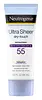
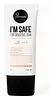
Neutrogena Ultra Sheer® Dry-Touch Sunscreen Broad Spectrum SPF 55 Versus Suntique I'm Safe For Sensitive Skin SPF 35 PA+++
This chemical sunscreen covers most of the UV range, lighter on the deep UVA that drives aging.
This sunscreen offers SPF 35 protection with a matte finish that helps control shine.


What's inside
What's inside
 Key Ingredients
Benefits
Concerns
Ingredients Side-by-side
Butyl Methoxydibenzoylmethane 3%
UV Absorber
Homosalate 10%
Skin Conditioning
Ethylhexyl Salicylate 5%
UV Absorber
Octocrylene 10%
UV Absorber

Water
Skin ConditioningStyrene/Acrylates Copolymer
Silica
Abrasive


Dimethicone
Emollient

Potassium Cetyl Phosphate
EmulsifyingBenzyl Alcohol
Perfuming




Beeswax
Emulsion Stabilising



Caprylyl Methicone
Skin Conditioning
Glyceryl Stearate
Emollient
PEG-100 Stearate
Surfactant
Cetyl Dimethicone
Emollient
Caprylyl Glycol
Emollient
Ethylhexylglycerin
Skin ConditioningAluminum Starch Octenylsuccinate
Absorbent
Behenyl Alcohol
Emollient
Acrylates/Dimethicone Copolymer
Skin Conditioning
Xanthan Gum
EmulsifyingSodium Polyacrylate
Absorbent
Chlorphenesin
Antimicrobial
Dimethicone/PEG-10/15 Crosspolymer
Hydrolyzed Jojoba Esters
Skin Conditioning
Parfum
Masking
Disodium EDTA
ChelatingEthylhexyl Stearate
Emollient
Tocopheryl Acetate
Antioxidant


BHT
Antioxidant
Trideceth-6
EmulsifyingJojoba Esters
Emollient
Butyl Methoxydibenzoylmethane 3%, Homosalate 10%, Ethylhexyl Salicylate 5%, Octocrylene 10%, Water, Styrene/Acrylates Copolymer, Silica, Dimethicone, Potassium Cetyl Phosphate, Benzyl Alcohol, Beeswax, Caprylyl Methicone, Glyceryl Stearate, PEG-100 Stearate, Cetyl Dimethicone, Caprylyl Glycol, Ethylhexylglycerin, Aluminum Starch Octenylsuccinate, Behenyl Alcohol, Acrylates/Dimethicone Copolymer, Xanthan Gum, Sodium Polyacrylate, Chlorphenesin, Dimethicone/PEG-10/15 Crosspolymer, Hydrolyzed Jojoba Esters, Parfum, Disodium EDTA, Ethylhexyl Stearate, Tocopheryl Acetate, BHT, Trideceth-6, Jojoba Esters
Water
Skin ConditioningPropanediol
Solvent
CI 77891
Cosmetic ColorantPhenyl Trimethicone
Skin Conditioning
Dicaprylyl Carbonate
EmollientMethylpropanediol
SolventCyclopentasiloxane
Emollient
1,2-Hexanediol
Skin Conditioning
Glycereth-26
Humectant
Methyl Trimethicone
Skin Conditioning
Polyglyceryl-2 Caprate
EmulsifyingMethyl Methacrylate Crosspolymer
Styrene/Ma Copolymer
Emulsion StabilisingSucrose Stearate
EmollientTromethamine
BufferingSimmondsia Chinensis Seed Oil
Emollient
Acrylates/C10-30 Alkyl Acrylate Crosspolymer
Emulsion StabilisingCellulose Gum
Emulsion StabilisingHydroxypropyl Methylcellulose
Emulsion StabilisingCetyl Hydroxyethylcellulose
Emulsion StabilisingStearic Acid
Cleansing
Alumina
Abrasive
Betaine
Humectant
Trehalose
Humectant
Glyceryl Caprylate
EmollientButylene Glycol
Humectant
Pentylene Glycol
Skin Conditioning
Ethylhexylglycerin
Skin ConditioningSqualane
Emollient
Centella Asiatica Extract
Cleansing

Aloe Barbadensis Leaf Extract
Emollient
Madecassoside
Antioxidant
Butylene Glycol Dicaprylate/Dicaprate
EmollientCarbomer
Emulsion StabilisingPolyacrylate Crosspolymer-6
Emulsion StabilisingT-Butyl Alcohol
Perfuming
Parfum
Masking
Water, Propanediol, CI 77891, Phenyl Trimethicone, Dicaprylyl Carbonate, Methylpropanediol, Cyclopentasiloxane, 1,2-Hexanediol, Glycereth-26, Methyl Trimethicone, Polyglyceryl-2 Caprate, Methyl Methacrylate Crosspolymer, Styrene/Ma Copolymer, Sucrose Stearate, Tromethamine, Simmondsia Chinensis Seed Oil, Acrylates/C10-30 Alkyl Acrylate Crosspolymer, Cellulose Gum, Hydroxypropyl Methylcellulose, Cetyl Hydroxyethylcellulose, Stearic Acid, Alumina, Betaine, Trehalose, Glyceryl Caprylate, Butylene Glycol, Pentylene Glycol, Ethylhexylglycerin, Squalane, Centella Asiatica Extract, Aloe Barbadensis Leaf Extract, Madecassoside, Butylene Glycol Dicaprylate/Dicaprate, Carbomer, Polyacrylate Crosspolymer-6, T-Butyl Alcohol, Parfum
Reviews
Ingredients Explained
These ingredients are found in both products.
Ingredients higher up in an ingredient list are typically present in a larger amount.
Ethylhexylglycerin is created from glycerin. It is a multitasker ingredient that:
The CIR Expert Panel found minimal skin absorption or sensitization of any kind in a safety assessment. Though this ingredient is considered well-tolerated, a small number of cases of allergic dermatitis have been published since 2002. Just be sure to patch test if you are unsure.
Industry-reported use ranges from 8% in rinse-off products and 2% in leave-on formulations.
Learn more about EthylhexylglycerinParfum is a catch-all term for an ingredient or more that is used to give a scent to products.
Also called "fragrance", this ingredient can be a blend of hundreds of chemicals or plant oils. This means every product with "fragrance" or "parfum" in the ingredients list is a different mixture.
For instance, Habanolide is a proprietary trade name for a specific aroma chemical. When used as a fragrance ingredient in cosmetics, most aroma chemicals fall under the broad labeling category of “FRAGRANCE” or “PARFUM” according to EU and US regulations.
The term 'parfum' or 'fragrance' is not regulated in many countries. In many cases, it is up to the brand to define this term.
For instance, many brands choose to label themselves as "fragrance-free" because they are not using synthetic fragrances. However, their products may still contain ingredients such as essential oils that are considered a fragrance by INCI standards.
One example is Calendula flower extract. Calendula is an essential oil that still imparts a scent or 'fragrance'.
Depending on the blend, the ingredients in the mixture can cause allergies and sensitivities on the skin. Some ingredients that are known EU allergens include linalool and citronellol.
Parfum can also be used to mask or cover an unpleasant scent.
The bottom line is: not all fragrances/parfum/ingredients are created equally. If you are worried about fragrances, we recommend taking a closer look at an ingredient. And of course, we always recommend speaking with a professional.
Learn more about ParfumWater. It's the most common cosmetic ingredient of all. You'll usually see it at the top of ingredient lists, meaning that it makes up the largest part of the product.
So why is it so popular? Water most often acts as a solvent - this means that it helps dissolve other ingredients into the formulation.
You'll also recognize water as that liquid we all need to stay alive. If you see this, drink a glass of water. Remember to stay hydrated!
Learn more about Water

