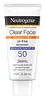
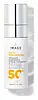
Neutrogena Clear Face Break-Out Free Liquid Lotion Sunscreen Broad Spectrum SPF 50 Versus IMAGE skincare Daily Prevention Advanced Smartblend Mineral Moisturizer SPF 50+
This chemical sunscreen covers most of the UV range, lighter on the deep UVA that drives aging.
This hybrid sunscreen covers the full UV range and blocks ~98% of UVB at SPF 50.

What's inside
What's inside
 Key Ingredients
Benefits
Concerns
Ingredients Side-by-side
Butyl Methoxydibenzoylmethane 3%
UV Absorber
Homosalate 10%
Skin Conditioning
Ethylhexyl Salicylate 5%
UV Absorber
Octocrylene 10%
UV Absorber

Water
Skin ConditioningSilica
Abrasive


Cetyl Dimethicone
Emollient
Styrene/Acrylates Copolymer
C12-15 Alkyl Benzoate
AntimicrobialSteareth-100
Gel FormingEthylhexylglycerin
Skin ConditioningAluminum Starch Octenylsuccinate
Absorbent
Phenoxyethanol
Preservative
Caprylyl Glycol
Emollient
Sodium Polyacrylate
Absorbent
Dimethicone
Emollient
Steareth-2
EmulsifyingPolyester-7
Skin ConditioningChlorphenesin
Antimicrobial
Ethylhexyl Stearate
Emollient



Disodium EDTA
ChelatingPropylene Glycol
Humectant
Neopentyl Glycol Diheptanoate
EmollientBisabolol
Antioxidant



Acrylates/Dimethicone Copolymer
Skin Conditioning
Butylene Glycol
Humectant
Mannan
Xanthan Gum
EmulsifyingBHT
Antioxidant
Capryloyl Glycine
CleansingTrideceth-6
EmulsifyingSarcosine
Skin Conditioning
Cedrus Atlantica Bark Extract
Perfuming

Cinnamomum Zeylanicum Bark Extract
Antimicrobial
Portulaca Oleracea Extract
Skin Conditioning
Butyl Methoxydibenzoylmethane 3%, Homosalate 10%, Ethylhexyl Salicylate 5%, Octocrylene 10%, Water, Silica, Cetyl Dimethicone, Styrene/Acrylates Copolymer, C12-15 Alkyl Benzoate, Steareth-100, Ethylhexylglycerin, Aluminum Starch Octenylsuccinate, Phenoxyethanol, Caprylyl Glycol, Sodium Polyacrylate, Dimethicone, Steareth-2, Polyester-7, Chlorphenesin, Ethylhexyl Stearate, Disodium EDTA, Propylene Glycol, Neopentyl Glycol Diheptanoate, Bisabolol, Acrylates/Dimethicone Copolymer, Butylene Glycol, Mannan, Xanthan Gum, BHT, Capryloyl Glycine, Trideceth-6, Sarcosine, Cedrus Atlantica Bark Extract, Cinnamomum Zeylanicum Bark Extract, Portulaca Oleracea Extract
Zinc Oxide 10.5%
Cosmetic Colorant
Titanium Dioxide 3.7%
Cosmetic Colorant
Water
Skin ConditioningC13-15 Alkane
SolventCaprylic/Capric Triglyceride
Masking
Butyloctyl Salicylate
Skin Conditioning
Polyglyceryl-3 Polyricinoleate
Emulsifying
Squalane
Emollient
Coco-Caprylate/Caprate
Emollient
Disteardimonium Hectorite
StabilisingPolyglyceryl-10 Dioleate
Emulsifying
Polyhydroxystearic Acid
Emulsifying
Cetyl Dimethicone
Emollient
Glycerin
Humectant
Phenoxyethanol
Preservative
Propanediol
Solvent
Stearic Acid
Cleansing
Styrene/Acrylates Copolymer
Tocopheryl Acetate
Antioxidant

Acetyl Zingerone
Antioxidant
Hydrated Silica
Abrasive
Alumina
Abrasive
Ethylhexylglycerin
Skin ConditioningAllantoin
Skin Conditioning
Phosphatidylcholine
EmulsifyingMannitol
Humectant
Vanilla Planifolia Fruit Extract
Skin Conditioning
Enteromorpha Compressa Extract
Skin Protecting
Triethoxycaprylylsilane
Methylpropanediol
SolventEctoin
Skin Conditioning
Camellia Sinensis Leaf Extract
Antimicrobial
Silybum Marianum Fruit Extract
Skin Conditioning
Ocimum Sanctum Leaf Extract
Skin ConditioningCaprylyl Glycol
Emollient
Palmitic Acid
Emollient
Haematococcus Pluvialis Extract
Antioxidant
Sodium Benzoate
Masking
Potassium Sorbate
Preservative
Tetrahexyldecyl Ascorbate
Antioxidant

Panthenol
Skin Conditioning
Tocopherol
Antioxidant
Citric Acid
Buffering
Phenylpropanol
Masking
Magnesium Oxide
AbsorbentCI 77499
Cosmetic ColorantCI 77491
Cosmetic ColorantCI 77492
Cosmetic ColorantZinc Oxide 10.5%, Titanium Dioxide 3.7%, Water, C13-15 Alkane, Caprylic/Capric Triglyceride, Butyloctyl Salicylate, Polyglyceryl-3 Polyricinoleate, Squalane, Coco-Caprylate/Caprate, Disteardimonium Hectorite, Polyglyceryl-10 Dioleate, Polyhydroxystearic Acid, Cetyl Dimethicone, Glycerin, Phenoxyethanol, Propanediol, Stearic Acid, Styrene/Acrylates Copolymer, Tocopheryl Acetate, Acetyl Zingerone, Hydrated Silica, Alumina, Ethylhexylglycerin, Allantoin, Phosphatidylcholine, Mannitol, Vanilla Planifolia Fruit Extract, Enteromorpha Compressa Extract, Triethoxycaprylylsilane, Methylpropanediol, Ectoin, Camellia Sinensis Leaf Extract, Silybum Marianum Fruit Extract, Ocimum Sanctum Leaf Extract, Caprylyl Glycol, Palmitic Acid, Haematococcus Pluvialis Extract, Sodium Benzoate, Potassium Sorbate, Tetrahexyldecyl Ascorbate, Panthenol, Tocopherol, Citric Acid, Phenylpropanol, Magnesium Oxide, CI 77499, CI 77491, CI 77492
Reviews
Ingredients Explained
These ingredients are found in both products.
Ingredients higher up in an ingredient list are typically present in a larger amount.
Caprylyl Glycol is a humectant, skin conditioner, emollient, and preservative booster derived from either caprylic acid or synthetically created.
Typical use levels vary from 0.3-1% as a preservative booster and go up to 2% to condition skin.
Because it is not a free-fatty acid, this ingredient is fungal acne safe (there's nothing for Malassezia to feed on).
Learn more about Caprylyl GlycolCetyl Dimethicone is a type of silicone.
Ethylhexylglycerin is created from glycerin. It is a multitasker ingredient that:
The CIR Expert Panel found minimal skin absorption or sensitization of any kind in a safety assessment. Though this ingredient is considered well-tolerated, a small number of cases of allergic dermatitis have been published since 2002. Just be sure to patch test if you are unsure.
Industry-reported use ranges from 8% in rinse-off products and 2% in leave-on formulations.
Learn more about EthylhexylglycerinPhenoxyethanol is one of the most widely used preservatives in skincare (and for good reason!).
It has a large spectrum of antimicrobial activity and especially effective bacteria, yeast, and mold while only having a weak effect on your skin's natural microbiome.
On a cellular level, it disrupts the cell membranes of microbes by poking holes that make the cell leak. This shuts down the chemical reactions the microbe needs to make energy so it can no longer survive.
Another perk of this ingredient is that it stays functional across a wide pH range (3-10).
You'll often see it paired with boosters like Ethylhexylglycerin; one study showed that a 1:9 ratio of Ethylhexylglycerin to Phenoxyethanol damages bacterial membranes as effectively as doubling the Phenoxyethanol concentration on its own.
Typical use concentrations range from 0.3-1% depending on the formula, and this ingredient is capped at 1% int the EU.
Safety-wise, the fear mongering does not hold up to the evidence. The EU's Scientific Committee on Consumer Safety and FDA consider it safe as a preservative at up to 1%, including for children of all ages.
Adverse systemic effects only showed up in animal studies at exposures roughly 200x higher than what people get from cosmetics. And despite its very widespread use, this ingredient is a rare sensitizer and allergic reactions are uncommon.
Learn more about PhenoxyethanolThis ingredient is a synthetic polymer that mainly works as a film former. It creates a thin, flexible film on the surface of your skin. Once applied, it helps improves wear, durability, and resistance to water/smudging.
Due to its large molecule size, it sits on top of your skin rather than absorbing into it.
Water. It's the most common cosmetic ingredient of all. You'll usually see it at the top of ingredient lists, meaning that it makes up the largest part of the product.
So why is it so popular? Water most often acts as a solvent - this means that it helps dissolve other ingredients into the formulation.
You'll also recognize water as that liquid we all need to stay alive. If you see this, drink a glass of water. Remember to stay hydrated!
Learn more about Water

